
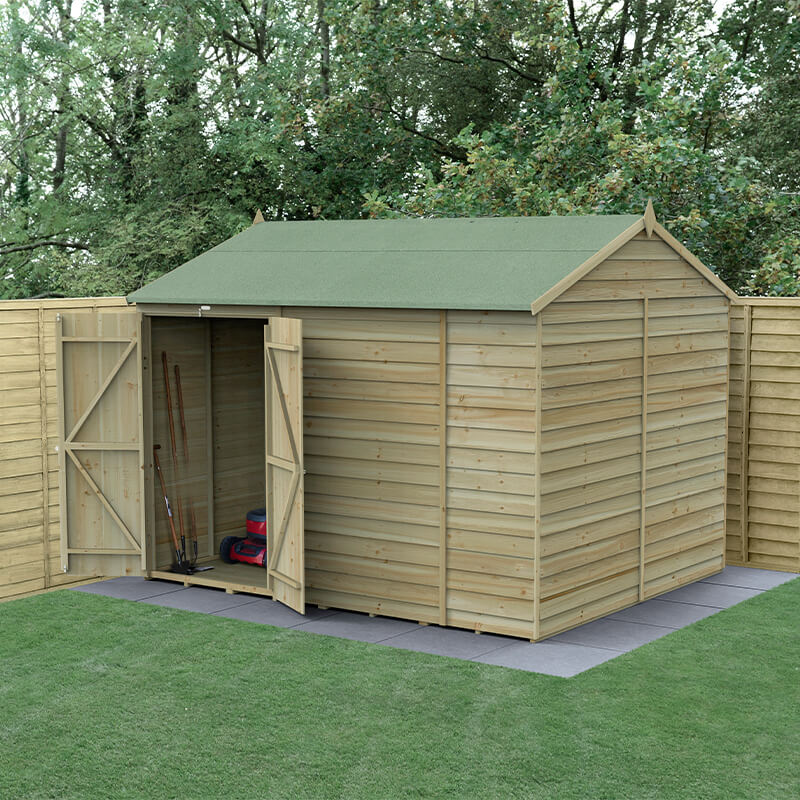
Choosing the best 8×10 wooden shed for your UK garden requires careful consideration of size, style, and quality. An 8×10 shed offers excellent storage capacity whilst remaining compact enough for most UK gardens. Whether you need space for garden tools, bicycles, or a workshop area, this size strikes an ideal balance between functionality and footprint. In this comprehensive guide, we’ll explore everything you need to know about selecting the perfect 8×10 wooden shed in 2026, from roof styles and treatment options to planning permission requirements and costs.
Is an 8×10 Shed the Right Size for You?
An 8×10 wooden shed provides 80 square feet of storage space, making it one of the most popular medium-sized options for UK homeowners. This size is particularly well-suited for gardens where you need substantial storage but don’t want the shed to dominate your outdoor space.
The dimensions work brilliantly for storing larger items like lawnmowers, garden furniture during winter months, and multiple bicycles. You’ll have enough floor space to create organised zones – perhaps tools along one wall, garden equipment in another corner, and still leave room to move around comfortably.
Consider an 8×10 shed if you have a medium to large garden and need more storage than a 6×8 offers but don’t quite need the space of a 10×12. It’s also worth noting that these sheds typically fit well within the 2.5-metre height restrictions for wooden garden sheds under permitted development rights.
8×10 Apex vs 8×10 Pent — Which Is Better?
The roof style significantly impacts both the appearance and functionality of your 8×10 wooden shed. Apex roofs feature a traditional triangular design with a central ridge, whilst pent roofs slope in one direction from front to back.
Apex roofs offer better headroom in the centre of the shed, making them ideal if you plan to use the space as a workshop or potting shed. The symmetrical design also tends to look more traditional and fits well with most garden styles. However, they typically cost slightly more due to the additional framework required.
Pent roofs create a more contemporary appearance and can be excellent for sheds positioned against fences or walls, as the sloping design doesn’t interfere with neighbouring boundaries. They’re often more cost-effective and can provide generous headroom at the higher end of the shed.
Your choice should depend on your garden’s layout, intended use, and aesthetic preferences. Both styles perform equally well in terms of weather protection when properly constructed.
Pressure Treated or Dip Treated?
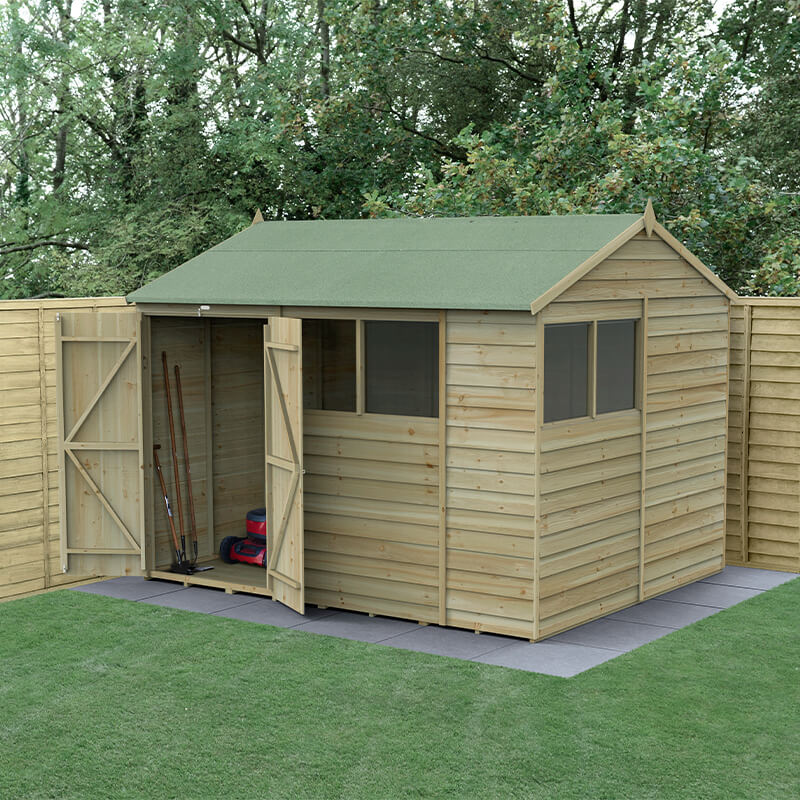
The timber treatment method significantly affects your shed’s longevity and maintenance requirements in the UK’s variable climate. Understanding the difference between pressure treated and dip treated timber helps you make an informed decision.
Pressure treated timber undergoes a process where preservatives are forced deep into the wood fibres under high pressure. This creates superior protection against rot, decay, and insect damage. Pressure treated 8×10 sheds typically come with 10-15 year guarantees against rot and require minimal maintenance beyond occasional cleaning.
Dip treated timber is submerged in preservative solution, providing basic protection that’s suitable for many applications. These sheds cost less initially but require annual treatment with wood preservative to maintain their condition. Over time, the ongoing maintenance costs can add up.
For most UK homeowners, pressure treated timber offers better long-term value, especially given our wet climate. The initial investment pays dividends through reduced maintenance and extended lifespan.
Do You Need Planning Permission for an 8×10 Shed?
Most 8×10 wooden sheds fall comfortably within permitted development rights in the UK, meaning you won’t need planning permission. However, several factors determine whether your shed qualifies for these rights.
The key requirements include keeping the shed under 2.5 metres in height, ensuring it covers no more than 50% of your garden area, and maintaining at least 2 metres distance from any boundary if the shed exceeds 2.5 metres in height. An 8×10 shed occupies 80 square feet, so you’d need a garden of at least 160 square feet for it to stay within the 50% rule.
Additional considerations include restrictions in conservation areas or if your property is listed. Some housing developments also have specific covenants that might affect shed installation. If you’re positioning the shed within 2 metres of a boundary, ensure it doesn’t exceed 2.5 metres in height.
When in doubt, contact your local planning authority for guidance. Most councils provide helpful online resources explaining permitted development rights for garden buildings.
How Much Does an 8×10 Wooden Shed Cost?
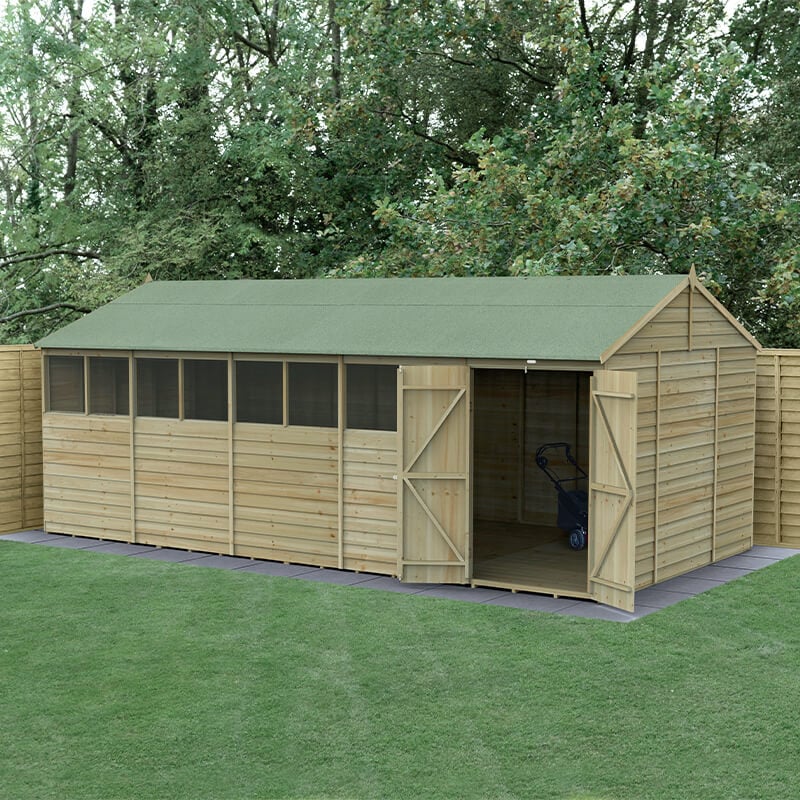
The cost of an 8×10 wooden shed in the UK varies considerably based on construction quality, timber treatment, and additional features. Understanding the price ranges helps you budget appropriately and identify good value options.
Basic dip treated 8×10 sheds typically start from £400-600, offering functional storage with OSB (oriented strand board) floors and basic fittings. These represent excellent value for straightforward storage needs but require regular maintenance.
Mid-range pressure treated options usually cost £600-1,200, featuring superior timber treatment, tongue and groove cladding, and often include windows. These sheds balance quality with affordability and suit most garden storage requirements.
Premium 8×10 wooden sheds can cost £1,200-2,000 or more, featuring heavy-duty construction, superior timber grades, multiple windows, and comprehensive security features. These represent excellent long-term investments for frequently used workshops or high-value storage.
Remember to factor in additional costs like concrete bases (£200-400), installation services (£100-300), and any optional extras like shelving or additional security features.
What Can You Fit in an 8×10 Shed?
The generous 80 square feet of floor space in an 8×10 wooden shed accommodates a surprising variety of items and uses. Proper organisation maximises this space effectively.
For garden storage, you can easily fit a ride-on mower, multiple hand tools, garden furniture cushions, plant pots, compost bags, and seasonal decorations. The space allows for proper organisation with designated areas for different categories of items.
As a workshop, an 8×10 shed provides room for a workbench along one wall, tool storage, and space to work on projects. You could include a potting bench for gardening enthusiasts or set up areas for hobbies like woodworking or crafts.
For bicycle storage, the space comfortably houses 4-6 adult bicycles with room for accessories and maintenance equipment. Some owners create multi-use spaces, combining bike storage with garden tools and workbench areas.
Consider vertical storage solutions like wall-mounted racks and overhead shelving to maximise the available space. This approach helps you store more items whilst maintaining easy access to everything you need.
Frequently Asked Questions
How long does an 8×10 wooden shed last?
A quality pressure treated 8×10 wooden shed can last 15-20 years or more with proper maintenance. Dip treated sheds typically last 8-12 years with regular treatment. The lifespan depends on timber quality, treatment method, and exposure to weather conditions. Regular maintenance like annual wood treatment and keeping gutters clear significantly extends shed life.
Can I install an 8×10 shed myself?
Yes, many 8×10 wooden sheds come as DIY kits with comprehensive instructions. Most competent DIY enthusiasts can complete installation over a weekend with basic tools and an assistant. However, you’ll need a level concrete or paving slab base prepared beforehand. Professional installation typically costs £100-300 and ensures proper assembly with warranty coverage.
What’s the best base for an 8×10 wooden shed?
A concrete base provides the most durable foundation for an 8×10 wooden shed. Alternatively, paving slabs on a level, compacted sand base work well and cost less. The base should extend slightly beyond the shed dimensions and include proper drainage. Avoid placing sheds directly on soil or grass, as this leads to moisture problems and reduced lifespan.
Do 8×10 wooden sheds come with windows?
Many 8×10 wooden sheds include windows as standard, though this varies by manufacturer and model. Windows provide natural light for working and help prevent condensation issues. If your preferred shed doesn’t include windows, they can often be added as optional extras. Consider window placement carefully to maximise light whilst maintaining security and weather protection.
Ready to Buy a Wooden Shed?
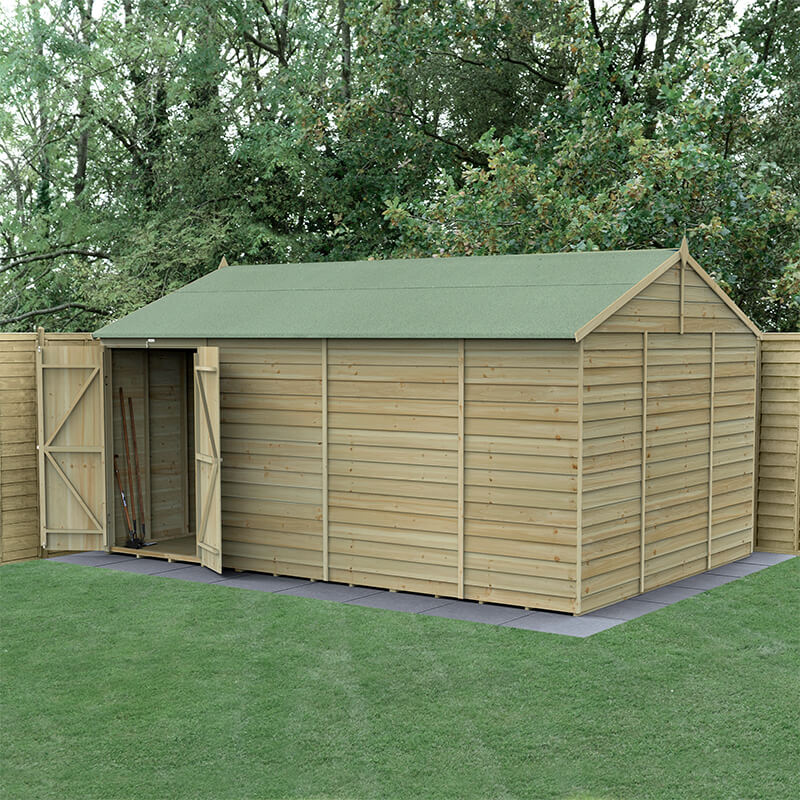
Now that you understand the key considerations for choosing the best 8×10 wooden shed, you’re ready to explore your options. Whether you prefer apex or pent roof styles, pressure treated or dip treated timber, there’s an 8×10 shed perfect for your garden and budget. For even more storage options, you might also consider 10×8 wooden sheds or explore our large wooden sheds collection. Browse our full range of wooden garden sheds to find the perfect 8×10 model for your needs.
