

Choosing a metal shed is just the first step — you’ll also need to decide whether to buy one with a base included or sort the foundation separately. Metal sheds with base packages can seem convenient, but they’re not always the best choice for every garden or budget.
The base is arguably the most crucial part of your shed installation. Get it wrong, and you’ll face problems with damp, structural stability, and potentially voided warranties. Whether you opt for a metal shed with base included or prepare your own concrete foundation, understanding your options will help you make the right decision for your garden in 2026.
This guide covers everything you need to know about metal shed bases, from the different types available to costs and installation requirements. We’ll help you work out whether those base-included packages offer good value or if you’re better off going DIY.
Do Metal Sheds Need a Base?
Yes, every metal shed needs a proper base — it’s not optional. Unlike wooden sheds that might get away with sitting on a few concrete blocks temporarily, metal sheds require a solid, level foundation from day one.
Most metal shed warranties are void if you don’t install the shed on an appropriate base. The base serves several critical functions: it keeps your shed level and stable, prevents water ingress from below, provides adequate drainage, and stops the metal floor from corroding through ground contact.
For comprehensive guidance on metal shed requirements, check out our complete metal sheds guide which covers all the essentials before you buy.
Without a proper base, you’ll likely face warped doors that won’t close, water pooling inside during heavy rain, and premature rusting of the shed’s metal components. The small investment in a good base will save you considerably more in repairs or replacement costs later.
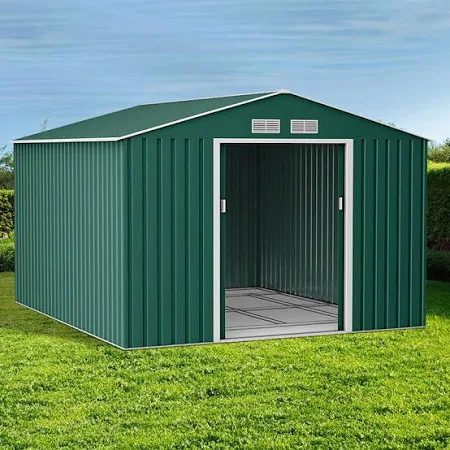
Types of Base for a Metal Shed
You have three main options when it comes to metal shed bases, each with distinct advantages and price points.
Concrete bases are the gold standard. They’re permanent, completely level, and provide excellent drainage when installed with a slight slope. Concrete bases last decades and can handle the heaviest loads, making them ideal for larger metal sheds or workshops.
Paving slab bases offer a middle ground between permanence and flexibility. They’re easier to install than concrete, can be adjusted if needed, and cost less upfront. However, they require more preparation to ensure proper levelling and may shift slightly over time.
Metal base kits are the newest option, often sold alongside the shed itself. These galvanised steel frames sit on level ground and provide an instant foundation. They’re quick to install and can be moved if needed, but they’re not suitable for uneven ground and may not be as durable as masonry options.
Metal Sheds Sold With Base Included — Worth It?
Many retailers offer metal sheds with base kits included, typically adding £100-300 to the total price. These packages can be convenient, but they’re not automatically the best value.
The included bases are usually metal frame systems that work well on level ground. They’re designed to be DIY-friendly and can typically be installed in a few hours. Brands like Yardmaster and Trimetals often include quality base kits that integrate well with their shed designs.
However, these kits only work if your chosen location is already fairly level and well-drained. If your garden slopes or has drainage issues, you’ll still need to prepare the ground properly, which might involve as much work as laying a concrete base anyway.
The convenience factor is significant though. Having everything delivered together with matching components and unified instructions can be worth the premium, especially for less experienced DIYers.
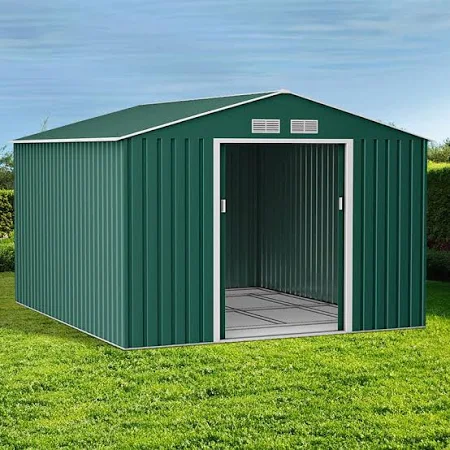
Concrete Base vs Paving Slabs vs Metal Base Kit
Each base type suits different situations and budgets, so here’s how they stack up in practice.
Concrete bases cost £200-500 depending on shed size, require several days including curing time, and need some building skills or professional help. They’re permanent, handle any weather, and add value to your property. Choose concrete for large sheds, sloping sites, or permanent installations.
Paving slabs cost £150-400, can be completed in a weekend, and are achievable for most DIYers. They offer good longevity, can be adjusted later, and are less permanent than concrete. They’re ideal for medium-sized sheds on reasonably level ground where you might want flexibility later.
Metal base kits cost £100-250, install in hours, and require minimal tools. They’re completely portable and work well with matching shed systems. However, they only suit level ground, may not last as long as masonry options, and aren’t suitable for heavy-duty use.
If you’re considering metal sheds that include flooring, our guide to metal sheds with floor options explains how different floor systems work with various base types.
How to Prepare a Base for a Metal Shed
Proper preparation is crucial regardless of which base type you choose. Start by checking for underground utilities — call your local authority if you’re unsure about cable or pipe locations.
Mark out an area 10-15cm larger than your shed footprint on all sides. This overhang prevents water from running off the roof straight onto the base edges. Remove all vegetation, topsoil, and organic matter down to firm subsoil, typically 15-20cm deep.
For concrete bases, lay and compact a hardcore sub-base, install timber shuttering, and pour concrete to a thickness of at least 10cm. Include a damp-proof membrane and ensure a slight fall away from the shed for drainage.
Paving slab bases need a similar hardcore foundation, topped with a sand and cement mortar bed. Each slab must be individually levelled and checked with a spirit level. Leave small gaps between slabs and point with mortar once everything’s set.
Metal base kits require the most level surface to start with. Remove high spots and fill low areas with sand or hardcore, then compact thoroughly. The frame will highlight any remaining irregularities, so take time to get this right.
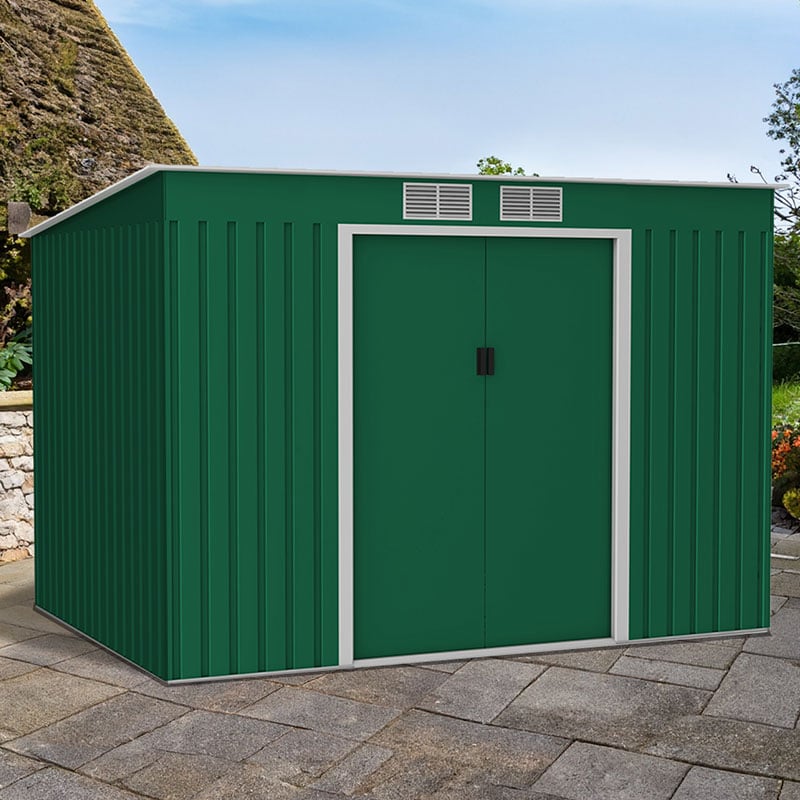
How Much Does a Metal Shed Base Cost?
Base costs vary significantly depending on your chosen method and whether you’re doing the work yourself or hiring professionals.
DIY costs: Metal base kits run £100-250, paving slabs cost £150-400 including materials, and concrete bases cost £200-500 for materials. These prices assume you’re doing all the labour yourself and have basic tools available.
Professional installation typically doubles the cost. Expect to pay £300-600 for a professionally laid slab base and £400-800 for a concrete base, depending on your location and site conditions.
Hidden costs can include ground preparation if you hit rock or clay, drainage improvements for wet sites, and tool hire if you don’t own a concrete mixer or plate compactor. Budget an extra 20-30% for unexpected issues.
The cheapest option upfront isn’t always the best value long-term. A well-installed concrete base will outlast several metal base kits, and a proper foundation protects your shed investment for decades.
For more insights on choosing the right metal shed for your budget, see our review of the best metal sheds available in the UK.
Frequently Asked Questions
Can I put a metal shed directly on grass?
No, you should never place a metal shed directly on grass or soil. This will void your warranty, cause damp problems, and lead to premature rusting. Even temporary installations need a proper base.
How thick should a concrete base be for a metal shed?
A minimum of 10cm thick concrete base is recommended for most garden metal sheds. Larger sheds or those intended for heavy storage may benefit from 15cm thickness. Always include a hardcore sub-base and damp-proof membrane.
Do metal base kits work on sloping ground?
Metal base kits require level ground to work properly — they can’t compensate for slopes like concrete can. If your site slopes more than a few centimetres, you’ll need to level it first or choose a concrete base instead.
How long does a shed base take to install?
Metal base kits can be installed in 2-4 hours, paving slab bases typically take a weekend, and concrete bases need 2-3 days including curing time. Weather conditions and ground preparation requirements can extend these timeframes.
Ready to Buy a Metal Shed?
Now you understand the importance of proper bases and your available options, you’re ready to choose the right metal shed for your garden. Whether you opt for a shed with base included or plan to install your own foundation, having the right information helps ensure a successful installation.
Browse our full range of metal garden sheds to find the perfect option for your needs and budget. Our metal sheds come from trusted brands like Asgard, Yardmaster, and Trimetals, with options to suit every garden and requirement.
