
The Complete Guide to Garden Sheds: Types, Materials, and Choosing the Right One
Every garden tells a story of tools left scattered after unpredictable weather, bikes taking up precious garage space, and seasonal decorations cluttering indoor storage areas. Garden sheds offer the perfect solution for homeowners seeking to create a dedicated space for their belongings while enhancing their outdoor space.
A quality garden shed transforms chaotic storage challenges into organized, accessible systems. Whether you’re looking to store gardening equipment, create a workshop, or free up indoor space, understanding the extensive range of options available, including sheds in various shapes to suit different needs and spaces, will help you make an informed decision that serves your family for decades.
This comprehensive guide covers everything you need to learn about garden sheds, from materials and styles to sizing and specialized applications, ensuring you have all the information necessary to choose the ideal storage solution for your garden. Customers consistently appreciate the tailored options and positive experiences of selecting the right shed. Shows offer great value for money, regardless of your budget or garden size. Plus, sheds are often available for sale during special promotions or events, making it even easier to find the perfect fit.
Introduction to Garden Sheds
Garden sheds have become essential in gardens across the country, offering homeowners a dedicated space to store garden tools, gardening equipment, and various outdoor belongings. Whether you want to keep your outdoor space tidy or need a secure place to store bikes, tools, and seasonal items, a garden shed is the perfect solution. With a huge range of garden sheds available on the market—including traditional wooden, durable metal, and low-maintenance plastic sheds—there’s a comprehensive range to suit every garden, style, and budget.
Choosing the right garden shed means considering not only the size—ranging from smaller sheds for limited spaces to larger sheds for families with extensive storage needs—but also the features that make access and organization easy. Many modern garden sheds have double doors, allowing you to easily move bulky equipment and bikes in and out. Roof styles such as the classic apex roof or sleek pent roof offer both practical benefits and the opportunity to match your shed to the overall style of your garden. For those who value aesthetics as much as function, there are plenty of modern styles and traditional designs, with options for windows to let in natural light and create a welcoming atmosphere.
A garden shed is more than just a storage solution—it’s a versatile building that can be transformed into a workshop, a potting shed, or even a home office. With a bit of creativity, your shed can become a dedicated space for hobbies, family projects, or simply a quiet retreat. The extensive range of sheds on the market ensures that every customer can find a style and size to suit their needs, whether they’re looking for a compact storage shed or a large shed with room for all their gardening equipment and tools.
Durability and longevity are key when investing in a garden shed. High-quality materials and construction protect your belongings from unpredictable weather and fungal decay, ensuring your shed remains a reliable and secure part of your outdoor space for years. Many sheds are designed with low maintenance, offering long-lasting value and peace of mind for busy families.
With free delivery available on many models, creating a secure, organized, and attractive space in your garden has never been easier. No matter your budget or the size of your garden, there’s a garden shed to match your requirements—providing essential storage, enhancing your outdoor space, and adding value to your home. Discover the perfect solution for your storage and workspace needs with today’s extensive range of garden sheds.
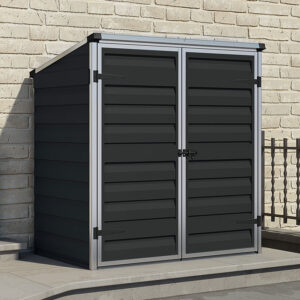
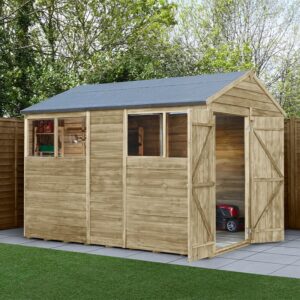
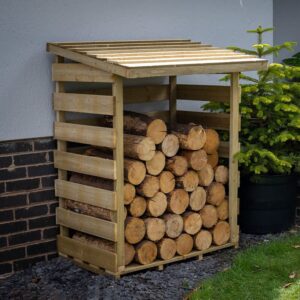
Garden Shed Materials: Wood, Metal, and Plastic Options
The choice of materials fundamentally determines your shed’s durability, maintenance requirements, and aesthetic appeal. Each material offers distinct advantages that suit different budgets, climates, and personal preferences.
Wooden Garden Sheds
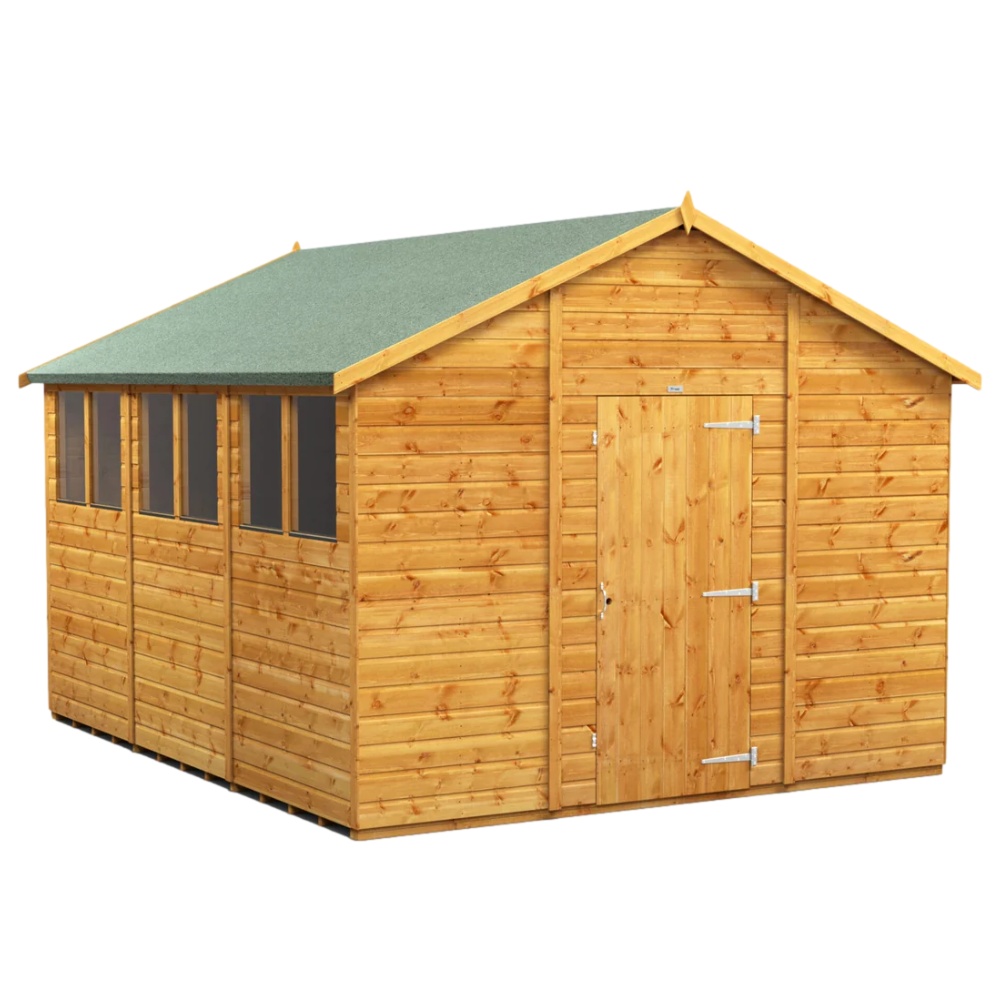
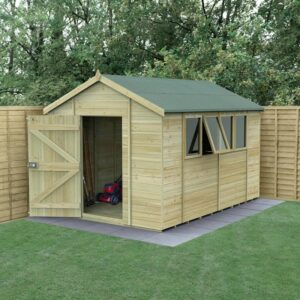
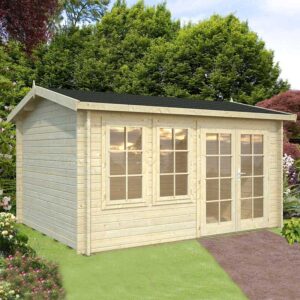
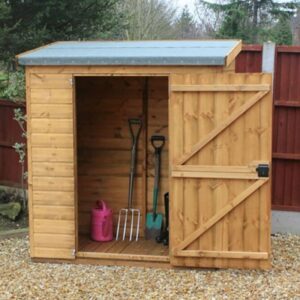
Traditional timber construction remains the most popular choice for residential gardens, offering unmatched customization potential and natural beauty. Quality wooden garden sheds utilize pressure-treated timber that resists fungal decay, insect damage, and moisture penetration for extended periods.
Pressure treatment involves infusing preservatives deep into the wood structure, typically providing 10-year guarantees against rot and structural deterioration. This process creates long-lasting protection while maintaining the wood’s natural appearance and workability.
Construction methods vary significantly within timber options. Tongue-and-groove cladding provides superior weather resistance and strength compared to overlap boarding, creating tight seals that prevent water ingress. Shiplap cladding offers a middle ground, combining an attractive appearance with solid protection at moderate prices.
The main advantage of wooden sheds lies in their versatility. Unlike metal or plastic alternatives, timber accepts paint, stain, and other finishes, allowing homeowners to create custom appearances that complement their garden’s style. This adaptability makes wood an excellent choice for those who value aesthetic control.
Maintenance requirements represent the primary consideration with wooden sheds. Quality timber needs treatment every 2-3 years to maintain its protective properties and appearance. However, when performed consistently, this regular care ensures decades of reliable service.
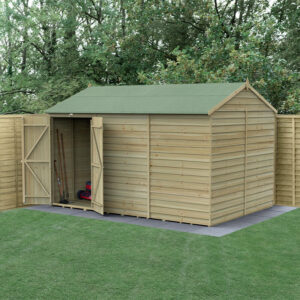
Metal Sheds
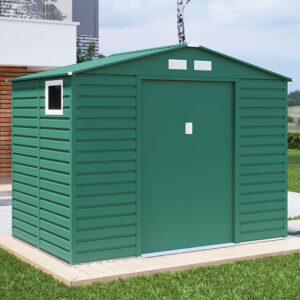
Galvanized steel construction delivers exceptional durability and security for homeowners prioritizing low maintenance and protection. Modern metal sheds resist rust, fire, and pest damage while requiring minimal ongoing care throughout their lifespan.
The manufacturing process creates structures that withstand extreme weather conditions without warping, splitting, or deteriorating. This resilience makes metal sheds ideal for areas with harsh climates or where maximum security is essential for valuable equipment storage.
Installation typically proves faster and more straightforward than wooden alternatives, with pre-fabricated panels that assemble using standard tools. Modern metal construction’s lightweight nature simplifies transportation and positioning, though a solid base remains essential for stability.
Metal shed designs excel in security features, with reinforced door frames, integrated locking points, and tamper-resistant construction that deters unauthorized access. For homeowners concerned about tool theft or vandalism, metal sheds provide superior protection compared to other materials.
The primary limitation involves condensation management. Metal surfaces can create moisture buildup in certain conditions, potentially affecting stored items. Proper ventilation and moisture control measures address this issue effectively in most installations.
Plastic Sheds
Resin and PVC construction offers maintenance-free operation for homeowners seeking convenience above all other factors. These materials resist UV damage, moisture, and chemical exposure while maintaining their appearance without treatment or painting.
Assembly typically requires no special tools or expertise, and snap-together designs allow most homeowners to complete the project in a few hours. The lightweight panels simplify handling while still providing adequate strength for typical storage applications.
Excellent weather resistance is provided by integrated seals and waterproof construction that prevent leaks and drafts. Unlike wooden alternatives, plastic sheds maintain consistent performance regardless of humidity or temperature fluctuations.
The trade-off involves reduced customization options and potentially lower security than metal or wooden alternatives. While adequate for basic storage needs, plastic construction may not suit applications requiring heavy-duty use or maximum protection.
Cost considerations often favor plastic sheds for budget-conscious buyers, particularly when factoring in the absence of ongoing maintenance expenses. This makes them attractive for families seeking functional storage without long-term care commitments.

Shed Roof Styles and Their Benefits
Roof design significantly impacts functionality and appearance, with different styles offering specific advantages for various applications and garden layouts.
Apex Roofs
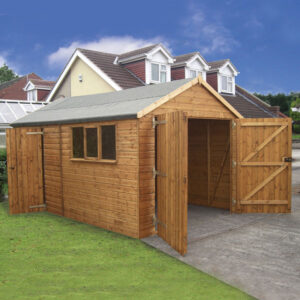
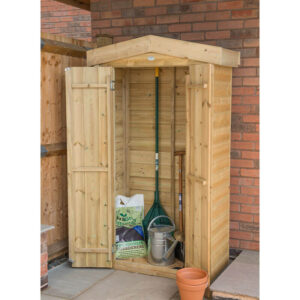
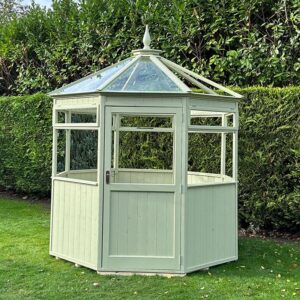
The traditional peaked design maximizes internal headroom while providing excellent weather protection through efficient water runoff. This style creates the most versatile internal space, allowing users to store tall items and move comfortably throughout the building.
Apex roofs prove superior for water management, as the central peak effectively directs rainfall away from the structure. This design minimizes the risk of pooling or accumulation that could compromise the roof’s integrity over time.
The extra space created by the peaked design benefits storage capacity, particularly in the upper areas where seasonal items can be stored on shelving or hanging systems. This vertical space utilization is valuable for smaller gardens with limited ground space.
The traditional appearance complements most garden styles, from cottage gardens to contemporary landscapes. This versatility makes apex roofs reliable when shed aesthetics must coordinate with existing structures or landscape themes.
Pent Roofs
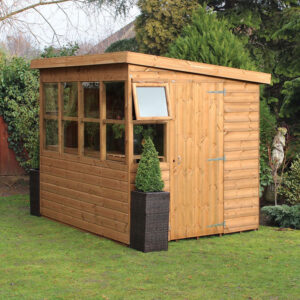
Single-slope designs offer modern aesthetics and space efficiency, particularly valuable when positioning sheds against walls or fences. The streamlined profile reduces visual impact in smaller gardens while maintaining adequate internal space for most storage needs.
Installation complexity decreases compared to apex alternatives, with fewer components and simpler assembly requirements. This can reduce both DIY assembly time and professional installation costs for budget-conscious buyers.
The contemporary appearance suits modern garden designs and architectural styles, creating clean lines that complement minimalist landscaping approaches. For homeowners seeking updated aesthetics, pent roofs provide a fresh alternative to traditional peaked designs.
Height restrictions in planning permission scenarios often favor pent roofs, as the lower profile may help comply with local regulations more easily than taller apex alternatives.

Choosing the Right Shed Size for Your Needs
Proper sizing ensures your investment provides adequate storage while fitting appropriately within your garden’s available space and planning constraints.
Small Sheds (6×4 to 6×6 feet)
Compact dimensions suit basic tool storage and limited garden spaces, providing essential protection for hand tools, small equipment, and seasonal items. These sizes work well for urban gardens or as supplementary storage alongside existing buildings.
The reduced footprint minimizes garden impact while still offering meaningful storage capacity. A 6×4 shed typically accommodates basic gardening equipment, hand tools, and small outdoor items without overwhelming the landscape. To maximize space in small sheds, use hooks or fixtures to hang tools and other items, creating efficient storage solutions.
Planning permission requirements rarely apply to these smaller structures, simplifying the installation process and reducing potential regulatory complications. This makes them attractive for homeowners seeking straightforward storage solutions.
Budget considerations often favor smaller sheds, both in initial purchase price and ongoing maintenance costs. Compact models provide excellent value for families with limited storage needs without unnecessary expense.
Medium Sheds (8×6 to 10×8 feet)
Mid-range sizing accommodates lawnmowers, bikes, and workspace requirements while maintaining reasonable garden proportions. These dimensions suit most suburban gardens and provide enough space for organized storage with room for movement.
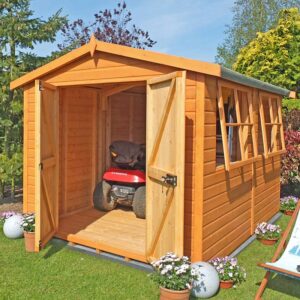
Lawnmower storage becomes practical with medium-sized sheds, particularly with double doors that simplify equipment access. The additional width allows for shelving systems and tool organization that maximize storage efficiency.
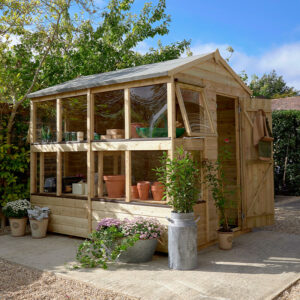
Workshop potential emerges with medium sheds, providing enough space for basic DIY projects, potting activities, or hobby pursuits. This versatility makes them popular choices for active homeowners seeking multi-purpose buildings.
The balance between space and cost makes medium sheds the most popular choice for suburban homeowners. They provide substantial storage capacity without the expense or space requirements of larger structures.
Large Sheds (12×8 to 16×10 feet)
Spacious dimensions enable workshop conversions, extensive storage, and multiple activity zones within a single building. These sizes suit larger gardens and homeowners with significant storage or workspace requirements.
Workshop conversions become highly practical with large shed dimensions, allowing for workbenches, tool storage, and equipment positioning that supports serious DIY activities or hobbies. The additional space permits electrical installation for lighting and power tools.
Multiple storage zones can be created within larger sheds, separating garden tools from workshop equipment or creating dedicated areas for different activities. This organization capability proves valuable for busy households with diverse storage needs.
Planning permission considerations become more relevant with larger structures, particularly regarding height restrictions and garden coverage percentages. However, the additional functionality often justifies the regulatory complexity for suitable applications.
Specialized Shed Types for Specific Uses
Beyond general storage, specialized shed designs address specific homeowner needs with tailored features and optimized layouts.
Workshop Sheds
Purpose-built workshop designs incorporate reinforced flooring, enhanced lighting, and electrical preparation for serious DIY enthusiasts. These buildings transform storage spaces into productive work environments that support hobby activities and home maintenance projects.
Reinforced flooring systems support heavy machinery, workbenches, and concentrated loads that would damage standard shed floors. This structural enhancement enables the installation of professional-grade equipment without compromising building integrity.
Natural lighting through strategically positioned windows reduces dependency on artificial illumination while providing pleasant working conditions. Toughened glass and security features maintain protection while maximizing visibility for detailed work.
Electrical preparation includes conduit installation and connection points for lighting, power outlets, and ventilation systems. This infrastructure supports power tools, lighting, and workshop equipment without expensive retrofitting.
Corner Sheds
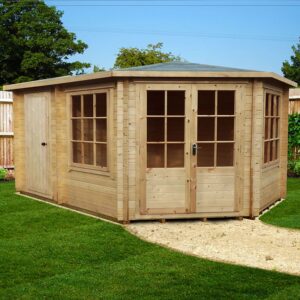
Space-efficient corner designs maximize storage in constrained garden areas, particularly valuable in urban environments where every square foot matters. These specialized buildings fit perfectly into garden corners that might otherwise remain underutilized.
The angled construction provides surprising storage capacity despite the compact footprint, efficiently using typically awkward corner spaces. This design proves especially valuable for narrow gardens or properties with irregular layouts.
Access design considers the corner positioning, often featuring side-mounted doors that maintain easy entry while optimizing internal space utilization. This thoughtful approach ensures practical functionality despite the specialized shape.
Modern styles in corner shed design create attractive features rather than afterthoughts, with contemporary lines and materials that enhance rather than compromise garden aesthetics.
Bike Storage Sheds
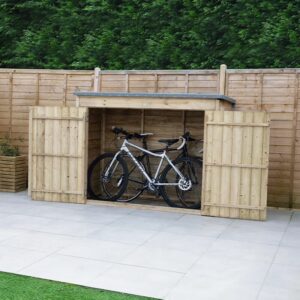
Secure bike storage addresses the growing need for weather protection and theft prevention for expensive bicycles. These specialized buildings provide organized storage that keeps bikes accessible while protecting them from damage and unauthorized access.
Internal organization systems include bike racks, hanging systems, and accessory storage that maximize capacity while maintaining easy access. These features ensure multiple bikes can be stored efficiently without damage or tangling.
Security features typically exceed standard shed specifications, with reinforced doors, advanced locking systems, and tamper-resistant construction. The investment in bike protection often proves economical compared to replacement costs.
Ventilation systems prevent condensation buildup that could cause rust or damage to stored bikes and equipment. Proper airflow management maintains optimal storage conditions year-round.
Essential Shed Features and Accessories
Quality construction details and thoughtful accessories significantly impact long-term satisfaction and functionality.
Foundation and Base Requirements
Solid base preparation ensures structural stability and prevents moisture damage that could compromise the building’s longevity. The foundation represents the most critical aspect of shed installation, affecting everything from door operation to structural integrity.
Pressure-treated timber bearers provide cost-effective foundation solutions for most applications. They elevate the structure above ground moisture while creating a stable platform. Proper spacing and leveling ensure even load distribution and prevent structural stress.
Concrete slabs offer superior durability and pest resistance, particularly valuable for workshop applications or areas with challenging soil conditions. While more expensive initially, concrete foundations provide decades of maintenance-free service.
Drainage considerations around the base prevent water accumulation that could affect the foundation and stored contents. Proper grading and drainage ensure moisture moves away from the structure effectively.
Security and Access Features
Modern locking systems provide multiple levels of security appropriate for different applications and risk levels. Quality hardware deters casual theft while maintaining convenient access for regular use.
Hasp and staple systems offer traditional security with padlock compatibility, allowing users to choose locks appropriate for their security needs. Internal beading on windows prevents glass from being removed from outside, maintaining security while providing natural light.
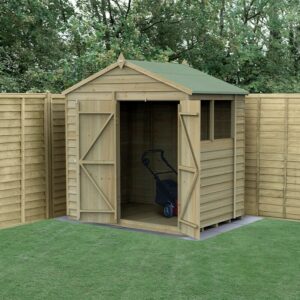
Double doors accommodate larger equipment and simplify access for frequent use items like lawnmowers or bikes. The wider opening reduces maneuvering challenges and prevents damage to both equipment and door frames.
Window placement balances natural lighting needs with security requirements, providing visibility for working while limiting opportunities for unauthorized viewing of stored contents.
Organization and Storage Systems
Internal organization maximizes storage efficiency and maintains easy access to frequently used items. Well-planned storage systems prevent clutter while ensuring tools and equipment remain easily accessible.
Shelving systems effectively utilize wall space, creating organized storage for smaller items while keeping floor space clear for larger equipment. Adjustable shelving adapts to changing storage needs over time.
Tool rails and hanging systems keep frequently used tools visible and accessible while protecting cutting edges and maintaining organization. These systems work particularly well for garden tools and hand equipment.
Workbench integration provides a dedicated workspace for maintenance, repairs, and project activities. Built-in or add-on workbenches transform storage sheds into functional workshops.
Installation and Maintenance Requirements
Proper installation and ongoing care ensure decades of reliable service while protecting your investment in quality garden buildings.
Roof maintenance includes annual felt inspection and replacement every 10-15 years, ensuring continued weather protection. When performing maintenance or repair work, be cautious to avoid tearing the felt, as this can lead to leaks and further damage.
Installation Considerations
Professional assembly services typically cost £200-£800, depending on size and complexity. They provide expert installation that ensures proper construction and warranty compliance. Many homeowners find this investment worthwhile for larger or more complex structures.
DIY assembly remains practical for most shed sizes with proper preparation and patience. Manufacturers design modern kits for homeowner installation, providing detailed instructions and pre-cut components that simplify construction.
Base preparation proves critical regardless of installation method. It requires level surfaces and proper drainage to prevent future problems. Time invested in foundation preparation pays dividends in structural stability and longevity.
The tools required for assembly typically include basic hand tools and simple power tools that most homeowners possess. Specialized tools rarely become necessary with properly designed kit systems.
Ongoing Maintenance
Regular maintenance schedules preserve appearance and structural integrity while preventing minor issues from becoming expensive problems. Proactive care extends service life significantly compared to neglect.
Wooden shed maintenance includes periodic treatment with quality preservatives, typically every 2-3 years, depending on exposure and climate conditions. This regular care maintains weather resistance and prevents rot or fungal decay.
Metal shed maintenance focuses on checking and maintaining protective coatings, cleaning drainage systems, and ensuring proper ventilation. The low maintenance requirements make metal sheds attractive for busy homeowners.
Roof maintenance includes annual felt inspection and replacement every 10-15 years, ensuring continued weather protection. Regular gutter cleaning prevents water damage and maintains proper drainage around the structure.
Planning Permission and Legal Considerations
Understanding regulatory requirements prevents costly mistakes and ensures local building codes and neighbor relations compliance.
Planning Permission Requirements
Buildings under 2.5 meters in height typically qualify for permitted development rights, avoiding formal planning permission requirements in most areas. However, local regulations vary, making consultation with planning authorities advisable for larger structures.
Garden coverage limitations restrict sheds to covering no more than 50% of garden area under standard permitted development rights. This limitation affects sizing decisions for smaller properties but rarely impacts typical residential applications.
Boundary distance requirements vary by local authority but generally require structures to maintain specific distances from property lines. These restrictions affect positioning and may influence size or design choices.
Listed buildings and conservation areas often impose additional restrictions that supersede normal permitted development rights. Properties in these areas require careful consultation with planning authorities before installation.
Neighbor Relations
Consultation with neighbors demonstrates consideration and often prevents disputes before they develop. While not legally required for most shed installations, neighbor communication builds positive relationships and may reveal potential concerns early.
Height and positioning considerations that respect neighbor privacy and access create harmonious installations that benefit everyone involved. Thoughtful placement prevents shading issues and maintains sight lines.
Boundary disputes can arise from installations that encroach on property lines or create access issues. Professional surveying may prove worthwhile for installations near boundaries or in areas with unclear property lines.
Frequently Asked Questions
How long do garden sheds last? Quality wooden sheds with pressure treatment last 15-25 years, metal sheds 20-30 years, and plastic sheds 10-15 years with proper maintenance. The longevity depends on material quality, climate conditions, and care provided.
Do I need planning permission for a garden shed? Most sheds under 2.5m height and covering less than 50% of the garden area don’t require planning permission, but check local regulations. Listed buildings and conservation areas have additional restrictions that may apply.
What’s the best base for a garden shed? Concrete slabs provide the most durable base, while pressure-treated timber bearers offer a cost-effective alternative for smaller sheds. The choice depends on shed size, intended use, and budget considerations.
Can I use my shed as a home office? Yes, with proper insulation, electrical installation, and planning permission if required. Insulated garden rooms are specifically designed for year-round use and office applications.
How much does a shed installation cost? Professional installation typically costs £200-£800, depending on shed size and complexity, while DIY assembly is included with most shed purchases. Additional costs may consist of base preparation and electrical work.
What security features should I look for? Quality pad bolts, reinforced door frames, internal window beading, and anchor points for additional security locks provide optimal protection. When choosing features, consider your specific security needs and local crime levels.
Garden sheds are among the most practical investments homeowners can make in outdoor space organization and equipment protection. Whether you choose traditional wooden construction, durable metal buildings, or low-maintenance plastic options, a quality shed provides decades of reliable service while enhancing your property’s functionality and value.
The key to satisfaction is matching shed specifications to your needs, from basic tool storage to comprehensive workshop facilities. By carefully considering materials, sizing, features, and installation requirements, you’ll create a storage solution that serves your family’s needs for years while maintaining the beauty and organization of your garden space.
