
The Guide to Outside Storage Solutions: Best Options for Every Garden
Key Takeaways
- Outdoor storage boxes are made of three main materials: plastic (resin), wood, and metal. Each offers different benefits for weather resistance and durability.
- Size selection should be based on your specific storage needs, from compact 113L boxes for cushions to large 570L garden tools and equipment units.
- Modern outdoor storage boxes often feature dual functionality, serving as storage and seating for up to two adults.
- Lockable designs with weatherproof seals provide security and protection against moisture, UV rays, and outdoor elements.
- Maintenance requirements vary by material, with plastic resin boxes virtually maintenance-free while wooden options need occasional treatment.
The correct outdoor storage box solution transforms your outdoor space from cluttered chaos to an organized paradise. Whether you’re dealing with scattered garden tools, soggy cushions after unexpected rain, or kids’ toys taking over your patio, a quality outdoor storage box can revolutionize how you manage your outdoor belongings.
The outdoor storage market has evolved dramatically, offering sophisticated weather-resistant materials and innovative designs that go far beyond simple garden storage boxes. Today’s outdoor storage boxes serve multiple purposes—protecting your garden essentials from the elements while providing additional seating, enhancing your outdoor space aesthetics, and even offering lockable security for valuable equipment.
This comprehensive guide’ll explore everything you need to know about selecting, installing, and maximizing outdoor storage solutions. From understanding the differences between resin, Wood, and metal construction to choosing the perfect size for your specific needs, you’ll discover how to create a clutter-free outdoor environment that’s both functional and attractive. Garden cupboards with shelves are another compact option, efficiently storing longer tools while organizing your outdoor space.

Types of Outdoor Storage Boxes by Material
Plastic/Resin Garden Storage Boxes: The Modern Standard
Plastic garden storage boxes, particularly those made from high-quality resin, are the most popular choice among homeowners today. These weather-resistant materials offer exceptional durability while requiring virtually no maintenance. Modern resin construction can withstand UV rays without fading, resist temperatures from freezing to extreme heat, and provide waterproof protection for your belongings. Additionally, garden storage boxes are available in multiple colors to suit different aesthetic preferences, allowing you to match them seamlessly with your outdoor decor.
The benefits of plastic garden storage box options include lightweight construction for easy repositioning, resistance to rust and corrosion, and the ability to mimic natural materials like Wood or wicker. Premium resin boxes often feature double-wall construction for added strength and can support significant weight when used as additional seating.
Price ranges for plastic storage boxes typically start around £75 for compact models and can reach £200+ for large, feature-rich units. The investment pays off through longevity – quality resin boxes can last 10-20 years with minimal care.
Wooden Storage Boxes: Classic Appeal with Natural Beauty
Wood storage boxes bring timeless elegance to any garden setting. Pressure-treated timber options resist moisture and pest damage while maintaining the natural beauty that complements traditional garden styles. Cedar and teak varieties offer natural weather resistance, while treated pine provides an affordable option for budget-conscious buyers. Additionally, wooden garden storage boxes provide a natural feel and are ideal for outdoor toys, blending functionality with aesthetic appeal.
However, wooden boxes require more attention than their plastic counterparts. Annual treatment with weatherproof stains or sealants helps maintain protection against moisture and UV damage. Proper maintenance can extend the life of wood storage to 10-15 years, making it a worthwhile investment for those who prioritize aesthetics. Wooden garden storage boxes made from pressure-treated timber are exceptionally durable, offering years of reliable use with proper care.
Consider wooden options when your outdoor space features natural materials or for storage that blends seamlessly with garden fencing or decking. Wood’s natural insulation properties also help protect sensitive items from temperature fluctuations. Wooden garden storage boxes can provide a natural feel and are ideal for storing cushions and toys, making them a versatile choice for family-friendly outdoor spaces.
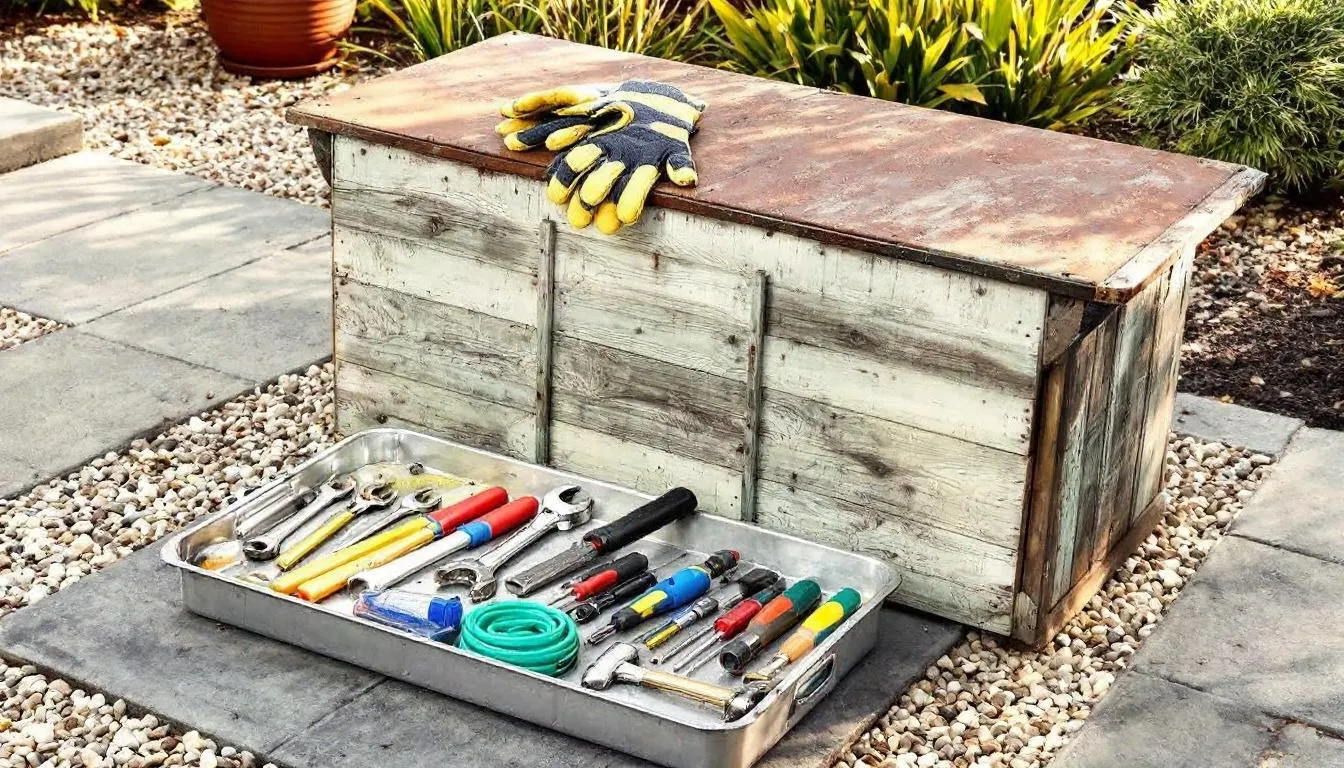
Metal Storage Boxes: Heavy-Duty Protection
Galvanized steel and aluminum construction offer the highest security and durability for storing valuable garden tools, bikes, or equipment. Metal boxes excel in high-wind areas and provide superior protection against theft attempts. Many feature reinforced locking mechanisms and tamper-resistant designs. Metal garden storage solutions are weather-resistant, with galvanized steel ensuring long-lasting performance even in challenging outdoor conditions.
The trade-offs include higher weight, potential for rust if protective coatings are damaged, and the need for occasional maintenance to prevent corrosion. However, properly maintained metal storage can last 15+ years and provide unmatched security for expensive gardening tools or outdoor equipment.
Size and Capacity Options
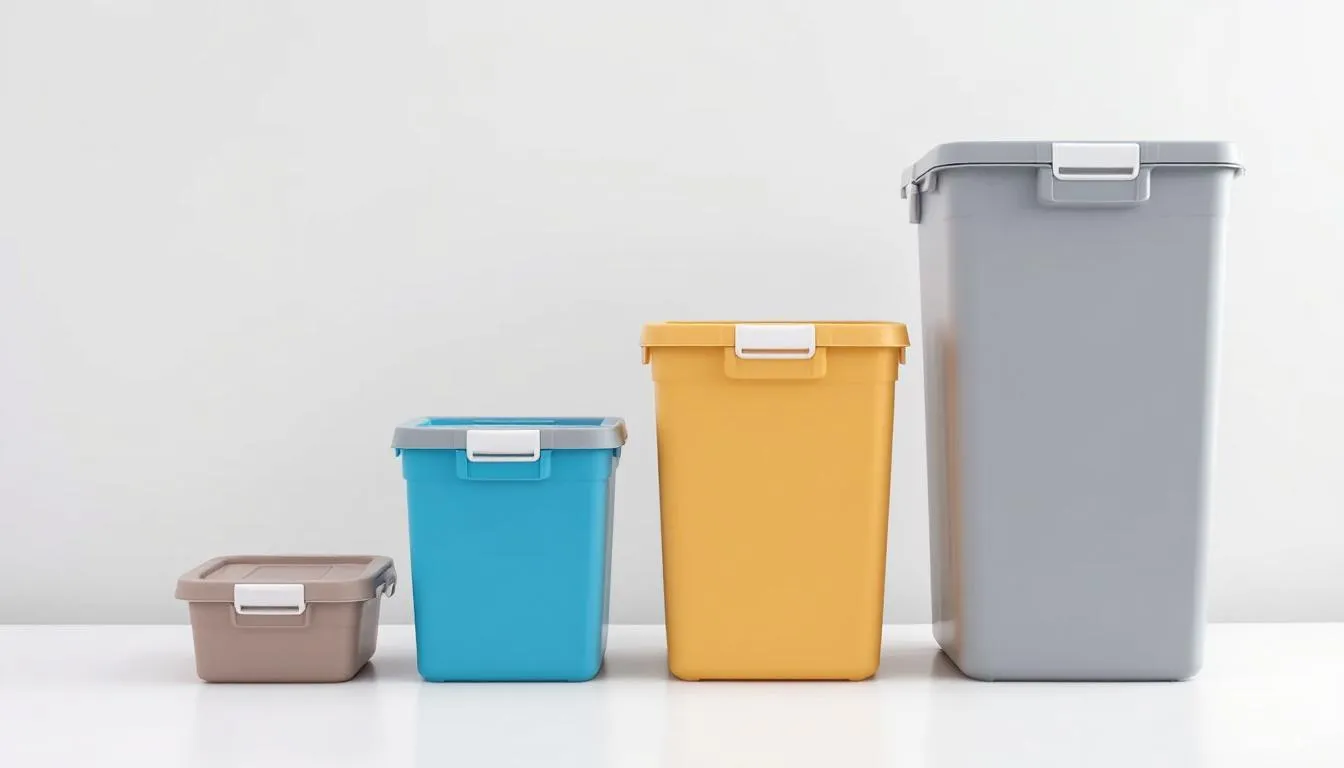
Selecting the right size outdoor storage box requires careful consideration of what you plan to store and your available space. Modern outdoor storage options range from compact 100L units perfect for pool accessories to massive 600L+ solutions that can house lawn mower parts and seasonal decorations. Checking the dimensions of each storage box is essential to ensure it fits your available space and meets your storage requirements.
Small Capacity Boxes (100-200L): Compact Organization
Small outdoor storage boxes excel at organizing specific categories of items. A 113L box, like popular Keter models, provides perfect storage for patio cushions, protecting them from moisture while keeping them easily accessible. These compact units also store garden accessories like hand tools, plant labels, and small watering equipment.
The convenience of small boxes lies in their portability and specific-use design. You can position them strategically around your outdoor space – near seating areas for cushion storage, by the pool for toys and accessories, or close to your favorite garden bed for frequently used tools.
Medium Capacity Boxes (200-400L): Versatile Storage Solutions
Medium-sized storage boxes offer the sweet spot between capacity and manageability. These units can accommodate outdoor toys for children, sports equipment like footballs and garden games, plus seasonal items that need protection during harsh weather.
A 300L box provides sufficient space for storing larger garden tools while maintaining a footprint that fits comfortably on most patios or decks. Many medium boxes also feature sturdy construction that supports adult seating, making them ideal for spaces where every element needs to serve multiple purposes.
Large Capacity Boxes (400L+): Maximum Storage Power
Large outdoor storage boxes, such as 570L models, transform how you manage bulky outdoor equipment. These substantial units can house everything from lawn mower accessories to winter garden furniture, keeping your outdoor space tidy throughout the seasons.
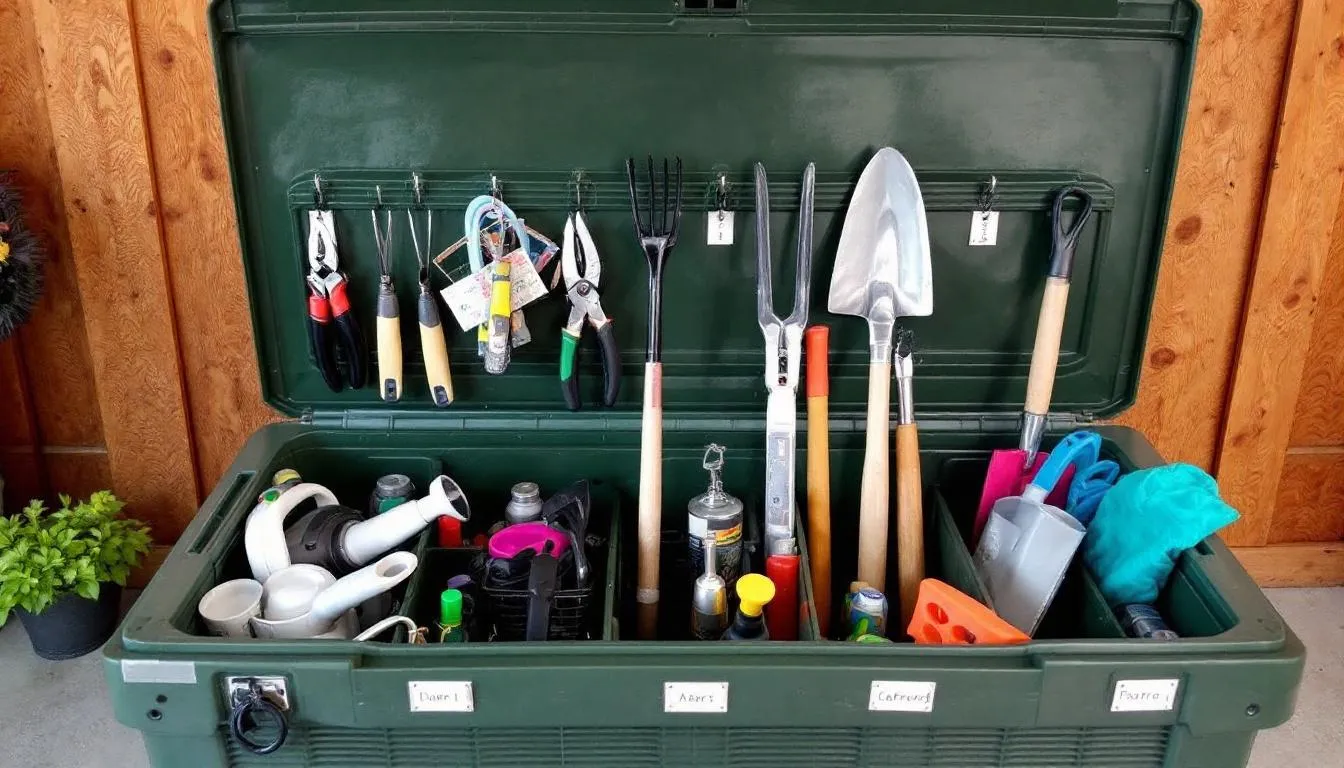
The generous capacity allows for organized storage of multiple item categories. Use baskets or dividers to create sections within large boxes to separate garden tools from outdoor entertainment items. This organization system makes finding specific items quick and maintains the neat appearance of your stored belongings.
Essential Features to Consider
Lockable Security Systems
Modern outdoor storage boxes increasingly feature lockable mechanisms that provide security without sacrificing convenience. Stainless steel hardware resists corrosion from weather exposure while providing reliable theft deterrence. For the best security and weather protection, look for boxes with integrated locking systems rather than aftermarket padlock solutions.
The lockable lid feature becomes particularly valuable for storing expensive garden tools, lawn care equipment, or items that could pose safety risks if accessed by children. Many premium models include multiple locking points for enhanced security.
Weatherproof Sealing Technology
Effective weatherproofing goes beyond basic water resistance. Advanced outdoor storage boxes feature overlapping lid designs, rubber gaskets, and drainage systems that prevent moisture buildup while allowing air circulation to prevent condensation. This technology protects contents from rain, snow, and humidity-related damage.
UV protection represents another crucial weatherproofing element. Quality boxes incorporate UV-resistant additives into their construction materials, preventing fading, cracking, and degradation from sun exposure. This protection maintains both the appearance and structural integrity of your storage solution.
Hydraulic Lid Operation
Smooth lid operation significantly enhances the user experience. Hydraulic or gas-strut-assisted opening prevents lids from slamming shut and makes accessing stored items safe and convenient. This feature proves especially valuable for larger boxes where lid weight could pose safety concerns.
The mechanism also helps protect the hinged lid from damage during windy conditions by providing controlled opening and closing action. Quality hydraulic systems can support lid operation for many years without requiring adjustment or replacement.
Weight-Bearing Capacity for Dual Use
Many modern storage boxes double as outdoor seating, comfortably supporting two or more adults. This dual functionality maximizes the value of your outdoor space investment while providing practical storage. Look for boxes rated to support 150kg or more if you Plan to use them for seating. Keter outdoor storage boxes, for example, can provide additional seating for two at no extra cost, combining convenience with affordability.
The seating function works particularly well for smaller outdoor spaces where every piece of furniture must serve multiple purposes. Consider cushioning options that complement your outdoor decor while providing comfortable seating on the sturdy storage box surface.

Installation and Placement Guidelines
Ground Preparation and Foundation Requirements
Proper placement begins with selecting a level, well-drained location for your outdoor storage box. While most plastic and resin boxes can sit directly on patios, decks, or level ground, ensuring adequate drainage prevents water accumulation around the base. This preparation protects both the box and its contents from moisture-related issues.
For larger boxes or those in exposed locations, consider creating a simple gravel or paving slab foundation. This elevates the storage box slightly above ground level, improving drainage and extending the unit’s life. Wooden boxes benefit from raised placement to prevent ground moisture from affecting the timber.
Accessibility and Safety Considerations
Position your storage box with sufficient clearance for safe opening and access. Allow at least 1.5 meters of clear space in front of the box for comfortable loading and unloading of stored items. Consider the weight of items you’ll be storing and ensure the path to the storage location can accommodate moving heavy garden tools or equipment.
Safety clearances become particularly important for boxes with hinged lids. Ensure overhead clearance allows full lid opening without obstruction from tree branches, pergolas, or other structures. This planning prevents damage to both the storage box and surrounding elements.
Integration with Garden Design
Strategic placement enhances both functionality and aesthetics. Position storage boxes to complement your garden’s sight lines while maintaining easy access to frequently used items. Many homeowners successfully integrate storage boxes into seating areas, creating functional outdoor living spaces.
Consider how the storage box will look throughout the seasons. A location that works well in summer when surrounded by lush plants might become too prominent in winter when vegetation dies back. Planning for year-round appeal ensures your storage solution enhances rather than detracts from your outdoor space.
Maintenance and Care Instructions
Plastic Storage Box Care: Simple and Effective
Maintaining plastic garden storage boxes requires minimal effort while delivering maximum protection for your stored items. Regular cleaning with mild soap and water removes dirt and prevents staining. A soft brush helps clean textured surfaces without scratching the finish.
For stubborn stains or mildew, a solution of bleach and water (1:10 ratio) effectively cleans without damaging the material. Rinse thoroughly after cleaning and allow complete drying before closing the lid. This simple maintenance routine keeps plastic boxes looking new for years.
Inspect seals and hinges annually, lubricating moving parts with appropriate weather-resistant lubricants. Check that drainage holes remain clear to prevent water accumulation during heavy rains.
Wooden Box Maintenance: Preserving Natural Beauty
Wood storage boxes require more attention but reward proper care with lasting beauty and protection. Annual inspection should focus on checking for signs of moisture damage, insect activity, or finish degradation. Address any issues promptly to prevent more extensive damage.
Apply weatherproof stain or sealant annually or biannually, depending on your climate and the box’s exposure to elements. Sand lightly before applying new finishes to ensure proper adhesion. Quality marine-grade finishes provide the best protection against moisture and UV damage.
Pay special attention to joints and corners where moisture can penetrate. Seal gaps that develop over time and ensure hardware remains tight and functional.
Metal Storage Maintenance: Preventing Corrosion
Metal boxes require periodic inspection for signs of rust or coating damage. Address any scratches or chips in protective coatings immediately to prevent corrosion from spreading. Touch-up paints designed for outdoor use provide adequate protection for minor damage.
Clean metal surfaces regularly to remove salt, dirt, and organic matter that can promote corrosion. Use appropriate metal cleaners and avoid abrasive materials that could damage protective coatings. Lubricate hinges and locking mechanisms with marine-grade lubricants to ensure smooth operation.
Popular Brands and Models
Keter: Innovation in Resin Storage
Keter leads the outdoor storage market with innovative resin designs that combine functionality and aesthetic appeal. Their City 113L compact box offers perfect proportions for small spaces while providing lockable security and weather-resistant construction. Priced around £75, it represents excellent value for targeted storage needs.
The Denali 570L model showcases Keter’s large-capacity expertise. It features hydraulic lid assistance, integrated seating for two adults, and comprehensive weatherproofing. At approximately £205, it offers professional-grade features for serious outdoor storage requirements.
Keter’s reputation stems from extensive warranties, Climate-Friendly manufacturing practices, and consistent customer satisfaction ratings above 4 stars. Its resin construction often carries guarantees against warping, fading, and weather damage.
Value-Focused Alternatives and Comparisons
The outdoor storage market offers options for every budget and requirement. Entry-level plastic boxes with a basic 100L capacity start around £50, while premium models with advanced features can exceed £300. The key lies in matching features to your needs rather than choosing based on price alone.
Mid-range options typically offer the best value proposition, combining essential features like weatherproofing and moderate security with reasonable pricing. These boxes often provide 200-300L capacity with basic locking mechanisms and UV protection.
Customer reviews consistently highlight the importance of proper assembly and initial setup. Even premium boxes can fail if not assembled correctly or placed appropriately. Reading manufacturer instructions and following adequate installation procedures ensures optimal performance regardless of price point.
Maximizing Your Outdoor Storage
Organization Strategies for Optimal Efficiency
An effective organization transforms your outdoor storage box from a simple container into a systematic storage solution. Create designated zones within larger boxes using removable baskets or dividers. This system keeps frequently used items easily accessible while protecting delicate items from damage.
Group similar items together – garden tools in one section, outdoor toys in another, and seasonal items in a third. Label containers or sections if multiple family members access the storage. This organization system saves time and ensures items return to their proper locations.
Consider the frequency of use when organizing. Place everyday items like garden essentials near the top or front for easy access, while seasonal items can occupy less accessible areas. This strategic placement reduces the need to move items unnecessarily.
Seasonal Rotation and Space Optimization
Maximize your storage box capacity through seasonal rotation systems. Store winter items during summer months and vice versa. This approach allows smaller storage boxes to handle larger quantities of belongings throughout the year.
Create a simple inventory system for seasonal items stored in less accessible areas. A basic list of contents helps locate specific items without extensive searching. Update the inventory when rotating seasonal items to maintain accuracy.
Consider using vacuum storage bags for compressible items like cushions or outdoor fabric. This technique can double the storage box’s effective capacity while providing additional protection against moisture and pests.
Multi-Functional Integration
Modern outdoor storage solutions increasingly offer multi-functional designs that maximize value and space efficiency. Storage boxes that convert to seating eliminate the need for separate outdoor furniture while providing convenient storage. Some advanced models even feature integrated planters or work surfaces.
Consider how storage boxes can serve multiple functions when planning outdoor space layout. A strategically placed storage box can define seating areas, provide side table functionality, or even serve as a base for temporary outdoor dining setups.
Look for modular systems that allow storage boxes to connect or integrate with other outdoor furnishings. These systems grow with your needs and provide flexibility as your outdoor space requirements evolve.
Frequently Asked Questions
How much weight can outdoor storage boxes support when used as seating?
Most quality outdoor storage boxes designed for dual use can support 150-200kg (approximately 2-3 adults). However, weight capacity varies significantly by material and construction. Resin boxes with reinforced frames typically offer the highest weight ratings, while basic plastic models may only support 75-100kg. Always check manufacturer specifications before using any storage box as seating, and distribute weight evenly across the surface.
What’s the difference between UV-resistant and fade-proof materials?
UV-resistant materials contain additives that absorb or reflect ultraviolet radiation, preventing degradation of the base material structure. This protection maintains the box’s strength and prevents cracking or brittleness. Fade-proof (or fade-resistant) refers explicitly to color retention—these materials resist color changes from sun exposure. Premium outdoor storage boxes often feature both properties, maintaining structural integrity and appearance over time.
Can outdoor storage boxes be used year-round in freezing temperatures?
High-quality plastic and resin storage boxes are designed to withstand freezing temperatures without damage. However, avoid opening or closing boxes when temperatures are extremely low, as materials become more brittle. Metal boxes handle cold well but may develop condensation issues. Wooden boxes can crack if moisture freezes within the wood, so ensure proper sealing before winter. Always check the manufacturer’s temperature ratings for your specific model.
How do I prevent condensation buildup inside my storage box?
Proper ventilation prevents condensation while maintaining weather protection. Many storage boxes include discrete ventilation holes near the top that allow air circulation without permitting rain entry. Ensure these vents remain clear of debris. Store items completely dry before sealing the box, and consider using moisture-absorbing packets in humid climates. Avoid storing wet items like freshly washed cushions, as this introduces unnecessary moisture into the sealed environment.
What security features should I look for in a lockable outdoor storage box?
Adequate security combines multiple features: integrated locking mechanisms rather than external padlocks, reinforced lid construction to prevent prying, and quality stainless steel hardware that resists corrosion and tampering. Look for boxes with multiple locking points for larger models. Consider the security needs of your area – high-crime locations may warrant metal construction with advanced locking systems. In contrast, suburban areas might find basic plastic boxes with simple locks adequate for deterring opportunistic theft.
