
The Complete Guide to Pergola Kits: Transform Your Outdoor Space with DIY Solutions
Key Takeaways
- Pergola kits are pre-cut, pre-designed outdoor structure packages that include all necessary materials and hardware for DIY assembly.
- Most pergola kits can be assembled in 1-2 weekends with basic tools and require no concrete foundations.
- Cedar and pressure-treated pine are the most popular materials, offering lifespans of 15-25 years with proper maintenance.
- Standard pergola kit sizes range from 8×8 feet to 16×20 feet, with custom sizing available from most manufacturers.
- Pergolas come in a diverse range of shapes and sizes to accommodate various garden styles.
- Complete pergola kits typically cost 40-60% less than hiring contractors to build custom pergolas.
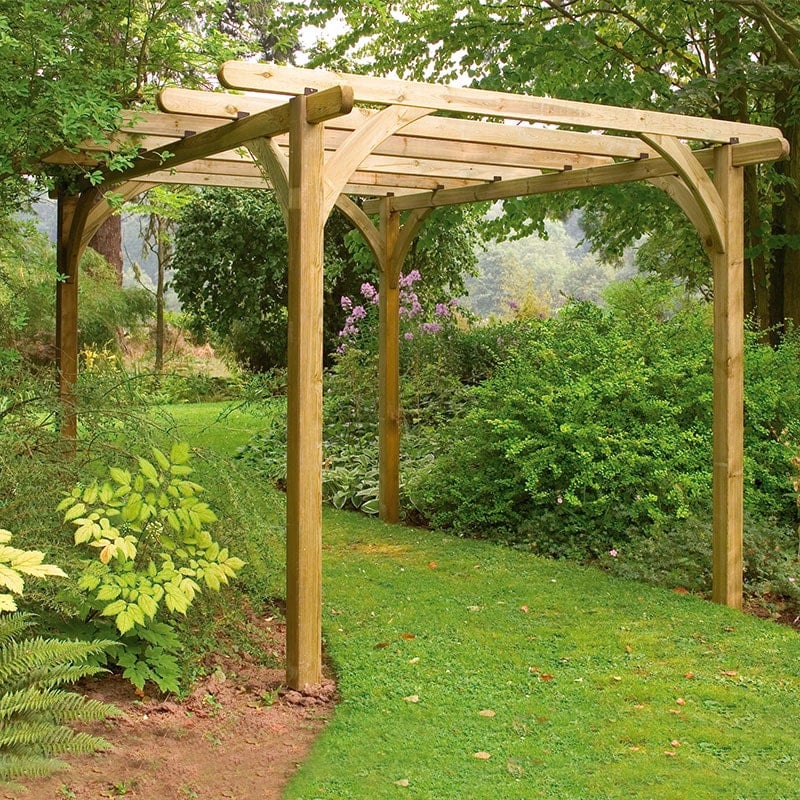
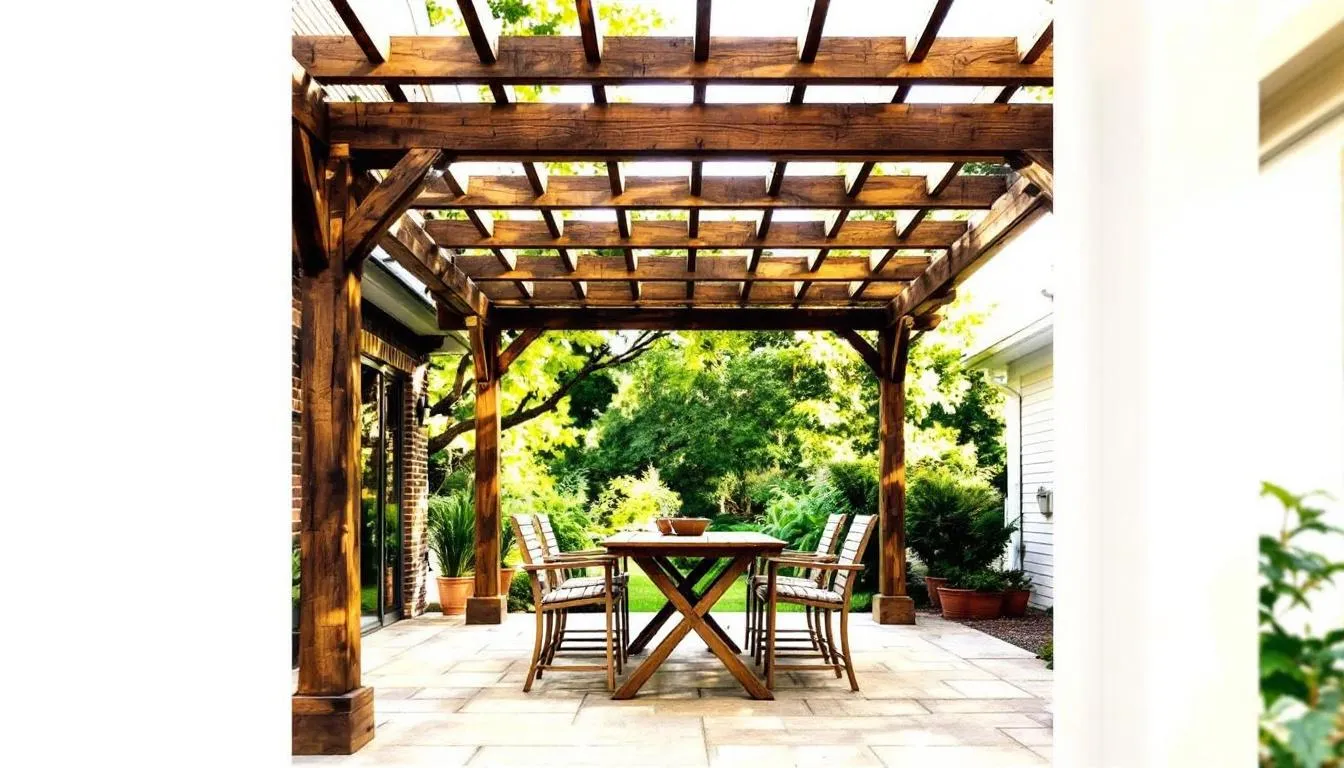
Wooden Garden Pergola
Creating the perfect outdoor living space has become a top priority for homeowners seeking to extend their home’s functionality beyond four walls. Whether you want to make a shaded dining area, support climbing plants like roses, or add height and interest to your garden, a pergola offers the ideal solution. A pergola creates a designated area for relaxing, dining, or entertaining without adding walls, making it a versatile addition to any outdoor space. However, the thought of designing and constructing your own pergola from scratch can feel overwhelming.
Enter pergola kits – a revolutionary approach that makes creating your own pergola both achievable and affordable. These comprehensive packages eliminate the guesswork from building a beautiful outdoor structure, providing everything you need to transform your patio, garden, or outdoor space into an elegant retreat.
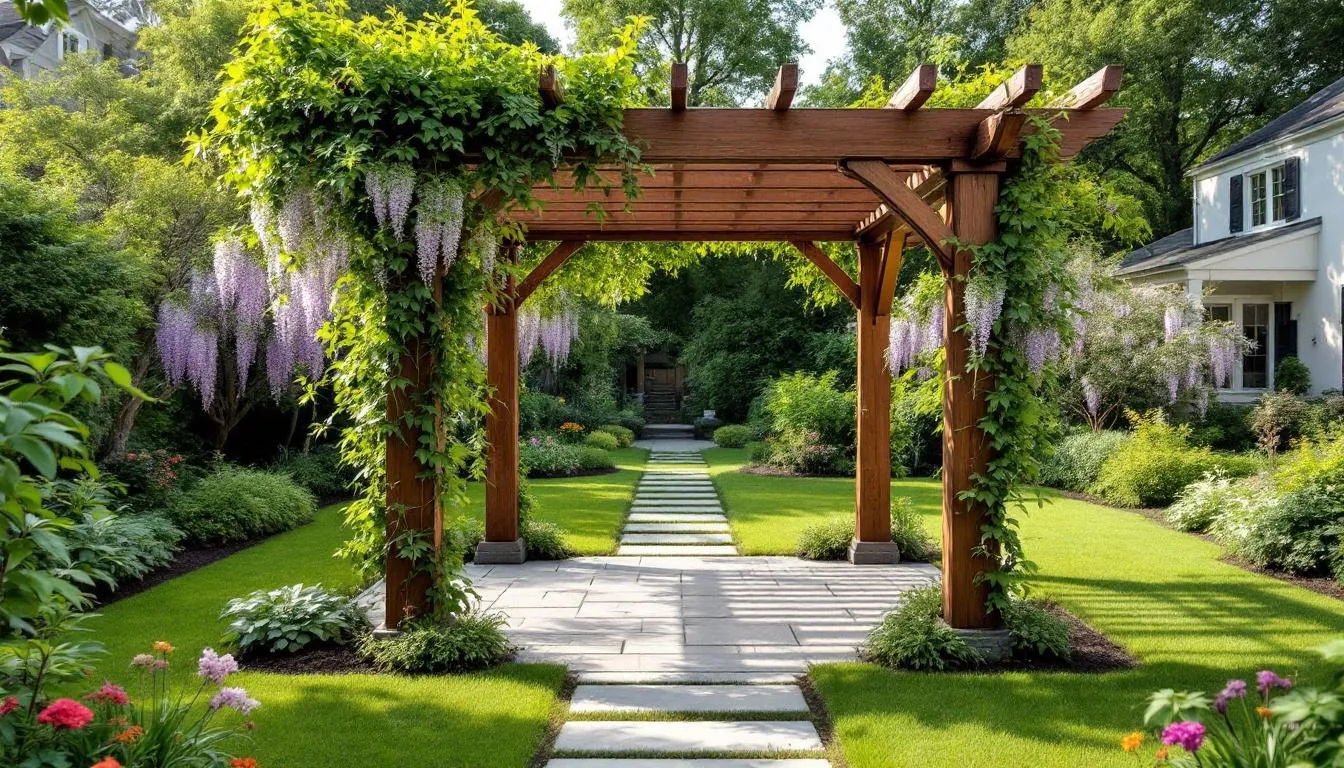
What Are Pergola Kits and How Do They Work?
A pergola kit is essentially a complete package containing pre-cut lumber, all necessary hardware, and detailed assembly instructions designed to make building your own pergola straightforward and stress-free. Unlike traditional construction projects that require extensive planning, measuring, and sourcing individual materials, pergola kits offer a streamlined approach that eliminates these time-consuming steps.
Each kit typically includes the main structural components: posts for the vertical support, beams to span between posts, rafters to create the roof framework, and all the brackets, screws, and fasteners needed for assembly. The materials are pre-cut to exact specifications and often pre-drilled for precise fit, ensuring your finished structure will be both stable and aesthetically pleasing.
Wooden Pergola Kits for your garden
The beauty of pergola kits lies in their simplicity. Rather than spending weeks planning and sourcing materials, you can order a complete kit that arrives ready to assemble. Most manufacturers provide detailed instructions with illustrations, making the process accessible even for those with limited construction experience.
When comparing pergola kits to hiring contractors, the cost savings are substantial. A professionally built custom pergola typically costs between $3,000 to $10,000 or more, depending on size and materials. In contrast, a high-quality pergola kit for the same size structure ranges from $800 to $4,000, representing savings of $2,000 to $5,000 on average.
Timeline expectations are equally impressive. Most 10×12 pergola kits can be assembled in 12-16 hours over two weekends, allowing you to enjoy your new outdoor structure quickly without the extended disruption of a major construction project.
Types of Pergola Kits Available
The market offers a diverse range of pergola kit styles to suit different outdoor spaces, architectural preferences, and functional needs. Pergola kits can be freestanding, attached to an existing building, or part of a decking kit. Understanding these options helps ensure you choose the perfect pergola for your specific situation.
Freestanding pergola kits represent the most popular choice for homeowners. These standalone structures can be placed anywhere in your outdoor space – over a patio, in the garden, or near a pool area. Freestanding pergolas typically range from compact 8×8 foot options ideal for intimate spaces to expansive 20×20 foot structures that can accommodate large entertaining areas. Aluminum is lightweight and rust-resistant, making it a perfect material for modern aesthetics.
Attached pergola kits mount directly to an existing building or structure, creating a seamless extension of your home’s living space. These pergolas are particularly effective for extending shade over patios or creating covered walkways. Wall-mounted kits extend your covered living space and provide a seamless indoor-outdoor transition. The attachment to your existing building provides additional structural support and often results in a more integrated architectural appearance.
Gazebo-style pergola kits offer partially enclosed designs that provide more shelter than traditional open pergolas. Some include lattice panels for increased privacy or integrated benches for built-in seating. These designs work particularly well in garden settings where you want to create a defined outdoor room. Some pergolas come with retractable roofs to control the amount of sun exposure, adding versatility to their functionality.
Modern aluminum pergola kits have gained popularity for their sleek appearance and virtually maintenance-free operation. These kits often feature powder-coated finishes that resist fading and corrosion, with some models offering integrated lighting systems or motorized louvers for adjustable shade control.
Traditional wooden pergola kits remain the classic choice, available in premium materials like cedar and redwood, as well as budget-friendly pressure-treated pine options. Wooden pergolas come in a variety of styles, sizes, and colors to suit every garden. Wood pergolas offer unmatched natural beauty and can be customized with stains or paints to match your home’s exterior. Some pergolas can also be painted to match existing garden furniture, enhancing the overall aesthetic.
Material Options and Characteristics
Choosing the right material for your pergola kit significantly impacts both the initial investment and long-term satisfaction with your outdoor structure. Each material offers distinct advantages in terms of durability, maintenance requirements, and aesthetic appeal.
Cedar pergola kits represent the premium choice among wooden options. Cedar’s natural oils provide excellent resistance to insects, rot, and weather damage, making it ideal for outdoor applications. With proper care, cedar pergolas can last 20-25 years and develop an attractive silvery patina if left unstained. Cedar pergola kits typically range from $1,200 to $3,500, depending on size and design complexity. Premium wooden pergolas are manufactured in the UK from pressure treated Northern European Redwood. Alternatively, those interested in other premium outdoor structures may want to consider a walk-in wall greenhouse for year-round use.
Pressure-treated pine kits offer the most budget-friendly entry into owning a wooden pergola. The pressure treatment process infuses the timber with preservatives that protect against rot and insects, extending the wood’s lifespan to 15-20 years with proper maintenance. These kits range from $800 to $2,200, making them accessible to homeowners on tighter budgets.
Aluminum pergola kits excel in longevity and low maintenance requirements. The powder-coated finish resists fading, chalking, and corrosion, while the aluminum frame won’t warp, crack, or split like wood. With lifespans exceeding 25 years and virtually no maintenance beyond occasional cleaning, aluminum pergola kits justify their higher initial cost of $2,000 to $6,000.
Vinyl pergola kits provide another virtually maintenance-free option with excellent durability. Modern vinyl formulations resist UV damage, won’t yellow or fade, and maintain their appearance for 30+ years. The smooth finish cleans easily with soap and water, making vinyl an excellent choice for busy homeowners. If you’re also interested in quality outdoor storage solutions, consider the Forest Beckwood 15′ x 10′ shiplap pressure treated wooden shed for secure, long-lasting performance. Quality vinyl pergola kits range from $1,500 to $4,000.
Benefits of Choosing DIY Pergola Kits
The decision to build your own pergola using a kit offers numerous advantages beyond the obvious cost savings. Understanding these benefits helps explain why pergola kits have become increasingly popular among homeowners looking to enhance their outdoor spaces.
Substantial cost savings represent the most compelling benefit of pergola kits. By eliminating contractor labor costs, which typically account for 40-60% of a custom pergola project, homeowners can achieve significant savings. A beautiful wooden garden pergola that might cost $6,000 when professionally installed can often be built for $2,500 or less using a quality kit.
No permit requirements in most areas significantly simplify the project. Structures under 200 square feet typically don’t require building permits, though it’s always wise to check local building codes. This eliminates permit fees, plan approval delays, and inspection requirements that accompany larger construction projects.
Installation flexibility allows you to work at your own pace over multiple weekends. Unlike contractor projects that require scheduling coordination and consecutive work days, pergola kit assembly can accommodate your schedule. If the weather doesn’t cooperate or other commitments arise, you can pause the project and resume when convenient.
Quality control over the assembly process ensures attention to detail that matches your standards. When you build your own pergola, you control every aspect of construction, from the tightness of fasteners to the precision of alignment. This hands-on approach often results in higher quality assembly than rushed contractor work.
Personal satisfaction from completing a major home improvement project provides lasting enjoyment beyond the finished structure. The knowledge that you created this beautiful addition to your outdoor space adds emotional value that can’t be quantified in dollars.
Customization opportunities allow you to add personal touches during or after assembly. Whether you want to add integrated lighting, decorative brackets, or custom staining, pergola kits provide an excellent foundation for personalization.
How to Choose the Right Pergola Kit for Your Space
Selecting the perfect pergola kit requires careful consideration of multiple factors, including practical space constraints, aesthetic preferences, and budget. A systematic approach ensures your investment delivers maximum satisfaction and functionality.
Measuring your available space forms the foundation of brilliant pergola selection. Begin by measuring the area where you plan to place your pergola, taking into account not only the footprint but also overhead clearances and any adjacent structures. Remember that the pergola will need adequate clearance from property lines, typically 5-8 feet depending on local regulations.
Sun pattern analysis throughout the day helps optimize shade placement. Observe how sunlight moves across your outdoor space during different seasons to position your pergola for maximum benefit. A pergola placed to provide afternoon shade during summer months can transform an unusable hot patio into a comfortable retreat.
Landscape integration ensures your new pergola complements rather than competes with existing features. Consider the location of trees, garden beds, pools, and other outdoor elements. A well-placed pergola can frame attractive views while screening less desirable sights.
Architectural harmony between your pergola and home’s style creates a cohesive appearance. Traditional homes typically pair well with wooden pergola designs, while contemporary architecture may benefit from sleek aluminum or modern composite materials. The goal is enhancement, not contrast.
Budget planning should encompass both initial kit costs and ongoing maintenance expenses. Entry-level pergola kits start around $600 for basic 8×8 wooden structures, while premium large aluminum pergola kits can exceed $8,000. Factor in tools you may need to purchase and any site preparation costs.
Local restrictions from building codes and homeowner associations can significantly impact your pergola choices. Some areas restrict structure heights, require specific setbacks from property lines, or mandate certain architectural styles. Research these requirements before making your final selection.
Size Guidelines and Recommendations
Choosing the appropriate size for your pergola kit directly impacts both functionality and visual appeal. Understanding how different sizes work in various applications helps ensure your investment creates the desired outdoor living experience.
8×8 feet pergolas work perfectly for small patios or intimate seating areas designed for 2-4 people. This compact size fits well in urban settings with limited space while still providing meaningful shade and architectural interest. The smaller footprint also makes 8×8 pergolas more budget-friendly and quicker to assemble.
10×12-foot pergolas are the most popular size, offering versatility for standard patio furniture arrangements. This size comfortably accommodates a dining table for six or a living room grouping with sofa and chairs. The proportions work well with most residential architecture without overwhelming smaller homes.
12×16 feet pergolas suit larger entertaining areas and can accommodate dining sets for 6-8 people with room for circulation. This size works particularly well over large patios or deck areas where you want to create distinct zones for different activities. The additional space allows for more elaborate furniture arrangements and decorative elements.
16×20 feet and larger pergolas are designed for extensive outdoor living spaces that function as true outdoor rooms. These substantial structures can accommodate multiple seating areas, outdoor kitchens, or large entertaining spaces. However, their size requires careful site planning and may trigger permit requirements in some areas.
Installation and Assembly Process
Successfully assembling your pergola kit requires proper planning, the right tools, and a systematic approach to construction. While specific steps vary by manufacturer and design, understanding the general process helps ensure a smooth installation experience.
Site preparation begins weeks before assembly day. Mark your pergola location and contact your local utility marking service to identify underground lines. The site should be level and well-drained, with any necessary grading completed in advance. Remove any plants, decorations, or obstacles from the assembly area.
Foundation decisions significantly impact both installation complexity and long-term stability. Concrete footings provide maximum stability and are recommended for larger pergolas or areas with high winds. Ground anchors offer a simpler installation for smaller structures, while existing patio mounting works well for attached designs on suitable surfaces.
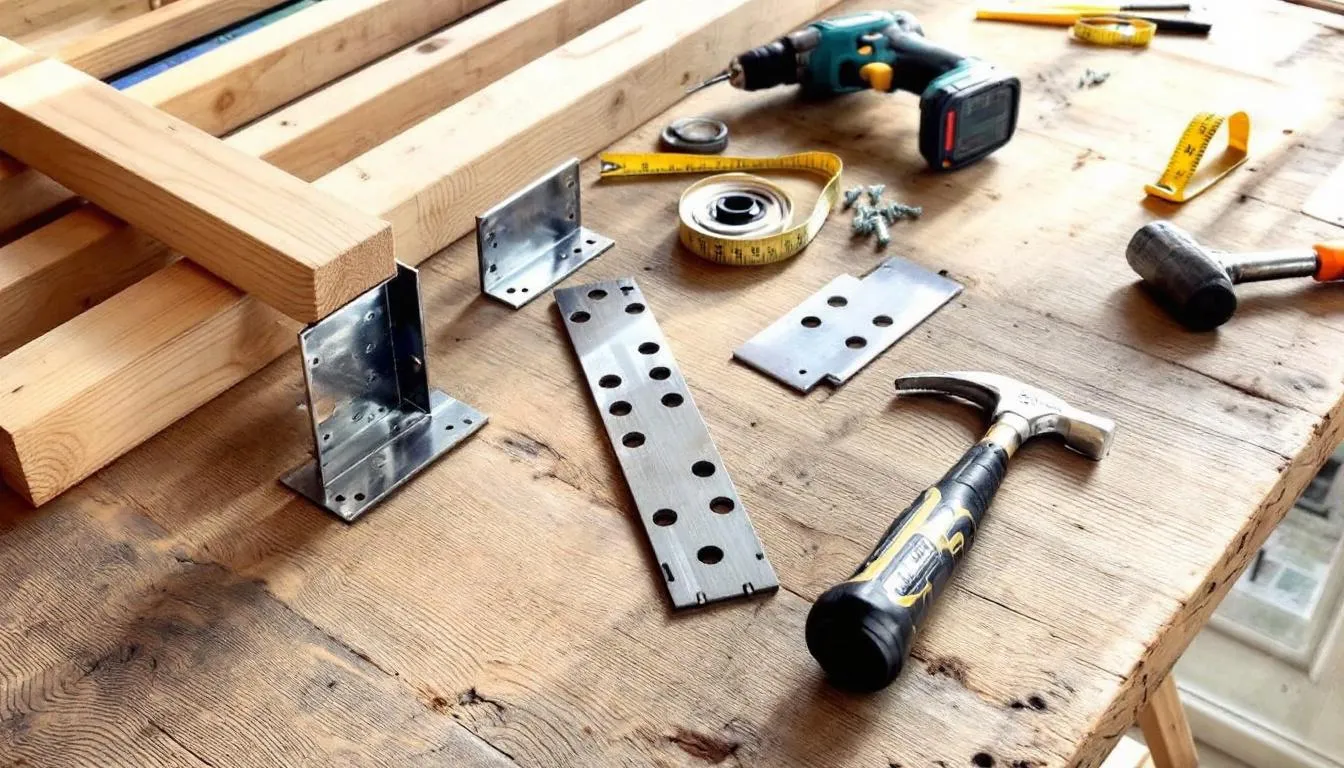
Tool requirements for most pergola kit assembly include basic items most homeowners already own. Essential tools typically include a drill with various bits, a level, a measuring tape, and basic hand tools. Some kits may require a post-hole digger for foundation work or a hammer drill for installing concrete anchors.
Assembly timeline for a typical project spans three days when working at a comfortable pace. Day one focuses on foundation work, whether digging holes for footings or marking anchor points on existing surfaces. Day two involves frame assembly, starting with posts and progressing through beams and rafters. Day three covers finishing touches, hardware tightening, and optional features such as lighting or decorative elements.
Common challenges during installation often involve ensuring everything remains level and square as the structure takes shape. Take time to check measurements frequently and make adjustments before permanently securing fasteners. Weather can also affect the process, so plan to store materials indoors if rain threatens.
Professional assistance may be worthwhile for certain aspects of the project. While most homeowners can handle basic assembly, electrical work for integrated lighting should be performed by qualified electricians. Complex modifications or challenging site conditions may also warrant professional consultation.
Quality Considerations and Long-Term Maintenance
The longevity and appearance of your pergola depend significantly on the quality of materials and hardware included in your kit, as well as the maintenance program you establish. Understanding these factors helps ensure your investment provides decades of enjoyment.
Hardware quality represents one of the most critical factors in pergola longevity. Stainless steel fasteners resist corrosion significantly better than galvanized alternatives, particularly in coastal areas or climates with high humidity. Quality pergola kits include stainless steel bolts, screws, and brackets that maintain their strength and appearance for decades.
Wood treatment options vary considerably between manufacturers and price points. Factory pre-stained timber offers convenience and often superior penetration compared to field-applied finishes. However, raw lumber requiring immediate sealing provides more flexibility in color choice and finish type. Either option requires proper maintenance to achieve maximum lifespan.
Warranty coverage provides insight into manufacturer confidence in their products. Basic wooden pergola kits typically include 1-2 year warranties on materials, while premium aluminum and vinyl options may offer 5-10 year warranties or even lifetime coverage on certain components. Review warranty terms carefully, as some exclude damage from improper installation or maintenance.
Annual maintenance requirements
Requirements vary dramatically by material choice. Wooden pergolas benefit from annual cleaning and inspection, with re-staining typically required every 2-3 years depending on exposure and climate. Aluminum and vinyl pergolas need only occasional cleaning with soap and water to maintain their appearance.
Climate considerations influence both material selection and maintenance needs. In regions with high UV exposure, premium UV-resistant finishes become more important. Areas with significant freeze-thaw cycles may accelerate material degradation, making more durable materials like aluminum or quality pressure-treated timber worthwhile investments.
Expected maintenance costs should factor into your total cost of ownership. Wooden pergolas typically require $50-150 in annual costs for cleaning supplies, stains, and minor repairs. Aluminum and vinyl pergolas have minimal ongoing costs beyond occasional cleaning, making them more economical over time despite higher initial investment.
The key to minimizing maintenance while maximizing enjoyment lies in choosing high-quality materials suited to your climate and committing to a regular care schedule. A well-maintained pergola can provide decades of service while enhancing your property value and outdoor living experience.
Build Your Own Pergola from a kit
Building your own pergola can be a rewarding project that enhances your outdoor living space while providing a sense of accomplishment. With a pergola kit, the process is simplified, offering pre-cut materials and clear instructions that take much of the guesswork out of construction. Customizations for pergolas may include adding a roof, increasing the number of posts, or tailoring them to fit unusual patio shapes, allowing for a truly personalized outdoor structure.
Before you begin, it’s essential to plan carefully. Consider the location of your pergola to maximize shade and complement your garden’s existing features. Take accurate measurements of the intended space and ensure you have the necessary tools on hand, including a drill, level, measuring tape, and safety equipment.
Assembly typically involves securely setting the posts, attaching beams and rafters, and finally adding optional features such as decorative trim or climbing plants for added beauty and shade. Many pergola kits come with easy-to-follow guides and customer support to assist you through the process.
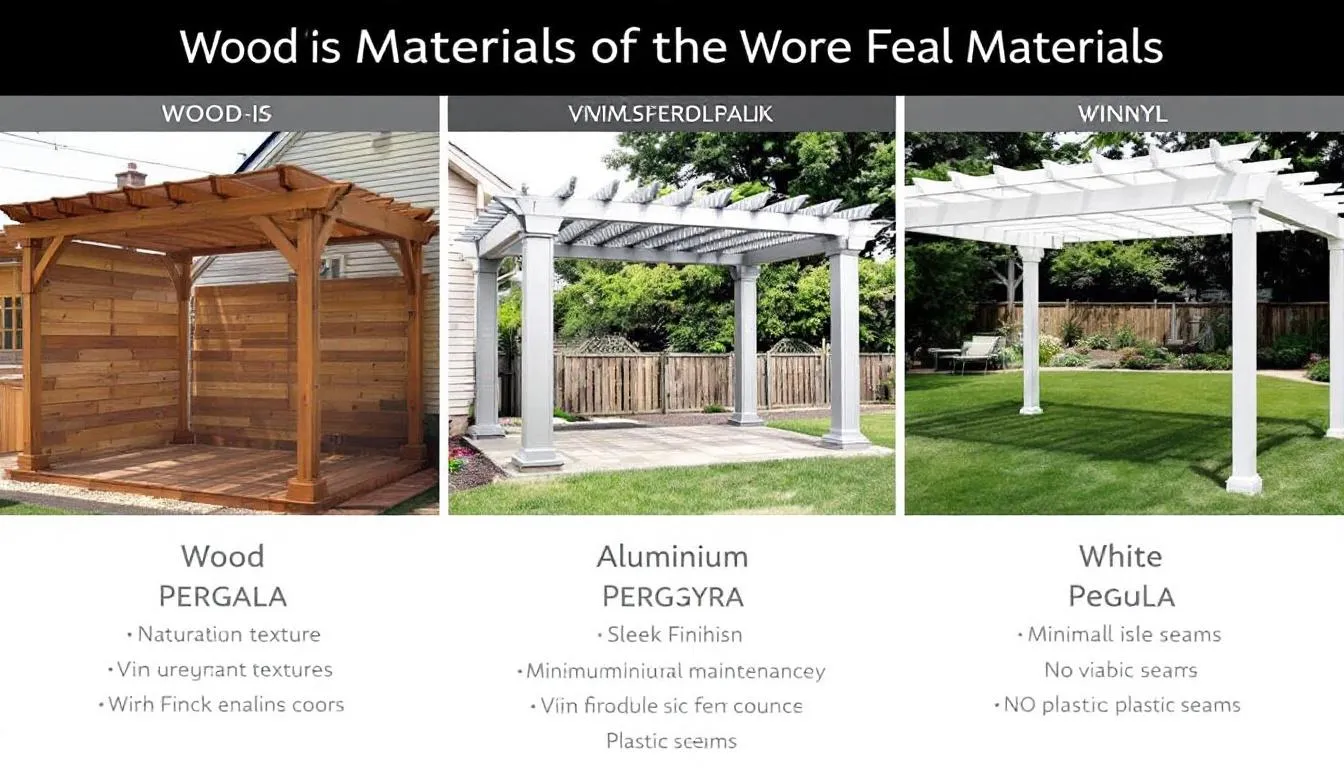
Choosing the right materials is also crucial. Wooden pergolas offer a classic, natural look and can be stained or painted to suit your style, while aluminum options provide a modern aesthetic with minimal maintenance. Whichever material you choose, ensure it is durable and treated for outdoor use to withstand the elements.
Once assembled, your pergola can be customized further with accessories such as lighting, retractable canopies, or integrated seating, making it a versatile addition to your garden. Regular maintenance, including cleaning and treating the wood if applicable, will help preserve your pergola’s appearance and longevity.
By building your own pergola, you not only create a beautiful outdoor retreat but also add value to your home and enjoy the satisfaction of a successful DIY project.
Whether you choose a traditional wooden garden pergola to support roses and climbing plants, or a modern aluminum structure to elevate your patio’s style, the right pergola kit can transform your outdoor space into a pleasant retreat that extends your home’s living area into the garden. With proper planning, quality materials, and attention to assembly details, your new pergola will stand as a testament to both your DIY capabilities and your commitment to creating beautiful outdoor spaces.
FAQ
Do I need a building permit for a pergola kit?
Most pergola kits under 200 square feet don’t require permits in many jurisdictions, but building codes vary significantly by location. Attached pergolas may require permits regardless of size in some municipalities because they connect to existing structures. It is recommended to check local council planning regulations before erecting a pergola. Contact your local building department before purchasing to understand specific requirements in your area, as some regions have height restrictions, setback requirements, or architectural guidelines that could affect your project.
How long does it take to assemble a typical pergola kit?
Most 10×12 pergola kits require 12-16 hours of assembly time for two people with basic DIY skills. Site preparation and foundation work add 4-8 hours, depending on your chosen foundation method. Weather conditions, site complexity, and your experience level can affect the timeline by 25-50%. Breaking the project into weekend segments allows for a comfortable pace without rushing critical assembly steps.
Can pergola kits be installed on existing concrete patios?
Yes, most pergola kits include concrete anchor options specifically designed for existing patio installation. The concrete should be at least 4 inches thick and in good structural condition, with no significant cracks or deterioration. Special masonry anchors and carbide-tipped drill bits are required for proper installation. Some manufacturers offer adapter plates that distribute load over larger areas for added stability on concrete surfaces.
What’s the difference between cedar and pressure-treated pine pergola kits?
Cedar is naturally insect and weather resistant due to its inherent oils, requiring less chemical treatment and maintenance over time. Pressure-treated pine relies on chemical preservatives for protection and typically requires regular staining every 2-3 years to maintain its appearance and durability. Cedar generally lasts 5-10 years longer than pressure-treated pine in most climates and develops an attractive natural patina when left unstained. In contrast, pressure-treated pine may gray unevenly without proper maintenance.
Can I modify a pergola kit design during assembly?
Minor modifications, such as adding decorative brackets, integrated lighting, or custom post caps, are usually possible without affecting structural integrity. However, significant structural changes such as altering beam spans, post spacing, or load-bearing elements may void manufacturer warranties and compromise safety. Always contact the manufacturer before making modifications to understand which changes are acceptable and which might require engineering consultation to ensure your pergola remains safe and structurally sound.
