
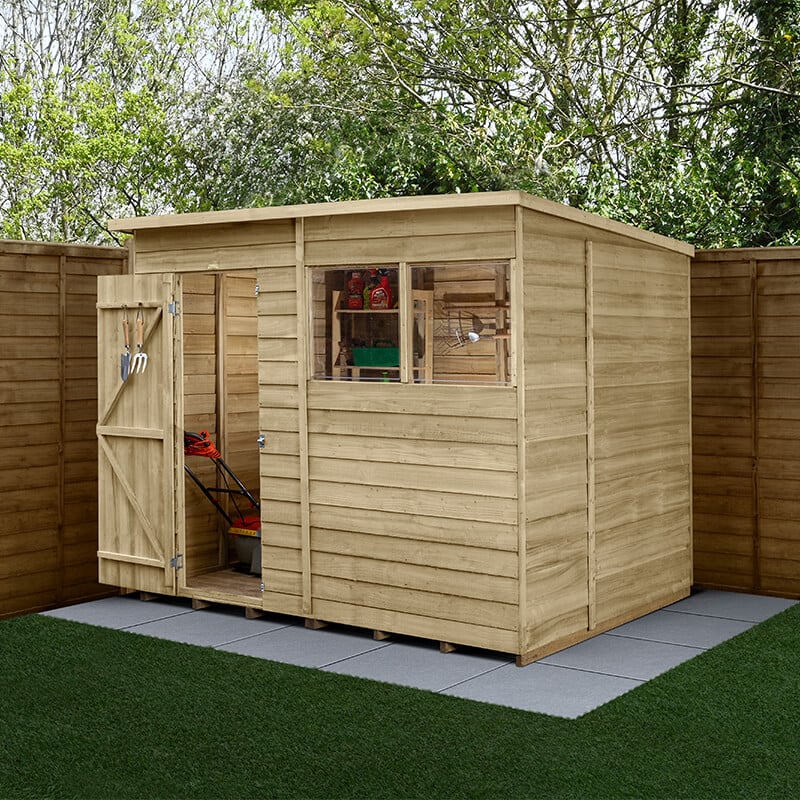
If you’re considering a wooden shed for your garden, you’re probably wondering: are wooden sheds waterproof? The honest answer is that wooden sheds aren’t naturally waterproof, but they can be made water-resistant with proper treatment, quality cladding, and good maintenance. Most quality wooden sheds come with features like roofing felt and pressure-treated timber to help protect against the UK’s unpredictable weather, but understanding what makes a shed truly weatherproof will help you make the right choice for your garden.
Are Wooden Sheds Naturally Waterproof?
Wood is a natural, porous material that absorbs moisture, so wooden sheds aren’t waterproof straight from the tree. However, modern shed construction uses various techniques to create water-resistant structures that can withstand years of British weather. The key lies in understanding that there’s a difference between waterproof (completely impervious to water) and water-resistant (able to repel most moisture under normal conditions).
Quality wooden sheds achieve water resistance through a combination of proper timber treatment, overlapping cladding, and protective roof coverings. When you’re researching options, our comprehensive wooden sheds guide explains exactly what features to look for in a weather-resistant garden building.
The reality is that with proper construction and maintenance, a wooden shed can keep your belongings dry for decades. The secret lies in choosing the right materials and understanding how different components work together to create an effective barrier against moisture.
How Shed Cladding Affects Water Resistance
The cladding – the external wooden boards that form your shed’s walls – plays a crucial role in keeping water out. Traditional overlap cladding works by layering boards so that water runs down the outer surface without finding gaps to penetrate. The thicker the cladding, the better the protection, with 12mm being the minimum thickness for decent weather resistance.
Tongue and groove cladding offers superior weather protection because the boards interlock tightly, creating fewer gaps for water infiltration. This type of cladding is particularly effective in areas exposed to driving rain or harsh weather conditions common across the UK.
Shiplap cladding provides an excellent middle ground, with overlapping edges that channel water away from joints whilst offering good structural strength. The key with any cladding type is ensuring proper installation with adequate overlap and using quality fixings that won’t create weak points where moisture can enter.
The Role of Roofing Felt in Keeping Sheds Dry
Roofing felt is your shed’s first line of defence against rain, and it’s absolutely essential for water resistance. Standard mineral felt provides basic protection, but heavy-duty felt offers superior durability and weather resistance – particularly important given the UK’s tendency for prolonged wet periods.
Proper felt installation involves overlapping joints by at least 75mm and ensuring the felt extends beyond the roof edges to direct water away from the walls. Quality sheds often come with felt included, but you might want to upgrade to a thicker specification for enhanced protection.
Some modern sheds use alternative roof coverings like EPDM rubber membrane or corrugated sheets, which can offer even better waterproofing than traditional felt. However, felt remains the most common and cost-effective option for most garden sheds.
Pressure Treated vs Untreated — What’s the Difference?
Pressure-treated timber has been infused with preservatives under high pressure, making it naturally resistant to rot, decay, and insect damage. This treatment significantly improves the wood’s ability to withstand moisture, though it doesn’t make it completely waterproof.
Untreated timber is more vulnerable to moisture damage and requires immediate treatment with wood preservative to achieve any meaningful water resistance. Whilst cheaper initially, untreated timber often proves more expensive long-term due to higher maintenance requirements.
The pressure treatment process forces preservatives deep into the wood fibres, creating protection that lasts for years rather than months. This makes pressure-treated sheds a worthwhile investment, especially in areas prone to high rainfall or humidity.
How to Waterproof a Wooden Shed
Creating a truly water-resistant wooden shed involves several steps, starting with treating all timber surfaces with a quality wood preservative or stain. This treatment should be reapplied every 2-3 years to maintain protection, and it’s worth checking out our guide on how to treat a wooden shed for detailed instructions.
Pay particular attention to vulnerable areas like door and window frames, where gaps can develop over time. Use exterior-grade caulk or sealant to fill any gaps that appear, and ensure door and window hardware is properly weatherproofed.
Consider adding guttering to direct rainwater away from the shed’s base, and ensure good drainage around the foundation to prevent water from pooling against the walls. Proper ventilation is also crucial – it might seem counterintuitive, but adequate airflow prevents condensation build-up that can cause more damage than external moisture.
Signs Your Shed Is Not Properly Waterproofed
Water stains on internal walls are the most obvious sign of moisture penetration, often appearing as dark patches or discolouration on the timber. These typically develop around joints, corners, or where the roof meets the walls.
Musty odours indicate moisture problems even when visible signs aren’t apparent. This smell often develops before you can see water damage, making it an important early warning sign that your shed’s waterproofing needs attention.
Warped or swollen timber, peeling paint or stain, and rust on metal components all suggest moisture is getting where it shouldn’t. Regular inspection – particularly after severe weather – helps catch problems early before they become serious structural issues. Understanding these warning signs can help extend your shed’s lifespan, which you can read more about in our article on how long wooden sheds last.
Frequently Asked Questions
Do I need to treat a wooden shed immediately after purchase?
If your shed comes with untreated timber, yes – treat it before assembly if possible, or immediately after construction. Pressure-treated sheds can wait a few months, but treating them within the first year ensures optimal protection.
How often should I re-waterproof my wooden shed?
Most wood treatments need reapplying every 2-3 years, though this depends on your local climate and the quality of the original treatment. Inspect annually and treat when the previous coating shows signs of wearing thin.
Can I make my wooden shed completely waterproof?
While you can’t make wood completely waterproof without synthetic coatings that might damage the timber, you can achieve excellent water resistance through proper treatment, maintenance, and construction techniques that will keep your belongings dry.
What’s the best wood preservative for UK weather?
Choose a preservative specifically designed for exterior use that offers UV protection alongside water resistance. Many UK-specific formulations account for our climate’s combination of rain, humidity, and temperature variations.
Ready to Buy a Wooden Shed?
Now you understand what makes wooden sheds water-resistant, you’re ready to choose the right one for your garden. Browse our full range of wooden garden sheds to find quality options with excellent weather protection built in.
