
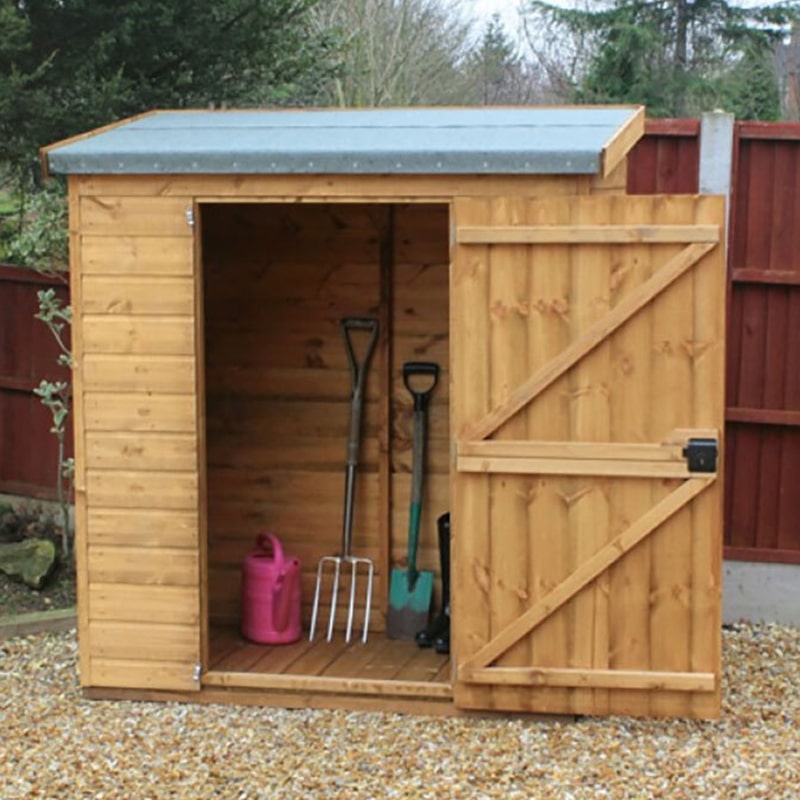
Looking for the perfect lean-to wooden shed for your UK garden? Lean-to wooden sheds UK offer an excellent space-saving solution for homeowners with limited garden space or those wanting to maximise storage against an existing wall or fence. These clever designs make brilliant use of awkward corners and narrow spaces that traditional sheds simply can’t accommodate.
Whether you’re after extra storage for garden tools, a compact workshop, or somewhere to keep bikes and outdoor equipment, a lean-to wooden shed could be exactly what you need. In this comprehensive guide, we’ll explore everything from planning permission requirements to the best positions for installation, helping you choose the perfect lean-to shed for your property in 2026.
What Is a Lean-To Shed?
A lean-to wooden shed is a single-sloped structure designed to sit against an existing wall, fence, or building. Unlike traditional sheds that stand independently, lean-to sheds “lean” against another structure for support, creating a space-efficient storage solution that’s perfect for narrow gardens or awkward spaces.
The distinctive single-slope roof design ensures rainwater runs off effectively, whilst the back wall can either be partially or completely supported by your existing structure. This makes them particularly popular for wooden garden storage solutions where space is at a premium.
Most lean-to wooden sheds feature a traditional timber construction with tongue-and-groove cladding, providing the classic aesthetic that many UK homeowners prefer whilst offering excellent durability when properly treated and maintained.
Lean-To vs Pent vs Apex — What’s the Difference?
Understanding the differences between shed roof styles is crucial when choosing your perfect garden building. Each design offers distinct advantages depending on your space and requirements.
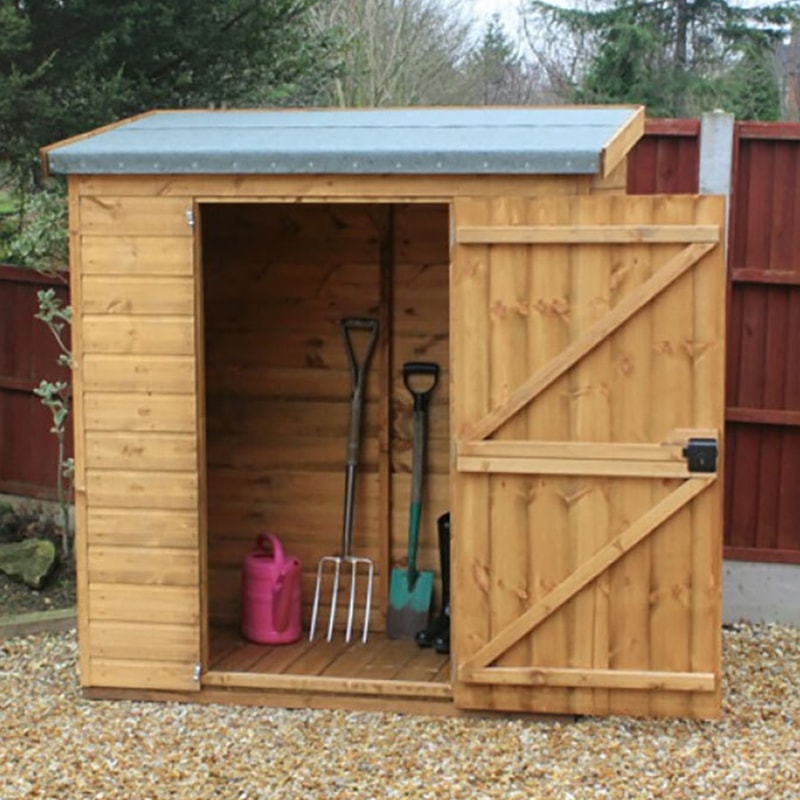
Lean-To Sheds: Feature a single sloped roof and are designed to sit against an existing structure. They’re ideal for narrow spaces and offer excellent space efficiency.
Pent Sheds: Also have a single sloped roof but stand independently without requiring support from another building. Our guide to wooden pent sheds covers these in detail.
Apex Sheds: Traditional triangular-roofed sheds that offer maximum internal height and classic styling but require more space on all sides.
The key advantage of lean-to designs is their ability to utilise spaces that would otherwise be unusable, making them perfect for terraced houses or gardens with limited space.
Best Positions for a Lean-To Wooden Shed
Positioning your lean-to wooden shed correctly is essential for both functionality and longevity. The ideal location depends on several factors including drainage, accessibility, and the supporting structure.
Against House Walls: South-facing walls provide good natural light but can create excessive heat in summer. North-facing positions offer more stable temperatures year-round.
Garden Boundaries: Positioning against a sturdy fence or boundary wall can work well, but ensure the structure can handle the additional load and won’t cause neighbour disputes.
Drainage Considerations: Ensure the sloped roof directs water away from both your property and neighbouring land. Consider installing guttering to manage runoff effectively.
Access Requirements: Leave adequate space for the door to open fully and consider how you’ll move larger items in and out of the shed.
Does a Lean-To Shed Need Planning Permission?
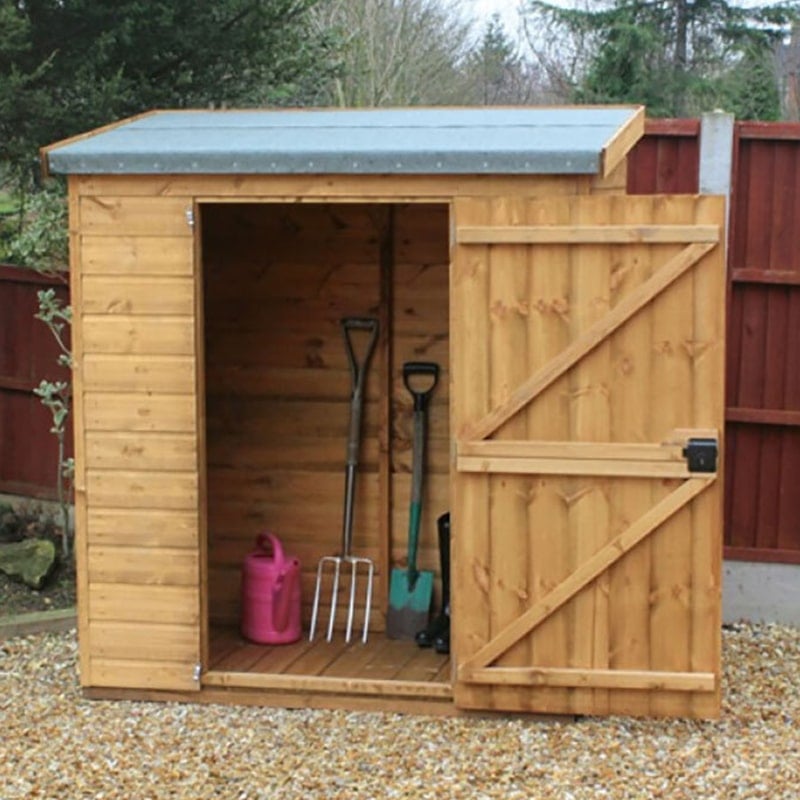
Most lean-to wooden sheds in the UK fall under Permitted Development Rights, meaning you won’t need planning permission. However, there are specific rules and limitations you must follow.
Size Limitations: The shed must not exceed 2.5 metres in height if within 2 metres of a boundary, or 4 metres if further away.
Coverage Rules: Garden buildings cannot cover more than 50% of your garden area (excluding the original house footprint).
Special Considerations: Listed buildings, conservation areas, and Article 4 directions may have additional restrictions that require planning permission even for small structures.
Neighbour Relations: Whilst not legally required, it’s wise to discuss your plans with neighbours, especially when positioning against boundary walls.
When in doubt, contact your local planning authority for guidance specific to your property and location.
How Much Does a Lean-To Wooden Shed Cost?
Lean-to wooden shed prices in the UK vary considerably based on size, quality, and features. Understanding the cost factors helps you budget effectively for your purchase.
Budget Options (£200-£500): Basic lean-to sheds with OSB construction and simple roofing. Suitable for light storage but may require more frequent maintenance.
Mid-Range Quality (£500-£1,000): Tongue-and-groove timber construction with better roofing materials and improved weatherproofing. These offer good longevity with proper maintenance.
Premium Models (£1,000+): High-quality timber, superior roofing systems, and additional features like windows, insulation, or security upgrades.
Additional Costs: Factor in base preparation (£100-£300), installation if required (£150-£400), and annual treatment costs (£30-£60).
Remember that investing in quality upfront often proves more economical long-term, as cheaper sheds may need replacement sooner.
Best Lean-To Wooden Sheds in 2026
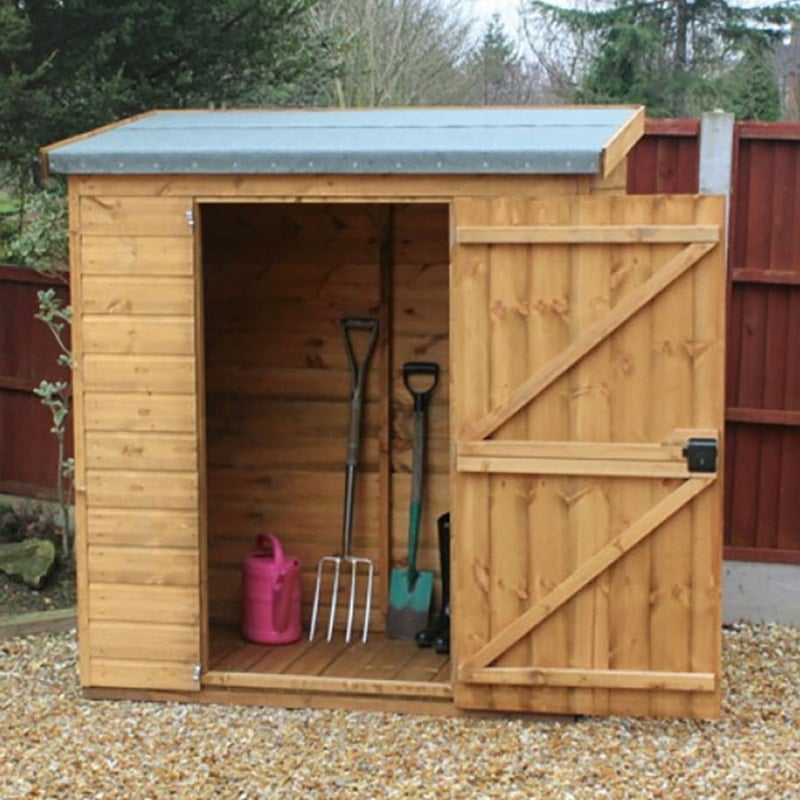
When choosing from the best wooden garden sheds available, several lean-to models stand out for their quality, value, and customer satisfaction.
Compact Storage Solutions: Perfect for small gardens, these typically measure 6×4 feet or 8×4 feet, providing essential storage without overwhelming your space.
Workshop-Style Lean-Tos: Larger models with windows and additional height, ideal for hobbyists or those needing workspace alongside storage.
Security-Enhanced Models: Feature reinforced doors, window bars, and superior locking mechanisms for valuable equipment storage.
Premium Timber Options: Constructed from high-grade timber with advanced treatments, offering superior durability and weather resistance.
Look for features like pressure-treated timber, quality roofing felt, sturdy hinges, and good ventilation to ensure your investment lasts for years to come.
Frequently Asked Questions
Can I install a lean-to shed against my neighbour’s fence?
You can install against your side of a boundary fence, but it’s courteous to discuss this with your neighbour first. Ensure you’re not overloading their fence structure and that water runoff doesn’t affect their property.
Do lean-to sheds need foundations?
Yes, all wooden sheds need proper foundations for stability and longevity. A concrete base, paving slabs, or treated timber frame with membrane are common options. Good foundations prevent damp and ensure structural integrity.
How long do lean-to wooden sheds last?
With proper treatment and maintenance, quality lean-to wooden sheds typically last 10-15 years or more. Regular treatment every 2-3 years, good drainage, and prompt repair of any damage will maximise lifespan.
Can I add windows to a lean-to shed?
Many lean-to sheds can accommodate windows, either as standard features or optional extras. Windows improve natural light and ventilation, making the space more pleasant to use for workshops or extended storage access.
Ready to Buy a Wooden Shed?
Now that you understand the benefits and considerations of lean-to wooden sheds, you’re ready to explore your options. From compact storage solutions to larger workshop-style buildings, there’s a lean-to shed perfect for every UK garden and budget.
Browse our full range of wooden garden sheds to discover quality lean-to options with nationwide delivery and expert customer support.
