

Finding the right plastic pent sheds UK can transform your garden storage whilst fitting perfectly into smaller spaces. These practical buildings offer a sleek, modern alternative to traditional apex designs, with their distinctive sloped roof style ideal for positioning against fences or walls. UK homeowners increasingly choose plastic pent sheds for their weather resistance, zero maintenance requirements, and contemporary appearance that complements modern garden designs.
Unlike wooden alternatives that demand annual treatments, plastic pent sheds deliver decades of reliable service with just occasional cleaning. Their unique single-slope roof design maximises internal headroom along one wall whilst maintaining a lower profile than apex models – perfect for gardens with height restrictions or planning considerations.
What Is a Plastic Pent Shed?
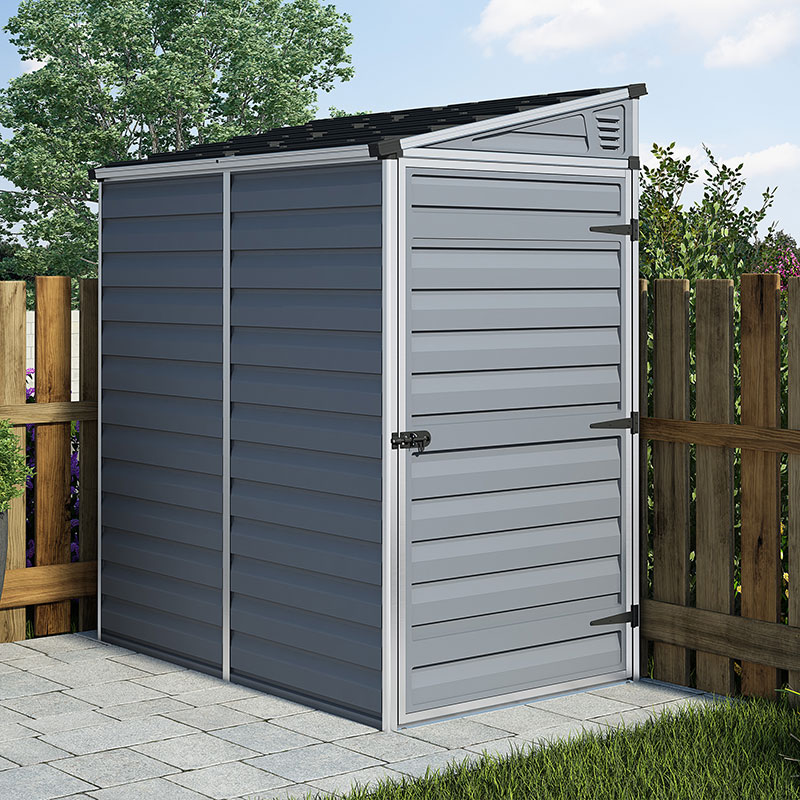
A plastic pent shed features a distinctive single-slope roof that runs from a higher front wall down to a lower back wall. This asymmetrical design creates maximum headroom along the front section whilst maintaining a compact profile that fits neatly against boundary fences or garden walls.
The construction uses durable resin materials, typically double-wall panels filled with steel reinforcement for strength. Leading manufacturers like Keter and Palram Canopia engineer these sheds to withstand UK weather conditions, from driving rain to strong winds and UV exposure.
This roof style originated from industrial buildings but has become increasingly popular in residential gardens due to its space-efficient design and contemporary appearance. The sloped roof naturally sheds rainwater towards the back, making drainage straightforward whilst preventing water pooling that can affect other shed styles.
Most plastic garden sheds in pent style include integrated floors, built-in ventilation, and reinforced door frames as standard features.

Best Plastic Pent Sheds in 2026
The Keter Factor series leads the UK market for plastic pent sheds, offering models from 4×6 feet up to 8×11 feet. These sheds feature double-wall resin construction with steel reinforcement, providing exceptional durability against British weather. The Factor 6×3 suits compact gardens, whilst the Factor 8×6 offers substantial storage for larger properties.
Palram Canopia Rubicon pent sheds present another excellent choice, particularly their 6×4 and 6×6 models. These feature reinforced resin walls, integrated ventilation systems, and wide double doors for easy access. The Rubicon series includes anchor points for securing to concrete bases and reinforced corners for additional strength.
Shire produces quality plastic pent options focusing on practical storage solutions. Their models typically include built-in shelving systems and tool hanging points, maximising the efficient use of internal space.
When selecting between brands, consider the warranty offered – Keter provides 10-year guarantees on most models, whilst Palram offers similar coverage. Check what specific components are covered, as some warranties exclude floors or small fittings.
Plastic Pent vs Plastic Apex: Which Should You Choose?
Plastic pent sheds excel in gardens with height restrictions or when positioning against existing structures. The sloped roof design provides excellent headroom along the front wall – typically 6.5 to 7.5 feet – whilst the back wall measures around 5.5 to 6 feet. This makes them ideal for storing tall garden tools or equipment.
Apex sheds offer more even internal height distribution, with peak heights reaching 7 to 8 feet in the centre. However, the sloped sides reduce usable wall space compared to pent designs. For gardens with planning restrictions, pent sheds often comply more easily with height limitations.
Consider your storage needs carefully. Pent sheds work brilliantly for lawnmowers, bikes, and garden furniture where you need good access from the high front section. Apex designs suit general storage where you want maximum floor space utilisation.
Weather performance differs slightly between styles. Pent roofs shed water efficiently in one direction, making guttering installation straightforward. Apex roofs distribute water to both sides but can handle extreme weather loads more effectively due to their triangular structure.
Are Plastic Pent Sheds Good Against Rain?
Plastic pent sheds excel in wet UK conditions due to their efficient water-shedding design and weatherproof construction. The single-slope roof naturally directs rainwater towards the back edge, preventing pooling and reducing leak risks compared to flat roof designs.
Quality models feature overlapping panel joints sealed with rubber gaskets or weatherstripping. Manufacturers like Keter use interlocking wall systems where panels fit together like puzzle pieces, creating continuous weather barriers. The roof panels typically extend beyond the wall line, forming small eaves that direct water away from the building structure.
However, proper installation remains crucial for weather resistance. The shed must sit on a level, well-draining base – concrete or paving slabs work best. Ensure adequate ground clearance and consider adding guttering to direct water away from the foundation area.
Most plastic pent sheds include integrated floors that prevent ground moisture from entering the structure. These floors feature raised edges and drainage channels that cope with minor water ingress during extreme weather events.
For additional weather protection, position the shed with the high front wall facing away from prevailing winds. This arrangement reduces wind-driven rain against the main door and entrance area.
Featured Plastic Sheds From Our Range
Manufacturer


2’2 x 1’2 Shire Mid Plastic Garden Storage Cupboard with Shelves (0.68m x 0.37m)
£63.99
Sleeper Bench with 15-Year Guarantee – Forest Wooden Sleeper Garden Bench 4×1 (1.2×0.2m)
£79.99
Best Uses for a Plastic Pent Shed
Plastic pent sheds work exceptionally well as bike storage solutions due to their high front wall clearance and wide door openings. The sloped design allows easy wheeling of bikes in and out whilst providing adequate space for hanging additional cycling equipment.
Garden tool storage represents another ideal application. The high front section accommodates long-handled tools like rakes, spades, and hedge trimmers when hung vertically. Many users install simple tool hanging systems along the tall front wall, keeping equipment organised and easily accessible.
These sheds suit lawnmower storage particularly well, especially for ride-on models or large walk-behind mowers. The generous front height and wide doors make maneuvering equipment simple, whilst the sloped roof provides clearance for any vertical exhaust pipes or handles.
For workshop use, position workbenches along the high front wall where you gain maximum headroom for projects. The natural light from front windows (where fitted) illuminates work areas effectively. Consider models from our large plastic sheds range for serious workshop applications.
Pool equipment storage works well in pent sheds, keeping pumps, cleaners, and chemicals organised and protected. The weather-resistant construction suits this application perfectly, whilst the efficient drainage prevents moisture buildup that could affect sensitive equipment.
Frequently Asked Questions
Do plastic pent sheds need planning permission in the UK?
Most plastic pent sheds fall under permitted development rights and dont require planning permission. However, they must not exceed 2.5 metres in height when within 2 metres of a boundary, or 4 metres maximum height elsewhere in the garden. The total covered area of all outbuildings must not exceed 50% of the garden area. Check with your local planning authority if you live in a conservation area or listed building, as different rules may apply. Always verify current regulations before installation.
How long do plastic pent sheds last in UK weather?
Quality plastic pent sheds from manufacturers like Keter and Palram typically last 15 to 20 years in UK conditions with minimal maintenance. The UV-stabilised resin construction resists fading and cracking, whilst steel reinforcement prevents structural deterioration. Most manufacturers offer 10-year warranties covering material defects and weather damage. Regular cleaning and ensuring proper drainage around the base helps maximise lifespan. Unlike wooden sheds, plastic versions dont suffer from rot, insect damage, or require annual treatments.
Can you insulate a plastic pent shed for year-round use?
Yes, plastic pent sheds can be insulated using rigid foam boards, reflective insulation, or mineral wool batts fitted between internal framework. The key challenge is preventing condensation buildup, so ensure adequate ventilation remains after insulation installation. Consider plastic sheds with integrated floors as they provide better base insulation. Add internal wall cladding over insulation for a finished appearance and protection. For workshop use, consider electrical installation for heating and lighting, but always use qualified electricians for safety.
What base is needed for a plastic pent shed?
A level, stable base is essential for plastic pent shed longevity and warranty validity. Concrete slabs provide the best foundation, offering excellent drainage and stability. Alternatively, use paving slabs on a properly prepared sand and hardcore base, ensuring they remain level and stable. The base should extend at least 2 inches beyond the shed footprint on all sides. Avoid placing sheds directly on grass or earth, as this causes uneven settling and potential water damage. Some smaller models accept treated timber bases, but check manufacturer specifications first.
Ready to find your perfect garden storage solution? Browse our full range of plastic garden sheds to discover quality pent models from leading UK suppliers, all with fast delivery and comprehensive warranties.
