
Looking to build a secure and durable shed? The foundation, or shed base, is crucial. In this article, we’ll guide you through the best shed base options and essential steps to ensure a stable, long-lasting foundation.
Introduction to Garden Shed Bases
A sturdy shed base is essential for any garden shed, providing the solid foundation needed to keep your shed stable, secure, and protected from the elements. Without a proper base, your garden shed can shift, sink, or become uneven over time, leading to issues like water damage, rot, and even pest infestations. Investing in a well-constructed shed base not only extends the life of your shed but also ensures it remains a safe and functional space for storage or hobbies.
There’s a wide range of shed bases available, from traditional wooden options to modern plastic shed bases made from recycled materials. Each type offers unique benefits, whether you’re looking for something easy to install, low-maintenance, or particularly sturdy. In this guide, we’ll explore why garden shed bases are so important, the different materials and designs you can choose from, and how to select the best base for your garden shed. Whether you’re building a new shed or upgrading an existing one, a solid and stable base is the first step to a long-lasting garden building.
Key Takeaways
- Selecting the optimal location for a shed base enhances functionality and aesthetic appeal, with key considerations including accessibility, sunlight exposure, and drainage.
- Proper ground preparation, which includes clearing, leveling, and installing a weed membrane, is crucial for creating a stable and durable shed foundation.
- Various materials such as concrete, wood, and recycled plastic offer distinct advantages for shed bases, influencing factors like stability, drainage, and maintenance needs.
Selecting the Perfect Location for Your Shed Base
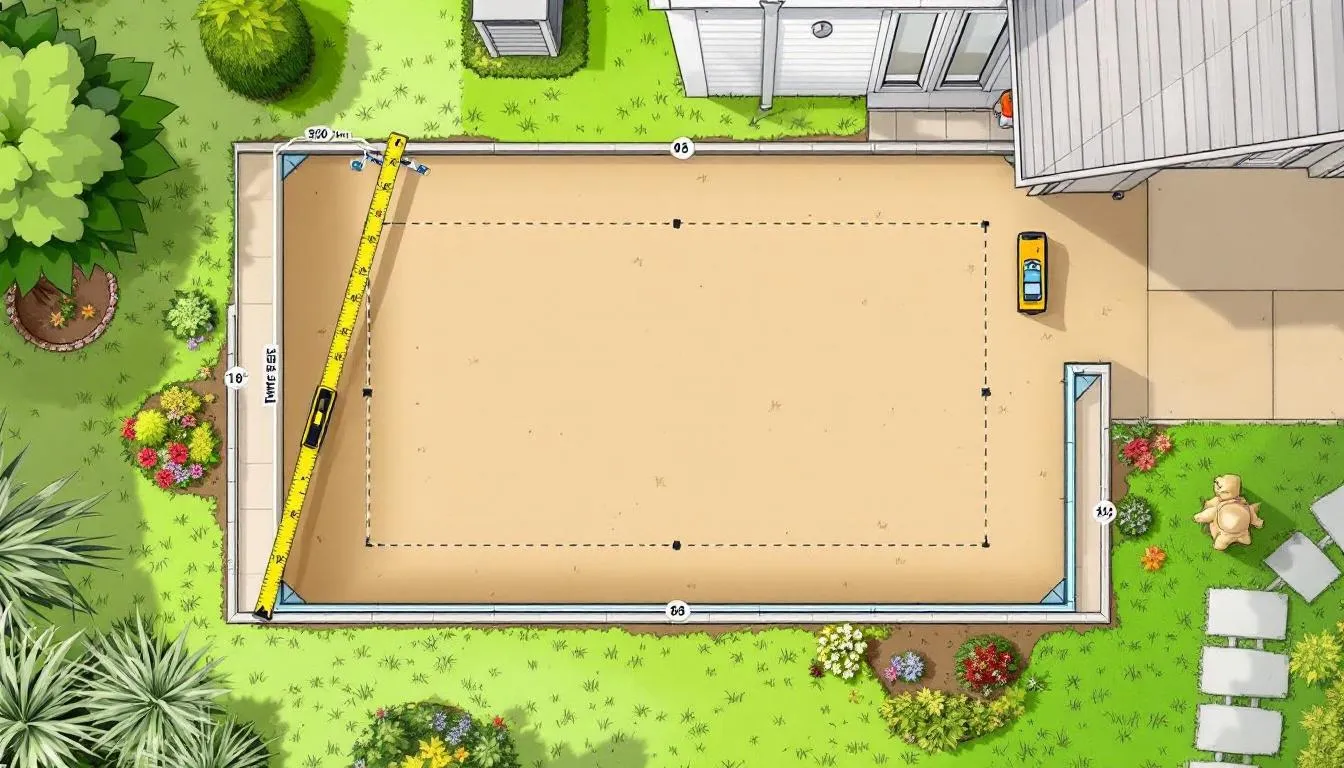
Choosing the right spot for your shed base can significantly enhance both functionality and aesthetic appeal. The location determines how accessible and useful your garden shed will be, influencing factors like sunlight exposure, proximity to other structures, and overall garden layout.
A well-chosen location not only makes the new shed more functional but also adds to the visual harmony of your garden.
Key Considerations
When selecting the perfect location for your shed base, several key considerations come into play. The shed’s intended use is crucial; for instance, a garden shed used for storage should have easy access from your house. Proximity to existing structures can affect both accessibility and aesthetics.
Choosing a stable and level spot ensures a reliable foundation. Terrain, sunlight direction, local regulations, and overall garden aesthetics are also important factors to consider, including the grass.
Ensuring Proper Drainage
Proper drainage is a critical aspect of selecting the shed location. Key considerations include:
- A well-drained site reduces the risk of water damage and extends the shed’s lifespan.
- Avoid placing the shed on uneven or sloping ground, as this can lead to structural issues over time.
- Choosing a flat area helps prevent shifting or sinking, ensuring the stability of the shed foundation.
Garden Shed Base Size and Design
Choosing the right size and design for your garden shed base is crucial to ensure your shed remains stable and well-supported for years to come. The base should be slightly larger than the shed itself, providing enough space to support the full weight of the structure and allow for easy access around the edges. This extra space also helps with maintenance and prevents water from pooling against the shed walls.
Regarding design, a plastic shed base kit is a popular choice for many homeowners. These kits are easy to assemble and typically include a weed membrane to prevent damp and rot, ensuring your shed stays dry and protected. The base design should promote good drainage and ventilation, which are essential for preventing moisture build-up and prolonging the life of your shed flooring.
Popular shed base designs include concrete slabs for maximum strength, paving slabs for a classic look, and plastic grid systems for lightweight, easy-to-install support. The material you choose for your shed flooring—whether it’s wood or recycled plastic—can also impact your shed’s overall durability and maintenance needs. By carefully considering the size and design of your shed base, you’ll create a solid foundation that supports your garden shed and keeps it in top condition.
Planning Permission for Garden Buildings
Before you install a garden shed or lay a new shed base, you must check whether you need planning permission. In most cases, garden sheds are permitted developments, meaning you can install them without formal approval. However, there may be restrictions based on the size, height, and location of your shed, especially if you live in a conservation area or your property is listed.
To avoid any issues, always consult your local authority or planning office before starting your project. This is especially important if you’re installing a particularly large or tall shed, or if the shed will be close to your property boundary. Additionally, ensure your shed base is designed and installed per local building regulations. A sturdy shed base helps you comply with regulations and ensures your shed remains stable, secure, and long-lasting. Taking these steps will give you peace of mind and help you avoid costly mistakes.
Preparing the Ground for Your Shed Base
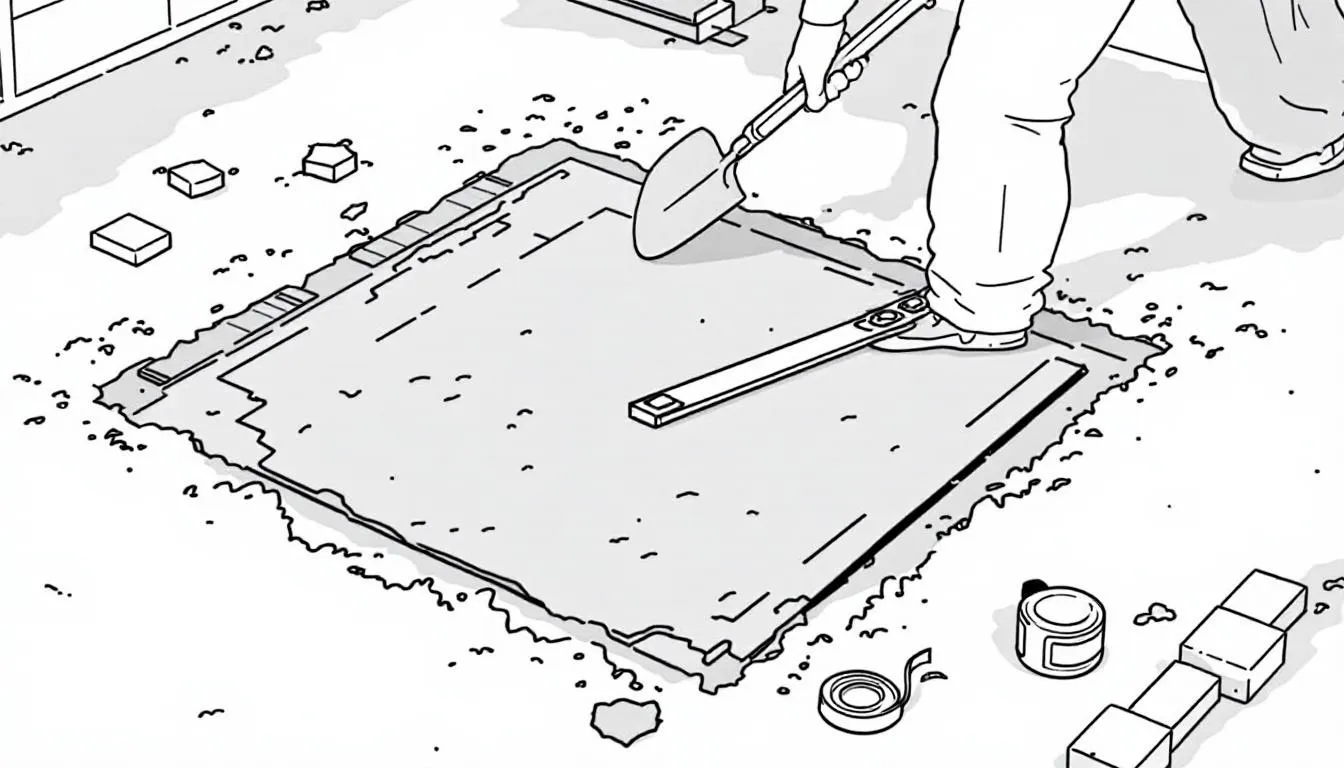
Proper ground preparation is the foundation of a durable and stable shed base. This process involves several steps:
- Clearing the area
- Measuring and marking
- Leveling the ground
- Installing a weed membrane
- Compacting the soil
- Creating proper drainage
- Double-checking for levelness.
Keep in mind that preparing the ground, especially for concrete or paving slab bases, can be time-consuming and may require extra planning.
Clearing the Area
Start by clearing the area of any vegetation and debris. This step is crucial for:
- Creating a clean and level surface is essential for the construction of a sturdy shed base.
- Removing all obstacles to help prevent unevenness.
- Promoting proper drainage contributes to your shed foundation’s longevity and stability.
Measuring and Marking
Accurate measuring and marking of the shed base area are essential to ensure it matches the actual shed dimensions. This step involves determining the exact location and size of the base, ensuring it exceeds the shed’s footprint to provide adequate support.
Proper measurements help define the exact placement and size of the shed base, ensuring a perfect fit.
Leveling the Ground
Leveling the ground is a critical step in creating a stable shed base. Using tools like shovels and rakes, you can eliminate high spots and fill in low areas to achieve a flat surface. A level surface prevents water pooling and enhances the stability of your shed, ensuring it remains secure and free from structural issues.
Installing a Weed Membrane
Installing a weed membrane is an effective measure to safeguard your shed base against weed infiltration. This barrier prevents unwanted plant growth, which could undermine the shed’s foundation. A weed membrane inhibits weed growth and maintains a clean surface for the shed, enhancing its overall durability.
Compacting the Soil
Compacting the soil is essential to prevent the shed base from sinking or shifting. Using a tamper or plate compactor, you can achieve thorough soil compaction, providing a stable foundation for your shed.
This step ensures that the ground remains firm and supports the shed structure effectively to stand.
Creating Proper Drainage
Creating proper drainage is vital to avoid water damage to the shed base. Assessing and adjusting the area’s slope can facilitate effective water drainage away from the shed. Incorporating drainage solutions like gravel layers can help channel water away, preventing water pooling and extending the shed’s lifespan.
Double-Checking for Levelness
Before proceeding with the shed base construction, it is crucial to double-check for levelness. Using a spirit level ensures that the ground is even, vital for the shed’s stability and proper functioning.
This final double check ensures that your shed base is prepared for the next steps.
Why a Sturdy Shed Base is Essential

A sturdy shed base is the foundation of a long-lasting and stable garden shed. It prevents the shed from becoming unusable by providing a stable and level platform that maintains structural integrity. A poorly constructed shed base can cause problems like water damage, rot, and uneven settling.
A solid base is especially important for metal sheds, as it ensures stability, prevents structural issues, and contributes to the shed’s overall durability.
Proper ground preparation and selecting suitable materials are crucial for achieving a solid and stable shed foundation.
Functions of a Shed Base
A well-constructed shed base serves multiple functions. It creates a barrier against moisture and soil movement, ensuring the shed remains stable and aligned. Proper drainage is necessary to prevent water damage and rot, which can compromise the shed’s structure.
A shed base controls moisture levels and provides damp proofing, enhancing the longevity and functionality of the garden building and preventing damp.
Exploring Different Shed Base Materials
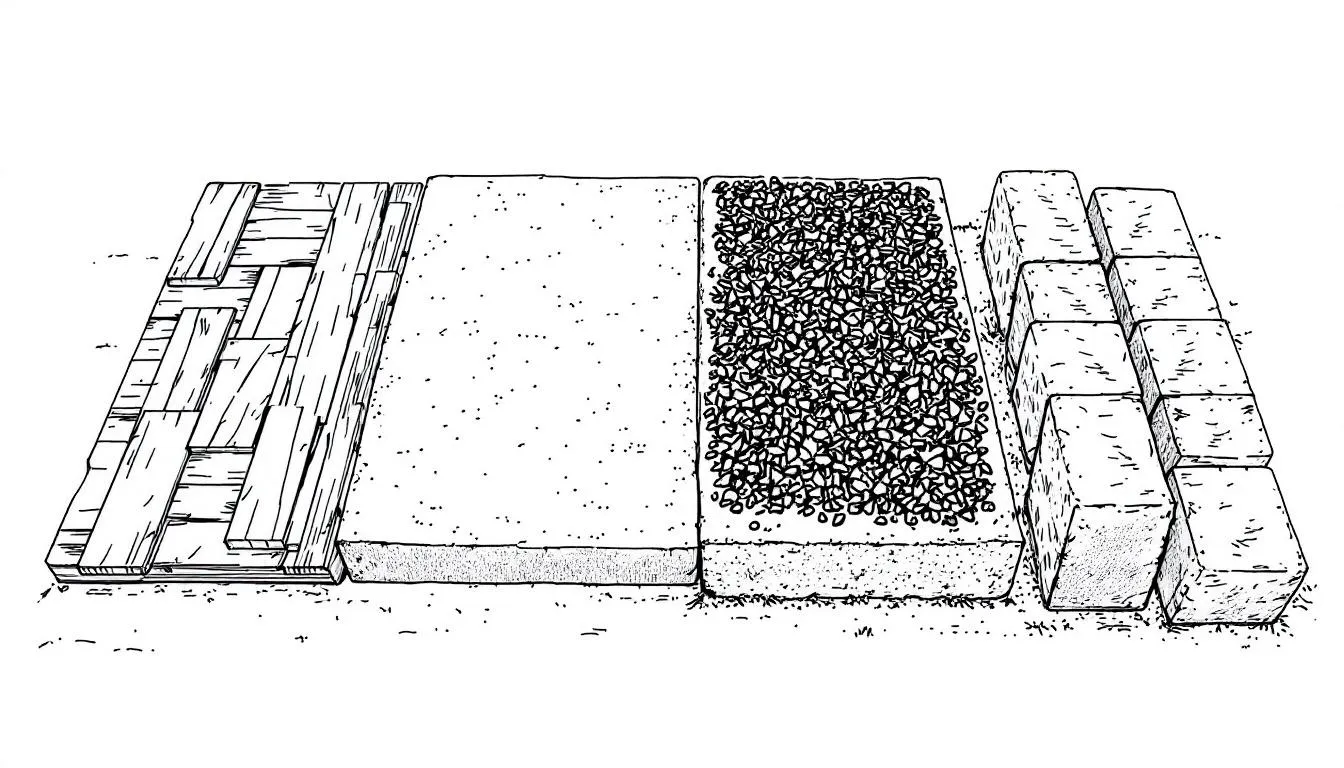
When it comes to shed base materials, there are several options to consider, each with its advantages and suitability for different shed types. Concrete slabs offer stability and durability, making them ideal for heavy structures.
Wooden bases are cost-effective and flexible, though they require regular maintenance. Plastic shed bases, particularly those made from recycled materials, are lightweight, easy to install, and provide excellent drainage. They are also strong and durable enough to support larger garden buildings, including log cabins.
Concrete Slabs
Concrete slabs are often considered a premium choice for shed bases due to their long-term stability and durability. They provide exceptional stability, making them ideal for heavy stone structures.
However, concrete slab bases require professional installation and curing time to ensure they provide a solid and stable foundation.
Wooden Shed Bases
Wooden shed bases are a versatile and cost-effective option for garden sheds. They can be customized in size and shape, providing flexibility for various shed projects. However, regular maintenance is required to prevent rot and extend their lifespan.
Overall, wooden bases offer durability, ease of assembly, and cost-effectiveness.
Plastic Grid Systems
Plastic grid systems are designed to provide a sturdy foundation for lightweight structures. They are lightweight and easy to move, making them simple to install. These grids offer excellent drainage capabilities, reducing the system’s risk of water pooling.
The shed base kit is suitable for DIY installation, including clear instructions for easy-to-assemble shed base kits.
Alternative Shed Base Options
Several innovative options exist if you’re searching for alternatives to traditional shed bases. Plastic shed bases, made from recycled materials, are becoming increasingly popular due to their durability, lightweight design, and ease of installation. These plastic bases provide a solid and stable foundation for your shed and are resistant to rot and water damage.
Wooden shed bases are another great choice, especially if you prefer a natural look. Using sustainably sourced timber, you can create a sturdy, attractive base that blends seamlessly with your garden. For those seeking a more robust solution, paving slabs or concrete slabs offer a solid and stable foundation that can support heavier garden buildings.
Shed base kits are also available, offering a quick and easy way to install a reliable base. These kits are designed for easy installation and can be laid directly on the ground, making them a convenient option for DIY enthusiasts. Whether you choose plastic, timber, or concrete, there’s a shed base solution to suit every garden and every type of shed.
Easy to Install Base Kits
For those who want a hassle-free solution, easy-to-install base kits are an excellent choice for creating a sturdy and stable foundation for their garden shed. These kits typically feature a plastic grid system and a weed membrane, making them both easy to assemble and effective at preventing water damage and rot. The plastic grids are lightweight yet durable and can be laid directly on the ground or on a prepared layer of gravel or sand.
Popular options like the ProBase plastic grid system and the EcoBearer plastic base system are made from recycled materials, offering both environmental benefits and long-lasting performance. These base kits are designed to be easy to install, even for those with minimal DIY experience, and provide a solid, stable platform for your shed. With a base kit, you can quickly create a reliable shed base that supports your garden building, protects against moisture, and extends the life of your shed. Enjoy the benefits of a well-constructed, low-maintenance shed base with minimal effort and maximum peace of mind.
Step-by-Step Guide to Building a Shed Base

Building a shed base involves several sequential steps to ensure a stable and long-lasting foundation. This guide provides expert tips for creating a durable and reliable shed base, including marking, clearing, and leveling the area.
Different materials like wooden bases, plastic bases, and concrete slabs offer various benefits, so choose the best base for your needs.
Constructing a Concrete Shed Base
Constructing a concrete shed base requires a mix of one part cement to five parts aggregate and sand. A sub-base of MOT type 1 ensures stability before pouring the concrete.
Professional installation is crucial to ensure proper curing and a stable foundation.
Building a Paving Slab Shed Base
Building a paving slabs shed base involves laying the slabs on a compacted sub-base to provide stability and proper drainage.
Ensure the layout is correct and the slabs are level to prevent moisture issues and provide a sturdy foundation for your shed.
Assembling a Wooden Shed Base
Assembling a wooden shed base requires ensuring the wooden frame is square and level to support the shed properly. This involves careful measurement and alignment to create a stable and durable base built to build a shed.
Installing a Plastic Shed Base
Installing a plastic shed base involves:
- Placing lightweight, interlocking panels that are easy to transport and assemble
- Adjusting these panels for a perfect fit
- Covering the panels with a wooden floor for added stability and shed flooring
Essential Considerations for Shed Base Installation
Before installing a shed base, consider the following:
- Check local building regulations to ensure compliance.
- Choose rot-resistant timber and treated wood to enhance durability.
- Use plastic shed bases that can be filled with gravel for added support.
Different materials impact ease of installation and longevity, so select the best base for your needs.
For the most accurate and up-to-date regulations, consult your local planning authority and use this link to access their planning portal or building control department.
Stability and Durability
Stability and durability are paramount when constructing a shed base. Utilizing quality materials like treated wood or concrete significantly enhances the base’s durability. During installation, proper compaction and leveling techniques help prevent future shifting or settling, ensuring long-term stability.
Employing a spirit level to confirm that the ground is even is also crucial for the shed’s overall performance. A solid shed base reduces the risk of structural issues by evenly distributing the shed’s weight.
Allowing for Proper Drainage
Proper drainage is essential to avoid water accumulation and potential damage to your shed base. Creating a slight slope away from the shed can help alleviate drainage issues. A damp-proof membrane is crucial to prevent moisture from damaging the concrete and the shed.
Plastic bases are designed to enhance air circulation, reduce moisture accumulation, and prolong their lifespan. Proper alignment and a level base are vital to prevent shifting and ensure effective drainage.
Benefits of Using Recycled Plastic Garden Shed Base Kits
Recycled plastic yard shed bases are an eco-friendly option that contributes to sustainability by utilizing recycled materials. These bases are lightweight, easy to install, and provide excellent drainage, making them a practical choice for shed foundations.
They also have a long lifespan and require minimal maintenance, offering environmental benefits, ease of installation, and durability in the long run.
Lightweight and Easy to Install
Installing plastic garden shed bases is quicker than traditional materials, ensuring less hassle. Following the installation instructions ensures optimal performance. These bases can be reused, making them a convenient option when moving.
Filling larger sheds with pea gravel is necessary. This helps to ensure their stability.
Longevity and Maintenance
Due to their durable construction, shed bases require minimal upkeep. The robust materials used in these bases virtually eliminate the need for repairs and regular maintenance, making them a reliable choice.
EcoBearer bases, for instance, can extend the life of your building due to their resistance to environmental degradation. Utilizing plastic bases means less worry about maintenance and greater assurance in the structure’s durability over time.
Summary
Building a shed base is essential in ensuring your garden shed’s longevity and functionality. From selecting the perfect location to preparing the ground and choosing the right materials, each step plays a critical role in creating a stable and durable foundation. Concrete slabs, wooden bases, and plastic grid systems offer unique benefits, catering to different needs and preferences. Recycled shed bases stand out for their eco-friendliness, easy installation, and minimal maintenance. By following this comprehensive guide, you’ll be well-equipped to build a sturdy shed base that will be a reliable foundation for your new shed.
Frequently Asked Questions
What is the best material for a shed base?
A concrete slab is the most suitable material for a shed base, as it provides superior stability and durability for heavier structures. However, consider wooden bases for cost-effectiveness and flexibility or plastic bases for their lightweight and easy installation with good drainage.
How do I ensure proper drainage for my shed base?
To ensure proper drainage for your shed base, create a slight slope away from the shed and incorporate a damp-proof membrane to prevent water accumulation. This will protect your shed from potential damage.
Why is leveling the ground important for a shed base?
Leveling the ground is crucial for providing a stable and even foundation for your shed, preventing potential structural issues and water pooling. A well-prepared base will enhance your shed’s longevity and functionality.
Are plastic shed bases durable?
PVC shed bases are indeed durable, constructed from robust materials that require little maintenance and offer a long lifespan, thus providing a reliable foundation for your shed.
Can I install a shed base myself?
Yes, you can install a shed base, especially if you choose DIY-friendly options like plastic grid systems. However, professional installation is advisable to ensure proper curing and stability for a concrete slab base.
