
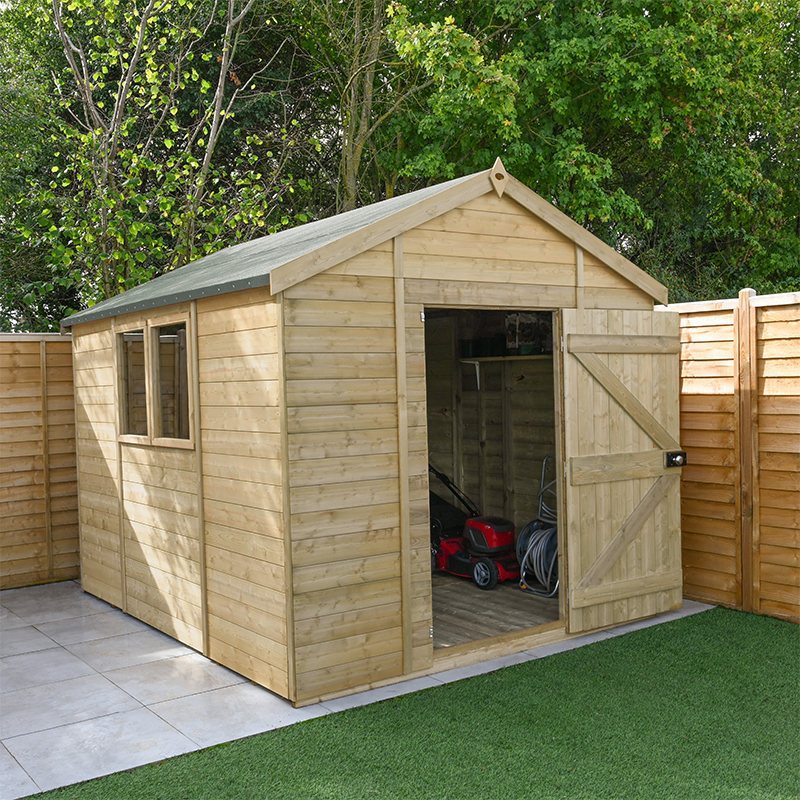
Thinking about adding a wooden shed to your garden? You’ve got two main routes: building one completely from scratch or assembling a flat pack kit. Both approaches have their merits, but the right choice depends on your DIY skills, available time, and budget. Building your own wooden shed can be incredibly rewarding, offering complete control over design and materials. However, flat pack wooden sheds provide a middle ground—giving you the satisfaction of assembly whilst eliminating the complexities of planning and measuring. In this guide, we’ll explore everything you need to know about DIY wooden sheds in the UK, from tools and timeframes to common pitfalls and when it’s worth calling in the professionals.
DIY Wooden Shed vs Buying Flat Pack — What’s the Difference?
When we talk about DIY wooden sheds, there are actually two distinct approaches. Building from scratch means purchasing timber, creating your own plans, cutting materials to size, and constructing everything yourself. This gives you complete creative freedom but requires significant woodworking experience and a full workshop of tools.
Flat pack wooden sheds, on the other hand, arrive with pre-cut timber, comprehensive instructions, and all necessary fixings. You’re essentially following a detailed assembly guide rather than designing and building from the ground up. Most UK homeowners find flat pack kits offer the perfect balance of involvement and convenience. Our comprehensive wooden sheds guide covers the various options available and helps you understand what’s involved in each approach.
The cost difference can be substantial too. Building from scratch might save money on materials, but only if you already own the necessary tools and have the skills to avoid costly mistakes. Flat pack kits often represent better value when you factor in your time and the risk of errors.
How Hard Is It to Build a Wooden Shed?
The difficulty level largely depends on which route you choose. Assembling a flat pack wooden shed typically requires basic DIY skills—think IKEA furniture but larger and outdoors. Most people with some DIY experience can manage it, especially with a helper for the trickier bits.
Building from scratch is a different story entirely. You’ll need solid carpentry skills, the ability to read and create technical drawings, and experience with various woodworking joints. Weather protection becomes crucial too, as you’ll likely need several weekends to complete the project.
For flat pack assembly, the main challenges are usually ensuring the base is perfectly level, keeping everything square during construction, and managing the roof installation. The instructions provided with quality kits are generally excellent, with clear diagrams and step-by-step guidance.
Tools You’ll Need to Build a Flat Pack Shed
One of the advantages of flat pack wooden sheds is that they require relatively few tools. Here’s what you’ll typically need:
Essential tools: Cordless drill/driver, spirit level (at least 1 metre), measuring tape, hammer, adjustable spanner, and a good quality screwdriver set. A socket set often proves handy for coach bolts.
Helpful extras: Rubber mallet for gentle persuasion, clamps to hold panels while fixing, and a second drill for pilot holes. A step ladder or platform will make roof work much safer and easier.
Preparation tools: You’ll also need tools for base preparation—typically a spade, rake, and wheelbarrow if you’re laying a gravel base, or concrete mixing tools if you’re going down that route.
Most UK tool hire shops stock these items if you don’t own them, making flat pack assembly accessible even without a fully equipped workshop.
How Long Does It Take to Build a Wooden Shed?
Timeframes vary considerably based on shed size, your experience level, and weather conditions. For flat pack wooden sheds, here are realistic expectations:
Small sheds (6×4 to 8×6): One weekend for most people, including base preparation. Experienced DIYers might complete assembly in a single day.
Medium sheds (8×8 to 10×8): Two weekends typically, with the first weekend covering base preparation and wall assembly, and the second handling the roof and finishing touches.
Large sheds (12×8 and above): Three weekends or more, particularly if you’re working alone. The sheer size makes these more physically demanding and time-consuming.
Building from scratch takes significantly longer—often 4-6 weekends for an experienced carpenter, and potentially much more for a novice. Weather delays are also more problematic when you’re working over multiple weekends.
Remember, these timeframes assume you’re working at a relaxed pace with time for tea breaks and problem-solving. Rushing shed assembly usually leads to mistakes and frustration.
Common DIY Shed Building Mistakes to Avoid
Even experienced DIYers can trip up when building wooden sheds. Here are the most common pitfalls and how to avoid them:
Inadequate base preparation: This is by far the biggest mistake. A wonky or inadequate base will cause problems throughout the shed’s life. Take time to get it perfectly level and ensure proper drainage. Our guide on whether wooden sheds need a concrete base covers your foundation options in detail.
Not checking measurements twice: With flat pack sheds, double-check that you’re positioning panels correctly before drilling. Once you’ve made holes in the wrong place, it’s difficult to recover neatly.
Ignoring the weather forecast: Starting assembly when rain is forecast is asking for trouble. Wet timber becomes harder to work with, and rushing to beat the weather leads to mistakes.
Working alone on large panels: Shed walls and roof panels are awkward and heavy. Having a helper prevents accidents and makes the job far more pleasant.
Skipping the instruction manual: Even if you’ve built sheds before, each manufacturer has their own approach. Five minutes reading the instructions can save hours of frustration later.
When to Pay for Professional Installation Instead
Sometimes, paying for professional installation makes perfect sense, even if you’re usually handy with DIY projects. Here’s when to consider calling in the experts:
Complex ground conditions: If your chosen site has significant slopes, drainage issues, or requires extensive groundwork, professionals have the right equipment and experience to handle it efficiently.
Large or complex sheds: Workshop-style sheds with multiple windows, double doors, or custom features often warrant professional installation. The time saved often justifies the cost.
Limited time availability: If you can only work on weekends and the project would stretch over months, professional installation might cost less than the inconvenience of a half-built shed dominating your garden.
Tool limitations: If you’d need to buy or hire significant tools just for this project, professional installation often proves more economical.
Many shed retailers, including ourselves, offer professional installation services that include base preparation, assembly, and cleanup. This removes all the stress whilst still giving you a quality wooden shed.
Frequently Asked Questions
Do I need planning permission to build a wooden shed?
Generally no, provided your shed meets permitted development criteria. It should be single-storey, not exceed 2.5 metres in height, and not take up more than 50% of your garden area. Sheds within 2 metres of boundaries are limited to 2.5 metres maximum height.
Can I build a wooden shed on uneven ground?
It’s possible but requires careful planning. You’ll need to create a level base using adjustable feet, concrete blocks, or by excavating and building up low areas. Professional advice is often worthwhile for significantly sloped sites.
How do I protect my DIY wooden shed from the weather?
Most flat pack sheds come pre-treated, but you’ll need to apply wood preservative annually. Ensure good drainage around the base, maintain guttering if fitted, and keep vegetation clear of the walls to promote air circulation.
What’s the best time of year to build a wooden shed?
Late spring through early autumn offers the best conditions. Avoid winter when daylight is limited and wood preservatives don’t cure properly in cold conditions. Summer can be ideal, but book any professional installation well in advance as it’s their busiest period.
Ready to Buy a Wooden Shed?
Whether you’re planning to tackle the assembly yourself or prefer professional installation, we’ve got you covered. Browse our full range of wooden garden sheds to find the perfect fit for your garden and DIY ambitions.
