

Do Wooden Sheds Need Ventilation? UK Guide 2026
Yes, wooden sheds absolutely need proper ventilation to prevent damp, condensation, and wood rot. Without adequate airflow, moisture becomes trapped inside your shed, leading to a host of problems that can damage both your building and anything stored inside. Whether you’re storing garden tools, bikes, or using your shed as a workspace, ventilation is essential for maintaining a dry, healthy environment.
In the UK’s humid climate, poor ventilation is one of the most common causes of shed deterioration. The good news is that adding ventilation to wooden sheds is straightforward and relatively inexpensive. From simple roof vents to more sophisticated systems, there are solutions to suit every budget and shed type. Let’s explore why ventilation matters and how to get it right.
Do Wooden Sheds Need Ventilation?
Absolutely. Wooden sheds require ventilation to maintain proper air circulation and prevent moisture-related problems. Even the best-built wooden garden sheds will suffer without adequate airflow.
Wood is a natural material that expands and contracts with temperature changes. When warm, moist air gets trapped inside your shed, it creates the perfect conditions for condensation to form on walls, roof, and stored items. This trapped moisture can lead to:
- Wood rot and structural damage
- Mould and mildew growth
- Rust on metal tools and equipment
- Musty odours
- Warped doors and windows
The UK’s changeable weather makes ventilation even more critical. Rain, fog, and high humidity mean moisture is constantly trying to find its way into your shed. Without proper ventilation, this moisture has nowhere to go.
What Happens if a Shed Isn’t Ventilated?
Poor ventilation creates a cascade of problems that worsen over time. Initially, you might notice condensation on windows or a slightly musty smell. However, the damage quickly escalates.
Within weeks of poor ventilation, you’ll likely see water droplets forming on the inside of your shed roof and walls. This condensation occurs when warm air meets cold surfaces, creating the perfect breeding ground for mould spores.
Over months, this constant moisture exposure causes wood to soften and rot. Floor joists, wall frames, and roof timbers all become vulnerable. Metal items stored inside begin to rust, whilst fabric and cardboard items develop mould stains.
The financial impact can be significant. Replacing rotted timber, re-treating affected areas, and replacing damaged stored items often costs more than installing proper ventilation from the start. Many shed owners also discover that insurance doesn’t cover damage caused by poor maintenance or inadequate ventilation.
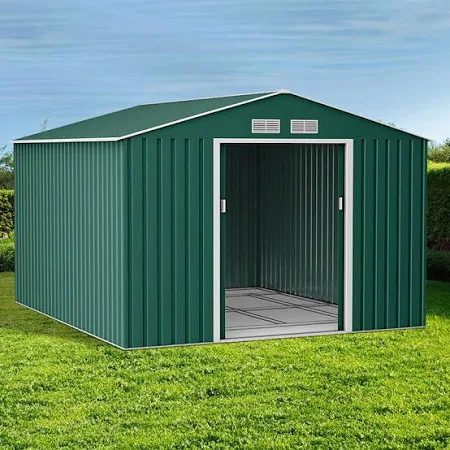
Natural vs Mechanical Ventilation for Sheds
There are two main approaches to shed ventilation: natural and mechanical systems. Most UK shed owners find natural ventilation sufficient and cost-effective.
Natural Ventilation relies on air movement created by temperature differences and wind. Warm air rises and escapes through high-level vents, whilst cooler air enters through low-level openings. This creates a continuous airflow that removes moisture without requiring electricity.
Natural ventilation benefits include:
- No running costs
- Silent operation
- Minimal maintenance required
- Works 24/7 without intervention
Mechanical Ventilation uses fans to force air movement. Whilst more expensive to install and run, mechanical systems provide consistent airflow regardless of weather conditions. They’re particularly useful for:
- Larger sheds or workshops
- Spaces used for activities generating moisture
- Areas with poor natural airflow
- Sheds storing particularly valuable items
For most garden sheds, natural ventilation proves entirely adequate. The key is positioning vents correctly to maximise airflow whilst preventing rain entry.
How to Add Ventilation to an Existing Shed
Adding ventilation to your existing wooden shed is a manageable DIY project that requires basic tools and careful planning.
Planning Your Ventilation
Start by assessing your shed’s current airflow. Look for areas where moisture collects and identify the best locations for intake and exhaust vents. Generally, you’ll want low-level vents on one side and high-level vents on the opposite side to encourage cross-ventilation.
Tools and Materials Needed:
- Drill with hole saw attachments
- Jigsaw for larger openings
- Screwdriver
- Measuring tape
- Pencil for marking
- Shed vents (plastic or metal)
- Exterior wood screws
- Weatherproof sealant
Installation Steps:
- Mark vent positions – typically 150mm from the ground for intake vents and near the roof line for exhaust vents
- Drill pilot holes at each corner of your marked area
- Use a jigsaw to cut out the vent opening
- Test fit your vent to ensure proper sizing
- Apply weatherproof sealant around the opening
- Secure the vent with appropriate screws
- Check all seals to prevent water ingress

Best Shed Vents Available in the UK
UK suppliers offer various shed vents designed for our climate conditions. Here are the most effective options for wooden sheds:
Louvre Vents are the most popular choice for shed ventilation. These adjustable vents feature angled slats that prevent rain entry whilst allowing maximum airflow. Available in plastic and metal versions, they’re easy to install and maintain.
Hit and Miss Vents provide excellent adjustability. The sliding panels allow you to control airflow according to weather conditions and seasonal requirements. They’re particularly useful in exposed locations where wind-driven rain might be problematic.
Soffit Vents work well under shed eaves, providing discreet ventilation that doesn’t compromise your shed’s appearance. They’re especially effective when combined with ridge vents to create natural airflow.
Ridge Vents run along the roof peak, providing excellent exhaust ventilation. Available in various lengths, they suit most standard shed designs and integrate well with existing rooflines.
When selecting vents, prioritise weather resistance and appropriate sizing. As a general rule, aim for one square inch of vent area per square foot of shed floor space, split equally between intake and exhaust vents.
Quality matters when choosing shed vents. Look for UV-stable materials that won’t degrade in sunlight, and ensure any metal components are galvanised or powder-coated to prevent rust.
Does a Shed With Windows Need Extra Ventilation?
Even sheds with windows typically require additional ventilation. Whilst windows provide some airflow when open, they can’t match the consistent performance of purpose-designed ventilation systems.
Windows present several limitations for shed ventilation:
- They must be closed during rain, stopping airflow when humidity is highest
- Security concerns may prevent leaving them open
- Seasonal weather often makes opening windows impractical
- Single-sided windows don’t create effective cross-ventilation
However, windows do complement proper ventilation systems. Opening windows during dry weather provides extra airflow for activities like painting or woodworking. They also help rapidly remove moisture after bringing in wet garden equipment.
If your shed experiences particular damp issues, it might be worth reading about why wooden sheds get damp and the relationship between ventilation and shed insulation.
The ideal setup combines fixed ventilation with operable windows. This provides consistent moisture control through permanent vents whilst allowing additional airflow control when needed.

Frequently Asked Questions
How many vents does a wooden shed need?
Most small to medium sheds (up to 8×6 feet) need at least two vents – one low-level intake and one high-level exhaust. Larger sheds benefit from additional vents, particularly if they’re used as workshops or store moisture-sensitive items.
Can I ventilate my shed by leaving the door slightly open?
Whilst leaving doors ajar provides some airflow, it’s not a reliable ventilation solution. Security risks, weather exposure, and the need to access your shed make this impractical. Purpose-built vents provide consistent airflow without compromising security.
Do I need different ventilation for different seasons?
Basic ventilation requirements remain constant year-round, but adjustable vents allow fine-tuning for seasonal conditions. You might reduce airflow slightly in winter to prevent excessive heat loss whilst maintaining enough circulation to prevent condensation.
Will adding vents make my shed colder in winter?
Properly sized vents create gentle air movement that prevents condensation without causing significant heat loss. If you’re concerned about temperature control, consider adjustable vents that can be partially closed during extreme weather whilst maintaining essential airflow.
Ready to Buy a Wooden Shed?
Now you understand the importance of proper ventilation for wooden sheds, you’re ready to make an informed choice. Whether you’re buying a new shed or upgrading your existing building, remember that good ventilation is an investment in your shed’s longevity. Browse our full range of wooden garden sheds and create the perfect storage solution for your garden.
