
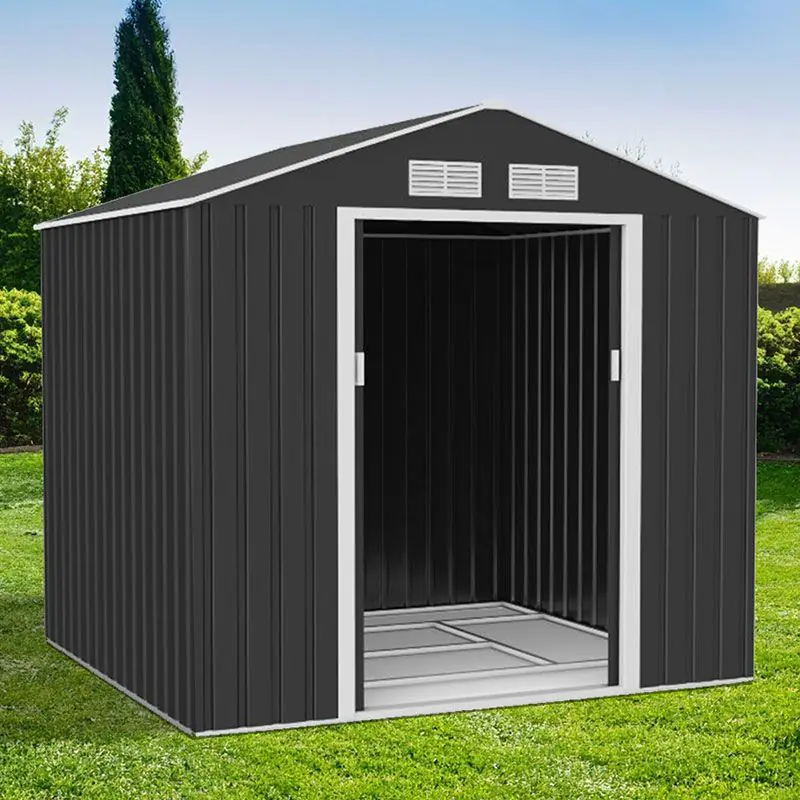
Choosing between plastic and wooden sheds is one of the biggest decisions UK homeowners face when buying garden storage. Both materials have distinct advantages, and the right choice depends on your budget, maintenance preferences, and how you want your garden to look. Plastic sheds offer virtually zero maintenance and excellent weather resistance, making them ideal for busy homeowners. Wooden sheds provide superior aesthetics, better insulation, and greater customisation options, though they require regular upkeep. In this comprehensive comparison, we’ll examine cost, durability, maintenance, appearance, and environmental impact to help you decide whether plastic or wooden sheds are better for your garden in 2026.
Wooden Sheds vs Plastic Sheds — The Key Differences
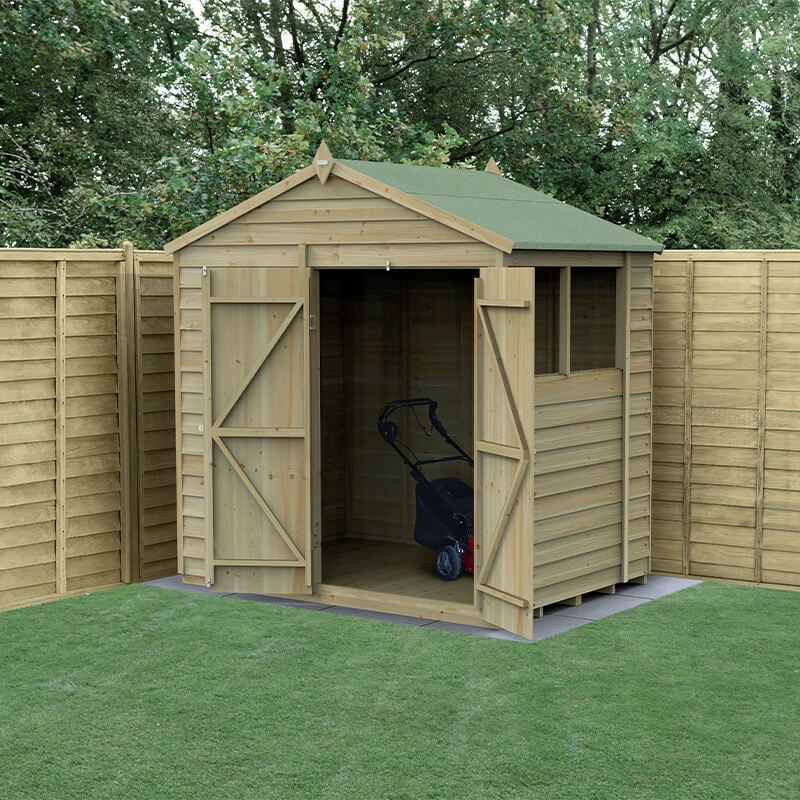
The fundamental differences between plastic and wooden sheds go far beyond just the material. Wooden sheds are typically constructed from timber like pressure-treated pine or cedar, offering natural insulation and a traditional garden building appearance. Our comprehensive wooden sheds guide covers everything you need to know about timber construction methods and wood types.
Plastic sheds use high-density polyethylene (HDPE) or vinyl materials, designed to mimic wood grain whilst providing superior weather resistance. They come as modular panels that slot together, making assembly generally quicker than wooden alternatives. The construction method affects not just appearance, but also structural strength, insulation properties, and how well each type handles the UK’s variable weather conditions.
Weight is another key difference. Wooden sheds are substantially heavier, providing natural stability but requiring stronger foundations. Plastic sheds are lighter, easier to move if needed, but may require anchoring in exposed locations prone to strong winds.

Cost Comparison: Plastic vs Wood
When comparing upfront costs, plastic and wooden sheds are often similarly priced for equivalent sizes, though wooden sheds typically offer better value for money. A basic 6×4 plastic shed might cost £300-500, whilst a comparable wooden shed ranges from £250-400, depending on timber quality and construction.
However, the true cost comparison extends beyond initial purchase price. Wooden sheds require ongoing investment in treatments, paints, and potential repairs. Budget around £30-50 annually for wood preservatives and occasional maintenance supplies. Over a 10-year period, these costs can add £300-500 to your total investment.
Plastic sheds have virtually no ongoing costs beyond occasional cleaning products. This makes them potentially more economical long-term, especially if you’re not keen on DIY maintenance. When calculating total cost of ownership, plastic sheds often work out cheaper for homeowners who prefer minimal upkeep.
Durability: Which Lasts Longer?
Durability varies significantly depending on quality and maintenance. Well-maintained wooden sheds can last 15-20 years or more, with some premium cedar sheds lasting decades. The key is consistent treatment and prompt attention to any damage. Poor maintenance can reduce lifespan to just 5-10 years as rot and pest damage take hold.
Quality plastic sheds typically last 10-15 years with minimal care, though cheaper models may become brittle or fade after 5-8 years. UV resistance varies between manufacturers, so checking warranties is essential. Plastic won’t rot, warp, or suffer pest damage, but it can crack in extreme cold or become damaged by impacts.
UK weather conditions favour different materials depending on your location. In consistently damp areas, plastic sheds have clear advantages. In more stable climates with good drainage, properly treated wooden sheds often outlast plastic alternatives. The quality of initial construction matters enormously for both materials.

Maintenance: Which Is Easier to Look After?
This is where plastic sheds clearly win. Annual maintenance typically involves nothing more than hosing down with soapy water and perhaps treating stubborn stains. There’s no painting, treating, or checking for pest damage. For time-poor homeowners, this convenience is invaluable.
Wooden sheds require regular attention to maintain their condition and longevity. Annual or bi-annual treatment with wood preservative is essential, along with checking for loose panels, damaged felt, and signs of rot or pest activity. You’ll need to budget time for painting or staining every 2-3 years to maintain appearance and protection.
However, wooden shed maintenance isn’t necessarily difficult. Many homeowners enjoy the satisfaction of maintaining their garden buildings, and keeping wooden sheds properly weatherproofed becomes routine with practice. The choice often comes down to whether you view maintenance as a chore or an enjoyable garden project.
Appearance: Which Looks Better in a UK Garden?
Aesthetic preference is highly personal, but wooden sheds generally offer superior visual appeal. Natural timber complements most garden styles, from cottage gardens to contemporary landscapes. Wood ages gracefully, developing character over time, and can be painted or stained in any colour to match your garden scheme.
Modern plastic sheds have improved dramatically, with realistic wood-grain textures and natural colour options. However, they often look obviously artificial up close, and colour choices are limited to manufacturer options. You can’t easily change the appearance if your taste or garden design evolves.
Wooden sheds also offer better customisation opportunities. You can add windows, modify doors, attach shelving, or make structural changes relatively easily. Plastic sheds are more restrictive, typically limited to the accessories and modifications the manufacturer supports. For homeowners who like to personalise their garden buildings, wood provides far more flexibility.
Which Is Better for the Environment?
Environmental considerations increasingly influence purchasing decisions. Wooden sheds have a smaller carbon footprint if sourced from sustainably managed forests, as wood is a renewable resource that stores carbon whilst growing. At end of life, wooden sheds can be recycled or disposed of naturally through composting.
Plastic sheds are manufactured from petroleum-based products, creating higher initial carbon emissions. However, their longer lifespan without treatment chemicals could offset this impact. Disposal is more problematic, as plastic sheds aren’t biodegradable, though some components may be recyclable.
The environmental equation isn’t straightforward. A wooden shed requiring frequent chemical treatments over its lifetime might have higher total environmental impact than a maintenance-free plastic alternative. Consider your maintenance approach and disposal plans when making environmentally conscious decisions.
Our Verdict — Which Should You Choose?
The best choice depends on your priorities and circumstances. Choose plastic sheds if you want minimal maintenance, have limited DIY skills, or prioritise convenience over aesthetics. They’re ideal for purely functional storage where appearance matters less than reliability and ease of ownership.
Wooden sheds suit homeowners who appreciate natural materials, want customisation flexibility, and don’t mind regular maintenance. They’re perfect if your shed will be prominently positioned where appearance matters, or if you enjoy DIY projects. Our guide to the best wooden garden sheds available in the UK showcases the quality options available.
For most UK homeowners, wooden sheds offer better value, superior aesthetics, and greater versatility. The maintenance requirements aren’t excessive if you establish a routine, and the results are more satisfying. However, plastic sheds are genuinely better for those prioritising convenience above all else.
Frequently Asked Questions
Do plastic sheds get hot in summer?
Yes, plastic sheds can become uncomfortably hot in direct sunlight as plastic doesn’t breathe like wood. Adding ventilation or positioning in partial shade helps. Wooden sheds stay cooler naturally due to better insulation properties.
Can you insulate a plastic shed?
Insulating plastic sheds is challenging due to smooth walls that don’t hold insulation well. You can add internal cladding to hold insulation, but this reduces internal space. Wooden sheds are much easier to insulate effectively.
Which is more secure against break-ins?
Neither offers exceptional security without additional measures. Wooden sheds can be reinforced more easily with stronger locks and hinges. Plastic sheds may be more vulnerable to cutting tools, but quality models include reasonable security features.
Will a plastic shed fade in the UK sun?
Quality plastic sheds include UV stabilisers to prevent fading, but cheaper models may discolour over 3-5 years. Check manufacturer warranties for colour fastness. Wooden sheds will weather naturally but can be refreshed with paint or stain.
Ready to Buy a Wooden Shed?
After comparing both options, many UK homeowners find wooden sheds offer the best combination of value, aesthetics, and functionality. Browse our full range of wooden garden sheds to find the perfect storage solution for your garden.
