

Quality Wooden Sheds UK 2026 — How to Spot the Difference
When investing in a garden shed, knowing how to identify quality wooden sheds UK suppliers offer can save you hundreds of pounds and years of frustration. With countless options available, from budget flat-pack models to premium timber buildings, the difference in quality can be dramatic. A well-built wooden shed should last decades with proper care, whilst a poor-quality alternative might start deteriorating within months.
This comprehensive guide will help you distinguish between genuine quality and clever marketing, ensuring your investment delivers long-term value. We’ll examine the key indicators that separate premium wooden sheds from inferior alternatives, covering everything from timber grades to construction techniques that matter most to UK homeowners.
What Makes a Quality Wooden Shed?
Quality wooden sheds share several fundamental characteristics that distinguish them from cheaper alternatives. The foundation of any premium shed lies in its timber quality, construction methods, and attention to detail during manufacturing.
Firstly, quality sheds use properly seasoned timber with consistent moisture content, typically around 18-20%. This prevents excessive warping, splitting, or shrinkage after installation. You’ll also notice superior joinery techniques, with mortise and tenon joints rather than simple screwed connections at critical stress points.
Premium manufacturers invest in comprehensive wooden shed construction standards that prioritise longevity over cost-cutting. This includes using galvanised or stainless steel fixings throughout, proper weatherproofing treatments, and substantial framework that won’t flex under wind loading.
The overall finish quality provides another clear indicator. High-end wooden sheds feature smooth, consistently planed surfaces, tight-fitting panels with minimal gaps, and well-aligned doors and windows that operate smoothly without binding or rattling.
Cladding Quality — Shiplap vs Overlap vs Tongue and Groove
The external cladding system fundamentally determines your shed’s weather resistance and longevity. Understanding the differences between cladding types helps identify genuine quality versus marketing terminology.
Overlap cladding represents the most basic option, with horizontal boards simply overlapping like roof tiles. Whilst functional, this method allows more air movement and provides limited weather protection. Budget sheds typically use thin overlap boards (8-10mm) that can warp easily.
Shiplap cladding offers improved weather resistance through its rebated joint system, where each board has a groove cut to accept the adjacent board’s edge. This creates a more weathertight seal whilst maintaining the traditional horizontal appearance most homeowners prefer.
Tongue and groove represents the premium cladding choice, with each board featuring a projecting tongue that fits snugly into the neighbouring board’s groove. This system provides excellent weather protection and structural rigidity, particularly when using thicker boards (19mm+).

Frame Thickness — Why It Matters
The framework thickness directly impacts your shed’s structural integrity and lifespan. Many homeowners overlook this crucial specification, focusing instead on cladding appearance or overall dimensions.
Budget sheds often use 28mm x 28mm framework timber, which provides minimal structural support and flexes noticeably under wind loading. This inadequate framing leads to door alignment problems, roof sagging, and premature weatherboard failure as the structure moves.
Quality wooden sheds typically employ 44mm x 28mm or 44mm x 44mm framework members, providing substantially greater rigidity and load-bearing capacity. Premium manufacturers may use even larger sections (50mm x 50mm) for corner posts and door frames where maximum strength is essential.
Thicker framework also allows for better insulation installation if you plan to use your shed year-round. The additional timber mass helps dampen temperature fluctuations and provides more substantial fixing points for heavy equipment or shelving systems.
Pressure Treated vs Dip Treated Timber
The timber treatment process significantly affects your shed’s resistance to rot, insect damage, and weathering. Understanding treatment differences helps evaluate long-term value propositions between various shed options.
Dip treated timber receives a basic surface application of preservative chemicals, typically through brief immersion or spraying. Whilst this provides some protection, the treatment penetrates only a few millimetres into the wood surface, leaving the core vulnerable to moisture ingress.
Pressure treated timber undergoes a more comprehensive process where preservative chemicals are forced deep into the wood structure under high pressure. This creates protection throughout the timber rather than just surface coating, dramatically improving rot resistance and insect deterrence.
Quality shed manufacturers specify pressure treated framework as standard, with many extending this treatment to all structural components including floor bearers and roof supports. The initial cost premium pays dividends through extended service life and reduced maintenance requirements.
Roof Quality — What to Look For
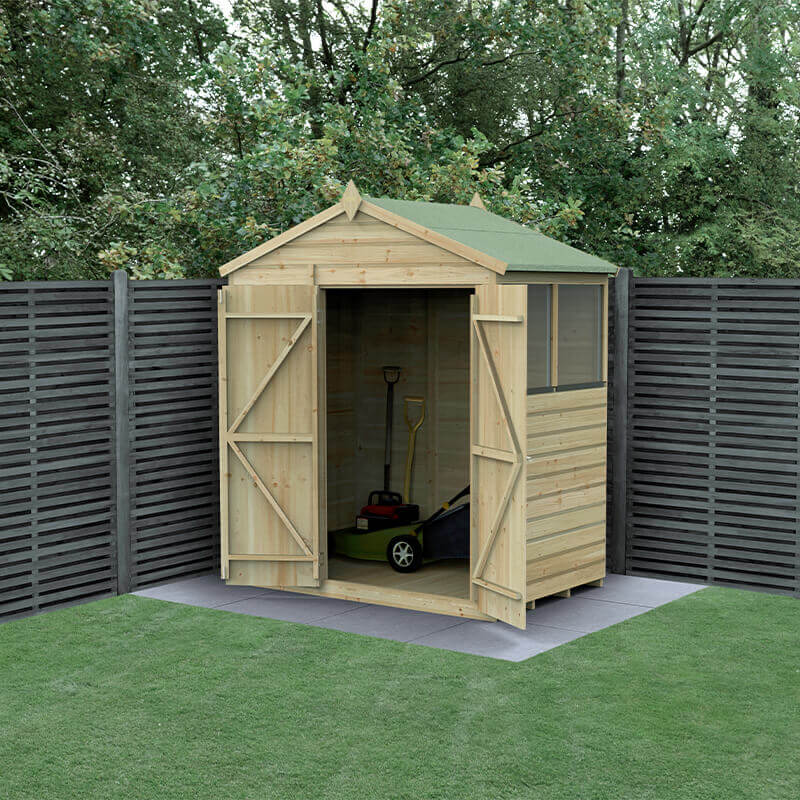
The roof system represents your shed’s primary defence against British weather conditions. Quality roofing construction involves multiple components working together to provide long-term weatherproofing and structural support.
Premium wooden sheds feature substantial roof frameworks with properly sized rafters at appropriate centres, typically 400-600mm spacing. Cheap alternatives often use inadequate timber sections or excessive spacing that allows roof sagging under snow loading or high winds.
The roof covering material varies significantly between quality levels. Basic sheds may include thin felt that requires frequent replacement, whilst premium options feature high-grade bitumen sheets, EPDM rubber membranes, or even tile-effect coatings that last decades without maintenance.
Proper roof construction includes adequate overhang to protect wall cladding, effective guttering systems where required, and sufficient ventilation to prevent condensation problems. Quality manufacturers also ensure roof slopes provide effective water runoff without creating drainage issues in your garden.
Top Quality Wooden Shed Brands in the UK
Several UK manufacturers have established reputations for producing consistently high-quality wooden sheds. These brands typically offer comprehensive warranties and use superior materials throughout their construction process.
Established names like Forest Garden, Rowlinson, and Mercia have built strong reputations through decades of quality shed production. These manufacturers invest in proper kiln-drying facilities, quality control systems, and comprehensive customer support networks.
Many quality brands now offer premium wooden garden shed ranges with enhanced specifications including thicker cladding, superior framework, and extended warranty coverage. These represent excellent value for homeowners prioritising longevity over initial cost savings.
However, brand names alone don’t guarantee quality. Always examine actual specifications, timber grades, and construction methods rather than relying solely on manufacturer reputation when making your selection decision.
How to Avoid Buying a Poor Quality Shed
Protecting yourself from poor quality purchases requires careful evaluation of specifications, supplier credentials, and realistic price expectations. Several warning signs can help identify potentially problematic shed offerings.
Extremely low prices often indicate corner-cutting in materials or construction quality. If a shed seems significantly cheaper than comparable alternatives, investigate the specifications carefully to understand what compromises have been made to achieve that price point.
Vague or incomplete specifications represent another red flag. Quality suppliers provide detailed information about timber grades, framework dimensions, cladding thickness, and treatment levels. Avoid suppliers who can’t or won’t provide specific technical details about their products.
Consider the supplier’s experience, warranty terms, and customer service reputation. Established retailers with comprehensive after-sales support provide valuable peace of mind, particularly for larger shed investments where problems could prove expensive to rectify.
For premium options, consider tongue and groove wooden shed construction which represents the gold standard for weather resistance and longevity in the UK market.
Frequently Asked Questions
How long should a quality wooden shed last?
A well-built wooden shed using pressure-treated timber and proper construction techniques should last 15-25 years with regular maintenance. Premium sheds with thicker cladding and superior framework can exceed 30 years when properly cared for.
What’s the minimum cladding thickness I should consider?
For decent longevity, look for minimum 12mm cladding thickness, though 16-19mm provides better weather resistance and structural integrity. Avoid anything below 10mm as this typically warps and deteriorates quickly in British weather conditions.
Is pressure treated timber worth the extra cost?
Absolutely. Pressure treated timber costs roughly 20-30% more initially but can double or triple your shed’s lifespan compared to dip-treated alternatives. The rot resistance and reduced maintenance requirements make this an excellent long-term investment.
Should I buy from a specialist shed retailer or general garden centre?
Specialist shed retailers typically offer better product knowledge, wider selections, and more competitive pricing due to their focused expertise. They’re also more likely to provide proper technical support and understand local planning requirements affecting shed installations.
Ready to Buy a Wooden Shed?
Now you understand what separates quality wooden sheds from inferior alternatives, you’re ready to make an informed purchasing decision. Remember that investing in proper quality saves money long-term through reduced maintenance and replacement costs.
Explore our carefully selected range of premium timber buildings: browse our full range of wooden garden sheds to find the perfect combination of quality, size, and style for your garden requirements.
