

Storage Sheds: Complete Guide to Choosing the Perfect Outdoor Storage Solution
Key Takeaways
- Storage sheds come in three primary materials—wood, metal, and plastic or resin— each offering different benefits in terms of durability, maintenance, and cost.
- Shed sizes range from compact 4x3ft units for basic tool storage to large 12x8ft buildings for workshop spaces and major equipment.
- A proper foundation is essential for all storage sheds; concrete slabs are ideal for larger units, while gravel bases are suitable for smaller structures.
- Modern storage sheds serve multiple purposes beyond basic storage, including home offices, workshops, gyms, and hobby spaces.
- Most storage sheds under 15 square meters don’t require planning permission in the UK, making them an accessible storage solution for most homeowners.
Transform your cluttered garden into an organized outdoor space with the perfect storage shed. Whether you need to store gardening tools, create a workshop, or establish a quiet home office away from household distractions, choosing the proper storage solution can dramatically improve both your outdoor space and quality of life.
Garden Sheds
The storage shed market has evolved significantly beyond basic tool storage, with modern garden buildings offering weather-resistant construction, customizable features, and multipurpose functionality. From compact units that provide reliable protection for hand tools to larger sheds that serve as complete hobby spaces, today’s options cater to diverse needs and budgets.
This comprehensive guide provides all the information you need to select, build, and maintain storage sheds. It covers everything from material comparisons and foundation requirements to legal considerations and maintenance needs. You’ll discover how to select the ideal storage solution for your available space, budget, and intended use while ensuring long-term satisfaction with your investment.
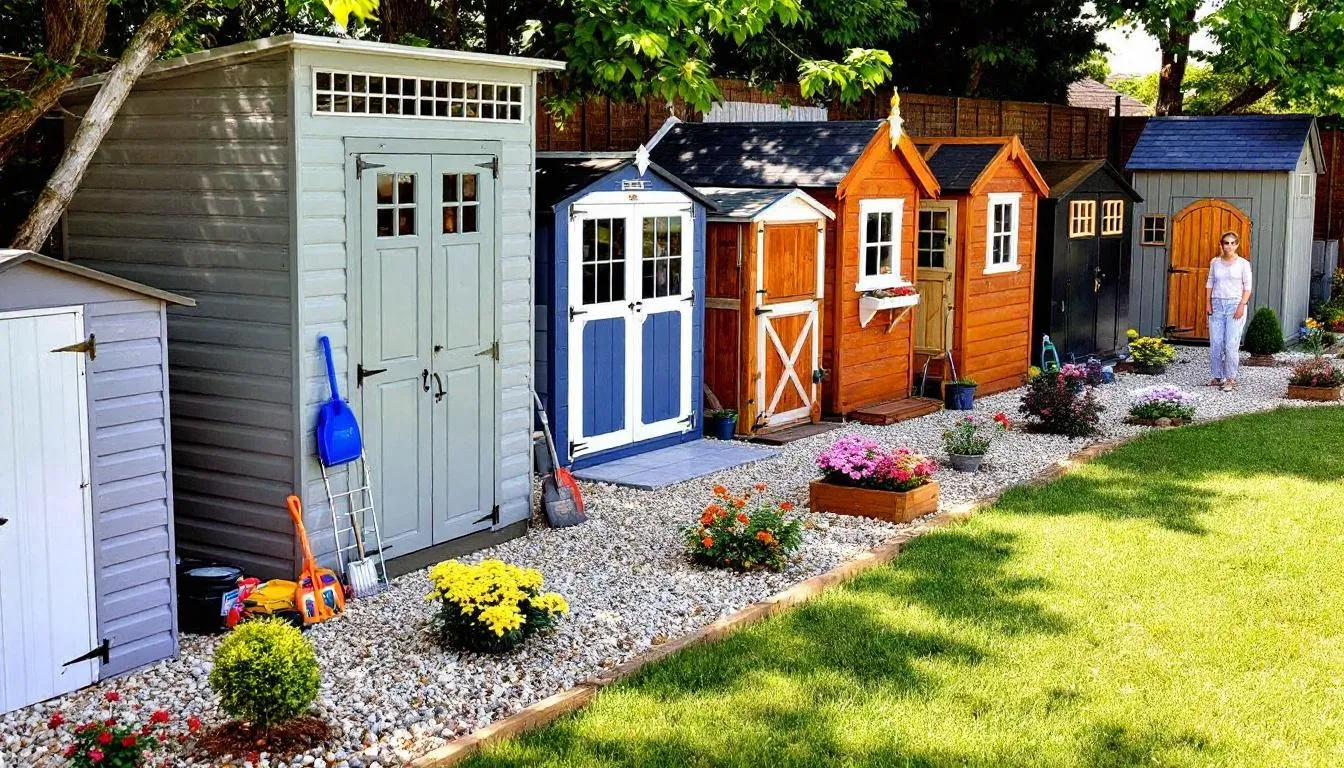
Types of Garden Buildings by Material
The material you choose for your storage shed fundamentally determines its durability, maintenance requirements, and overall cost. There is a full range of storage shed materials available to suit various preferences and requirements. Each option offers distinct advantages depending on your priorities, climate conditions, and intended use.
| Material | Initial Cost | Lifespan | Maintenance | Weather Resistance | Security |
|---|---|---|---|---|---|
| Wood | £300-£2,500 | 10-25 years | High | Good with treatment | Moderate |
| Metal | £200-£1,500 | 15-30 years | Low | Excellent | High |
| Plastic/Resin | £250-£1,200 | 10-20 years | Very low | Excellent | Moderate |
Wooden Outdoor Sheds
Wooden sheds remain the most popular choice for homeowners seeking a traditional appearance that complements their garden space. Modern wooden storage sheds use pressure-treated timber, which provides excellent protection against rot, insects, and weather damage for 10-25 years with proper maintenance. Apex roofs offer good headroom and excellent water/snow runoff, making them a practical and aesthetic choice for many gardens.
Traditional overlap construction offers an affordable entry point, with boards overlapping to create weather-tight seals. However, tongue-and-groove construction provides superior weather resistance and structural integrity, making it ideal for larger sheds or those exposed to harsh weather conditions.
The customization potential of wooden sheds sets them apart from alternatives. You can easily paint, stain, or treat the wood to match your home’s exterior or garden aesthetic. Additional features like windows, double doors, and internal shelving integrate seamlessly into wooden construction.
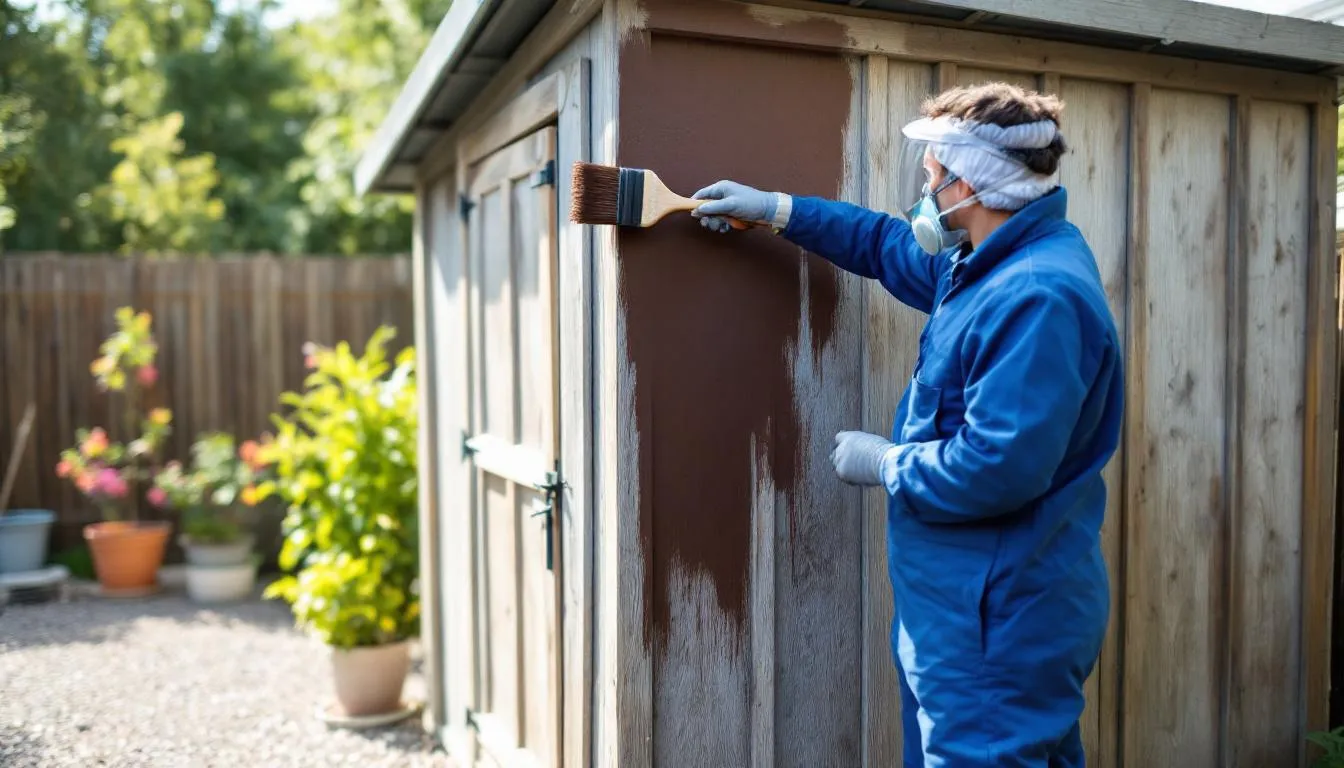
Annual maintenance keeps wooden sheds in optimal condition. This includes treating the wood with preservative, checking for loose panels, and ensuring proper drainage around the building. Regular maintenance prevents rot and significantly extends the shed’s lifespan.
Popular wooden shed sizes range from compact 6x4ft units perfect for storing gardening equipment to spacious 12x8ft buildings that accommodate workshop spaces, bikes, and outdoor toys. The natural insulation properties of wood make these larger sizes particularly suitable for year-round use.
Metal Sheds For Storage
Metal sheds, typically constructed from galvanized steel, offer exceptional security and weather resistance with minimal maintenance. The galvanization process creates a protective zinc coating that prevents rust and corrosion, ensuring decades of reliable protection for your stored items.
Security advantages make metal sheds ideal for storing valuable gardening equipment, bikes, and tools. The robust construction resists break-ins better than other materials, and many models include reinforced door frames and heavy-duty locking mechanisms. Additionally, a weatherproof shed protects valuable items from damage and extends their lifespan, ensuring long-term reliability.
Modern metal sheds come in various color options, including grey, green, silver, and wood-effect finishes that blend well with garden surroundings. The steel construction allows for clean lines and contemporary aesthetics that suit modern outdoor spaces. A single-sloping pent roof is ideal for placement against a wall or fence where height restrictions might apply, making it a practical choice for compact gardens.
Assembly requires basic tools and typically takes 4-8 hours, depending on size. Most manufacturers provide full instructions and pre-drilled panels that simplify installation. However, ensuring a perfectly level base becomes crucial for proper door alignment and weatherproofing.
Ventilation considerations prevent condensation issues common in metal buildings. Look for models with built-in vents or plan to add ventilation to maintain air circulation and protect stored items from moisture damage.
Plastic and Resin Storage Sheds
Plastic and resin storage sheds offer the ultimate low-maintenance solution for busy homeowners. Constructed from UV-resistant polypropylene or similar materials, these sheds resist fading, cracking, and weather damage while requiring only occasional washing to maintain their appearance.
Plastic sheds are available in different sizes and styles to suit a variety of storage needs and garden aesthetics.
Modern plastic sheds feature sophisticated designs that mimic the textures and colors of wood, eliminating the artificial appearance of earlier models. Many include skylights for natural light, dual entrances for convenience, and wood-effect panels that offer aesthetic appeal without maintenance.
The snap-together panel construction makes plastic sheds the easiest to assemble, often requiring only a screwdriver. Most people can complete assembly in 2-4 hours, making them ideal for those who prefer minimal installation effort.
Environmental benefits include 100% recyclable materials and sustainable manufacturing processes. When the shed eventually reaches end-of-life, the materials can be recycled into new products rather than ending up in landfills.
Weather resistance equals or exceeds other materials, with no risk of rot, rust, or insect damage. The sealed construction provides excellent protection for stored items while maintaining structural integrity through extreme temperature variations.
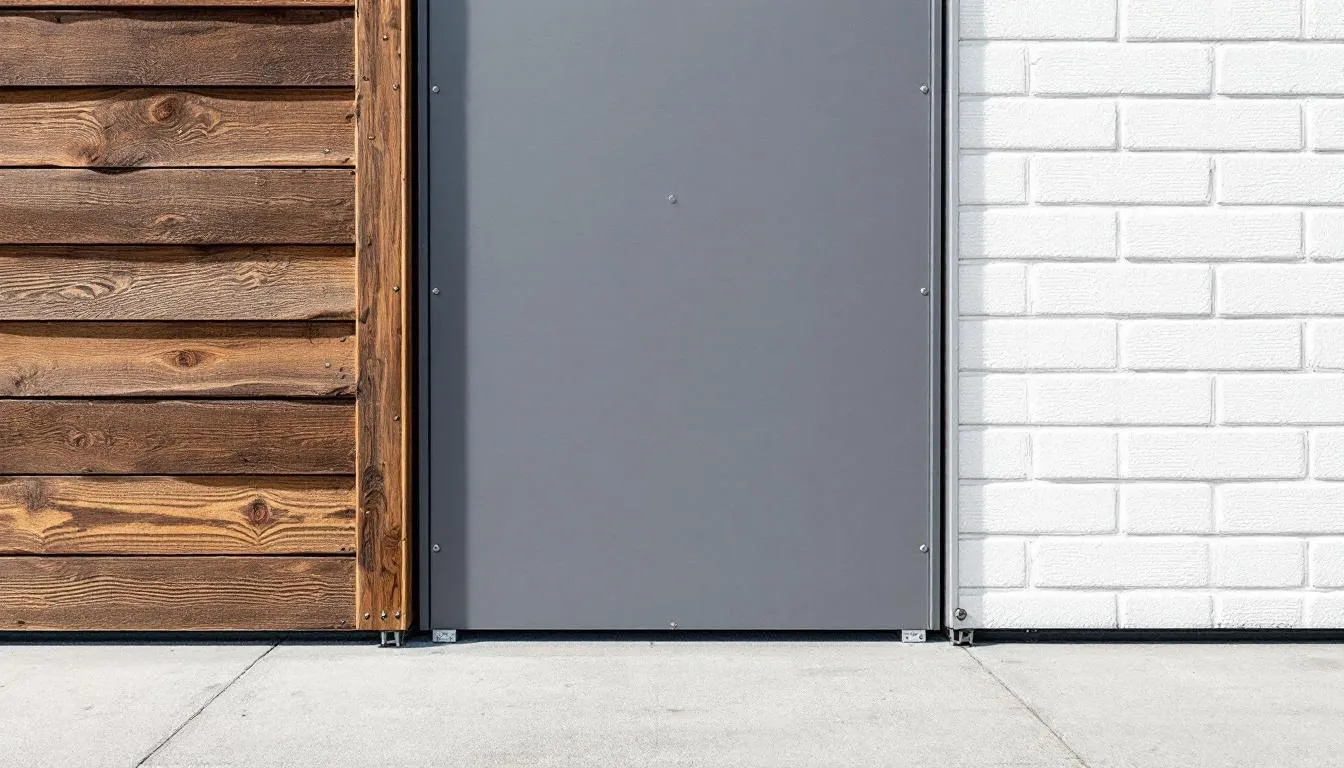
Choosing the Right Storage Shed Size
Selecting the appropriate shed size requires careful consideration of your current storage needs plus room for future expansion. Choosing the right shed size is essential to ensure it meets your storage needs and fits well within your available garden space. Undersized sheds quickly become overcrowded, while oversized units waste space and money.
Small Sheds (4x3ft to 6x4ft)
Small sheds are ideal for basic storage of hand tools, garden chemicals, and seasonal items. A 4x3ft shed typically accommodates essential gardening tools, small equipment, and supplies for modest gardens. The compact footprint fits into tight spaces while still providing organized storage.
A 6x4ft shed offers significantly more storage capacity, suitable for storing larger items such as strimmers, pressure washers, and garden furniture cushions. This size works well for average-sized gardens and provides space for wall-mounted tool organization systems.
Consider vertical storage solutions in smaller sheds to maximize capacity. Wall-mounted racks, ceiling hooks, and corner shelving units help organize tools efficiently while maintaining floor space for larger equipment.
Medium Plastic Sheds (8x6ft to 10x6ft)
Medium-sized sheds accommodate substantial storage needs, including lawnmowers, garden furniture, and multiple bikes. An 8x6ft shed provides enough space for a small ride-on mower plus extensive tool storage, making it suitable for larger gardens with significant maintenance requirements.
The 10x6ft size offers workshop potential with space for a workbench along one wall while maintaining storage capacity. This size suits households with multiple outdoor hobbies or those requiring secure storage for valuable equipment.
Plan door width carefully for medium sheds to ensure easy access for larger equipment. Standard single doors work for most items, but consider double doors if you’ll store wide equipment or need frequent access to multiple items.
Large Sheds (10x8ft to 12x8ft)
Large sheds transform from simple storage into multipurpose spaces suitable for workshops, home offices, or hobby rooms. A 10x8ft shed provides ample room for comprehensive tool storage plus workspace for projects and repairs. This size is particularly popular for larger storage spaces, offering flexibility for a range of uses.
The 12x8ft size offers genuine room flexibility, with space for multiple zones—storage, workspace, and even seating areas. This size supports conversion into garden offices, gyms, or comprehensive workshops, provided it is properly insulated and equipped with electrical installations.
Consider ceiling height in larger sheds for storage efficiency and comfort. Standard 6ft walls provide adequate storage height, while 7ft walls improve workspace comfort and allow for loft storage.
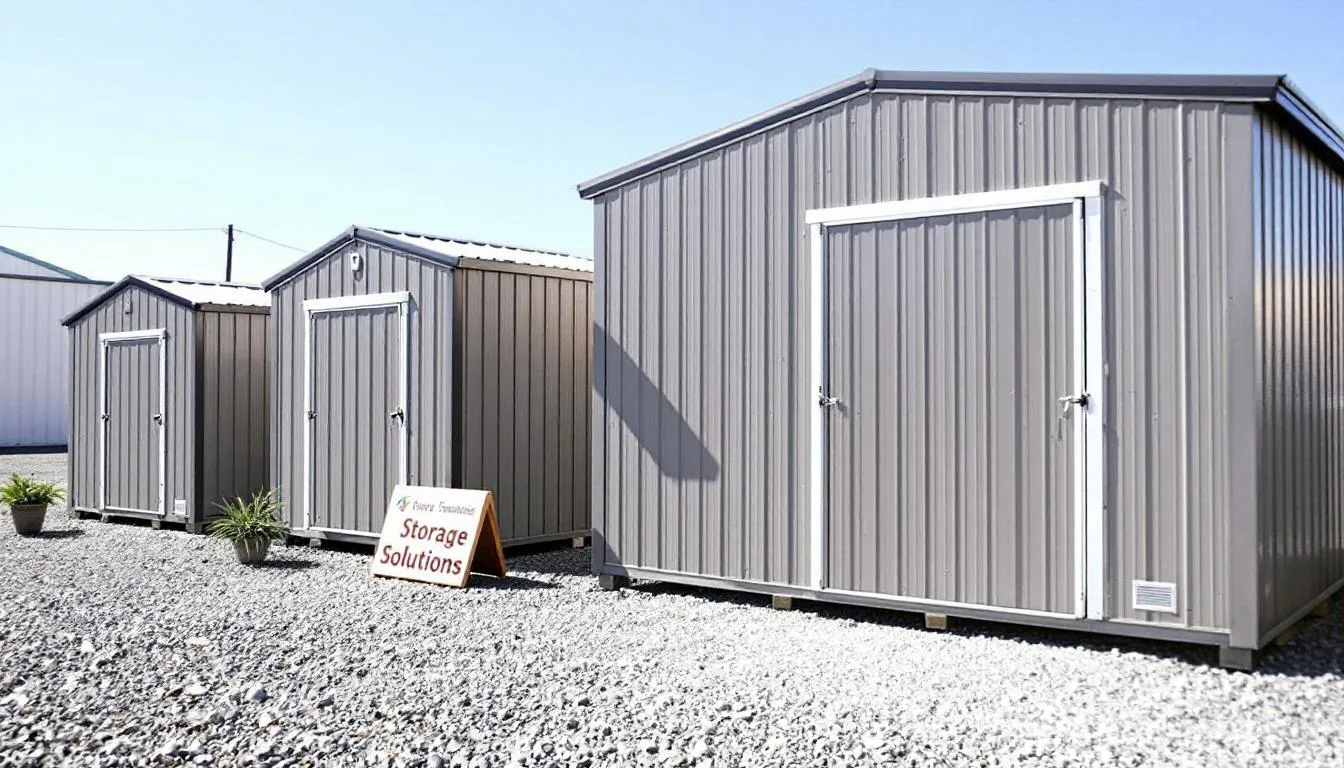
Storage Shed Foundation Requirements
A proper foundation ensures your shed remains level, dry, and structurally sound throughout its lifespan. Proper shed foundation options include poured concrete, paving slabs, or plastic/wooden grid bases filled with gravel. The foundation type depends on shed size, soil conditions, and intended use, with larger or multipurpose buildings requiring more substantial bases.
Concrete Slab Foundations
Concrete slabs provide the most stable and permanent foundation for storage sheds, particularly essential for larger buildings or those converted for office or workshop use. A properly constructed concrete base eliminates settling, provides excellent moisture protection, and creates a clean, level floor.
Slab thickness should be at least 4 inches for standard storage sheds, increasing to 6 inches for workshop applications or areas with freeze-thaw cycles. Reinforcement mesh strengthens the concrete and prevents cracking from ground movement or heavy loads.
Drainage around concrete foundations prevents water accumulation and potential structural issues. Slope the ground around the shed away from the shed and consider installing drainage gravel along the perimeter in areas with poor natural drainage.
Paving Stone Alternatives
Paving stones offer a balance between stability and cost, suitable for medium-sized sheds on reasonably level ground. Proper preparation involves excavating 4-6 inches, installing landscape fabric, and creating a level sand base before laying the stones.
Interlocking pavers provide superior stability compared to individual stones, distributing weight evenly and minimizing settling. Ensure tight joints between pavers to prevent moisture infiltration and weed growth that could affect the foundation’s integrity.
Regular maintenance includes checking for settled or shifted stones and releveling as needed. Well-installed paver foundations can last decades with minimal maintenance while allowing for easy access to utilities if needed.
Gravel Base Preparation
Gravel bases suit smaller sheds and temporary installations where permanent foundations aren’t desired. A properly prepared gravel base provides good drainage and adequate stability for basic storage applications.
Excavate 4-6 inches deep and install landscape fabric to prevent weed growth and maintain base integrity. Use crushed stone or gravel specifically designed for foundations, avoiding round river rock that doesn’t compact properly.
Compaction is crucial for gravel base success. Rent a plate compactor for best results, compacting in 2-inch lifts to achieve maximum density and stability a well-compacted gravel base rivals paver foundations for stability at lower cost.
Ground preparation requires removing vegetation, topsoil, and any soft spots that could cause settling. Check for underground utilities before excavating and ensure proper drainage away from the foundation area.
Popular Uses for Patio Sheds
Modern storage sheds serve diverse purposes beyond basic storage, transforming from simple tool repositories into functional spaces that enhance property value and lifestyle quality. Storage sheds also provide shelter for tools, equipment, and gardening activities, protecting them from weather and other external factors. Understanding these applications helps you select features and sizes that maximize your investment.
Garden Office and Garden Tools Storage
Traditional storage applications remain the primary use for most garden sheds, providing organized, secure storage for the equipment that maintains your outdoor space. Proper organization systems maximize storage capacity while ensuring easy access to frequently used items.
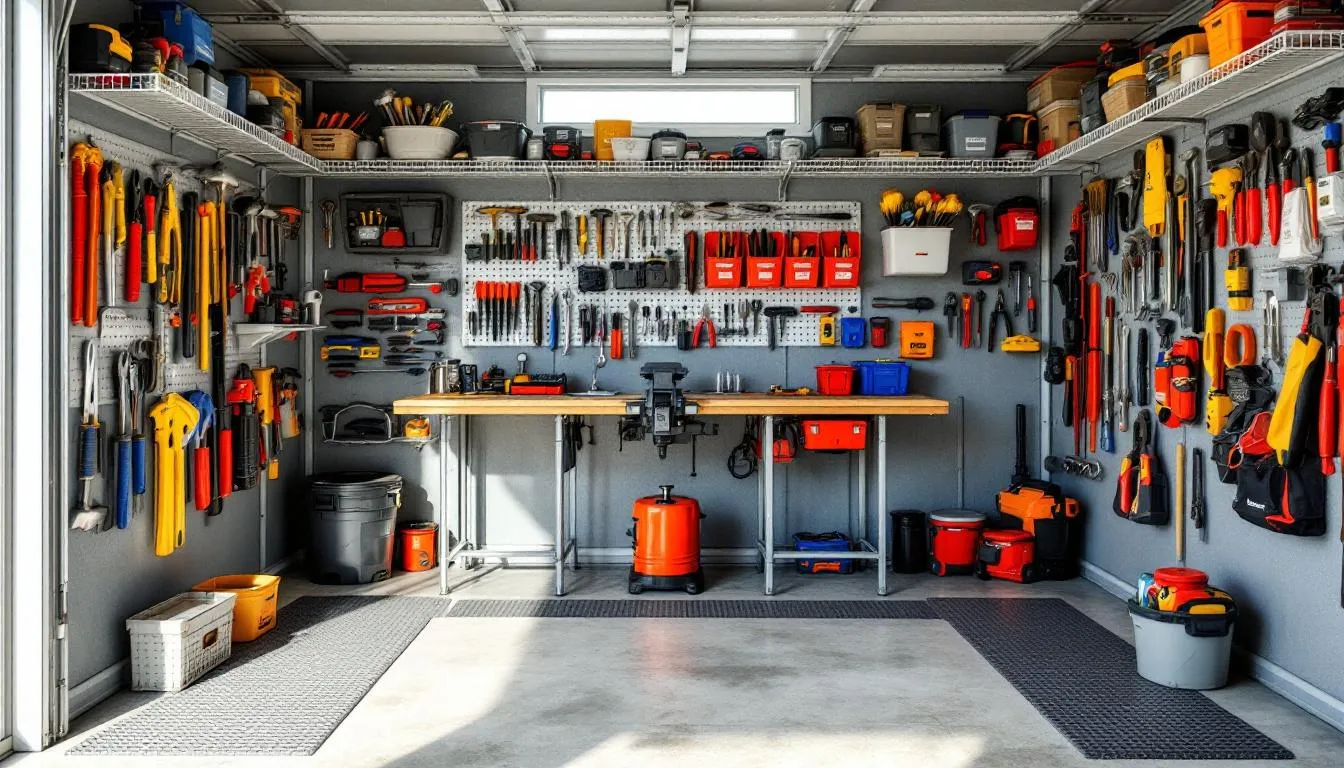
Wall-mounted tool organization systems utilize vertical space efficiently, keeping hand tools visible and easily accessible. Pegboard systems, slat walls, and custom brackets accommodate tools of various sizes while maintaining neat, organized storage.
Lawnmower storage requires careful planning for ventilation and fuel safety. Ensure adequate clearance around the mower for maintenance access and consider installing a small exhaust fan to remove fumes if you store equipment with fuel.
Seasonal equipment rotation keeps frequently used items accessible while storing seasonal tools efficiently. Plan storage zones based on usage frequency, keeping spring and summer tools easily accessible during growing season while winter equipment can be stored in less convenient locations.
Chemical and fertilizer storage demands proper ventilation and organization to prevent accidents. Install lockable cabinets for hazardous materials, ensure chemicals remain in original containers with clear labeling, and maintain separation between incompatible products.
Workshop and Hobby Spaces
Converting larger sheds into workshop spaces expands your outdoor space and functional area while providing dedicated space for projects and hobbies. Garden sheds can be used as a workshop for tasks like woodworking and cleaning tools. Successful workshop conversions require careful planning for electrical needs, ventilation, and storage organization.
Workbench installation forms the centerpiece of most workshop conversions. Choose or build benches appropriate for your planned activities, ensuring adequate height and storage underneath for tools and supplies. Consider mobile workbenches for flexibility in smaller spaces.
Electrical requirements depend on planned tool use and lighting needs. Basic circuits support hand tools and LED lighting, while serious workshops may require 240V circuits for larger equipment. Always hire qualified electricians for electrical installations to ensure safety and code compliance.
Lighting requirements exceed basic storage needs, with workshop applications benefiting from multiple light sources to eliminate shadows. Combine overhead fluorescent or LED fixtures with task lighting over work areas for optimal visibility.
Ventilation becomes crucial for workshop applications to remove dust, fumes, and heat generated by tools and projects. Install exhaust fans sized for your shed’s volume, and consider dust-collection systems for woodworking applications.
Home Office and Gym Conversions
The rise of remote work has increased demand for home office conversions, with larger sheds providing quiet, dedicated workspace separate from household distractions. A garden shed can be converted into a home office to separate personal and work life, offering a productive environment away from the main house. Successful office conversions require insulation, climate control, and internet connectivity.
Insulation requirements for year-round use include wall, ceiling, and floor insulation to maintain comfortable temperatures and reduce energy costs. Vapor barriers prevent moisture issues that could damage electronics or create uncomfortable conditions. If you are considering a Double Door Reverse Apex Wooden Shed for your garden, these insulation strategies are essential.
Internet connectivity options include WiFi extension, an ethernet cable run from the main house, or separate broadband connections for intensive use. Plan cable routes during construction to avoid exposed wiring and ensure reliable connections.
Climate control options range from portable heaters and fans for occasional use to mini-split systems for year-round comfort. If you are interested in plastic garden sheds, consider the shed’s orientation and window placement to maximize natural climate control through solar heating and cross-ventilation.
Flooring upgrades improve comfort and appearance for office applications. Options include laminate flooring over proper underlayment, carpet tiles for warmth, or polished concrete for modern aesthetics and easy maintenance.
Installation and Assembly
Most storage sheds arrive as kit packages for self-assembly, though professional installation services are available for those who prefer expert installation. When assembling a new shed, it’s essential to review the instructions and prepare the site properly for a smooth installation. Understanding the assembly process helps you prepare adequately and avoid common installation challenges.
Self-Assembly Considerations
Self-assembly typically requires 2-3 people and basic tools including drill, level, ladder, and measuring tape. Most manufacturers provide full instructions with detailed diagrams, though instruction quality varies significantly between brands and models.
Assembly timeframes range from 4 hours for small plastic sheds to 16+ hours for large wooden buildings—factor in preparation time for foundation work and potential delays from weather or unexpected challenges during assembly.
Common assembly challenges include ensuring square corners, maintaining level during construction, and achieving proper door alignment. Take time during foundation preparation and early assembly stages to ensure accuracy, as corrections become difficult once walls are in place.
Tool requirements typically include a cordless drill, a level, a measuring tape, a ladder, and basic hand tools. Some kits require specific tools, such as socket sets or reciprocating saws, so review the requirements before starting assembly.
Helper needs vary by shed size: smaller units are manageable with 2 people, while larger buildings benefit from 3-4 helpers during wall raising and roof installation. Plan assembly timing so helpers are available throughout the process to avoid partial assembly complications.
Professional Installation Services
Professional installation services eliminate assembly stress while ensuring proper construction and warranty coverage. Many shed suppliers offer installation services, though the cost typically adds 20-40% to the total project price.
Installation service benefits include proper foundation preparation, expert assembly, and warranty coverage that may be voided by improper self-assembly. Professionals also carry insurance coverage protecting against installation damage to your property.
Most postcodes have access to professional installation services, though remote locations may incur additional travel charges. Delivery services generally cover all parts of mainland UK, with many retailers offering free delivery. Contact suppliers directly to confirm service availability in your area and request detailed installation quotes.
Installation timeframes for professional services typically range from same-day installation for smaller units to 2-3 days for large buildings with foundation work. Weather delays may extend timelines, particularly for concrete foundation installations.
Maintenance and Care
Proper maintenance extends the shed’s lifespan significantly while preserving its appearance and functionality. Maintenance requirements vary by material: wooden sheds require the most attention, while plastic sheds require minimal care.
Seasonal Maintenance Schedules
Spring maintenance focuses on winter damage assessment and preparation for the active use season. Inspect for loose panels, damaged roofing, and door alignment issues that may have developed during winter weather. Clean gutters and check drainage around the foundation.
Summer maintenance emphasizes ventilation and pest prevention. Ensure vents remain clear, check for wasp nests or other pest activity, and verify door and window operation. This is ideal timing for any painting or staining of wooden sheds.
Fall preparation protects against winter weather damage. Clear gutters and downspouts, check roof integrity, and ensure proper drainage away from the foundation. Apply weatherproofing treatments to wooden sheds before winter weather arrives.
Winter checks focus on snow load management and moisture prevention. Remove excessive snow from roofs, check for ice dams, and ensure ventilation remains adequate to prevent condensation.
Material-Specific Care
Wooden shed maintenance requires annual treatment with a preservative or stain to prevent rot and maintain appearance. Check for loose boards, damaged caulking, and signs of pest activity. Address problems promptly to avoid significant repairs.
Metal shed care focuses on preventing rust and maintaining structural integrity. Clean annually with mild detergent, touch up any scratched paint promptly, and lubricate door hinges and locks. Check foundation bolts periodically to ensure secure attachment.
Plastic shed maintenance involves periodic cleaning with soap and water, plus occasional inspection of door alignment and lock operation. Many plastic sheds require only occasional hose-downs for maintenance. UV-resistant materials require no treatment, but cleaning maintains appearance and prevents dirt buildup in moving parts.
Regular maintenance prevents major problems and extends the shed’s lifespan significantly. Most maintenance tasks take 2-4 hours annually and prevent costly repairs or premature replacement. Keep maintenance records to track treatments and identify recurring issues.
Planning Permission and Legal Considerations
Understanding planning permission requirements prevents costly mistakes and potential legal issues. Most residential storage sheds fall under permitted development rights, but specific circumstances may require formal applications.
Permitted Development Rights
Storage sheds under 15 square meters typically don’t require planning permission in the UK, making them accessible additions for most homeowners. This threshold accommodates most residential storage needs while simplifying the approval process.
Height restrictions limit sheds to 2.5 meters at the eaves and 4 meters at the ridge for buildings within 2 meters of boundaries. Sheds positioned further from boundaries can exceed these heights under permitted development rights.
Boundary distance requirements specify minimum setbacks from property lines, typically 2 meters for buildings over certain heights. Check local authority guidelines as requirements vary between councils and may be more restrictive in some areas.
Exceptional circumstances may override permitted development rights, including listed buildings, conservation areas, and properties with previous planning restrictions. Contact your local planning authority to confirm requirements before construction begins.
When Applications Are Necessary
Planning permission is required when proposed sheds exceed permitted development thresholds or fall within restricted areas. Applications typically take 8-12 weeks for processing and cost several hundred pounds in fees.
Listed building consent applies to properties with historical designations, even for minor outbuildings. The approval process considers impact on the building’s character and may restrict materials, design, or positioning options.
Conservation area restrictions often impose stricter standards on new buildings, even those that typically fall under permitted development rights. Early consultation with planning officers helps identify potential issues before submitting applications.
Building regulations may apply to larger sheds or those with electrical installations, regardless of planning permission requirements. These regulations ensure structural safety and proper installation of utilities, requiring separate approval processes.
Buying Guide and Cost Considerations
Storage shed prices vary widely based on size, materials, features, and quality. Many storage sheds are available at affordable prices, making them accessible for a wide range of budgets. Understanding cost factors helps you make informed decisions and identify the best value for your specific needs and budget.
Price Range Overview
Budget options under £200 typically include small plastic or metal sheds suitable for basic tool storage. These entry-level units provide weather protection and security for essential items but may lack durability for long-term use or harsh weather conditions.
Mid-range sheds priced £200-£800 offer better materials, larger sizes, and improved features such as multiple windows, reinforced doors, and attractive finishes. This price range includes quality options for most residential storage needs with reasonable longevity expectations.
Premium sheds over £2000 feature high-quality materials, sophisticated designs, and extensive customization options. These buildings often include insulation, electrical preparation, and architectural details that complement high-end properties.
The ideal storage solution balances initial cost with long-term value, considering factors like maintenance requirements, lifespan expectations, and potential property value enhancement. Sometimes spending more initially provides better value through reduced maintenance and longer service life.
Value Comparison Factors
Material costs should be evaluated over the shed’s expected lifespan rather than just the initial purchase price. Wooden sheds may cost more initially but can last decades with proper maintenance, while cheaper materials might require replacement sooner.
Feature comparison helps identify essential versus optional elements. Basic storage needs may not justify premium features, while workshop or office conversions benefit from upgrades like extra windows, reinforced floors, and electrical preparation.
Warranty coverage varies significantly between manufacturers and often correlates with build quality. Extended warranties typically indicate the manufacturer’s confidence in its products and may provide better long-term value despite higher initial costs.
Delivery options affect total project costs, with free UK delivery available from many suppliers for orders over minimum amounts—factor in delivery charges when comparing costs, particularly for remote locations where surcharges may apply.
Installation and Additional Costs
Installation service costs typically add 20-40% to shed prices but ensure proper assembly and warranty coverage. Consider your DIY skills, available time, and potential consequences of improper installation when deciding between self-assembly and professional installation.
Foundation costs depend on the chosen base type and site conditions. Simple gravel bases cost under £100 for small sheds, while concrete slabs for larger buildings may cost £500-£1000 including materials and labor.
Additional accessories, such as shelving systems, security upgrades, and electrical installations, can significantly increase total project costs. Plan for these extras during initial budgeting to avoid cost surprises later in the project.
Seasonal sales often provide significant savings opportunities, with end-of-season clearances and early-season promotions offering substantial discounts. Plan purchases during these periods if timing allows, but ensure adequate time for delivery and installation before needed use.
FAQ
Do I need planning permission for a storage shed in my garden?
Most storage sheds under 15 square meters don’t require planning permission under permitted development rights in the UK. However, restrictions apply to boundary distances, height limits, and special property designations such as listed buildings or conservation areas. Always check with your local planning authority to confirm requirements for your specific situation, as regulations can vary between councils and property types.
How long do different types of storage sheds typically last?
Wooden sheds last 10-25 years with proper maintenance, depending on construction quality and treatment. Metal sheds typically last 15-30 years with minimal maintenance, while plastic and resin sheds last 10-20 years. The actual lifespan depends heavily on maintenance quality, local weather conditions, and usage intensity. Higher-quality materials and construction generally provide longer service life despite higher initial costs.
What’s the best way to prevent condensation inside my storage shed?
Proper ventilation is crucial for preventing condensation in all types of sheds. Install roof vents near the ridge and wall vents near the floor to create air circulation. Avoid storing wet items, ensure the shed has a proper foundation with a moisture barrier, and consider using moisture-absorbing products during humid periods. Metal sheds are particularly prone to condensation, so adequate ventilation becomes even more important.
Can I install electricity in my storage shed safely?
Yes, but electrical installation should always be done by a qualified electrician to ensure safety and code compliance. Most larger sheds can accommodate electrical installations for lighting and power outlets, but you may need building regulations approval depending on the scope of the installation. Plan electrical needs during shed selection to ensure adequate access and proper preparation for safe installation.
How do I stop my storage shed from moving or shifting over time?
A proper foundation is essential for preventing movement. Concrete slabs provide the most stability, while well-prepared gravel or paver bases work for smaller sheds. Anchor the shed to the foundation using appropriate fasteners for your foundation type. Regularly check foundation bolts and adjust as needed, especially after severe weather. Ensure proper drainage around the shed to prevent ground settling that could cause movement.
What is the difference between a potting shed and a greenhouse?
Unlike a greenhouse, which features extensive glazing and climate control to maximize sunlight and regulate temperature for plant growth, a potting shed provides a dedicated space for plant cultivation and storage without these features. A potting shed is a functional, versatile alternative for gardeners needing workspace and plant support. Still, it does not offer the same level of light or environmental control as a greenhouse.
Storage and Organization
Maximizing the storage and organization potential of your garden shed can transform your outdoor space into a tidy, efficient haven for all your gardening tools and equipment. Start by assessing the types of items you need to store—everything from bulky lawnmowers to smaller items like seeds, gloves, and hand tools. Installing sturdy shelving units along the walls of your shed helps keep gardening tools and supplies off the floor and within easy reach. Hooks and pegboards are perfect for hanging long-handled tools such as rakes, spades, and trowels, keeping them accessible without cluttering valuable floor space.
For smaller items, use labeled storage bins or baskets to keep things organized and prevent clutter. Stackable boxes or clear containers make it easy to see what’s inside, saving you time when you’re looking for specific gardening equipment. If your shed doubles as a workspace, consider adding a dedicated area for potting plants or storing frequently used tools. By keeping your garden shed organized, you’ll not only protect your equipment but also create a more enjoyable and productive garden environment.
Customizing Your Shed
Customizing your shed lets you create an outdoor space perfectly tailored to your needs and style. Whether you want to enhance functionality or add a personal touch, there are plenty of ways to make your shed stand out. Installing large windows can flood your shed with natural light, making it an inviting place to work or relax. Double doors are a practical upgrade, especially if you need to move large equipment or furniture in and out of your garden building with ease.
If you’re planning to use your shed as a garden office, consider adding insulation and electricity to create a comfortable, year-round workspace. A built-in workbench or potting bench can turn your shed into a dedicated area for gardening, DIY projects, or even creative hobbies. Don’t forget about exterior touches—paint or stain the shed to match your garden’s aesthetic, or add planters and decorative hardware for extra charm. With thoughtful customization, your shed can become a versatile and attractive feature that enhances both your garden and your lifestyle.
Accessories and Features
The right accessories and features can elevate your shed from a simple storage space to a highly functional and comfortable outdoor building. Adding a roof window or skylight brings in natural light and improves ventilation, making the shed a more pleasant place to spend time. Security is also essential—installing a shed alarm or a robust lock helps keep your belongings safe and your garden building secure.
For those who use their shed as a workspace or retreat, consider installing heating or cooling systems to maintain a comfortable temperature year-round. Organizational accessories like shelving units, hooks, and storage bins help keep your shed tidy and make the most of the available space. When selecting features, think about how you plan to use your shed and what will make your outdoor space more enjoyable and efficient. By choosing the right accessories, you can create a shed that not only meets your storage needs but also becomes a valuable extension of your garden.
Safety and Security
Ensuring the safety and security of your shed is essential for protecting your belongings and maintaining a worry-free outdoor space. Start by building your shed on a solid base, such as a concrete slab or patio, to prevent rot and structural issues. Regular maintenance—like checking for leaks, repairing damage, and keeping the area around your shed clear—will help extend the life of your building and keep it secure.
Choose a shed material that suits your needs: plastic sheds require little maintenance and are resistant to rot, while wooden sheds offer a classic look but require regular maintenance to stay in top condition. Metal sheds are durable and offer excellent security, especially when paired with a quality lock or shed alarm. Good lighting, both inside and outside the shed, can deter intruders and make it safer to access your shed at night. By investing in durable materials, performing regular maintenance, and taking simple security measures, you can enjoy peace of mind knowing your shed and its contents are well protected.
