
Key Takeaways
The National Trust is Britain’s largest heritage charity, founded in 1895 to preserve historic places and natural spaces for public benefit
- It owns over 500 historic houses, castles, gardens, and natural sites across England, Wales, and Northern Ireland, plus 780 miles of coastline
- With 5.38 million members as of 2024, it’s one of the largest membership organizations in the UK, supported by 40,000 volunteers
- Members enjoy free entry to all National Trust properties, exclusive events, and support the charity’s conservation mission
- The organization protects nearly 250,000 hectares of countryside, making it the UK’s largest private landowner
- The Trust’s primary income source is membership subscriptions
With over 5.38 million members and more than 500 historic properties under its care, the National Trust stands as one of Britain’s most influential heritage organizations. For nearly 130 years, this remarkable charity has dedicated itself to preserving the nation’s most treasured historic buildings, landscapes, and natural spaces for future generations to explore and enjoy. Membership provides free entry to over 500 properties that are usually open to the public for a charge. Most National Trust properties are open to the public for a charge.
Whether you’re planning your next visit to a stately home, considering membership, or simply curious about this iconic organization, understanding the National Trust’s mission and offerings can help you connect with Britain’s rich heritage and natural beauty. From medieval castles to ancient trees, from formal gardens to wild coastline, the Trust protects an extraordinary collection of places that tell the story of our past while safeguarding our environment for the future.
This article explores the National Trust’s history, activities, and impact on heritage and conservation.
What is the National Trust
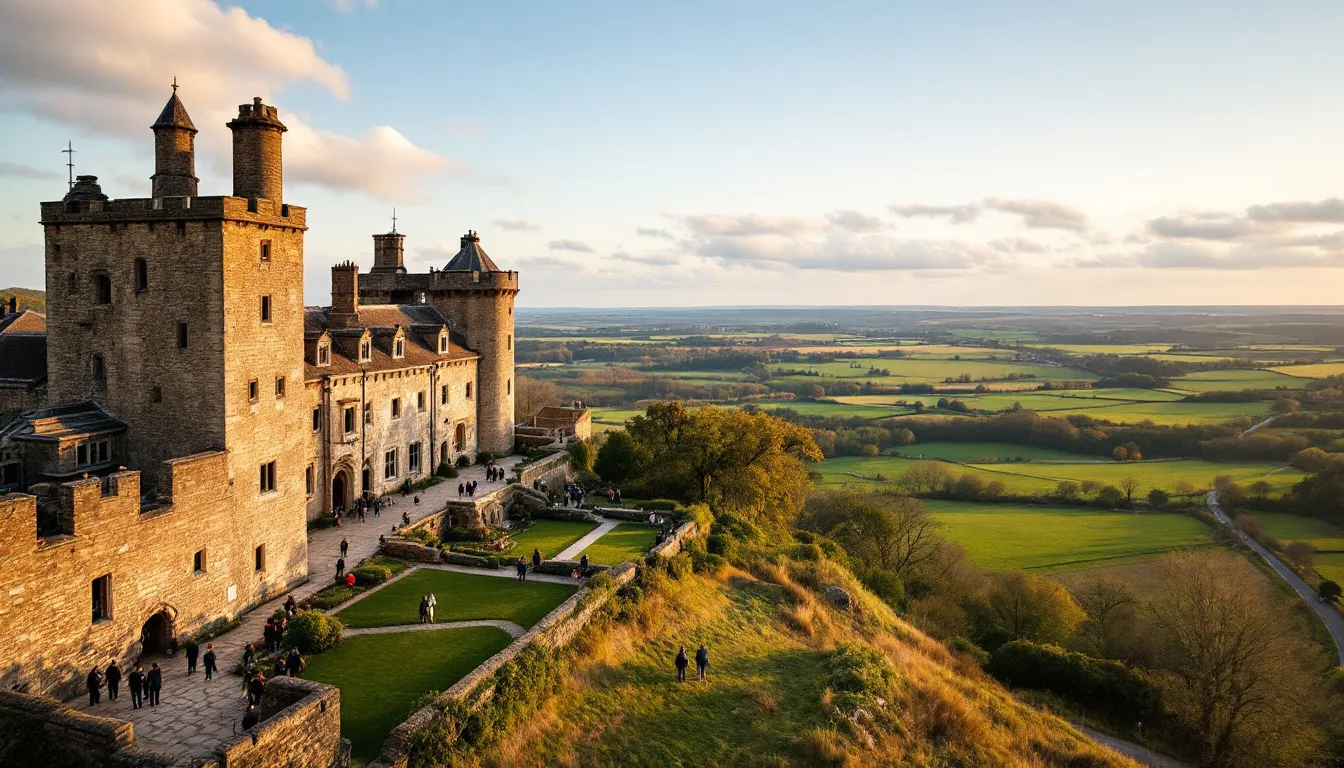
The National Trust is a heritage and nature conservation charity serving England, Wales, and Northern Ireland since 1895. Founded with the mission to preserve lands and historic buildings of beauty or historic interest for the nation, this independent organisation has grown to become one of the world’s most successful conservation charities.
Operating under special legislation that provides unique protection for its properties, the National Trust functions as an independent charity funded through membership subscriptions, donations, property income, and commercial activities. Donations and legacies have historically played a crucial role in enabling the Trust to acquire and protect significant properties, supporting its ongoing conservation efforts. Unlike many other heritage organizations, the Trust enjoys remarkable autonomy from government control while maintaining strong connections with local authorities and national institutions. Many properties are run by dedicated staff and volunteers, ensuring smooth operation and an excellent visitor experience.
The organisation is governed by a Board of Trustees and Council, with its headquarters located at Heelis in Swindon. This governance structure ensures that dedicated teams of professionals and volunteers can effectively manage the Trust’s vast portfolio of properties and conservation projects across the uk. The Trust employs thousands of staff in various roles, from property management and conservation to administration and visitor services, supporting its mission and daily operations.
What sets the National Trust apart from other heritage organizations is its unique legal status. Properties acquired by the Trust can be declared “inalienable,” meaning they cannot be sold, mortgaged, or compulsory purchased without Parliamentary approval. This power provides unprecedented protection for Britain’s heritage, ensuring these treasures remain accessible to the public forever.
History and Foundation
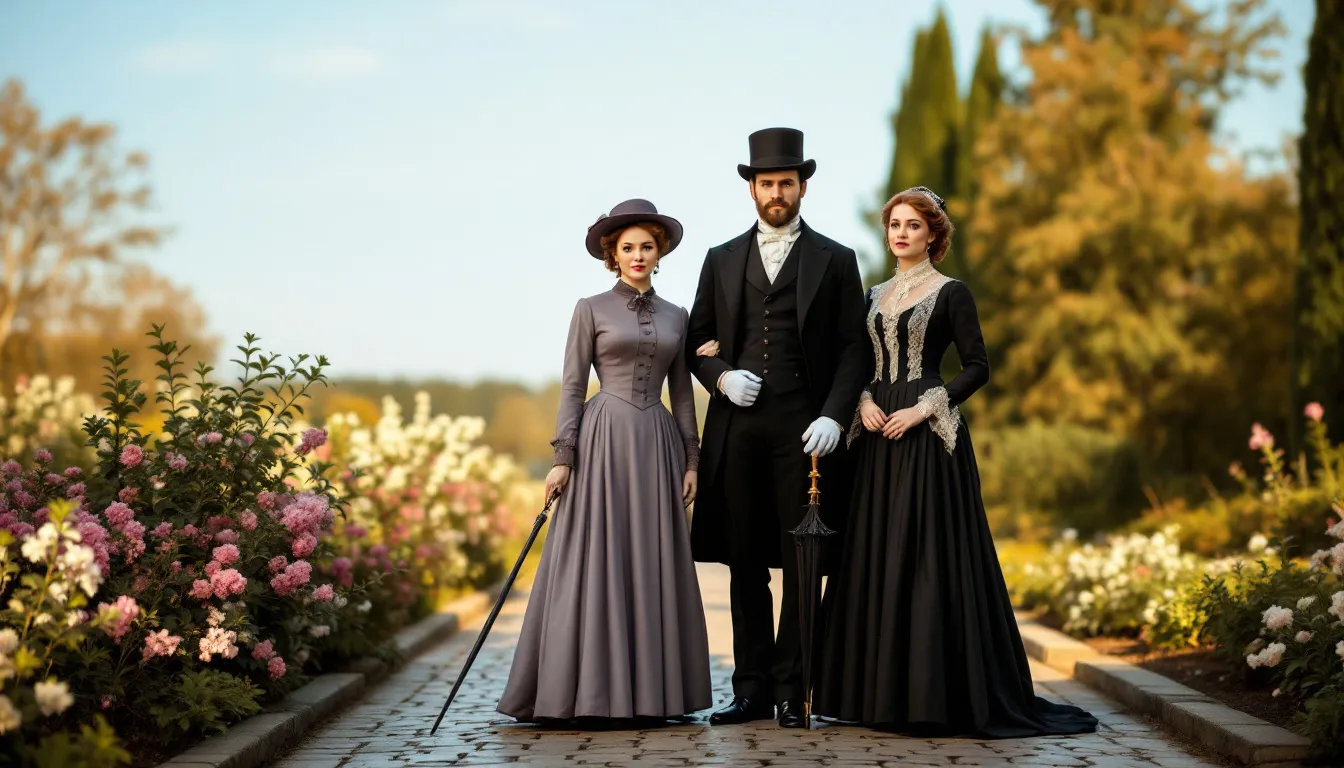
The National Trust was founded in 1895 by three Victorian philanthropists who shared a vision of protecting Britain’s threatened heritage. Octavia Hill, a housing reformer and social activist, Sir Robert Hunter, a solicitor specializing in commons and open spaces, and Canon Hardwicke Rawnsley, a Lake District vicar and conservationist, led the early efforts to protect Britain’s heritage, guiding the formation of an organization that would hold land and buildings “for the benefit of the nation.” Follow the journey of the Trust’s founders as they established the organization and shaped its mission. The Trust acquired its first building, Alfriston Clergy House, in 1896 for £10, which required significant repairs after acquisition.
Their timing proved crucial. The rapid industrialization of the late 19th century threatened many of Britain’s most beautiful landscapes and historic buildings. These three visionaries recognized that without intervention, countless irreplaceable sites would be lost to development or neglect.
The Trust’s first property acquisition came in 1896 when it purchased Alfriston Clergy House in East Sussex for just £10. This modest 14th-century building became the foundation of what would grow into Britain’s largest private landowner. The early focus centered on protecting threatened landscapes and historic buildings from industrial development, establishing a pattern of rescue and preservation that continues today.
The Country House Scheme
A pivotal moment in the Trust’s history came with the establishment of the Country House Scheme in 1936. This innovative program was created to help preserve country houses struggling with post-war economic pressures, death duties, and changing social conditions.
The National Trust Acts of 1937 and 1939 enabled property owners to transfer their historic houses and estates to the Trust while continuing to live in them. This arrangement allowed families to remain in their ancestral homes while ensuring the properties’ long-term preservation and public access. The Trust’s acquisition of country houses often included agreements allowing former owners to continue living in the properties with public access.
Following World War II, the National Land Fund was established to support the acquisition of historic houses and estates through the acceptance of properties in lieu of death duties. This scheme proved remarkably successful, enabling the Trust to save hundreds of stately homes that might otherwise have been demolished or sold for development.
Some of the Trust’s most celebrated properties came through this scheme, including Blickling Hall in Norfolk, Cliveden in Buckinghamshire, and dozens of other magnificent homes that now welcome millions of visitors annually. The National Trust is also responsible for several UNESCO World Heritage Sites, including the Lake District, Stonehenge and Avebury, and the Giant’s Causeway.
Enterprise Neptune Campaign
Launched in 1965, Enterprise Neptune represents one of the most successful conservation campaigns in British history. This ambitious project aimed to protect Britain’s coastline from the increasing threats of development, pollution, and inappropriate land use.
The campaign successfully raised funds to purchase threatened coastal areas across England, Wales, and Northern Ireland. Through a combination of donations, legacies, and government support, Enterprise Neptune has protected 780 miles of coastline – representing about one-fifth of the total coast in these regions.
The campaign continues today, adapting to new challenges such as climate change, coastal erosion, and rising sea levels. Recent acquisitions include important stretches of the Cornish coast, Northumberland beaches, and Welsh cliff tops, ensuring these spectacular landscapes remain accessible to the public while protecting vital wildlife habitats.
Properties and Locations
The National Trust’s property portfolio encompasses an extraordinary range of sites across England, Wales, and Northern Ireland. With over 500 historic properties and nearly 250,000 hectares of countryside, parks, and farmland, the Trust protects everything from medieval castles to 20th-century houses, working farms to nature reserves.
The diversity of Trust properties reflects Britain’s rich history and varied landscapes. Properties range from grand country houses filled with priceless art collections to humble cottages that tell the stories of ordinary people. The importance of the cottage as a smaller, more personal dwelling is highlighted by its role in preserving the everyday heritage of the nation. Ancient trees mark boundaries of estates that have been carefully managed for centuries, while formal gardens showcase centuries of horticultural innovation.
Each property tells unique stories about the people who created, lived in, and worked these places. Each place holds cultural, architectural, or natural significance, making it a valuable heritage asset. Whether you’re exploring a Tudor mansion, walking through a Victorian garden, or discovering an Iron Age hill fort, every visit offers opportunities to connect with the past while enjoying the beauty of these carefully preserved places.
Historic Houses and Castles
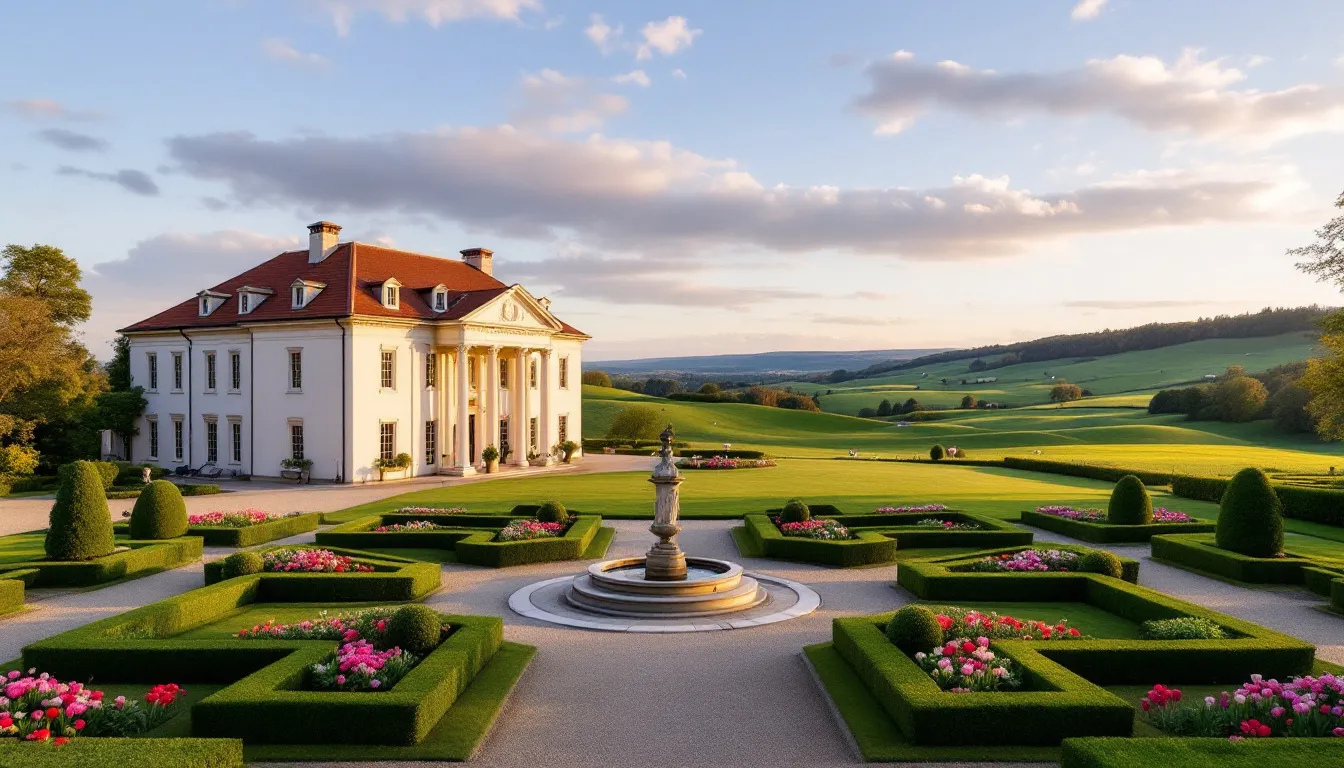
The Trust cares for over 200 historic houses, mostly large country houses complete with their original furnishings and art collections. These properties span periods from medieval times to the 20th century, offering visitors the chance to experience how different generations lived, worked, and entertained.
Among the Trust’s 41 castles, visitors can explore everything from Norman fortresses to romantic ruins. Warwick Castle showcases medieval military architecture, while Bodiam Castle in East Sussex presents one of England’s most picturesque moated castles. Corfe Castle in Dorset, though now ruined, still dominates its landscape and tells dramatic stories of civil war and royal intrigue.
Many properties feature important art collections that would be impossible to see elsewhere. The Trust’s houses contain works by Turner, Gainsborough, Reynolds, and countless other masters, displayed in the rooms for which they were originally intended. These collections include not just paintings but furniture, textiles, books, and decorative arts that provide insight into changing tastes and lifestyles across the centuries. The Trust cares for a vast collection of nearly a million works of art, along with furniture and other items of national and historical interest.
The houses also preserve the stories of famous figures who once called them home. Chartwell in Kent was Winston Churchill’s beloved family home, while Hill Top in the Lake District inspired Beatrix Potter’s beloved children’s books—her name ‘Heelis’ comes from her married name, reflecting her status as a married woman and her connection to the Trust through her estate and support. Down House in Kent was where Charles Darwin developed his theory of evolution, and Monk’s House in Sussex was Virginia Woolf’s country retreat.
Gardens and Landscapes
The Trust’s gardens represent some of the finest examples of landscape design and horticulture in Britain. From formal 17th-century parterre gardens to naturalistic landscapes inspired by Capability Brown, these outdoor spaces showcase centuries of gardening innovation and artistry.
Sissinghurst Castle Garden in Kent, created by Vita Sackville-West and Harold Nicolson, demonstrates how a 20th-century garden can honor historical traditions while expressing contemporary vision. Hidcote Manor Garden in Gloucestershire pioneered the concept of garden “rooms,” each with its own character and planting scheme. Stourhead in Wiltshire presents one of the world’s finest landscape gardens, where classical temples reflect in carefully composed lake views.
Working kitchen gardens, orchards, and plant collections at many properties demonstrate historical approaches to food production and preservation. Visitors can learn about heritage varieties of fruits and vegetables, traditional growing methods, and seasonal garden management that sustained great houses for centuries.
Seasonal displays ensure that gardens offer year-round interest. Spring brings spectacular displays of bulbs and blossoms, summer showcases herbaceous borders at their peak, autumn offers stunning foliage colors, and winter reveals garden structure and evergreen plantings.
Natural and Coastal Areas
Beyond its historic properties, the Trust protects vast areas of countryside that showcase Britain’s natural heritage. The organization owns approximately 25% of the Lake District and 12% of the Peak District National Park, ensuring these iconic landscapes remain accessible to all. By the time of its centenary in 1995, the National Trust owned or looked after over 670,000 acres of countryside, reflecting its substantial growth over the years. Additionally, the Trust preserves industrial monuments and archaeological sites, safeguarding these important aspects of Britain’s heritage for future generations.
Forests, woods, woodlands, moorlands, downs, and farmland across Britain fall under Trust protection. These areas provide crucial wildlife habitats and Sites of Special Scientific Interest while offering countless opportunities for walking, cycling, and outdoor recreation. Many properties feature ancient trees – some over 1,000 years old – that serve as living links to Britain’s natural past.
The Trust’s coastal protection work encompasses beaches, cliffs, islands, and marine environments. From the dramatic granite cliffs of Cornwall to the salt marshes of Norfolk, these areas support diverse wildlife while providing spectacular settings for coastal walks and wildlife watching.
Working farms within the Trust’s portfolio demonstrate sustainable land management practices that balance conservation with agricultural production. These properties show how traditional farming methods can support biodiversity while producing food, and many offer visitors the chance to learn about rural life and agricultural heritage.
Regional Highlights
The National Trust’s reach extends across the UK, offering a wealth of historic buildings, gardens, and landscapes for everyone to discover. In Northern Ireland, visitors are treated to breathtaking countryside and dramatic coastlines, where ancient trees and wild beauty create unforgettable experiences. England boasts some of the Trust’s most iconic castles and stately homes, each set within picturesque gardens and parklands that invite exploration in every season. Birmingham stands out as an official Nature City, recognized for its environmental initiatives and as a key example of urban natural spaces and conservation efforts within the Trust’s projects. In Wales, the rugged countryside and historic houses reflect a rich cultural heritage, while Scotland’s Trust properties—though managed by a separate organisation—complement the story of Britain’s shared past.
Dedicated teams work tirelessly alongside local authorities to care for these treasured sites, ensuring that the heritage and natural beauty of each region are preserved for future generations. Whether you’re wandering through a centuries-old garden, attending a lively autumn festival, or simply enjoying a peaceful walk in the great outdoors, every visit offers a new way to connect with the UK’s diverse landscapes and history.
No matter where you are in the country, the National Trust provides countless opportunities to experience the changing seasons, from the golden hues of autumn woodlands to the vibrant blooms of spring gardens. Planning your next visit could mean exploring a medieval castle in England, discovering hidden gems in the Welsh countryside, or soaking up the natural wonders of Northern Ireland. With so many unique places to visit, the Trust invites you to step into the past, celebrate the present, and help protect these special places for the future.
Membership and Visitor Experience
With 5.38 million members as of 2024, the National Trust has become one of Europe’s largest membership organizations. This remarkable membership base provides the financial foundation for the Trust’s conservation work while ensuring millions of people maintain direct connections to Britain’s heritage. As of the year ending February 2024, the National Trust had 5.38 million members.
Members receive free entry to over 500 properties that normally charge admission, making membership excellent value for anyone planning to visit multiple sites. Annual membership costs vary by type, with adult, family, and senior options available. Direct debit options offer discounts, recognizing that regular giving provides the Trust with stable income for long-term planning.
Additional membership benefits include free parking at most properties, a quarterly magazine featuring articles about Trust properties and conservation work, and access to special member events. The Trust also maintains reciprocal arrangements with International National Trusts, providing members with access to heritage sites worldwide.
The membership community extends far beyond simple property access. Members receive regular updates about conservation projects, new acquisitions, and restoration work. Many feel a genuine sense of ownership and involvement in protecting Britain’s heritage for future generations.

Visiting National Trust Properties
Most National Trust properties open seasonally, with varying hours depending on location and time of year. Many countryside and coastal areas provide free access year-round, allowing visitors to enjoy walks, wildlife watching, and outdoor recreation without charge. Visitors can easily find information about locations, attractions, and events through the Trust’s website or visitor guides.
Properties typically offer excellent facilities including visitor centers, shops, cafes, and restaurants. Many sites feature locally sourced food and products that reflect regional specialties and support local economies. The Trust’s shops offer everything from plants and garden tools to books and gifts that help visitors remember their experiences.
Audio guides, tours, and educational programs are available at major properties, helping visitors understand the significance of what they’re seeing. Knowledgeable volunteers, often with deep expertise in their subjects, lead guided tours that bring properties to life with stories, anecdotes, and historical context.
The Trust maintains dog-friendly policies at many outdoor locations and some indoor areas, recognizing that pets are important family members. However, policies vary by property, so visitors should check specific guidelines before bringing dogs to any site.
Conservation and Environmental Work
As a leading environmental charity, the National Trust addresses urgent challenges including climate change, biodiversity loss, and habitat restoration across its vast estate. The organization has committed to achieving net-zero carbon emissions by 2030, demonstrating how large landowners can lead environmental action. Nature conservation is increasingly important as nature depletes faster in the UK than almost anywhere else in the world, making the Trust’s efforts critical in reversing this trend and protecting biodiversity.
Nature recovery projects across farmland, forests, and coastal areas focus on creating connected habitats that support wildlife movement and breeding. These initiatives include restoring wetlands, creating wildflower meadows, and establishing woodland corridors that link fragmented habitats.
The Trust implements sustainable farming practices across its agricultural land, including organic farming methods and wildlife-friendly field margins. These approaches demonstrate how food production can coexist with conservation, providing models for broader agricultural change.
Research and monitoring programs track climate change impacts on both historic buildings and landscapes. This work informs conservation strategies and helps the Trust adapt its management practices to changing conditions.
Current Conservation Projects
The Trust’s Nature and Climate Change strategy addresses environmental challenges through practical action and policy advocacy. Projects range from large-scale habitat restoration to detailed research on species recovery and landscape resilience.
Coastline protection initiatives respond to erosion and sea-level rise through both natural and engineered solutions. These projects often involve working with local authorities and government agencies to develop comprehensive coastal management strategies.
Historic building conservation employs traditional materials and techniques while incorporating modern understanding of building physics and environmental control. The Trust’s dedicated teams of craftspeople maintain skills in lime mortars, traditional roofing, and historical building techniques that might otherwise be lost.
Species reintroduction programs have successfully returned beavers, water voles, and various native tree species to appropriate habitats. These projects often involve partnerships with other conservation organizations and require careful monitoring to ensure success. Research in 2020 revealed that one third of National Trust properties have connections to colonialism and historic slavery, prompting the Trust to expand its interpretation of these sites to include these narratives.
Activities and Experiences
The National Trust offers a year-round events program that includes festivals, exhibitions, and seasonal celebrations across its properties. These events help visitors connect with heritage in new ways while supporting local communities and artists. In recognition of National Lottery funding, the Trust allows lottery ticket holders free entry to over 100 properties for a few days annually.
Educational activities serve schools, families, and special interest groups through hands-on programs that bring history and nature to life. Many properties offer curriculum-linked sessions that support classroom learning while providing memorable experiences outside traditional educational settings.
Walking and cycling routes through Trust properties provide healthy recreation while showcasing landscapes and wildlife. Many properties feature waymarked trails suitable for different fitness levels, from gentle strolls through gardens to challenging hill walks.
Holiday cottages available for rent in historic and scenic locations allow visitors to experience Trust properties in depth. These accommodations range from converted farm buildings to apartments within historic houses, providing unique opportunities to stay within protected landscapes.
Weddings and corporate events at selected properties offer memorable settings while generating income that supports conservation work. The Trust’s event teams help couples and organizations create occasions that respect the historical significance of these special places.
Family Activities
The Trust’s “50 Things” campaign encourages children to connect with nature before age 11¾ through outdoor adventures and discovery activities. This initiative recognizes that childhood experiences in nature create lifelong connections to environmental protection. Autumn activities include foraging for wild food and playing conkers, as listed in the ’50 things to do before you’re 11¾.’ Blackberry picking is another popular outdoor activity during the autumn season, offering families a chance to engage with nature while enjoying its seasonal bounty.
Adventure playgrounds, family trails, and hands-on activities make Trust properties appealing to visitors of all ages. Many sites feature natural play areas where children can climb trees, build dens, and explore safely while parents enjoy the gardens or historic interiors.
School holiday programs and seasonal events like Easter egg hunts provide special experiences that create lasting family memories. These activities often incorporate educational elements that help children understand history, nature, and conservation in engaging ways.
Natural learning experiences encourage children to observe wildlife, identify plants, and understand ecological relationships. Many properties offer junior naturalist programs that develop observation skills and environmental awareness.
Volunteering Opportunities
The Trust’s 40,000 volunteers contribute over 3.5 million hours annually, making them essential to the organization’s success. These dedicated individuals work in roles ranging from room guiding and gardening to conservation work and event support.
Training is provided for all volunteer positions, ensuring people feel confident and knowledgeable in their roles. The Trust values expertise and enthusiasm equally, welcoming both newcomers and experienced volunteers who want to share their skills.
Social opportunities and volunteer recognition programs create strong communities within individual properties and across the wider Trust network. Many volunteers develop lasting friendships while contributing to causes they care about deeply.
Specialist roles accommodate experts in history, archaeology, and natural sciences who want to share their knowledge with visitors. These volunteers often become the faces of properties, helping visitors understand and appreciate what they’re experiencing.

Education and Community
Education and community engagement are at the heart of the National Trust’s mission. The organisation is dedicated to inspiring a love of history, heritage, and the natural world through a wide variety of learning opportunities. Visitors of all ages can take part in guided tours, hands-on workshops, and interactive exhibitions that bring the stories of historic houses, gardens, and landscapes to life. These events not only celebrate the beauty and history of each property but also foster a deeper understanding of the world around us.
The Trust works closely with local schools and community groups to develop tailored educational resources and activities, ensuring that everyone has access to the nation’s heritage. By opening doors to the past, the Trust helps young people and adults alike connect with the stories, art, and culture that have shaped the UK. Special events and outreach programs encourage communities to get involved, whether through volunteering, attending events, or participating in conservation projects.
As a charity, the National Trust relies on the support of its members, donors, and volunteers to protect and care for hundreds of historic houses, gardens, and landscapes. Membership not only grants unlimited access to these remarkable places but also provides opportunities to attend exclusive events, hear about the latest conservation efforts, and become part of a passionate community dedicated to preserving the UK’s heritage.
Whether you’re interested in learning more about history, getting involved in local projects, or simply enjoying the beauty of the Trust’s properties, there are countless ways to make a difference. By supporting the National Trust, you help ensure that the stories, landscapes, and gardens that define our nation remain accessible and protected for generations to come.
Getting Involved and Support
Beyond membership, the National Trust offers multiple ways for people to support its conservation mission. Donations help fund specific projects, from restoring historic buildings to protecting endangered species habitats.
The Trust’s online booking system makes planning visits and attending events straightforward. Gift membership and gift experiences provide thoughtful presents for history enthusiasts, garden lovers, and families who enjoy exploring the great outdoors.
Corporate membership and venue hire options allow businesses to support the Trust while accessing unique locations for meetings, conferences, and corporate entertainment. These partnerships often develop into longer-term relationships that benefit both organizations.
The Adopt-a-Plot scheme enables supporters to fund specific conservation projects, from maintaining historic gardens to protecting ancient woodlands. Participants receive updates about their adopted areas and can visit to see the impact of their support. Some supporters choose to make a tribute to loved ones or commemorate historical events through their involvement in these schemes, creating a lasting and meaningful connection to the Trust’s work.
Legacy giving represents a crucial funding source for the Trust’s long-term conservation work. Many supporters choose to leave gifts in their wills, ensuring their love of heritage and nature continues to protect these special places for future generations.
Whether through membership, volunteering, donating, or simply visiting and enjoying these remarkable places, everyone can play a part in protecting Britain’s heritage. The National Trust’s continued success depends on people who believe that some things are too important to lose and are willing to act to protect them.
The organization’s work extends far beyond property management to encompass education, research, and advocacy that influences policy and practice across the heritage sector. Through partnerships with universities, government agencies, and international organizations, the Trust shares knowledge and expertise that benefits conservation efforts worldwide.
As climate change and development pressures continue to threaten heritage and natural environments, the National Trust’s role becomes increasingly important. The organization’s combination of practical conservation work, public engagement, and policy influence positions it uniquely to address these challenges while maintaining public access to Britain’s most treasured places.
The Trust’s commitment to inclusivity and diversity ensures that these heritage places welcome all visitors and tell stories that reflect Britain’s full history. Recent initiatives have expanded interpretation to include previously overlooked narratives while maintaining the historical integrity that makes these places so valuable.
Looking toward the future, the National Trust faces both opportunities and challenges. Growing membership and public support provide resources for ambitious conservation projects, while changing social expectations require thoughtful responses that honor both heritage and contemporary values.
The organization’s success ultimately depends on millions of individual choices – to become members, visit properties, volunteer time, or leave legacies. Each person who engages with the Trust becomes part of a movement that began in 1895 and continues to grow stronger with each passing year.
FAQ
How much does National Trust membership cost? Annual adult membership starts at around £75, with family memberships and concessions available. Direct debit options offer discounts, and lifetime memberships are also offered.
Can I visit National Trust properties without being a member? Yes, non-members can visit most properties by paying admission fees at the gate. Some countryside and coastal areas are free to access for everyone. Additionally, non-members can visit selected properties free of charge during the annual Heritage Open Days programme. Ticket prices for National Trust properties may vary by site and event, so it’s advisable to check specific property details before planning a visit.
What’s the difference between National Trust and National Trust for Scotland? They are separate organizations. The National Trust covers England, Wales, and Northern Ireland, while National Trust for Scotland is an independent charity covering Scottish properties.
Are dogs allowed at National Trust properties? Dogs are welcome at many outdoor areas and some indoor spaces, but policies vary by property. Always check specific property guidelines before visiting with pets.
How does the National Trust protect its properties forever? The National Trust Act 1907 allows properties to be declared “inalienable,” meaning they cannot be sold or mortgaged and are protected from compulsory purchase without Parliamentary approval.
