
Key Takeaways
- Plastic storage sheds offer superior weather resistance and require zero annual maintenance compared to wooden alternatives
- Modern plastic sheds use UV-resistant materials like dual-wall polyethylene and polycarbonate that prevent fading and cracking
- Installation is significantly easier than traditional sheds, with most plastic models requiring no special tools or expertise
- Cost-effective long-term investment with 10-15 year lifespans and prices starting from £200 for compact models
- Available in various sizes, styles, and colors (colours) to suit different needs at affordable prices, ranging from 4×3 feet compact units to 12×8 feet walk-in storage buildings
- A large number of plastic sheds are available, offering a wide range of options to fit any requirement
- Extensive stock of plastic sheds ensures immediate availability and quick delivery for most models
When it comes to protecting your garden tools and outdoor equipment from the elements, choosing the right storage solution can make all the difference. While traditional wooden sheds have dominated backyards for decades, plastic storage sheds have emerged as a popular choice for homeowners seeking durable, maintenance free alternatives that keep their belongings safe year-round.
The shift toward plastic garden sheds represents more than just a trend—it’s a practical response to the challenges that come with traditional materials. Unlike wood that requires regular staining and treatment to prevent rot, or metal that’s prone to rust and condensation, plastic sheds offer a perfect solution for busy homeowners who want reliable storage without the ongoing maintenance burden. Wooden sheds, in particular, demand regular maintenance to prevent common issues such as rotting and warping, which can significantly shorten their lifespan.
This comprehensive guide will walk you through everything you need to know about storage sheds plastic, from understanding different material types to choosing the right size for your outdoor space. Whether you’re storing garden equipment, bikes, or creating additional workshop space, you’ll discover why plastic storage solutions have become the preferred choice for millions of homeowners worldwide. Resin sheds, a type of plastic shed, offer a more robust finish than wood, making them a durable and attractive option for various storage needs. To choose the right plastic storage shed, measure your available garden space, consider its dimensions, and check local regulations to ensure compliance.
Why Choose Plastic Storage Sheds Over Traditional Materials
The decision between plastic, wood, and metal storage solutions often comes down to long-term value and practical considerations. When comparing these materials, plastic sheds consistently outperform their traditional counterparts in several key areas that matter most to homeowners.
Weather Resistance Performance
Plastic garden sheds excel in weather resistant performance across all climate conditions. Unlike wooden sheds that absorb moisture and eventually develop rot, or metal structures that rust when protective coatings fail, plastic materials remain unaffected by rain, snow, and humidity. Modern plastic shed construction uses advanced polymers that resist UV degradation, ensuring your shed maintains its structural integrity and appearance for years. High-density polyethylene (HDPE), in particular, offers excellent durability and UV resistance, making it a popular choice for long-lasting sheds. Additionally, many plastic sheds feature reinforced double doors and excellent ventilation systems to prevent moisture build-up, ensuring stored items remain dry and protected.
The weather resistance advantage becomes particularly evident in coastal areas where salt air accelerates corrosion in metal sheds, or in regions with high humidity where wooden structures face constant moisture challenges. Plastic storage sheds maintain their stability regardless of these environmental factors, providing consistent protection for your stored items.
Maintenance Requirements Comparison
Perhaps the most compelling advantage of choosing plastic over traditional materials is the dramatic reduction in maintenance requirements. Wooden sheds demand annual treatments including staining, sealing, and inspection for pest damage or rot. Metal sheds require regular checks for rust spots and repainting every few years to maintain protection.
In contrast, plastic sheds require only occasional cleaning with soap and water. This low maintenance approach translates to significant time and cost savings over the shed’s lifetime. A typical wooden shed might require £50-100 annually in maintenance supplies and several hours of work, while a plastic shed needs virtually no ongoing investment beyond basic cleaning.
Pest and Damage Resistance
One major advantage that sets plastic apart from other materials is its natural resistance to pest damage. Termites, carpenter ants, and rodents that can severely damage wooden structures find no appeal in plastic materials. This pest resistance eliminates the need for chemical treatments and reduces the risk of structural damage that could compromise your stored belongings.
Additionally, plastic sheds won’t suffer from the expansion and contraction issues that affect metal structures, or the warping and splitting problems common with wood. This stability ensures consistent door alignment and weatherproofing throughout the shed’s lifetime.
Weight and Installation Advantages
Plastic storage sheds are typically 50-70% lighter than equivalent wooden structures, making them significantly easier to handle during installation. This weight reduction doesn’t compromise strength—modern plastic sheds use reinforced construction techniques that provide excellent durability while maintaining ease of assembly.
The lighter weight also means less stress on your foundation and easier relocation if you need to move the shed within your garden. Many homeowners can complete the entire installation process in a single afternoon, compared to the multi-day project often required for wooden shed construction.
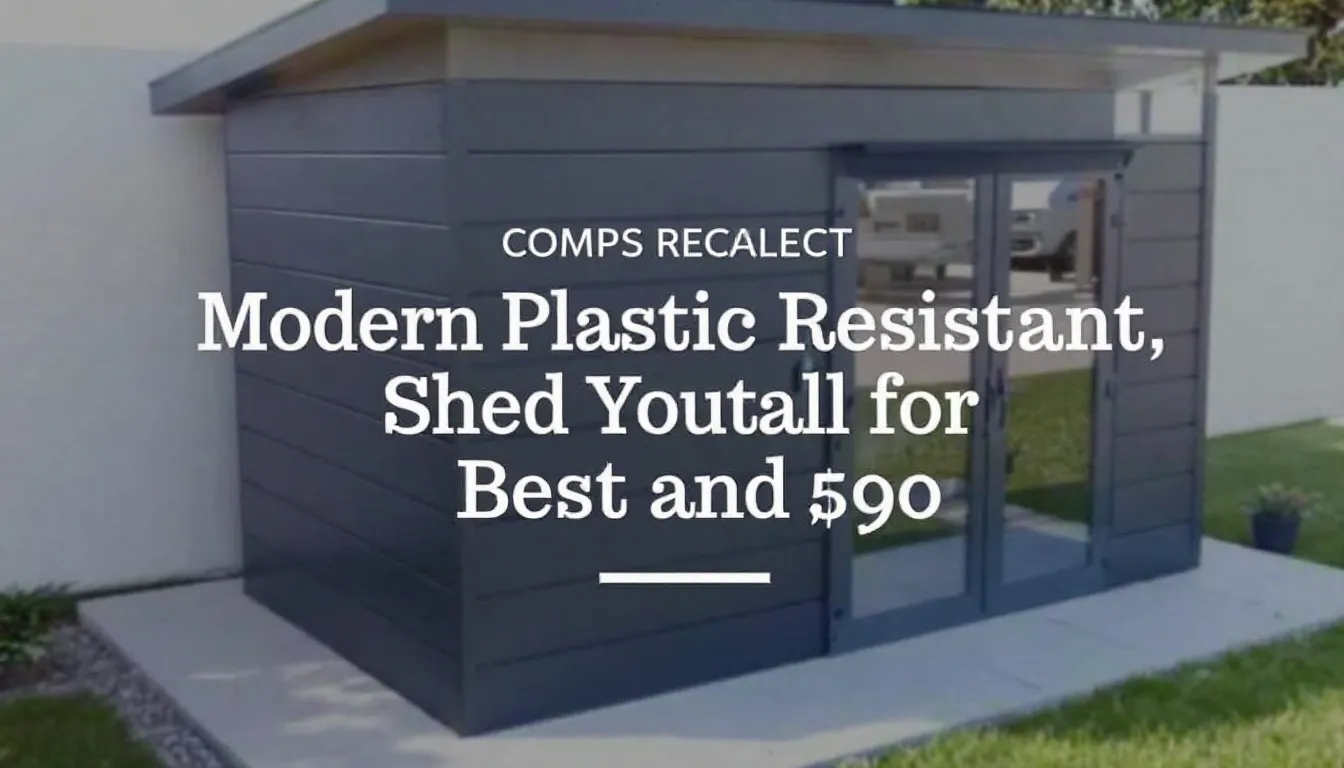
Types of Plastic Materials Used in Storage Sheds
Understanding the different plastic materials used in modern shed construction helps you make an informed decision based on your specific needs and budget. Each material type offers distinct advantages in terms of durability, appearance, and cost-effectiveness. Polyvinyl chloride (PVC) is a more affordable and lightweight option, though it is less impact-resistant compared to other materials like high-density polyethylene (HDPE).
High-Density Polyethylene (HDPE)
High-density polyethylene represents the premium choice in plastic shed construction, offering exceptional impact resistance and temperature tolerance. HDPE sheds typically feature double-wall construction that provides superior insulation properties and structural strength compared to single-wall alternatives.
The double-wall design creates air pockets that help regulate internal temperature and reduce condensation issues. This makes HDPE sheds ideal for storing sensitive items like electronics or documents that require stable environmental conditions. The material’s high impact resistance means it can withstand falling branches, hail, and other potential damage that might crack lesser materials.
Many HDPE sheds incorporate wood-grain textures that provide an attractive appearance while maintaining all the practical benefits of plastic construction. The material accepts color additives well, allowing for a range of attractive finishes including light grey, green, and natural wood tones.
Polypropylene Resin Construction
Polypropylene resin has gained popularity for its eco-friendly properties and excellent fade resistance. Many manufacturers now produce sheds using significant recycled content, with some models containing up to 75% recycled materials without compromising performance.
This material excels in UV protection, maintaining its color and structural integrity even under intense sunlight. The fade resistance ensures your shed maintains its attractive appearance throughout its lifetime, avoiding the chalky or discolored look that affects lower-quality plastic products.
Polypropylene sheds often feature advanced texturing that mimics natural wood grain so convincingly that many people can’t distinguish them from wooden structures at first glance. This aesthetic appeal makes them perfect for visible locations where appearance matters.
Polycarbonate Panel Systems
For applications requiring natural light, polycarbonate panels offer an excellent solution. These transparent or translucent panels can be incorporated into roof sections or walls to provide illumination without electricity. Polycarbonate offers superior UV protection compared to traditional clear plastics, preventing the yellowing and brittleness that affects inferior materials.
The scratch resistance of polycarbonate makes it ideal for high-traffic areas or locations where the shed might be subject to contact with garden tools or equipment. Many premium plastic sheds combine polycarbonate skylights with solid walls to create bright, functional interior spaces.
Reinforcement and Hardware Materials
Modern plastic sheds incorporate strategic reinforcement using materials like galvanized steel for door frames and hinges, ensuring smooth operation and enhanced security. Aluminum structural components may be used in larger sheds to provide additional framework support without adding excessive weight.
The hardware selection significantly impacts the shed’s longevity and user experience. Quality manufacturers use corrosion-resistant fasteners and reinforced connection points that maintain their integrity throughout the shed’s lifetime. This attention to hardware detail distinguishes premium plastic sheds from budget alternatives that may use inferior components.
Popular Sizes and Configurations
Selecting the right size plastic storage shed depends on your current storage needs and future plans for your outdoor space. Understanding the capabilities and limitations of different size categories helps ensure you choose a shed that provides adequate storage without overwhelming your garden. Ensure doors are wide enough for your largest items and have secure locks to protect your belongings. Leave 1–2 feet of space around the shed for access and maintenance, which will make it easier to perform upkeep and ensure proper ventilation.
Compact Storage Solutions (4×3 to 6×4 feet)
Compact plastic sheds serve as ideal solutions for small gardens, patios, or urban outdoor spaces where every square foot matters. These units typically provide 12-24 square feet of storage space, perfect for basic garden tools, cleaning supplies, or seasonal decorations.
Despite their small footprint, well-designed compact sheds can store surprising amounts of equipment through efficient interior organization. Many feature built-in shelving systems or tool hooks that maximize vertical space usage. The narrow width design makes them suitable for installation along fence lines or in corner locations where larger sheds wouldn’t fit.
For apartment dwellers with balconies or small terraces, compact plastic sheds offer weatherproof storage that protects items from sun and rain while maintaining easy access. The quick assembly process means you can have functional storage installed in under two hours.
Medium Capacity Sheds (6×6 to 8×6 feet)
Medium-sized plastic garden sheds represent the sweet spot for most homeowners, providing 36-48 square feet of storage space while maintaining a manageable footprint. These sheds comfortably accommodate garden equipment including lawn mowers, trimming tools, fertilizer spreaders, and bulk storage containers.
The additional space allows for better organization with dedicated areas for different types of equipment. Many homeowners use medium sheds for seasonal storage rotation, keeping summer equipment accessible while storing winter items toward the back during warmer months.
Medium sheds often include features like double doors for easier access to larger items, windows for natural light, and enhanced ventilation systems to prevent moisture buildup. The size provides enough interior space for basic workbench installation, creating a functional outdoor workspace for garden maintenance tasks.
Large Workshop Spaces (8×8 to 12×8 feet)
Large plastic sheds provide 64-96 square feet of space, suitable for serious gardeners or homeowners who need substantial storage capacity. These structures can house ride-on mowers, multiple bikes, bulk storage, and still leave room for workspace activities.
The increased height in larger models often allows for overhead storage systems, effectively doubling the usable space through vertical organization. Many large plastic sheds include reinforced flooring systems capable of supporting heavy equipment and workbenches.
For homeowners considering their shed as a multi-purpose space, large models provide sufficient room for workshop activities, hobby pursuits, or even temporary office space. The substantial interior volume allows for comfortable human occupancy while maintaining primary storage functions.
Specialty Design Options
Beyond traditional rectangular configurations, plastic shed manufacturers offer specialized designs for specific applications. Corner sheds maximize space efficiency in awkward garden layouts, while vertical storage units provide tall, narrow storage perfect for long-handled tools.
Horizontal deck boxes serve dual purposes as storage and seating, ideal for patio areas where traditional sheds might appear too prominent. These low-profile units store cushions, pool supplies, or garden tools while providing convenient outdoor seating.
Some manufacturers offer modular systems that allow expansion over time. These systems let you start with a basic unit and add sections as your storage needs grow, providing flexibility for changing requirements.
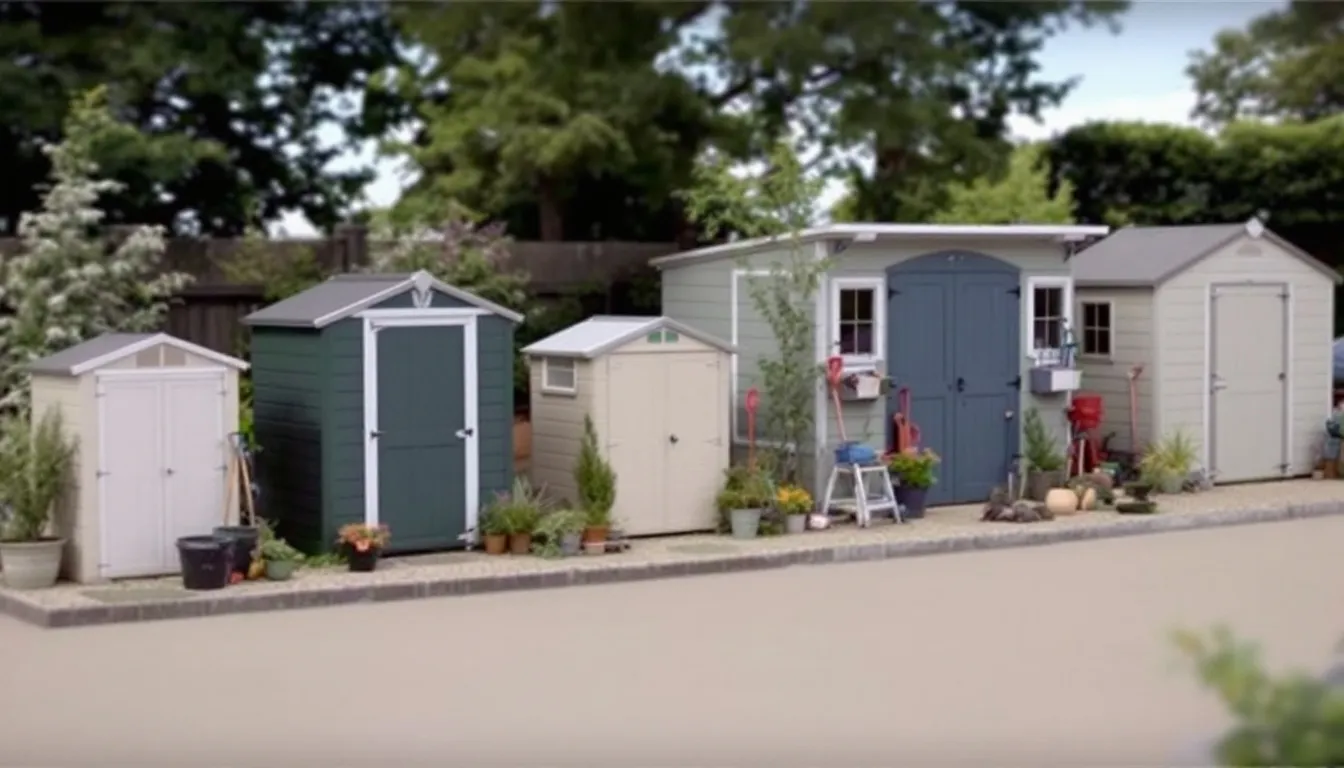
Installation and Base Requirements
Proper installation forms the foundation of your plastic shed’s long-term performance and durability. While plastic sheds are generally easier to install than wooden alternatives, following correct procedures ensures optimal results and maximizes your investment’s lifespan.
Foundation Planning and Preparation
A level, stable foundation is crucial for proper shed function and longevity. Unlike wooden sheds that can sometimes accommodate minor ground irregularities, plastic sheds require precise leveling to ensure proper door alignment and weather sealing.
Concrete slabs provide the ideal foundation, offering permanent stability and excellent drainage. A 4-inch thick concrete pad extends slightly beyond the shed’s footprint, providing a clean, durable base that won’t shift over time. While concrete represents a higher initial investment, it eliminates future foundation problems and provides the perfect platform for heavy equipment storage.
Paving stones offer a more budget-friendly alternative that still provides excellent stability. Properly installed pavers on a leveled, compacted base create a durable foundation suitable for most plastic shed applications. The modular nature of pavers allows for easier future modifications if you need to relocate or resize your storage area.
Wooden platforms work well for temporary installations or situations where permanent foundations aren’t desired. Pressure-treated lumber on concrete footings creates a stable, elevated base that promotes drainage and prevents ground contact. This approach works particularly well in areas with drainage concerns or where local regulations limit permanent structures.
Ground Preparation Techniques
Successful installation begins with proper site preparation, regardless of your chosen foundation type. Start by marking the exact shed footprint using spray paint or stakes, ensuring the location provides adequate clearance from property lines and existing structures.
Excavate the marked area to a depth of 4-6 inches, removing all vegetation and organic material that could decompose and cause settling. The excavated area should extend 6 inches beyond the shed’s footprint on all sides to accommodate foundation materials and provide proper drainage.
Level the excavated area using a combination of hand tools and mechanical compaction. A properly prepared base should not vary more than 1/4 inch across its entire surface. Use a long straight edge and level to verify accuracy, as this precision directly impacts the shed’s final performance.
Install proper drainage around the foundation perimeter to prevent water accumulation. A simple gravel border with landscape fabric prevents weeds while promoting water runoff away from the shed base.
Assembly Process and Timeline
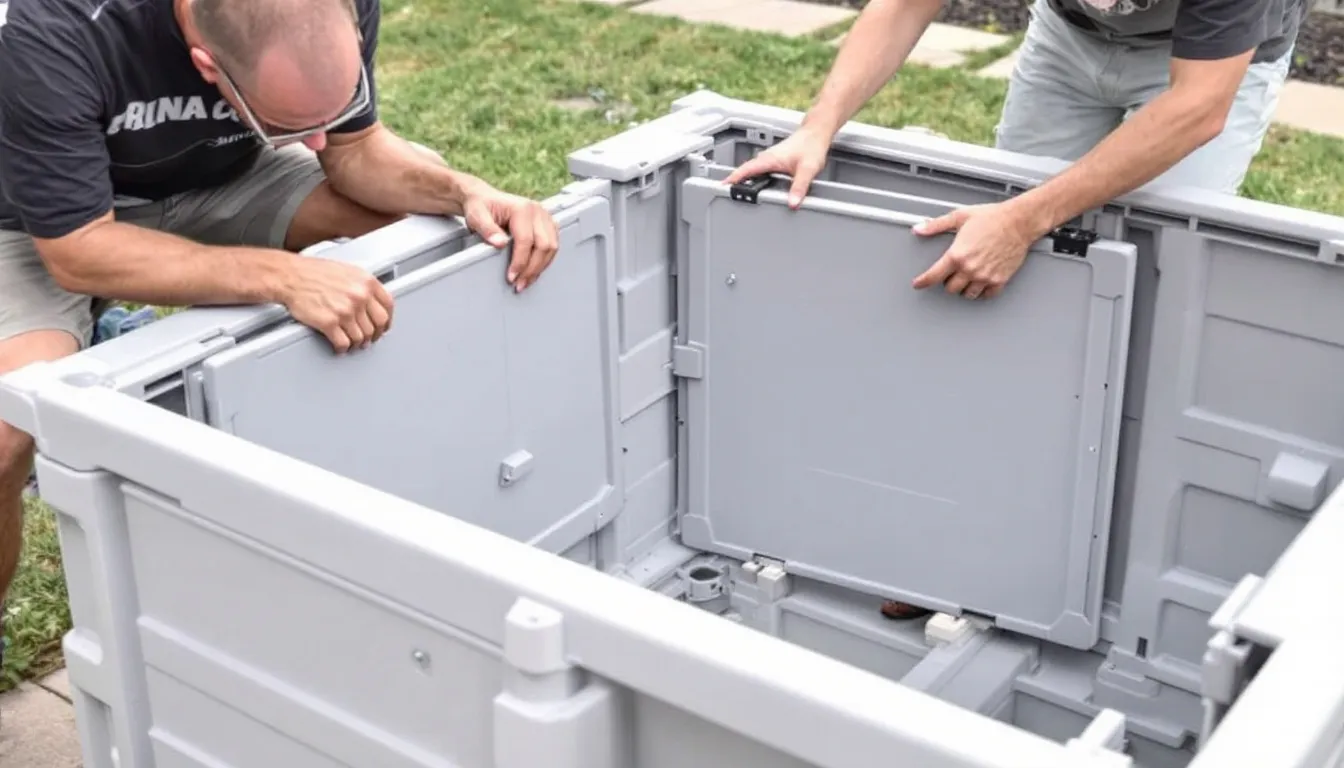
Most plastic storage sheds can be assembled by two people in 2-4 hours using basic hand tools. The modular panel construction typical of plastic sheds simplifies assembly compared to traditional stick-built wooden structures.
Begin assembly by organizing all components according to the manufacturer’s instructions. Modern plastic sheds use color-coded or numbered panels to simplify identification and reduce assembly errors. Take time to verify all components are present before beginning construction.
Start with the base frame or floor panels, ensuring proper alignment with your prepared foundation. Most plastic sheds use interlocking panel systems that create weatherproof seals when properly assembled. Pay particular attention to panel orientation, as reversed panels may not seal correctly.
Wall assembly typically follows a specific sequence designed to maintain structural integrity during construction. Follow the manufacturer’s recommended order to avoid having to disassemble completed sections to access connection points.
Roof installation often requires temporary bracing to maintain panel alignment while securing fasteners. Don’t rush this stage, as proper roof assembly is crucial for weather protection and structural stability.
Anchoring and Wind Resistance
Plastic sheds’ light weight, while advantageous for installation, requires proper anchoring to resist wind loads. Most manufacturers specify minimum anchoring requirements based on local wind conditions and shed size. Ground anchors provide the most common anchoring method for plastic sheds on paved or concrete foundations. These spiral anchors screw into the ground adjacent to the shed and connect via cables or straps to reinforced mounting points on the shed frame. For added security, plastic sheds can also be bolted to a concrete base, ensuring stability and resistance to strong winds or unauthorized movement.
Ground anchors provide the most common anchoring method for plastic sheds on paved or concrete foundations. These spiral anchors screw into the ground adjacent to the shed and connect via cables or straps to reinforced mounting points on the shed frame.
For concrete foundations, expansion bolts or concrete anchors provide secure attachment points. Some shed designs include pre-drilled mounting holes in the base frame to simplify anchor installation.
In high-wind areas, additional bracing may be necessary to meet local building codes. Consult your manufacturer’s specifications and local authorities to determine appropriate anchoring for your specific location and shed size.
Security Features and Accessories
Modern plastic storage sheds offer sophisticated security options that protect your valuable garden equipment and tools from theft while providing convenient access for regular use. Understanding available security features helps you choose the right protection level for your specific needs and location.
Integrated Locking Systems
Many plastic sheds include factory-installed locking mechanisms that provide basic security without requiring additional hardware purchases. These integrated systems typically feature reinforced door frames with pre-installed lock boxes that accommodate standard padlocks or cylinder locks.
Advanced plastic shed models may include multi-point locking systems that secure the door at multiple points along its height, distributing stress and providing enhanced security compared to single-point locks. These systems often incorporate internal deadbolts that can’t be accessed from outside the shed.
For maximum security, some manufacturers offer shed models with steel-reinforced door frames and tamper-resistant hardware. These features significantly increase the time and tools required for unauthorized entry, deterring casual theft attempts.
Aftermarket Security Upgrades
Beyond factory-installed options, numerous aftermarket security solutions can enhance your plastic shed’s protection. Reinforcement plates installed over existing lock areas prevent drilling or prying attacks on standard locking mechanisms.
Motion-sensor alarms designed specifically for outbuildings provide immediate notification of unauthorized entry attempts. Battery-powered units eliminate the need for electrical connections while providing months of operation from a single battery change.
Security cameras have become increasingly affordable and effective for shed protection. Wireless models with smartphone connectivity allow real-time monitoring and recording of shed area activity, providing evidence in case of theft and often deterring criminal activity.
Ventilation and Climate Control
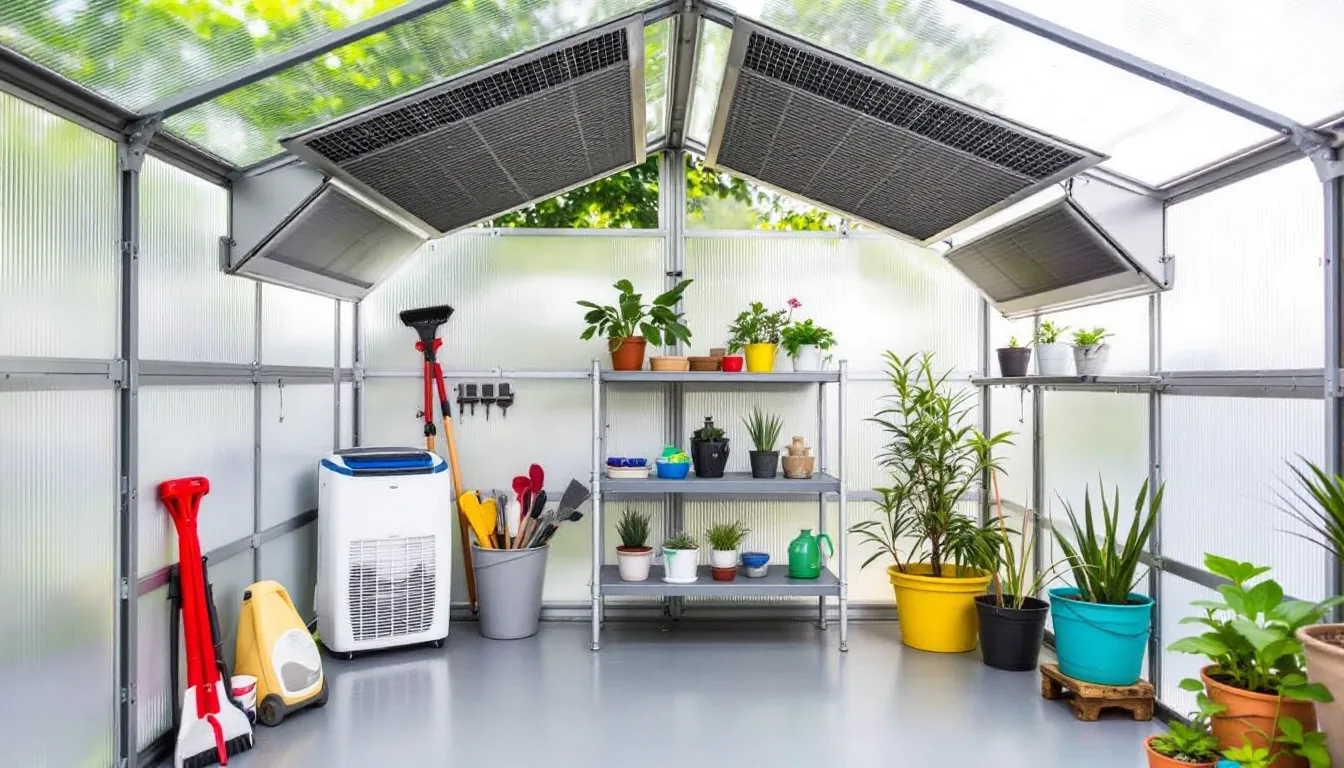
Proper ventilation prevents condensation buildup that can damage stored items and create conditions favorable to mold growth. Most quality plastic sheds include factory-installed ridge vents that promote air circulation through natural convection, similar to the ventilation features found in many metal sheds.
Side wall vents provide additional airflow and can be particularly effective in preventing condensation in high-humidity environments. Adjustable louvers allow you to control ventilation levels based on seasonal conditions and storage requirements.
For sensitive storage applications, powered ventilation fans can provide active air circulation. Solar-powered units eliminate electrical installation requirements while providing effective moisture control during peak humidity periods.
Interior Organization Systems
Maximizing your plastic shed’s storage capacity requires effective interior organization that keeps items accessible while protecting them from damage. Most shed manufacturers offer compatible shelving systems designed specifically for their shed models.
Wall-mounted tool storage systems utilize vertical space efficiently while keeping frequently used items easily accessible. Magnetic tool strips work particularly well in plastic sheds, providing secure storage without requiring wall penetrations that might compromise weather sealing.
Overhead storage racks take advantage of often-unused ceiling space for seasonal items or rarely accessed equipment. Properly installed overhead systems can effectively double your shed’s storage capacity without impeding floor-level access.
Modular storage bins and containers provide flexible organization that adapts to changing storage needs. Clear containers allow easy identification of contents while protecting items from dust and moisture. For larger outdoor garden storage, consider Pentland shed options to maximize your space.
Window and Skylight Options
Natural light significantly improves shed functionality for workshop activities or equipment maintenance. Many plastic shed models offer optional window installations that provide illumination without requiring electrical connections.
Skylights offer particularly effective natural lighting while maintaining security and weather protection. Modern polycarbonate skylights resist impact damage and provide excellent UV protection for stored items.
For sheds requiring secure natural lighting, reinforced window options include laminated glass or polycarbonate panels that resist break-in attempts while providing clear visibility.
Preventing Condensation in Plastic Sheds
Condensation management represents one of the most important aspects of plastic shed ownership, as improper moisture control can damage stored items and create an environment conducive to mold growth. Understanding condensation causes and prevention strategies ensures your belongings stay dry and protected.
Understanding Condensation Mechanisms
Condensation occurs when warm, humid air contacts cooler surfaces, causing water vapor to condense into liquid droplets. In plastic sheds, this typically happens when daytime warming creates humid conditions that encounter cooler shed walls during nighttime temperature drops.
Unlike wooden sheds that can absorb some moisture, plastic surfaces don’t provide any moisture buffering capacity. This characteristic makes proper ventilation design crucial for preventing condensation problems in plastic storage structures.
The problem intensifies when storing items that release moisture, such as recently used lawn mowers with grass clippings, damp garden tools, or wet outdoor furniture. These moisture sources can overwhelm inadequate ventilation systems and create persistent condensation problems.
Ventilation Strategy Implementation
Effective condensation prevention requires creating air circulation that removes humid air before it can condense on interior surfaces. This involves strategic placement of intake and exhaust vents to promote natural air flow patterns.
Ridge vents installed at the roof peak provide natural exhaust points where warm, humid air naturally rises and exits the shed. Combined with low-level intake vents, this creates a thermal siphon effect that continuously removes moisture-laden air.
Cross-ventilation using vents on opposite walls creates horizontal air movement that prevents stagnant air pockets where condensation problems typically develop. This approach works particularly well in larger sheds where simple ridge ventilation might not provide adequate air exchange.
For persistent condensation problems, powered ventilation systems can provide forced air exchange that overcomes natural ventilation limitations. Solar-powered exhaust fans offer an environmentally friendly solution that operates automatically during peak sunlight hours when condensation problems are most likely to develop.
Moisture Control Best Practices
Daily operational practices significantly impact condensation development in plastic sheds. Opening doors and windows during dry periods allows moisture to escape and fresh air to circulate, preventing humidity buildup that leads to condensation problems.
Avoid storing wet or damp items whenever possible. Allow lawn mowers to dry completely before storage, and wipe down wet tools before placing them in the shed. This simple practice prevents introducing excess moisture that ventilation systems must then remove.
Consider using moisture-absorbing products like desiccant containers or moisture-absorbing crystals in areas where condensation problems persist. These products provide additional moisture control beyond what ventilation alone can achieve.
Installing a vapor barrier on the shed floor can prevent ground moisture from entering the storage area. This approach works particularly well in humid climates or areas with high groundwater levels.
Seasonal Considerations
Winter condensation prevention requires special attention as heating and cooling cycles create ideal conditions for moisture problems. Ensure ventilation systems remain unobstructed by snow or debris that could block air flow.
Summer heat management prevents extreme temperature differentials that promote condensation when evening cooling occurs. Light-colored shed exteriors reflect heat better than dark colors, reducing internal temperature buildup during hot weather.
Consider seasonal adjustments to ventilation systems, opening additional vents during high-humidity periods and closing some vents during extreme weather to maintain temperature stability while preserving air circulation.
Maintenance and Longevity
The maintenance requirements for plastic storage sheds represent one of their most appealing characteristics, requiring minimal ongoing attention while providing decades of reliable service. Understanding proper care procedures ensures you maximize your investment’s lifespan and maintain optimal performance.
Routine Cleaning Procedures
Annual cleaning represents the primary maintenance requirement for plastic sheds, involving simple procedures that restore appearance and prevent minor issues from developing into major problems. Begin with a thorough inspection of all exterior surfaces, looking for any signs of damage or wear that require attention.
Pressure washing provides the most effective cleaning method for plastic shed exteriors, removing accumulated dirt, mildew, and organic staining. Use moderate pressure settings (1,500-2,000 PSI) to avoid damaging plastic surfaces or forcing water into sealed joints.
For stubborn stains or mildew growth, mild detergent solutions combined with soft brush scrubbing effectively remove most contaminants without harming plastic surfaces. Avoid harsh chemicals or abrasive cleaners that might damage UV-protective coatings or surface textures.
Interior cleaning focuses on removing dust, cobwebs, and any moisture that might promote mold growth. Regular sweeping and occasional mopping maintain a clean environment that protects stored items and preserves shed appearance.
Hardware and Component Inspection
While plastic panels require minimal maintenance, hardware components benefit from regular inspection and occasional lubrication. Check door hinges, locks, and other moving parts for smooth operation and signs of wear or corrosion.
Lubricate moving parts annually using appropriate lubricants that won’t attract dirt or degrade plastic components. Silicone-based lubricants typically work well for plastic shed applications, providing long-lasting protection without harmful chemical reactions.
Inspect weatherstripping and seals for integrity, replacing any damaged sections to maintain weather protection. Most manufacturers offer replacement parts for common wear items, ensuring long-term serviceability.
Check anchoring systems and foundation stability, particularly after severe weather events. Proper anchoring prevents structural damage that could compromise the shed’s integrity and weather resistance.
Identifying and Addressing Wear Issues
Early identification of potential problems prevents minor issues from developing into costly repairs or premature replacement needs. Look for signs of stress cracking around fastener locations, particularly in areas subject to thermal expansion or structural loads.
UV degradation typically appears as surface chalking or color fading, though modern plastic sheds with proper UV stabilization rarely experience significant degradation during their expected lifespan. Persistent exposure to reflected sunlight from windows or metal surfaces can accelerate UV damage in localized areas.
Door alignment issues often indicate foundation settling or improper initial installation. Address alignment problems promptly to prevent weather seal compromise and ensure continued security and functionality.
Minor cracks or damage can often be repaired using plastic welding techniques or appropriate adhesives designed for plastic shed materials. Consult manufacturer recommendations for approved repair methods and materials.
Warranty Coverage and Expectations
Most quality plastic shed manufacturers provide warranties ranging from 10-15 years, reflecting confidence in their products’ longevity and durability. Understanding warranty coverage helps you make informed decisions about repairs versus replacement when issues arise.
Typical warranty coverage includes protection against manufacturing defects, structural failures, and significant UV degradation. Normal wear items like door hardware or weatherstripping may have shorter warranty periods or be excluded from coverage.
Warranty claims usually require proof of proper installation and maintenance, emphasizing the importance of following manufacturer guidelines for both assembly and care procedures.
Keep documentation of your shed purchase, installation, and any maintenance performed, as this information may be required for warranty claims or insurance purposes.
Expected Lifespan Comparisons
Well-maintained plastic storage sheds typically provide 15-25 years of reliable service, comparing favorably to 8-12 years for wooden sheds and 10-15 years for basic metal sheds. This longevity advantage, combined with minimal maintenance requirements, often makes plastic sheds the most cost-effective long-term storage solution.
Lifespan varies based on climate conditions, usage patterns, and initial quality. Premium plastic sheds with advanced UV stabilization and reinforced construction may exceed 25 years in favorable conditions.
Environmental factors like extreme temperature cycling, intense UV exposure, or corrosive atmospheres can reduce lifespan, though plastic sheds generally outperform other materials under these challenging conditions.
The end-of-life disposal process for plastic sheds often involves recycling the material for new products, providing environmental benefits compared to disposal of wooden or metal alternatives.
Top Brands and Price Ranges
Understanding the leading manufacturers in the plastic shed market helps you make informed decisions based on quality, features, and value propositions. Each major brand offers distinct advantages targeting different user needs and budget requirements.
Keter: Premium Resin Solutions
Keter has established itself as a market leader in plastic garden sheds, offering premium resin construction with lifetime warranty options on many models. Their product range spans from compact £300 units to sophisticated £1,200 workshop-style sheds that rival traditional wooden structures in functionality. Keter sheds, a type of plastic shed, are crafted from polypropylene resin, which provides excellent durability and resistance to environmental factors.
The company’s Oakland series represents their flagship offering, featuring dual-wall resin construction that provides excellent insulation and durability. These sheds incorporate advanced UV stabilization technology that maintains color and structural integrity even under intense sunlight exposure over many years.
Keter’s engineering focuses on user-friendly assembly systems that minimize installation time while ensuring robust final construction. Their snap-together panel systems eliminate the need for specialized tools or construction expertise, making them ideal for DIY installation.
Advanced features in Keter’s premium range include integrated skylights for natural light, reinforced double doors for equipment access, and sophisticated ventilation systems that prevent condensation problems. The company’s attention to aesthetic details like wood-grain texturing makes their sheds suitable for visible locations where appearance matters.
Lifetime: Heavy-Duty Polyethylene Construction
Lifetime specializes in heavy-duty polyethylene sheds designed for demanding applications and harsh weather conditions. Their price range of £400-£1,500 reflects the commercial-grade construction that targets serious users requiring maximum durability and functionality.
The company’s shed construction uses high-density polyethylene with steel reinforcement in critical areas, creating structures capable of supporting substantial loads while maintaining weather resistance. This approach makes Lifetime sheds popular for professional landscapers and homeowners with significant storage requirements.
Lifetime’s design philosophy emphasizes long-term value through superior materials and construction techniques. Their sheds typically feature reinforced door frames, heavy-duty hardware, and advanced anchoring systems that provide excellent wind resistance and security.
The company offers extensive customization options including various window configurations, shelving systems, and accessories that allow users to tailor storage solutions to specific requirements. This flexibility makes Lifetime sheds suitable for workshop applications, commercial storage, and specialty uses beyond basic garden tool storage.
Suncast: Budget-Friendly Storage Solutions
Suncast targets budget-conscious consumers with a range of affordable plastic sheds priced between £200-£800, making quality storage accessible to a broad market. Their focus on cost-effectiveness doesn’t compromise basic functionality, providing reliable storage solutions for typical residential applications.
The company’s design approach emphasizes simple assembly and maintenance-free operation, perfect for homeowners seeking straightforward storage without complex features or high-end finishes. Suncast sheds typically provide excellent value for basic storage needs while maintaining the key advantages of plastic construction.
Suncast’s product line includes numerous size options from compact tool storage units to mid-size garden sheds capable of housing lawn mowers and bulk equipment. Their modular approach allows customers to choose appropriate capacity without paying for unnecessary features or oversized structures.
While Suncast sheds may lack some premium features found in higher-priced alternatives, they provide reliable weather protection and durability suitable for most residential storage applications. The company’s warranty coverage typically matches or exceeds industry standards despite the lower price points.
Rubbermaid: Space-Saving Vertical Designs
Rubbermaid has carved out a niche in compact and vertical storage solutions, with prices ranging from £150-£600 for innovative designs that maximize storage in minimal space. Their engineering focuses on urban and suburban applications where traditional shed footprints aren’t practical.
The company’s vertical storage units provide tall, narrow profiles perfect for storing long-handled garden tools, sports equipment, and seasonal items without requiring significant ground space. These units work particularly well against fence lines or in corner locations where traditional sheds wouldn’t fit.
Rubbermaid’s horizontal deck boxes serve dual purposes as storage and outdoor seating, providing weatherproof storage that integrates seamlessly with patio and deck environments. These units often include internal organization systems that maximize storage efficiency while maintaining easy access.
The company’s focus on practical innovation has produced features like tool hanging systems, integrated shelving, and modular expansion capabilities that allow storage systems to grow with changing needs. This adaptability makes Rubbermaid products particularly suitable for renters or homeowners with evolving storage requirements.
Price Comparison Factors
Several factors significantly impact plastic shed pricing beyond basic size considerations. Material quality represents the primary price determinant, with premium dual-wall construction commanding higher prices than basic single-wall alternatives.
Features like windows, skylights, and advanced ventilation systems add cost but provide functional benefits that may justify the investment for many users. Assembly complexity and included hardware quality also influence pricing, with premium models typically including superior fasteners and detailed assembly instructions.
Brand reputation and warranty coverage contribute to price differences, with established manufacturers often commanding premium prices based on proven reliability and customer service. However, budget brands may offer excellent value for basic applications where premium features aren’t necessary.
Geographic factors including shipping costs and local dealer availability can significantly impact final purchase prices. Online retailers often provide competitive pricing but may require customer pickup or expensive shipping for large shed packages.
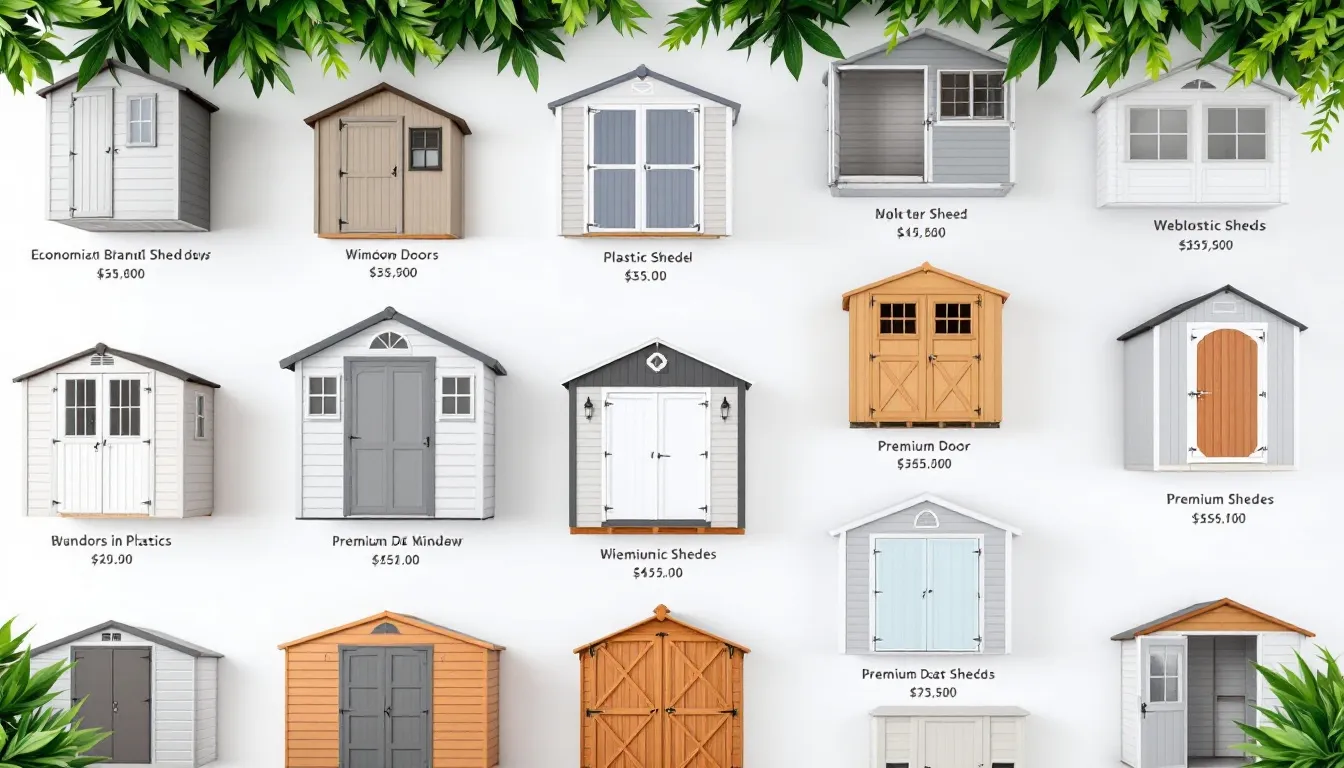
Environmental Impact and Sustainability
The environmental considerations surrounding plastic storage sheds encompass manufacturing processes, material sourcing, longevity benefits, and end-of-life disposal options. Modern plastic shed production increasingly emphasizes sustainability while maintaining the performance advantages that make plastic an attractive storage solution. The production of plastic sheds typically involves fewer chemicals than that of treated wood sheds, reducing their environmental impact while still offering superior durability and weather resistance.
Recycled Content Integration
Many contemporary plastic shed manufacturers incorporate significant recycled content into their products, with some models containing 75-100% recycled plastic materials. This approach diverts plastic waste from landfills while reducing the demand for virgin plastic production, creating a meaningful environmental benefit.
The recycled content typically comes from post-consumer sources like milk jugs, detergent bottles, and other household plastic containers. Advanced processing techniques ensure that recycled materials maintain the strength and durability characteristics required for structural applications while providing environmental benefits.
Keter and other leading manufacturers have made significant commitments to increasing recycled content across their product lines. These initiatives demonstrate that environmental responsibility doesn’t require compromising product performance or customer satisfaction.
The use of recycled content also influences product costs, as recycled materials are often less expensive than virgin plastics. This cost advantage helps manufacturers offer competitive pricing while promoting environmental stewardship.
End-of-Life Recyclability
Modern plastic sheds are designed with end-of-life recyclability in mind, using material formulations that can be processed back into new products when the shed reaches the end of its useful life. This circular approach contrasts favorably with wooden sheds that often end up in landfills due to treatment chemicals that prevent composting.
The recyclability of plastic sheds depends on proper material identification and access to appropriate recycling facilities. Most shed manufacturers clearly mark their products with recycling codes that help recycling facilities process the materials correctly.
Some manufacturers offer take-back programs that handle shed disposal and recycling when products reach end-of-life. These programs ensure proper material handling while relieving customers of disposal responsibilities and costs.
The long lifespan of plastic sheds means that recyclability benefits may not be realized for 15-25 years, but designing for future recyclability demonstrates long-term environmental thinking that benefits future generations.
Carbon Footprint Considerations
The carbon footprint analysis of plastic sheds requires considering manufacturing energy, transportation impacts, and the avoided emissions from not producing replacement structures due to plastic’s longevity advantages.
Plastic manufacturing is energy-intensive, but the elimination of ongoing maintenance requirements and the extended lifespan often result in lower lifetime carbon emissions compared to alternatives that require regular treatment, repair, or replacement.
Transportation impacts vary based on manufacturing location and distribution methods. Lightweight plastic construction reduces shipping emissions per unit compared to heavier wooden or metal alternatives, particularly for smaller shed sizes.
The durability benefits of plastic sheds mean that one plastic shed may replace 2-3 wooden sheds over its lifetime, significantly reducing the cumulative carbon footprint associated with manufacturing, shipping, and disposing of multiple structures.
Sustainable Manufacturing Practices
Leading plastic shed manufacturers increasingly emphasize sustainable manufacturing practices including renewable energy use, waste reduction, and efficient production processes that minimize environmental impact.
Water usage in plastic shed manufacturing is typically lower than wood processing, which requires significant water consumption for treatment and finishing processes. This advantage becomes particularly important in water-scarce regions where manufacturing facility location matters.
Some manufacturers have achieved carbon-neutral production through renewable energy adoption and carbon offset programs. These initiatives demonstrate that plastic shed production can align with broader environmental goals while maintaining product quality and affordability.
Supply chain sustainability includes sourcing recycled materials locally when possible, reducing transportation impacts while supporting regional recycling infrastructure development.
Comparison with Alternative Materials
When comparing environmental impacts across shed materials, plastic often provides advantages in several key areas despite concerns about plastic production. Wooden sheds require harvesting trees, processing lumber, and applying chemical treatments that create environmental impacts throughout the supply chain.
Metal shed production involves energy-intensive mining and smelting processes, plus the ongoing environmental costs of rust prevention treatments and eventual corrosion that shortens lifespan. These factors often result in higher lifetime environmental impacts despite metal’s recyclability.
The maintenance-free nature of plastic sheds eliminates the environmental impact of annual treatments required for wooden sheds, including toxic preservatives and stains that can harm soil and water systems around shed locations.
Longevity advantages mean that plastic sheds effectively reduce material consumption over time, as one durable plastic shed replaces multiple less durable alternatives throughout its extended service life.
Frequently Asked Questions
How long do plastic storage sheds typically last compared to wooden sheds?
Quality plastic storage sheds typically last 15-25 years with minimal maintenance, significantly outlasting wooden sheds which average 8-12 years before requiring major repairs or replacement. The superior longevity comes from plastic’s immunity to rot, insect damage, and weather-related deterioration that commonly affects wooden structures. While the initial cost may be similar, the extended lifespan and lack of annual maintenance requirements make plastic sheds more cost-effective over their lifetime.
Can plastic sheds withstand extreme weather conditions like high winds and heavy snow loads?
Modern plastic sheds are engineered to handle substantial weather loads when properly installed and anchored. Most quality models are rated for wind speeds up to 74 mph (hurricane category 1) and snow loads of 35-50 pounds per square foot. The key to weather resistance lies in proper foundation preparation and anchoring systems that secure the lightweight structure against uplift forces. In high-wind areas, additional anchoring may be required to meet local building codes, but plastic sheds generally perform as well as or better than wooden alternatives in severe weather.
What’s the best way to prevent condensation and moisture buildup inside a plastic shed?
Effective condensation prevention requires proper ventilation design combined with good storage practices. Install ridge vents at the roof peak and intake vents near the base to create natural air circulation. Avoid storing wet equipment and ensure lawn mowers are completely dry before storage. Consider adding moisture-absorbing products in humid climates and open doors periodically during dry weather to promote air exchange. Cross-ventilation using vents on opposite walls works particularly well for larger sheds where simple ridge ventilation might not provide adequate moisture control.
Do plastic sheds require building permits or planning permission in most areas?
Building permit requirements for plastic sheds vary significantly by location and shed size. Most areas allow sheds under 120 square feet (roughly 10×12 feet) without permits, but larger structures typically require permits regardless of material. However, local zoning ordinances may impose additional restrictions on placement, height, or appearance that affect plastic sheds differently than other materials. Always check with your local building department before installation, as permit requirements can vary substantially between municipalities and some homeowners associations may have specific restrictions on shed types or colors.
How do repair costs for plastic sheds compare to maintaining wooden storage buildings?
Plastic sheds typically require virtually no ongoing maintenance costs compared to wooden sheds which need annual treatments costing £50-100 plus labor time. When repairs are needed, plastic shed components are often less expensive than wood replacement parts, and many repairs can be accomplished with simple adhesives or replacement panels. However, plastic sheds offer fewer customization options than wood, so modifications may require purchasing manufacturer accessories rather than custom construction. Over a 15-20 year period, total maintenance and repair costs for plastic sheds typically run 70-80% less than equivalent wooden structures.
