
Shed Maintenance: Complete Guide to Keep Your Garden Building in Top Condition
Key Takeaways
- Inspect your shed every 3-6 months to catch problems early and prevent costly repairs. During inspections, check for any existing leaks or areas of vulnerability, such as gaps in the seams or cracks in the wood.
- Treat wooden sheds annually with weather-resistant preservative, preferably in spring before wet weather arrives.
- Clean gutters and roof debris quarterly to prevent water damage and structural issues
- Maintain proper ventilation and organization inside to prevent moisture buildup and pest infestations.
- Address minor repairs immediately – fixing a loose hinge costs pennies compared to replacing a rotten door frame.
- Adjust your shed care routine with seasonal maintenance—tailor tasks for each season to ensure durability and longevity, such as checking for winter damage in spring or preparing for storms in autumn.
A properly maintained garden shed can serve your family for decades, protecting valuable stored items while adding functionality to your garden. A well-maintained shed will last longer and be more visually appealing to your garden. Yet most homeowners treat shed maintenance as an afterthought, leading to premature deterioration and costly replacements. Industry data reveals that sheds receiving regular maintenance have 40% fewer major repairs over their lifetime than those maintained reactively. In spring, melting snow and heavy rains can expose any existing damage, so it’s essential to inspect the shed for leaks, cracks, or signs of pest infestation.
This comprehensive guide provides everything you need to maintain your garden building year-round, from establishing inspection routines to addressing specific maintenance challenges. Whether you own wooden sheds, metal structures, or vinyl units, following these proven maintenance strategies will protect your investment and ensure your shed remains a valuable garden asset for years.
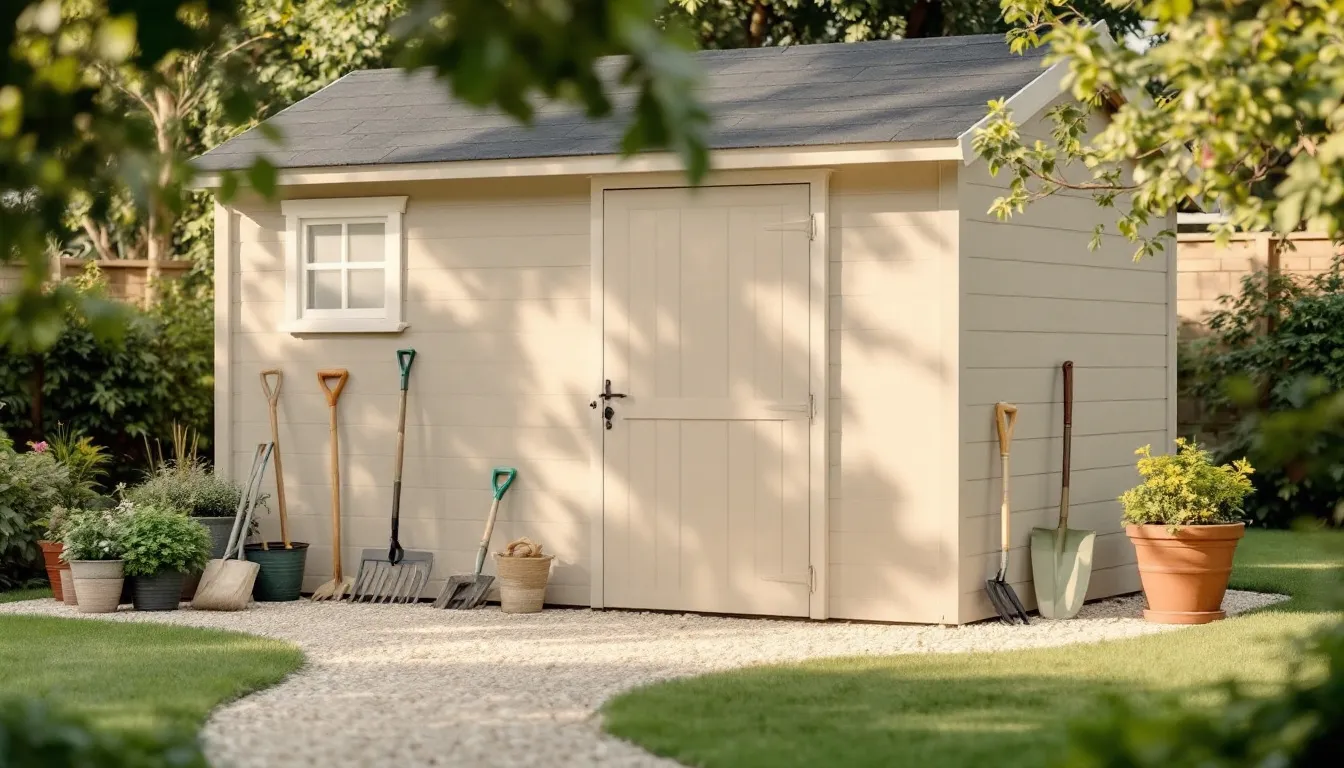
Regular Inspection Schedule
Establishing a systematic inspection routine forms the foundation of effective shed maintenance. Most diy stores sell basic inspection tools, but your eyes and hands are often essential for catching problems early.
Monthly visual checks should focus on apparent damage, loose fittings, and security issues. Walk around your shed and look for new cracks in walls, missing or damaged roofing, loose door hinges, or signs of pest activity. Check that doors and shed windows close properly and that locks function correctly. This monthly routine takes less than 10 minutes but catches 80% of developing problems before they become serious.
Quarterly detailed inspections require closer examination of the shed roof, gutters, and foundation areas. Remove debris accumulation, check for water stains inside the shed, and examine the base perimeter for moisture damage or pest entry points. Pay special attention to areas where different materials meet, as these joints are vulnerable to weather damage and require regular monitoring. For even easier maintenance, consider the advantages of plastic storage sheds, which are designed to be durable and low-maintenance.
Annual comprehensive assessments should include using a moisture meter to check for hidden damp problems and a torch to examine dark corners and underneath areas. This thorough inspection helps identify issues that aren’t visible during routine checks. Most DIY stores rent moisture meters if purchasing one isn’t cost-effective for your situation.
Post-storm inspections are essential following severe weather conditions. High winds can loosen roofing felt, damage gutters, or shift the entire structure. Heavy rain may reveal previously unknown leaks, while snow loads can stress the roof structure beyond normal limits.
Pre-winter preparation in October or November ensures your shed survives harsh weather conditions. This includes securing loose panels, checking heating systems if installed, and ensuring proper drainage around the foundation to prevent freeze-thaw damage.
Exterior Maintenance
The exterior of your shed faces constant exposure to weather conditions, making regular cleaning and protection essential for maintaining appearance and structural integrity. To keep your shed clear, regularly remove debris, vegetation, and any overhanging branches around the perimeter to prevent moisture buildup and pest issues. Managing nearby trees is also essential—trim overhanging branches and monitor for debris buildup from trees that could affect the shed. Different shed materials require specific approaches, but all benefit from consistent care.
Washing and Cleaning Techniques
Wooden garden shed exteriors need gentle cleaning to avoid damaging protective finishes. Start with a soft brush and mild soap solution, working from top to bottom to prevent dirty water from staining clean areas. Most diy stores sell specialized wood cleaners that remove mildew growth without damaging the underlying timber.
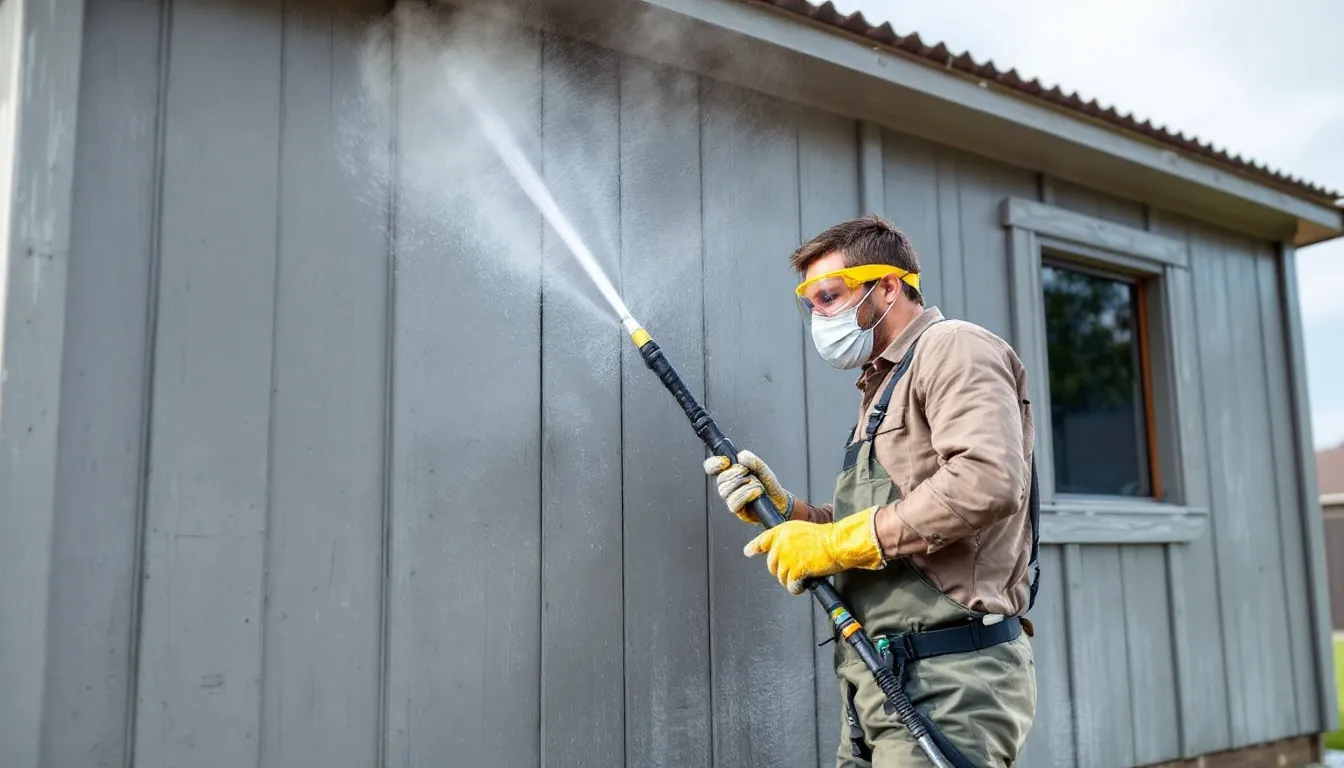
Pressure washer use requires careful technique to avoid forcing water into gaps or damaging surfaces. Set pressure to medium-low for wooden sheds and slightly higher for metal or vinyl structures. Always test on an inconspicuous area first and maintain at least 12 inches from the surface to prevent damage.
Metal sheds benefit from degreasing solutions that remove accumulated grime without promoting rust. Pay special attention to areas where water collects, as these spots are prone to corrosion. Avoid abrasive cleaners that can scratch protective coatings.
Removing mildew, algae, and stains from shed walls requires targeted treatments. Commercial mildew removers work effectively, but household solutions of diluted bleach (1:10 ratio) can also eliminate growth. Always rinse thoroughly after treatment and allow surfaces to dry completely before applying protective treatments.
Clearing vegetation and debris around the shed perimeter maintains proper air circulation and prevents moisture buildup. Clearing debris around the shed in autumn prevents moisture buildup and mold growth. Remove overhanging branches that drop leaves and debris onto the roof. Trim vegetation to maintain at least 18 inches of clearance from shed walls, allowing air to circulate freely and preventing pest harborage. Sealing items like soil or seeds in the shed helps prevent pests from being attracted to scents. Pests can damage stored items, such as gardening tools and seeds, by chewing through packaging or nesting in them.
Wood Treatment and Protection
Wooden sheds require the most intensive maintenance but reward proper care with decades of service. Wooden shed walls can rot over the years and can be repaired with new timber planks. Regular maintenance of the shed’s floor will prevent further problems. Understanding treatment schedules and products ensures maximum protection against weather damage and wood rot. Applying a water-repellent coating protects wooden sheds from rot and decay, ensuring they remain durable and functional for years. Protecting wooden sheds from harsh weather is essential by regularly applying appropriate treatments and preservatives.
Annual treatment schedule works best when applied in March through May, when the weather is dry but before intense summer heat arrives. This timing allows treatments to penetrate properly and cure before facing harsh weather conditions. Never apply treatments to damp wood or during wet weather, as this prevents proper absorption and can trap moisture. A solvent-based treatment containing a water repellent and fungicide can help protect untreated sheds.
Choosing between water-based and solvent-based preservatives depends on your climate and shed exposure. Water-based treatments dry faster and have less odor but may require more frequent reapplication. Solvent-based preservatives penetrate deeper and last longer, but require careful ventilation during application and take longer to cure.
Application techniques significantly impact treatment effectiveness. Clean the surface thoroughly before application, sand any rough areas, and apply thin, even coats rather than thick applications. Work in sections to maintain wet edges and avoid lap marks. Two thin coats provide better protection than one thick application.
UV protection becomes critical for shed walls facing south, where intense sunlight can quickly degrade unprotected wood. UV-blocking treatments or specialized outdoor paints for extended sun exposure help prevent graying and surface degradation. Consider these specifically designed products, even if they cost slightly more initially.
Signs that retreatment is needed include water absorption when you sprinkle drops on the surface, fading or graying color, or visible checking and cracking. Don’t wait for the annual schedule if these signs appear earlier – retreat immediately to prevent future problems.
Painting and Cosmetic Upkeep
Regular painting protects wooden sheds while maintaining property aesthetics. Applying a fresh coat of paint or sealant protects wooden surfaces and improves aesthetics. Proper timing and technique ensure professional-looking results that last for years.
Wooden sheds in moderate climates typically require repainting every 2-3 years, though harsh weather conditions may require more frequent attention. High-quality paints last longer but cost more initially. Calculate the cost per year of protection rather than just the initial price to make the most cost-effective choice.
Surface preparation determines paint longevity more than paint quality. Sand glossy surfaces lightly to improve adhesion, fill holes and cracks with exterior wood filler, and prime bare wood before painting. Rush this step, and your paint job will fail prematurely regardless of paint quality.
Weather-resistant paint selection requires understanding your local climate challenges. Acrylic latex paints work well in most climates and clean up easily, while alkyd paints provide superior durability in harsh conditions but require solvent cleanup. Most diy stores can recommend specific products for your regional weather conditions.
Color considerations affect both aesthetics and maintenance requirements. Darker colors absorb more heat and may require more frequent touch-ups, while lighter colors reflect heat but show dirt more readily. Choose colors that complement your garden design while considering practical maintenance implications. Using pegboards, magnetic strips, and hooks can help maximize storage space in your shed. Making the most of wall space in your shed enhances overall organization, allowing you to store more items efficiently without cluttering the floor.
Touch-up techniques for small scratches and wear spots prevent minor damage from becoming significant problems. Keep leftover paint for touch-ups, and address chips or scratches immediately to prevent moisture penetration. Minor touch-ups are nearly invisible when done promptly, but become obvious if delayed.
Roof and Gutter Maintenance
The shed roof bears the brunt of weather exposure and requires systematic maintenance to prevent water damage throughout the structure. The first part of a shed to break is often the floor due to rot and heavy storage pressures. Proper roof care prevents most serious shed problems and extends overall building life significantly.
Felt inspection should occur quarterly, looking for tears, lifting edges, and nail pop-outs that allow water penetration. Damaged roofing can lead to rapid structural deterioration, making prompt repairs essential. Check especially around roof penetrations where pipes or vents pass through, as these areas are particularly vulnerable. If moss is present on the roof, apply a suitable moss killer to remove growth and help maintain the roof’s integrity.
Shingle replacement procedures vary by material but generally require removing damaged shingles, installing underlayment if needed, and securing new shingles with appropriate fasteners. For asphalt shingles, work during warm weather when materials are flexible. Wooden shingles require pre-drilling to prevent splitting and should match the original wood species when possible. Applying a waterproof sealant or roof coating helps protect the roof from the elements and extend its longevity, reducing the need for frequent repairs.
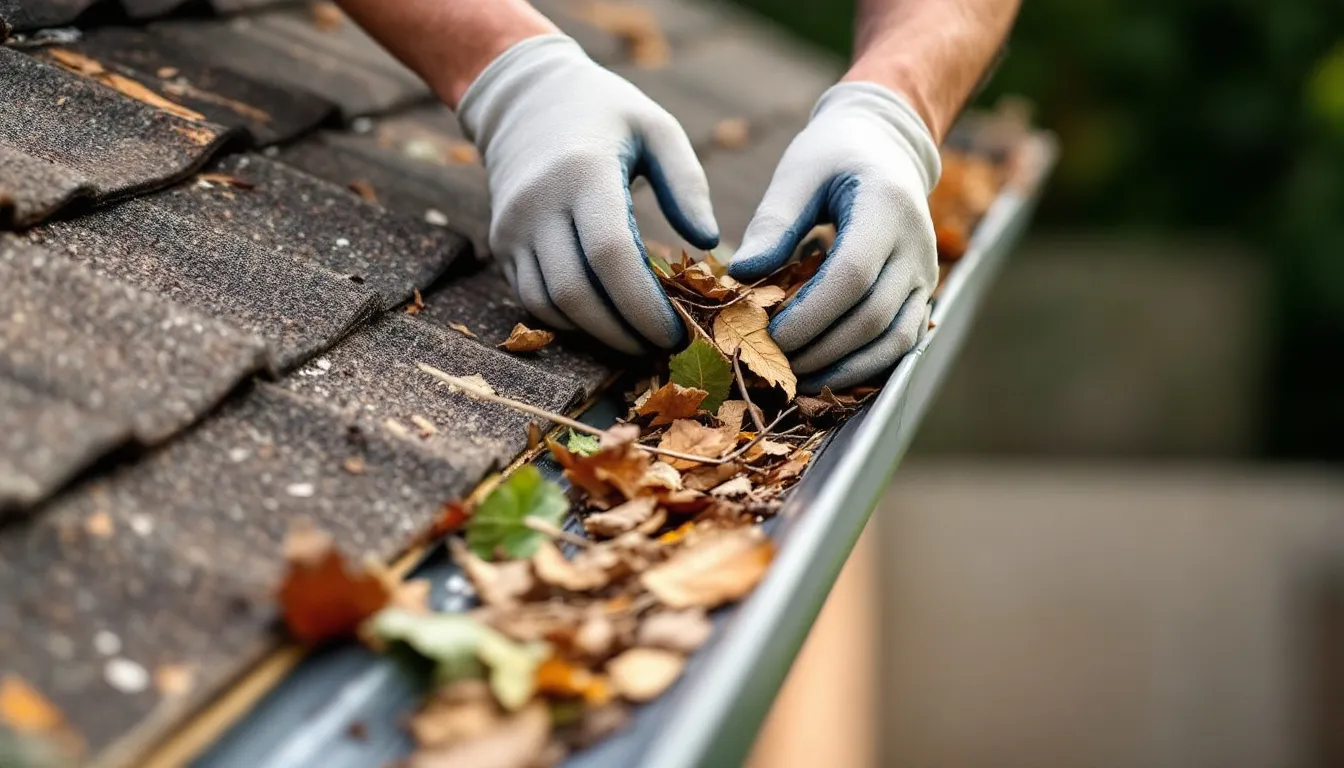
Gutter cleaning schedule requires a minimum of twice-yearly attention in spring and autumn when leaf fall is heaviest. Regularly cleaning gutters prevents water damage by allowing rain to flow freely and protecting the shed’s structure. Clogged gutters cause water overflow that damages shed walls and foundations. During cleaning, check for loose fastenings, proper slope toward downspouts, and signs of rust or corrosion that indicate replacement needs. Installing guttering on your shed is a simple way to direct rainwater away from the structure, preventing water damage and prolonging the shed’s lifespan.
Downspout maintenance ensures proper water flow direction away from the shed foundation. Extend downspouts at least 3 feet from the building, or install splash blocks to direct water away from the base. Consider underground drainage if surface runoff creates problems in your garden area.
Snow load removal prevents structural damage in regions with heavy snowfall. Most shed roofs handle snow loads, but ice dams or excessive accumulation can cause problems. Remove snow carefully with plastic tools to avoid damaging roofing materials, and never use metal tools that can puncture felt or shingles.
Leak Detection and Repair
Early leak detection prevents extensive water damage to the shed structure and stored items. Early diagnosis of leaks and addressing them promptly prevents further damage and costly repairs. Systematic approaches help identify problems before they become serious.
Interior water stain identification reveals leak locations even when no active dripping occurs. Brown or dark stains on interior walls or ceiling indicate water penetration, while white mineral deposits suggest ongoing moisture problems. Map stain locations and trace them to their likely entry points during your next exterior inspection.
Temporary repair methods using roofing cement and patches provide immediate protection while planning permanent solutions. Clean the damaged area thoroughly, apply roofing cement generously around the damage, and cover with a patch extending well beyond the damaged area. These repairs typically last one season and allow time to plan proper fixes.
When to call professionals versus DIY repairs depends on the roof pitch, height, and complexity of the damage. Steep roofs, extensive damage, or repairs requiring structural work typically justify professional help. However, simple felt patching, gutter repairs, and minor shingle replacement are well within most homeowners’ capabilities.
Preventive measures around shed windows, doors, and roof penetrations stop leaks before they start. Apply fresh caulking annually around these areas, check that flashing remains properly secured, and ensure all penetrations have adequate weather sealing. Most leaks occur at these transition points rather than through intact roofing materials.
Emergency procedures during active leaks protect stored items and prevent additional damage. Containers are placed to catch dripping water, sensitive items are moved away from leak areas, and temporary covers are created over valuable equipment. If significant losses occur, damage is documented with photos for insurance purposes.
Foundation and Structural Care
A solid foundation supports your entire shed and prevents moisture problems that lead to structural decay. Regular foundation maintenance prevents most serious shed problems and ensures the level operation of doors and windows.
Base clearing maintains the crucial 150mm clearance around the shed perimeter, preventing moisture buildup and pest access. Remove accumulated leaves, debris, and vegetation regularly. This clearance allows air circulation under the shed and prevents organic matter from creating moisture against the foundation. Keeping the base clear of debris and moisture is essential to avoid shed walls rotting, which can occur if wood is exposed to prolonged dampness. Recladding a shed is recommended if the walls are badly damaged.
Concrete pad inspection should identify cracks, settling, and drainage issues that affect the entire structure. Small cracks can be sealed with concrete caulk, but larger cracks or noticeable settling may indicate foundation problems requiring professional assessment. Ensure water drains away from the pad rather than pooling around the shed base.
Wooden skid maintenance requires attention to rot prevention and leveling. When repairing a shed floor, it is recommended to use screws instead of nails for better hold. Pressure-treated lumber lasts longer but still needs periodic inspection for decay. When wall planks are removed for repair, replacing them with the same size is wise. Replace damaged skids promptly to prevent the shed from settling unevenly, which can cause door and window alignment problems.
Moisture barrier installation under floor joists prevents ground moisture from reaching wooden components. Plastic sheeting or purpose-built moisture barriers create this protection, but they need periodic replacement if damaged. Proper installation requires overlapping seams and securing edges to prevent wind damage.
Door and window frame alignment checks every 6 months ensure proper operation and weather sealing. Settling foundations or structural movement can cause frames to rack, preventing adequate closure. Adjust hinges, latches, and weather stripping to maintain tight seals that keep weather and pests outside. Broken or cracked windows should be replaced immediately for security reasons. Replacing damaged glass in shed windows helps maintain insulation and safety.
Hardware and Fitting Maintenance
Moving parts require regular attention to function properly and last their intended lifespan. Systematic hardware maintenance prevents most operational problems and significantly extends component life.
A hinge lubrication schedule using marine-grade oil every four months keeps door hinges operating smoothly and prevents rust formation. Wipe away excess oil that can attract dirt and debris. Rather than fighting with poorly functioning hardware, replace hinges showing significant wear or damage. It is vital to maintain all metal fittings to prevent rust.
Screw and bolt tightening using appropriate torque specifications prevents loosening while avoiding over-tightening that can strip threads or damage materials. Check all visible fasteners during quarterly inspections, paying special attention to areas subject to wind stress like doors and roof edges.
Rust prevention on metal components requires applying rust-inhibiting primers at the first sign of corrosion. Sand away existing rust completely before treating, as rust spreads under paint if not properly removed. Consider upgrading to stainless steel or galvanized fasteners in areas prone to corrosion.
Cleaning latch and lock mechanisms ensures security and proper operation. Remove debris from lock cylinders, lubricate moving parts with graphite or specialized lock lubricants, and adjust strike plates for correct alignment. Replace worn components before they fail.
Weather stripping replacement around doors and shed windows maintains energy efficiency and prevents moisture infiltration. Inspect weather stripping quarterly and replace when cracked, compressed, or pulled away from its mounting. Quality weather stripping costs little but provides significant protection value. Timber filler can be used to repair split timber sections in shed windows.
Interior Organization and Climate Control
Proper interior conditions protect stored items while preventing problems like mould growth and pest infestations. Systematic organization and climate control create optimal storage conditions year-round.
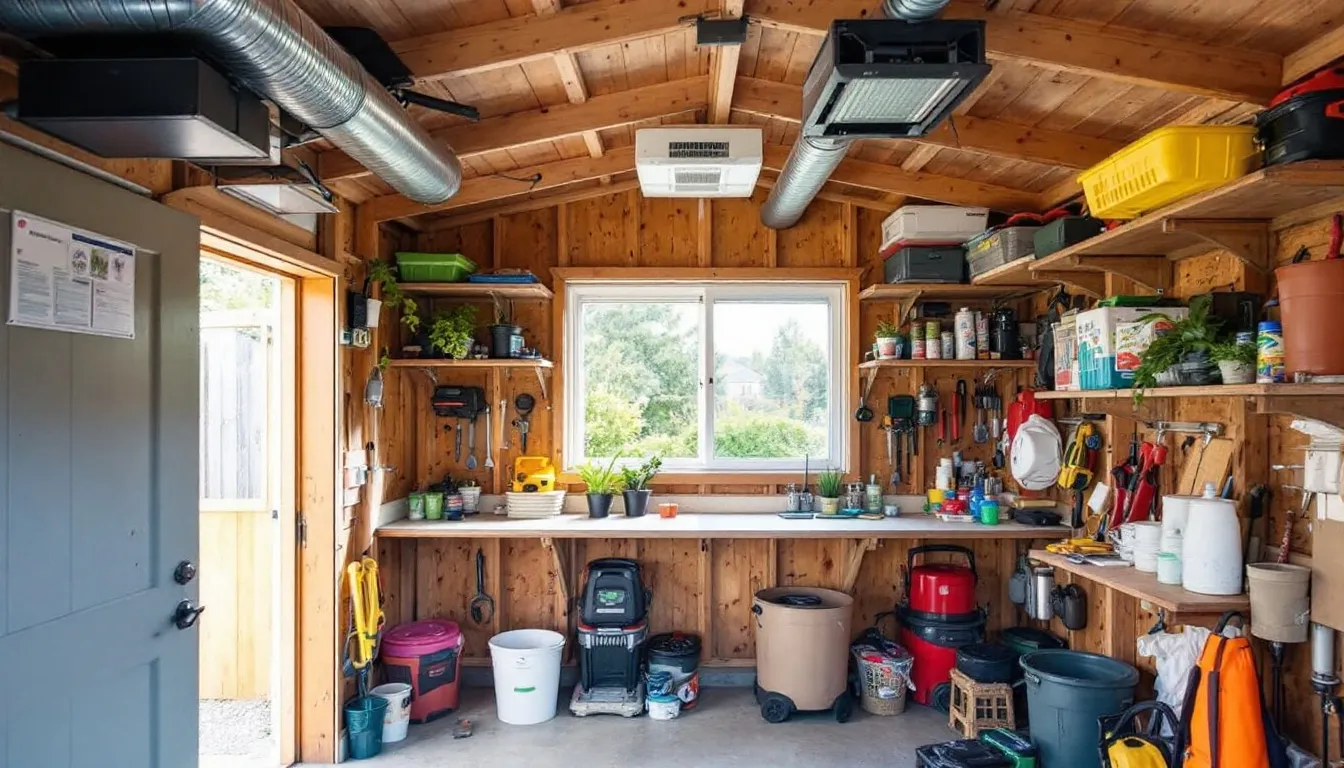
Ventilation requirements call for a minimum of 1 square foot of vent area per 150 square feet of floor space, though more ventilation is generally better than less. Ventilation in your shed prevents moisture buildup, which can lead to mold, mildew, and wood rot. Passive vents work well for most sheds, but powered ventilation may be necessary in humid climates or for specific stored items requiring air circulation. Vacuuming and cleaning vents regularly promotes airflow and prevents obstructions.
Moisture control using desiccants and proper air circulation prevents condensation, which can lead to rust, mould, and wood rot. Place moisture absorbers strategically throughout the shed, especially in corners where air circulation is slower. Monitor and replace desiccants regularly, particularly during winter when condensation risks are highest.
Storage solutions should prevent moisture from trapping behind items stored against the shed walls. Use pallets or raised platforms to maintain air circulation under stored materials. Install shelving systems that keep items off the floor and away from walls, reducing moisture exposure and making cleaning easier. Keeping the shed organized ensures that everything has its place and is easy to find. Storing frequently used items at eye level makes them easily accessible, saving time and effort during daily use.
Floor protection using pallets or rubber mats under heavy equipment prevents damage to the shed flooring and makes moving items easier. These platforms also provide insulation from ground moisture, making cleaning around stored items more practical.
Pest prevention through proper food storage and entry point sealing keeps unwanted visitors outside. Never store pet food, birdseed, or other attractants in unsealed containers. Seal any gaps larger than 6mm with steel wool and caulking to exclude rodents and insects. Regularly inspect for pests and seal any holes or gaps to prevent entry by wood-boring insects and rodents.
Seasonal Storage Preparation
Different seasons require adjusted storage strategies to protect sensitive items from temperature and humidity extremes. It is also important to adjust both storage and pest control strategies each season to avoid damage from pests and weather. Proper seasonal preparation prevents damage to valuable tools and supplies.
Winter storage procedures for garden tools and chemicals require protection from freezing temperatures and moisture. Drain fuel from power equipment, apply rust preventive to metal tools, and store chemicals in temperature-stable areas. If your shed lacks temperature control, consider moving sensitive items to heated areas.
Summer heat protection for sensitive items like seeds and fertilizers prevents deterioration from excessive temperatures. Provide additional ventilation during hot weather, consider reflective roof coatings to reduce heat buildup, and move particularly sensitive items to cooler areas during peak summer months.
Humidity monitoring using digital hygrometers helps maintain optimal conditions between 45-55% relative humidity. Higher humidity promotes mould and rust, while lower humidity can cause wood and rubber components to crack. Adjust ventilation and use dehumidifiers to maintain proper levels in your garden storage areas.
Inventory organization systems enable efficient space utilization and prevent damage from shifting loads. Label storage areas clearly, group similar items together, and create inventory lists for valuable tools and equipment. Regular organization prevents the accumulation of unnecessary items that reduce usable space. Inadequate organization can lead to wasted time searching for tools or items, so maintaining a clear system is essential for efficiency.
Fire safety considerations for storing flammable materials require proper ventilation, appropriate containers, and separation from ignition sources. Store gasoline and other fuels in approved containers, maintain clearance from electrical equipment, and post appropriate safety signage. Consider separate storage for highly flammable materials.
Pest Control and Prevention
Effective pest management combines exclusion, elimination of attractants, and targeted treatment when necessary. Proactive approaches work better and cost less than reactive pest control measures. Rodents such as mice and rats can gnaw on wood, wires, and insulation, weakening the shed’s structural integrity.
Rodent exclusion techniques use steel wool and caulking to seal gaps over 6mm. Mice can squeeze through surprisingly small openings, so thorough sealing is essential. Pay special attention to areas where utilities enter the shed and around door and window frames, where gaps commonly develop.
Insect prevention relies primarily on moisture elimination and regular cleaning. Most insects require moisture to survive, so effective ventilation and leak prevention significantly reduce insect habitat. Regular cleaning removes food sources and breeding sites that attract various pests. Insects like woodworms, ants, and beetles can tunnel into wood, causing extensive damage over time.
Installing bird deterrents around eaves and roof areas prevents nesting and associated mess problems. Use hardware cloth or specialized bird netting to exclude birds from potential nesting sites. Remove existing nests during appropriate seasons and install deterrents before birds establish territories.
Natural pest control methods using peppermint oil and ultrasonic devices provide non-toxic alternatives to chemical treatments. Soak cotton balls in peppermint oil and place them strategically around the shed perimeter. Replace oils monthly or when scent fades. Ultrasonic devices may help but should supplement rather than replace exclusion efforts.
Professional treatment schedules become necessary for severe infestations that don’t respond to prevention measures. Early intervention costs less and works better than waiting until problems become established. Maintain relationships with qualified pest control professionals who understand shed-specific challenges.
Security and Safety Measures
Protecting stored items requires addressing both security and safety concerns. Systematic approaches protect while maintaining convenient access for legitimate users.
Lock upgrade recommendations progress from basic padlocks to deadbolts depending on security needs and the value of stored items. Using a high-quality padlock or deadbolt secures the shed and protects it from theft. Quality padlocks provide adequate security for basic tools, while valuable equipment may justify deadbolt locks and reinforced door frames. Consider your insurance requirements when selecting security measures.
Window security film installation strengthens glass against break-ins while maintaining visibility. Professional installation ensures proper adhesion and effectiveness. This upgrade is particularly valuable for sheds storing high-value items or located in isolated areas.
Motion sensor lighting with 180-degree coverage and LED efficiency provides security benefits while supporting convenient access. Solar-powered units work well for remote installations, while hardwired systems offer more reliable operation—position lights to eliminate blind spots around the shed perimeter. In summer, intense heat and sunlight can cause materials to deteriorate faster, so checking for signs of wear and tear is crucial.
Alarm system options, including wireless sensors and smartphone alerts, offer sophisticated protection for valuable stored items. Modern systems connect to home security networks and provide remote monitoring capabilities. Cost-effectiveness depends on the value of the stored items and local crime rates.
Insurance considerations require documentation for high-value stored items and compliance with security requirements. Photograph expensive tools and equipment, maintain purchase records, and understand your policy’s coverage limits for shed contents. Some insurers offer discounts for proper security measures.
Emergency Preparedness
Planning for emergencies ensures rapid response when problems occur and minimizes damage to both the shed and stored items.
Storm damage assessment procedures following severe weather help identify problems requiring immediate attention. Check for structural damage, roof leaks, and security compromises that need rapid response. Document damage with photographs for insurance claims while conditions remain visible.
The emergency contact list should include contractors, insurance agents, and suppliers who can respond rapidly when needed. Maintain current contact information and understand their availability during emergencies. Pre-existing relationships speed response when time is critical.
Basic repair kit contents, including tarps, lumber, and fasteners, enable immediate temporary repairs that prevent additional damage. Store emergency supplies in waterproof containers and check them annually to ensure readiness. Include basic tools needed for emergency repairs.
Documentation requirements for insurance claims emphasize photo evidence and detailed damage descriptions. Take pictures immediately after damage occurs, before making any repairs or cleanup efforts. Maintain detailed records of stored items’ value and shed construction details.
While waiting for permanent repairs, temporary protection methods prevent additional damage during repair delays. Tarps, plastic sheeting, and temporary bracing can protect damaged areas until proper repairs are possible. Plan these measures rather than improvising during emergencies.
Material-Specific Maintenance
Different shed materials require tailored maintenance approaches based on their unique properties and vulnerabilities. Understanding material-specific needs ensures appropriate care and maximum lifespan.
Wooden shed requirements center on annual treatment and rot prevention. Wood naturally absorbs moisture and provides food for insects and decay organisms. Regular treatment with preservatives and prompt repair of damage prevent these problems. Pay special attention to areas where water can collect or where wood contacts soil.
Metal shed care focuses on rust prevention and panel alignment. Steel components rust when protective coatings fail, while aluminum may corrode in coastal environments. Regular cleaning, prompt touch-up of scratched areas, and proper ventilation to prevent condensation maintain metal shed integrity.
Vinyl and plastic shed cleaning requires non-abrasive cleaners that won’t scratch or dull surfaces. These materials resist most maintenance problems but can become brittle with age or UV exposure. Regular cleaning and protection from impacts maintain appearance and prevent cracking.
Composite material maintenance combines techniques from multiple materials since these products blend different components. Follow manufacturer recommendations carefully, as improper treatments can void warranties or cause damage. Generally, composite materials require less maintenance than natural products but still benefit from regular care.
Manufacturer warranty requirements often specify maintenance compliance to maintain coverage. To protect warranty coverage, keep records of maintenance activities and use approved products. Understand what maintenance activities are required versus recommended to maintain protection.
Cost-Effective Repair Strategies
Strategic approaches to shed maintenance balance immediate costs against long-term value, helping homeowners maintain their garden buildings efficiently and affordably.
DIY repair priorities should focus on tasks that don’t require specialized skills or tools while leaving complex work to professionals. Basic cleaning, simple hardware replacement, and minor caulking work are excellent DIY projects. Electrical work, major structural repairs, or complex roofing typically justify professional services.
Bulk purchasing strategies for standard maintenance supplies reduce per-unit costs when buying items used regularly. Paint, caulking, fasteners, and cleaning supplies cost less when purchased in larger quantities. Share bulk purchases with neighbors or store excess supplies properly for future use.
Seasonal timing affects both contractor availability and material pricing. Schedule major work during contractors’ slower seasons for better pricing and availability. Purchase materials during end-of-season sales when retailers clear inventory for next year’s stock.
Preventive maintenance cost analysis shows an approximately 5:1 savings ratio over replacement costs. Regular maintenance prevents major repairs and significantly extends shed lifespan. Track maintenance costs annually and compare against replacement costs to demonstrate the value of consistent care.
Tool investment recommendations for long-term maintenance efficiency focus on quality basic tools rather than specialized equipment. A good drill, basic hand tools, and quality paintbrushes serve most maintenance needs. Rent or borrow specialized tools needed infrequently rather than purchasing items used rarely.
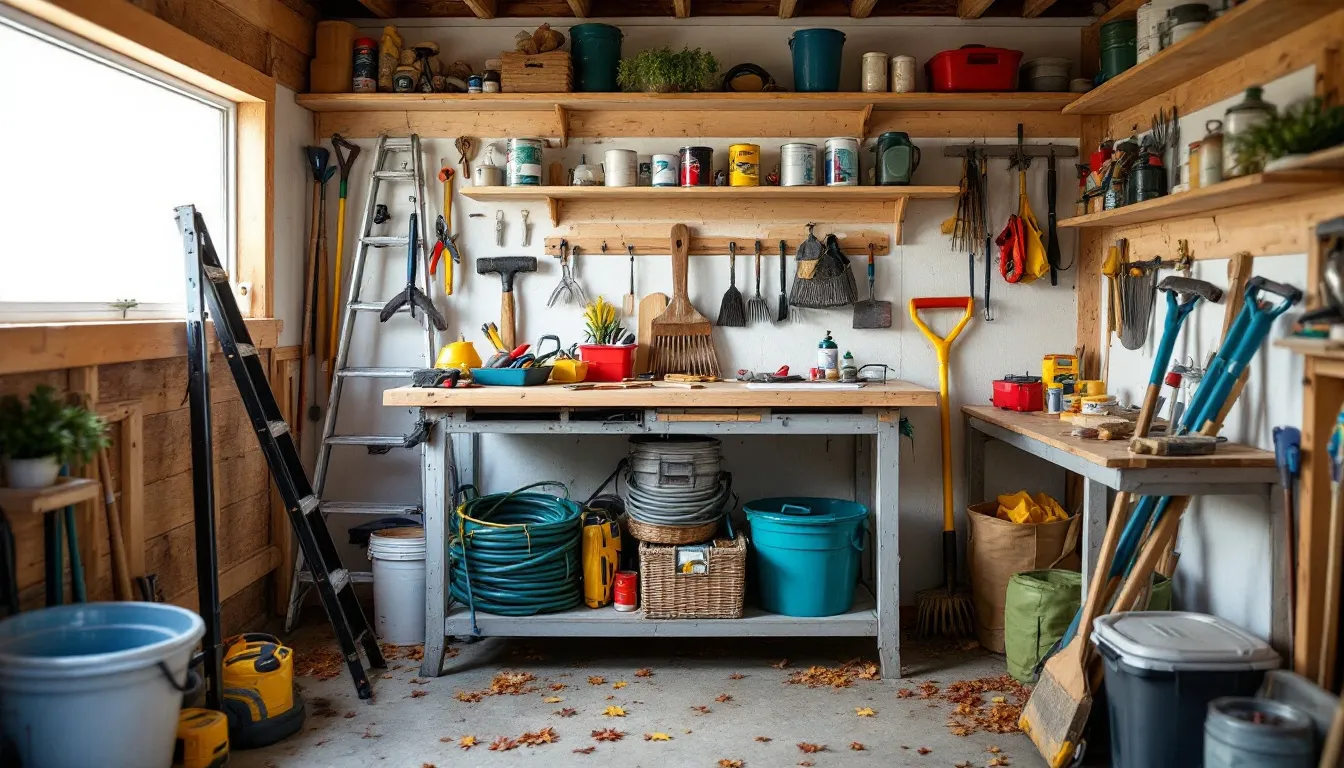
Regular shed maintenance represents one of the most cost-effective investments homeowners can make in their garden buildings. The difference between a shed that lasts 10 years and one that serves faithfully for 25 years often comes down to consistent, systematic care rather than expensive repairs or replacements. Decluttering your shed regularly prevents it from becoming a dumping ground for unwanted items.
By following the inspection schedules, maintenance procedures, and preventive strategies outlined in this guide, you’ll protect your shed investment while ensuring it continues providing valuable storage and functionality for decades. Start with a thorough inspection this weekend, establish your maintenance calendar, and address any immediate issues before they become costly problems.
Remember that the key to successful shed maintenance lies in consistency rather than perfection. Regular attention to small details prevents the significant problems that force expensive repairs or premature replacement. Your shed will reward this care with years of reliable service and protection for your valuable stored items.
Frequently Asked Questions
How often should I treat my wooden shed with preservative? Apply wood preservative annually, ideally in late spring (March-May) when the weather is dry but before summer heat intensifies. However, if your shed shows signs of water absorption, fading, or surface checking earlier than expected, treat it immediately regardless of the schedule. High-exposure areas like south-facing walls may need treatment twice yearly.
What’s the best way to prevent condensation buildup inside my shed? Install adequate ventilation (minimum 1 square foot per 150 square feet of floor space) and maintain proper air circulation. Avoid storing wet items, ensure good drainage around the foundation, and consider using moisture absorbers in corners. Keep stored items off walls and floors using pallets or shelving to promote airflow.
When should I replace my shed roof felt rather than repair it? Replace roofing felt when more than 30% shows damage, when multiple repairs have been made in the same area, or when the felt has exceeded its expected lifespan (typically 10-15 years for standard felt). If you make frequent patch repairs each season, replacement becomes more cost-effective than continued repairs.
How can I tell if my shed foundation is failing and needs attention? Watch for doors and windows that don’t close properly, visible settling or tilting of the structure, cracks in the foundation material, or persistent moisture problems around the base. If you notice the shed becoming unlevel or developing structural gaps, have the foundation assessed by a professional promptly.
What maintenance tasks can I do myself versus requiring professional help? DIY tasks include cleaning, basic hardware maintenance, simple caulking, painting, and minor repairs like replacing felt patches or adjusting hinges. Call professionals for electrical work, major structural repairs, extensive roof replacement, or any job requiring permits. When in doubt, get a professional assessment before attempting complex maintenance yourself.
Introduction to Garden Shed Maintenance
Regular maintenance of your garden shed is essential for extending its lifespan and keeping it in top condition. A well-cared-for shed not only shields your stored items from weather damage but also enhances your garden’s overall look and value. By staying on top of shed repair, monitoring your shed roof for signs of wear, and protecting your shed walls from wood rot and mildew growth, you can avoid costly issues. Consistent maintenance helps prevent future problems such as damaged roofing, water ingress, and structural rot, ensuring your shed remains a safe and secure space for your belongings. In this guide, you’ll find practical tips to help you maintain your shed, protect your investment, and keep your garden building looking its best year after year.
Types of Sheds
When it comes to garden sheds, there are several types to choose from, each with its own maintenance needs. Wooden sheds are a classic choice, offering a natural look that blends seamlessly into any garden. However, they require regular treatment to protect against wood rot, especially in damp or shaded areas. Applying preservatives and ensuring proper UV protection are essential to prevent weather damage and prolong the life of the wood. Metal sheds are known for their durability and resistance to rot, but they can be susceptible to rust if their protective coatings are compromised. Regular inspections and timely repairs are key to keeping rust at bay. Plastic sheds, meanwhile, are low maintenance and resistant to rot and rust, but they can become brittle or discoloured over time due to exposure to harsh weather conditions and UV rays. Understanding the specific requirements of your shed type is essential for effective maintenance and repair, helping you protect your investment and keep your shed in excellent condition.
Shed Preparation
Before you begin any maintenance tasks, it’s essential to prepare your shed and the surrounding area. Start by clearing away debris such as leaves, soil, and fallen branches, as these can trap moisture and slow air circulation around your shed. Trim back any overhanging tree branches to prevent them from damaging the shed’s roof or walls during storms. Check that your shed’s foundation is flat and level, as uneven bases can lead to structural issues and future problems. Look closely at the shed’s walls, roof, and floor for any signs of damage, such as missing shingles, holes, or broken boards. Addressing these repairs early helps prevent moisture from seeping in and causing further deterioration. Proper preparation makes maintaining your shed easier and enables you to spot and resolve potential issues before they become major concerns.
Window and Door Maintenance
Keeping your shed windows and doors in good working order is vital for security and weather protection. Regular maintenance should include inspecting windows and doors for signs of damage, such as cracked glass, rotten frames, or worn-out door hinges. Replace any broken or missing parts promptly to maintain a secure, weather-tight seal. Applying a fresh coat of paint or varnish to wooden frames helps protect them from weather damage and prolongs their life. Check that door hinges and handles are firmly attached and operate smoothly, tightening or replacing them as needed. For added security, consider installing sturdy locks or latches to deter break-ins and keep your stored items safe. By staying vigilant and addressing issues as soon as they arise, you can protect your shed from water damage, improve its appearance, and ensure it remains a reliable storage space for years.
Buying a New Shed
While repairing wooden sheds is often the most cost-effective way to extend their life, there are times when buying a new shed becomes necessary—especially if the existing structure has suffered extensive weather damage or rot. Painting a restored shed with a quality preservative can significantly improve its resistance to the elements. However, if repairs become too frequent or costly, investing in a new shed may be the more intelligent choice. Metal sheds offer a rot-proof alternative and generally require less maintenance, making them a practical option for many gardens. With a wide range of garden sheds, you can find a style and material that suits your needs and budget. Whether you choose to repair or replace, regular maintenance and painting will help protect your investment and keep your garden looking its best.
