

Metal Shed Storage Building: Complete Guide to Durable Garden Storage Solutions
Key Takeaways
Homeowners face the challenge of protecting valuable outdoor equipment from weather and theft. Whether you need to store gardening tools, lawn equipment, or even a motorbike, finding reliable storage that won’t rot, rust, or require constant maintenance can feel impossible. This is where metal shed storage buildings revolutionize garden storage.
Unlike traditional timber sheds that demand regular paint touch-ups and worry about rot, metal sheds provide a maintenance-free solution that protects your belongings for decades. With advanced security features, fireproof construction, and the ability to withstand extreme weather conditions, these buildings offer peace of mind that wooden alternatives cannot match.
This comprehensive guide will explore everything you need about metal storage buildings—from construction materials and security features to assembly instructions and manufacturer comparisons. By the end, you’ll understand why metal sheds have become the preferred choice for homeowners seeking durable, secure garden storage.
The growing popularity of metal sheds reflects their increasing trend as a preferred garden storage solution, with more homeowners choosing them for their durability and low maintenance.
What Are Metal Shed Storage Buildings
A metal shed storage building is a prefabricated structure constructed primarily from galvanized steel, designed to provide secure, weatherproof storage for outdoor equipment, tools, and vehicles. These buildings have evolved significantly since the 1990s, when advances in steel manufacturing made them a viable alternative to traditional wooden sheds.
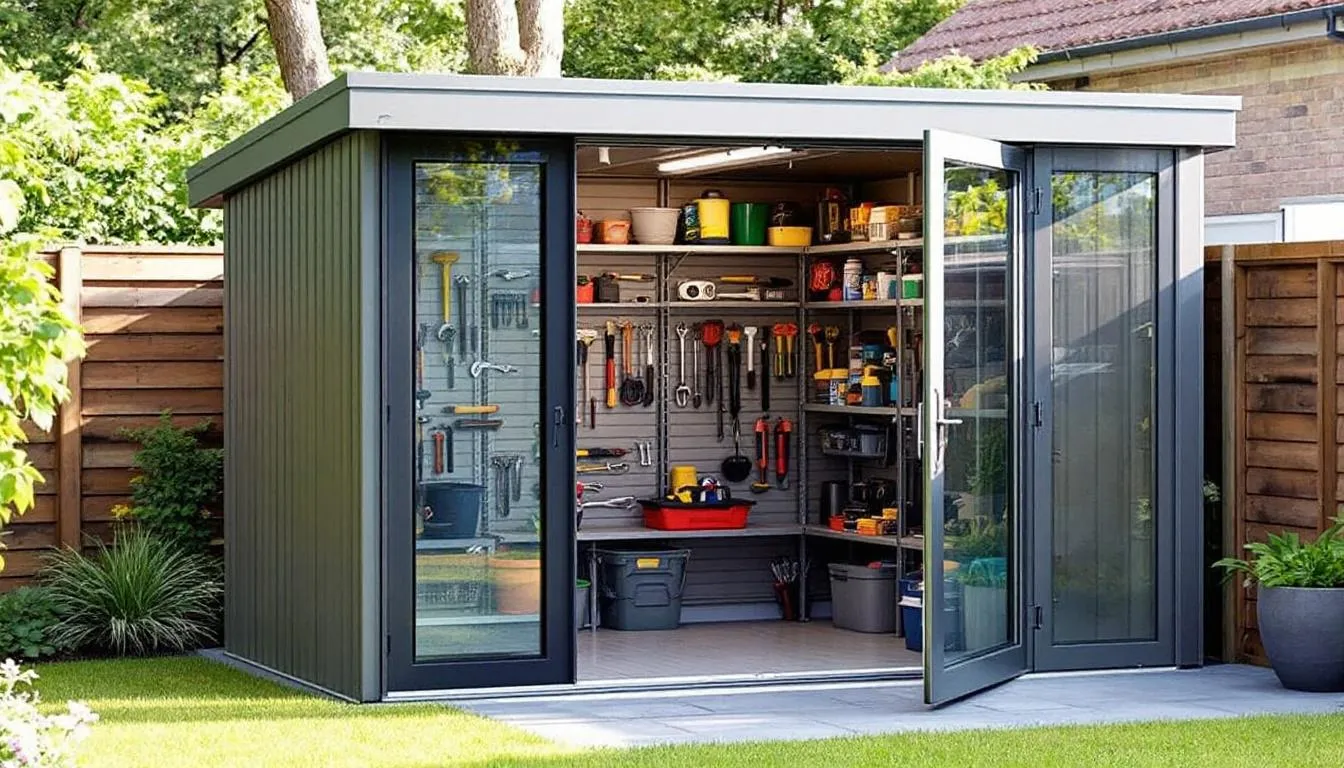
The evolution from wooden sheds to metal alternatives represents a fundamental shift in outdoor storage philosophy. Where timber structures require ongoing maintenance to prevent rot and pest damage, metal garden sheds offer a low-maintenance storage solution that can last decades with minimal care.
Modern metal sheds serve numerous purposes beyond basic garden storage. Homeowners use them to store lawn mowers, garden tools, bicycles, motorcycles, cars, and seasonal equipment. Many models accommodate large garden items like ride-on mowers or even serve as a garage for small vehicles. The versatility extends to workshop use, where the fireproof construction provides safe storage for tools and equipment.
Construction methods vary between lightweight panel systems and heavy-duty container-style builds. Lightweight designs use thin galvanized steel panels that bolt together, making them suitable for DIY assembly. Heavy-duty models feature thicker steel construction with enhanced security features, often requiring professional installation but offering superior protection for valuable items.
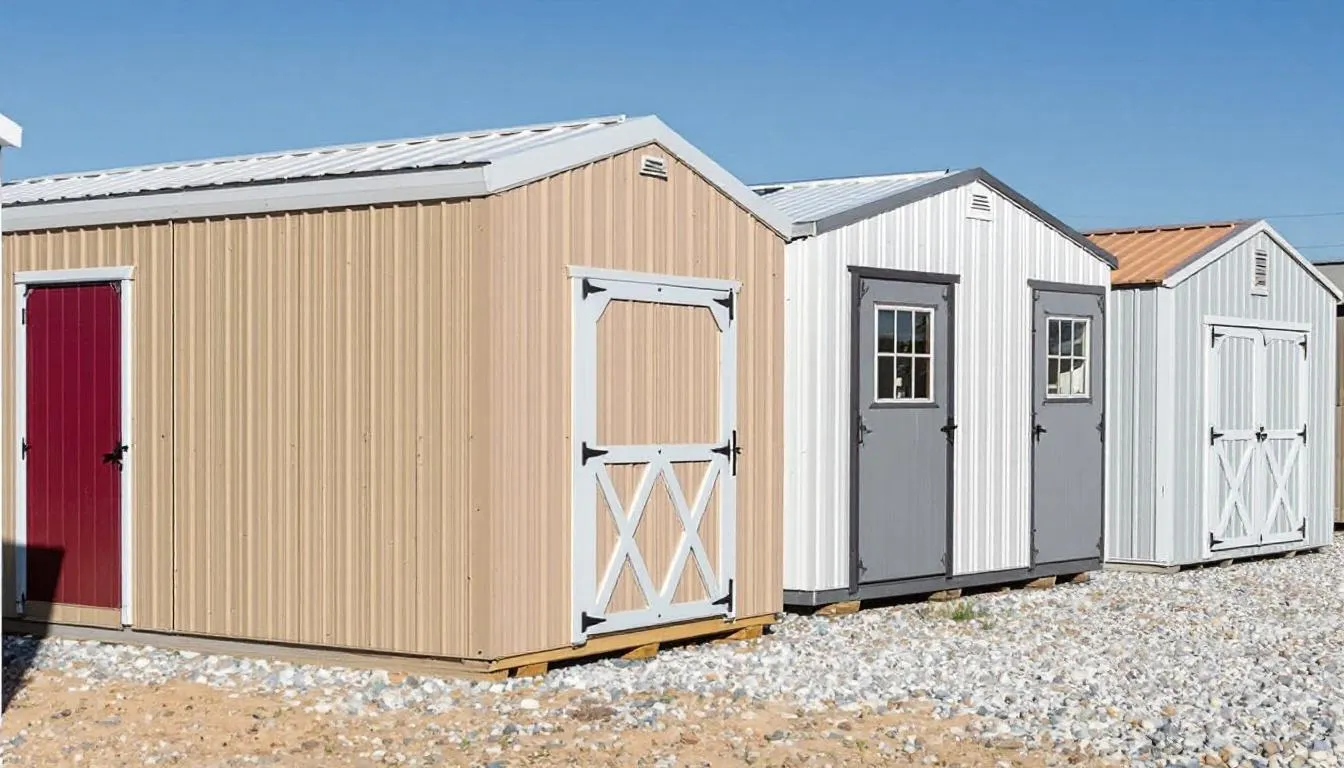
Metal sheds are also available in various colour options to suit different garden styles and preferences.
With all the sheds available on the market, you can find a comprehensive range of metal shed options that offer durability, security, and versatility for any storage need.
Key Benefits of Metal Storage Buildings
Metal storage buildings deliver many benefits that make them superior to traditional alternatives. The most significant advantage is their maintenance-free operation—these structures require no painting, rustproofing, or preservatives throughout their service life. This contrasts sharply with timber sheds, which need regular treatment to prevent deterioration.
Another crucial benefit is fire resistance. Metal sheds cannot catch fire like wooden structures, making them ideal for storing fuel, equipment, or working as a workshop space. The fireproof construction provides additional security for homeowners in areas prone to wildfires or those storing flammable materials.
Rot resistance eliminates the decay problems that plague wooden sheds. Ground moisture, rain, and humidity that would cause timber to deteriorate do not affect galvanized steel construction. Your investment maintains its structural integrity and appearance for years without intervention.
The buildings excel in pest protection, as rodent-resistant construction prevents mice, rats, and insects from chewing through walls or finding entry points. Unlike wood, which can be gnawed through, steel panels provide an impenetrable barrier that protects your belongings from damage. In addition to pest resistance, metal sheds protect stored items from environmental damage and theft, thanks to their durable construction and secure locking features. This level of protection is a key benefit for anyone looking to safeguard valuable tools, equipment, or other possessions.
Weatherproof construction enables these buildings to withstand the UK climate’s demanding conditions. High winds, heavy rain, and temperature fluctuations that might damage other materials barely affect properly constructed metal sheds. Many models are tested to withstand winds exceeding 70mph.
When comparing total ownership costs, cost-effectiveness becomes apparent over time. While the initial purchase price might match timber alternatives, the elimination of ongoing maintenance, painting, and eventual replacement makes metal sheds significantly cheaper over their 15-20-year lifespan.
The lightweight design of most models enables single-person assembly, though larger structures benefit from two people. This DIY-friendly approach saves money on professional installation while giving homeowners the satisfaction of building their own storage solution.
Security Features and Protection
Modern metal sheds incorporate advanced security systems that far exceed those found in traditional wooden structures. Pick-resistant locks represent the first line of defense, using complex mechanisms that resist manipulation attempts. Many manufacturers include drill-resistant cylinders that prevent forced entry through lock destruction.
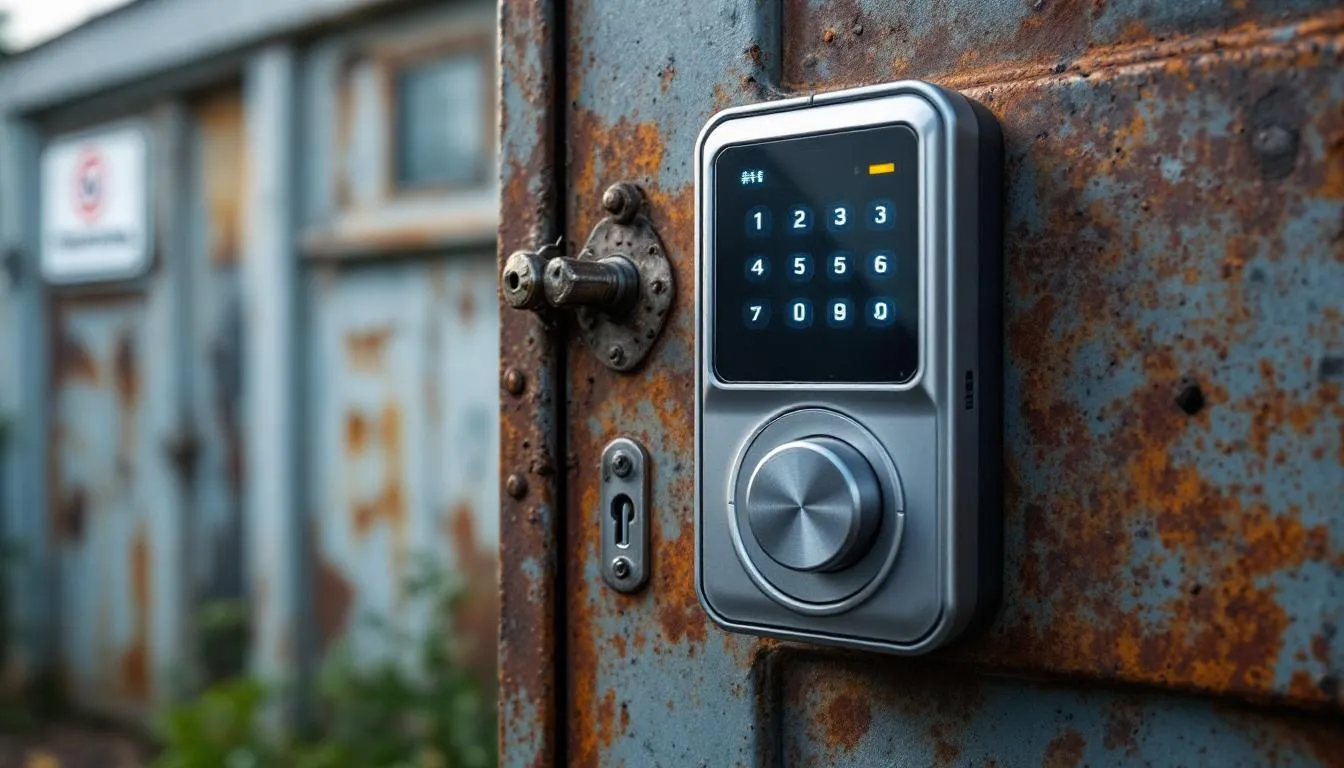
Welded hinges eliminate the weak points found in screwed or bolted hinge systems. These heavy-duty hinges cannot be removed from outside the building, preventing thieves from simply lifting doors off their mountings. Deadbolt systems provide additional security by engaging deep into the door frame, creating multiple contact points that resist forced entry.
Inside-out construction design ensures all vulnerable components remain inside the building, where they cannot be tampered with. Bolts, screws, and connection points face inward, preventing external access to critical structural elements. This approach contrasts with many wooden sheds where external fixings create security vulnerabilities.
Integral metal floors prevent ground-level intrusion attempts. Rather than sitting on a separate base that might allow undermining, these floors form part of the building structure. The continuous steel barrier extends protection from ground level to the roof, eliminating weak points that might allow access.
Police and insurance approval ratings validate the security effectiveness of quality metal sheds. Many models carry certification from law enforcement agencies and insurance companies, potentially reducing home insurance premiums for customers who install approved units. These certifications help reduce the risk of theft and damage, providing additional peace of mind for shed owners.
The secure nature of these buildings makes them ideal for storing valuable equipment, tools, or vehicles. Customers report peace of mind knowing their belongings are protected by multiple security layers that would challenge even determined thieves.
Construction Materials and Durability
Hot-dipped galvanized steel forms the foundation of quality metal shed construction. This process involves coating steel in molten zinc, creating a protective barrier that prevents corrosion from reaching the underlying metal. The galvanization process ensures rust-proofing that lasts for decades, even in challenging coastal environments.
Advanced manufacturers employ 7-layer coating systems that offer 10 times more rust resistance than standard galvanized options. These multi-layer treatments include primer coats, intermediate layers, and protective topcoats that work together to prevent water penetration and oxidation.
Heavy-duty steel gauge specifications determine structural integrity and longevity. Quality sheds use steel gauges between 0.4mm and 1.2mm thick, with heavier gauges providing superior rigidity and weather resistance. The thicker the steel, the better the building can withstand impacts, wind loading, and long-term use.
Manufacturer warranties reflect confidence in construction quality, with leading brands offering 10-15-year guarantees against rust perforation. These warranties cover structural integrity and surface finish, providing customers with long-term protection for their investment. Some premium manufacturers extend warranties to 20 years for their highest-quality models.
The durable construction means these buildings maintain their appearance and function throughout their service life. Unlike wooden structures that gradually deteriorate, properly built metal sheds look and perform almost identically after 10 years as they did when new.
Quality control in manufacturing ensures consistent construction standards. ISO 9001-accredited facilities maintain strict quality procedures that eliminate defects and ensure every undamaged panel meets specifications before shipping.
Ventilation and Condensation Control
Effective ventilation systems allow airflow while maintaining security and weather protection. Modern metal sheds incorporate sophisticated vent designs that enable air circulation without compromising the building’s weatherproof characteristics or providing entry points for pests.
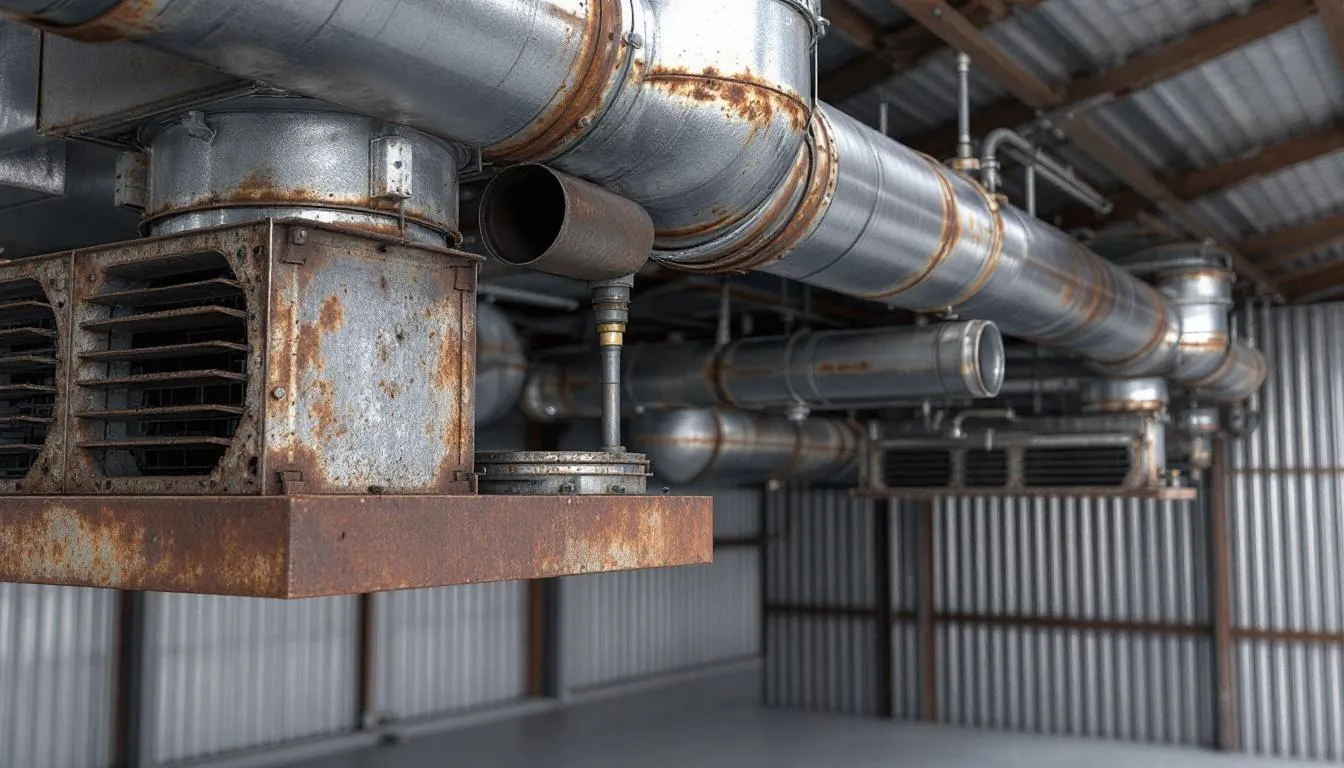
Unique ventilation systems use baffled vents that allow air movement while preventing rain penetration. These systems typically feature overlapping panels or louvered designs that direct airflow while shedding water away from the building interior.
Damp-proof membrane installation techniques form the foundation for effective condensation control. Proper base preparation includes laying impermeable membranes that prevent ground moisture from entering the building through the floor connection. This preparation step proves crucial for protecting stored items from humidity damage.
Condensation reduction strategies focus on maintaining temperature stability and air circulation. Strategic vent placement creates natural airflow that removes humid air before it can condense on metal surfaces. Cross-ventilation designs prove most effective, with intake vents at low levels and exhaust vents near the roof peak. Homeowners can also insulate their metal sheds using materials like foam or fiberglass to regulate temperature further and reduce condensation.
Spider-proof and rodent-proof design features ensure ventilation openings don’t become entry points for unwanted visitors. Mesh screens and specially designed vent geometries prevent insects and small animals from accessing the building interior while maintaining airflow efficiency.
Understanding condensation patterns helps customers optimize their storage setup. Items stored directly against metal walls in unventilated areas are most susceptible to moisture damage, while central storage with adequate air circulation remains protected.
Size Options and Storage Capacity
Small sheds measuring 5×7 ft provide sufficient room for basic garden tool storage, accommodating rakes, spades, small lawnmowers, and seasonal equipment. These compact units suit properties with limited space while offering secure protection for essential garden maintenance equipment.
Medium sheds in 6×9 ft configurations accommodate larger equipment, including push mowers, garden furniture, and extensive tool collections. The additional floor space allows for organized storage with room to access items without removing everything else first.
Large sheds at 8×6 ft and bigger dimensions suit customers needing storage for motorcycles, ride-on mowers, or workshop space. These buildings provide sufficient room for vehicle storage while maintaining space for tools and equipment around the perimeter.
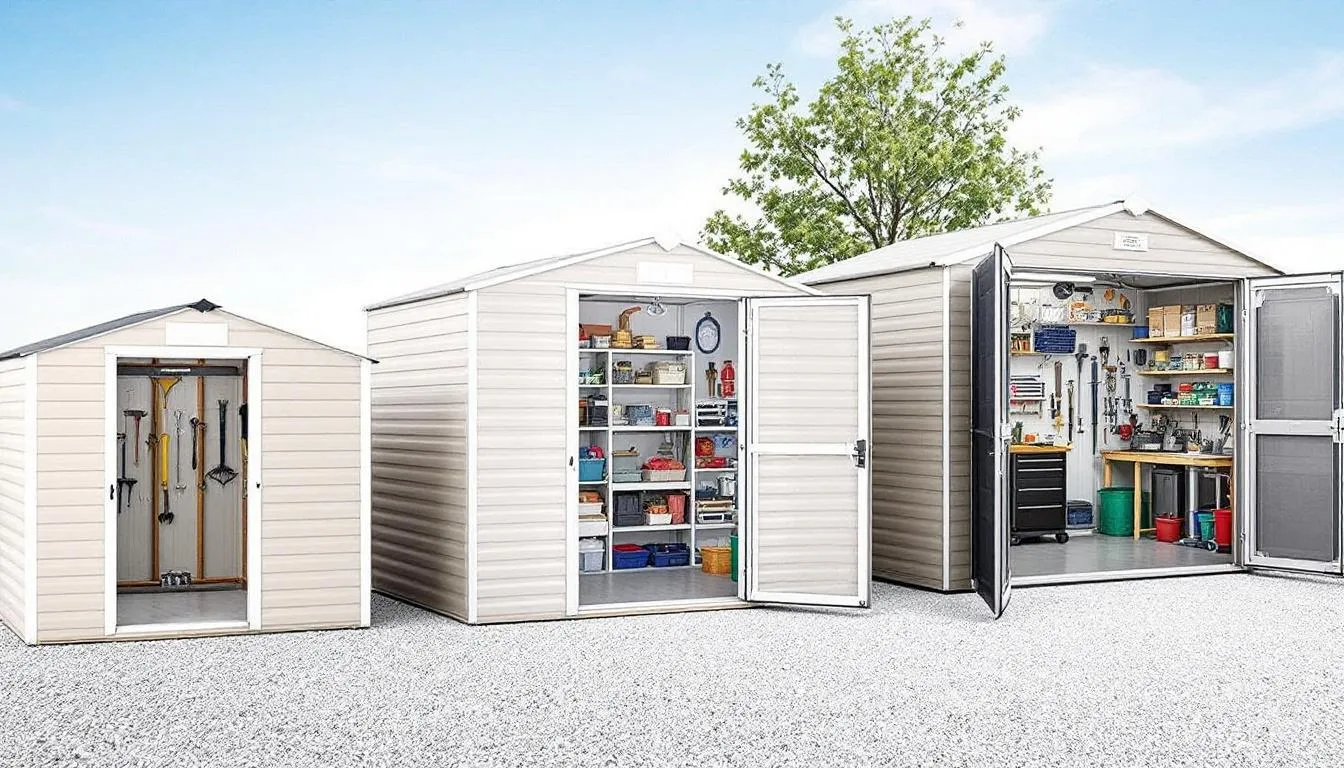
Extra headroom options feature high gables and intermediate beam support that maximize vertical storage space. Buildings with increased height accommodate shelving systems, overhead storage, and tall equipment that wouldn’t fit in standard height structures.
Double doors provide easy access for large garden items and vehicles. Wide door openings eliminate the struggle of maneuvering equipment through narrow entrances, while double door configurations allow flexible access from different positions.
Custom size options enable customers to specify dimensions for unusual spaces or specific storage requirements. Many manufacturers offer bespoke sizing within their standard construction methods, providing optimized solutions for unique situations.
Storage capacity calculations should account for access pathways and future needs. While a shed might technically fit specific items, practical use requires additional space for movement and potential storage expansion.
Assembly and Installation Process
Assembly time requirements typically range from 90 minutes for small basic models to 6 hours for large premium buildings. The duration depends on shed size, complexity of features, and builder experience. Most manufacturers provide realistic time estimates in their instructions to help customers plan the build process.
Required tools include an electric screwdriver for efficient fastener installation and basic hand tools like spanners, screwdrivers, and measuring tape. Having the right tools ready before starting significantly reduces assembly time and frustration.
Base preparation requirements demand careful attention to foundation specifications. The base must be level and stable and provide adequate drainage around the building perimeter. Flagstones or concrete bases work best, while tarmac surfaces should be avoided because they tend to soften in hot weather.
Base Preparation Requirements
Level foundation specifications ensure proper door alignment and structural integrity throughout the building’s life. Even small variations in base level can cause door binding, panel gaps, and structural stress, reducing longevity. Using a spirit level during base preparation prevents these problems.
Concrete or flagstone base recommendations emphasize the importance of solid, stable foundations with smooth edges that won’t damage the building floor. Rough or uneven base materials can puncture floor panels or create stress points that lead to premature failure.
Damp-proof membrane installation prevents moisture transfer from the ground to the building, protecting both the structure and stored contents. This critical step involves laying plastic sheeting under the entire building footprint before positioning the shed.
Anchoring and bolting systems enhance stability in high-wind conditions. Most sheds include ground anchoring systems that secure the building to its base, preventing movement during storms. Proper anchoring is essential for maintaining warranties and ensuring safety.
The step-by-step assembly process begins with frame construction, wall panel attachment, roof installation, and door hanging. Following the manufacturer’s sequence prevents errors that might require partial disassembly to correct.
Select manufacturers offer professional installation service options for customers who prefer expert assembly. While most sheds suit DIY installation, complex models or customers without appropriate tools might benefit from professional installation to ensure optimal results.
Leading Metal Shed Manufacturers
YardMaster brings over 30 years of UK experience to metal shed manufacturing, earning ISO 9001 accreditation that demonstrates its commitment to quality control. Its 15-year warranties reflect confidence in construction quality, while its extensive range covers everything from basic garden storage to large vehicle garages.
Asgard leverages nearly 40 years of experience in security storage, specializing in police-approved systems that meet stringent security standards. Their buildings often qualify for insurance discounts due to their proven theft resistance, making them popular with customers storing valuable equipment.
TriMetals operates as a family-run English company with RHS (Royal Horticultural Society) endorsed products that meet the exacting standards of serious gardeners. Their focus on practical design and robust construction has earned recognition from professionals who demand reliable performance.
Rowlinson has a heritage dating back to 1926. It offers timber-effect metal shed designs that combine steel durability with traditional appearance. Their products suit customers who want metal benefits without compromising aesthetic preferences in settings where appearance matters.
BioHort represents Austrian engineering excellence. Its detailed functional designs emphasize precision manufacturing and innovative features. Although its premium products command higher prices, they deliver exceptional build quality and long-term reliability.
Each manufacturer targets different market segments, from budget-conscious customers seeking basic protection to premium buyers wanting maximum security and features. Understanding these positioning differences helps customers choose manufacturers that align with their priorities and budgets.
Manufacturing locations affect delivery costs and support quality, with UK-based companies typically offering faster delivery and better customer service for British customers. However, European manufacturers like BioHort often provide superior engineering and innovative features.
Choosing the Right Metal Storage Building
Storage needs assessment begins with cataloging everything requiring protection, from garden tools and lawn equipment to vehicles and workshop materials. Creating a comprehensive list helps determine minimum size requirements while identifying special features like extra height for tall items or reinforced floors for heavy equipment.
Budget considerations span from economy models starting around £200 for basic garden tool storage to premium security buildings exceeding £3,000 for large, feature-rich installations. Understanding the range helps narrow choices while considering long-term value rather than just initial cost.
Garden space measurements must account for door swing clearance, maintenance access, and local planning regulations. Carefully measuring available space prevents ordering buildings that won’t fit or violate setback requirements from property boundaries.
Door configuration options significantly impact usability, with single doors suitable for tool access and double doors essential for vehicle storage. Consider how you’ll use the building most frequently when choosing between convenience and cost, as double doors add expense but significantly improve large item access.
Roof styles, including pent (single slope) and apex (double slope) designs, affect both appearance and internal space. Apex roofs provide maximum headroom and better weather shedding, while pent roofs offer economy and suit installations against existing buildings.
Planning permission requirements vary by building size and local regulations, with most garden sheds falling under permitted development rights. However, checking with local planning authorities prevents problems, especially for larger buildings or properties in conservation areas.
Site access considerations ensure delivery and assembly remain feasible. Large sheds arrive on substantial vehicles that need parking access, while assembly requires space to lay out components and maneuver panels into position.
Maintenance and Long-term Care
Virtually zero maintenance requirements distinguish metal sheds from wooden alternatives that demand regular painting, treating, and repair. Once properly installed, quality metal buildings need only occasional inspection and basic care to maintain optimal performance throughout their 15-20 year lifespan.
Occasional cleaning maintains appearance and prevents dirt accumulation that might hide developing problems. A simple hose-down removes surface dirt, while stubborn marks respond to mild detergent and a soft brush. Avoiding abrasive cleaners protects the protective coating that ensures long-term rust resistance.
Lubrication of door mechanisms keeps hinges and locks operating smoothly, preventing binding that might cause premature wear. Annual application of appropriate lubricants to moving parts takes minutes but significantly extends component life and maintains easy access.
Inspection schedules should include checking bolts and fasteners for tightness, particularly after extreme weather events. Thermal expansion and contraction can gradually loosen connections, while high winds might stress the structure. Retightening loose fasteners prevents minor issues from becoming major problems.
Warranty terms and conditions vary between manufacturers but typically cover structural integrity and rust perforation for 10-15 years. Understanding warranty requirements helps customers maintain coverage while identifying what aspects need monitoring during the coverage period.
Simple preventive measures like ensuring adequate drainage around the building and keeping stored items slightly away from walls maximize protection for both building and contents. These basic precautions cost nothing but significantly extend service life.
Cost Analysis and Value
Initial purchase prices range from £200-500 for basic small sheds to £1,500-4,000 for large premium models with advanced security features. Size, construction quality, and feature content drive pricing, and customers can find options suitable for most budgets within this range.
Long-term value propositions favor metal buildings due to their minimal maintenance requirements and extended service life. While wooden sheds might cost less initially, the ongoing costs of paint, preservatives, and eventual replacement make metal options more economical over 10-15 years.
Delivery costs typically add £50-200, depending on building size and delivery distance. Some manufacturers offer free delivery above certain order values. Factoring delivery charges into total costs prevents budget surprises and helps compare offerings between suppliers.
Installation service pricing ranges from £200-800 for professional assembly, depending on building complexity and local labor rates. While most customers can assemble these buildings, professional installation might be worthwhile for complex models or customers lacking appropriate tools.
Insurance benefits can offset purchase costs through reduced premiums for customers installing approved security sheds. Many insurance companies offer discounts for proper secure storage, particularly for motorcycles, tools, or other valuable equipment.
Quality metal sheds remain strong in resale value due to their durability and transferability. Unlike permanent structures, these buildings can be dismantled and relocated, maintaining value even when customers move house.
Total cost of ownership calculations should include purchase price, delivery, installation (if used), and minimal ongoing costs over the expected 15-20 year service life. This analysis typically shows metal sheds offering superior value to alternatives requiring regular maintenance.
Customer Reviews and Feedback
Customer reviews and feedback play a crucial role in verifying the quality and performance of metal sheds as a reliable storage solution. Across the UK, homeowners consistently highlight the many benefits of choosing a metal shed for their garden storage needs. One of the most frequently praised features is the low-maintenance storage solution these sheds provide—customers appreciate not having to worry about rot, rust, or constant upkeep, making metal sheds a truly maintenance-free option. Regular maintenance is often necessary for other types of garden sheds to ensure longevity and functionality.
Many customers have shared positive experiences with leading brands such as YardMaster and Rowlinson. For example, a YardMaster owner noted how easy the shed was to assemble, with clear instructions and all the necessary components included. Rowlinson customers often mention the peace of mind from the shed’s fire-resistant and rot-resistant construction, ensuring their gardening tools and other belongings are protected year-round.
Security is another area where metal sheds receive high marks. Reviews on platforms like UK Verify and from Asgard customers highlight the robust build quality and advanced security features, such as pick-resistant locks and welded hinges. Users appreciate that these sheds are rodent-resistant and offer reliable storage even in challenging weather conditions. The addition of double doors is frequently mentioned as a significant benefit, providing easy access for storing large garden items or even using the shed as a garage.
High gables and spacious interiors are also popular among customers, who find these features make it simple to store tall or bulky items without hassle. The rust-proofing and stylish finishes offered by brands like Trimetals are often cited as reasons for choosing a metal shed over traditional alternatives, with many customers noting that their sheds remain undamaged and attractive even after years of use.
Ventilation and condensation control are further points of satisfaction, with Asgard and Trimetals users praising the innovative systems that keep their sheds dry and their tools in top condition. Whether for a small garden shed or a large garage, customers consistently report that metal sheds deliver on their promises of durability, security, and ease of use.
Customer feedback confirms that metal sheds are a popular and dependable choice for anyone seeking a secure, stylish, and maintenance-free storage solution. With their many benefits, from rust proofing and rodent resistance to easy assembly and high-quality protection, metal sheds continue to earn the trust of UK homeowners looking to store their belongings safely and efficiently.
Frequently Asked Questions
How noisy are metal sheds during rain compared to other materials?
Metal sheds can be noisier during heavy rain than wooden alternatives, but the noise level is generally acceptable for storage use. The sound resembles light drumming and typically only occurs during significant rainfall. Adding insulation or sound-dampening materials can reduce noise if the building will be used as a workshop or office space.
Can metal sheds be relocated after assembly, and what’s involved?
Yes, most metal sheds can be dismantled and relocated with careful planning. The process involves reversing the assembly steps, carefully storing all fasteners and components, then reassembling at the new location. A proper base must be prepared at the destination, and some panels might need replacement if damaged during dismantling.
What’s the typical delivery timeframe, and what packaging should I expect?
Most manufacturers deliver within 5-10 working days from order confirmation, though custom sizes may take 2-3 weeks. Buildings arrive in multiple packages containing pre-cut panels, fasteners, and detailed assembly instructions. Delivery typically requires someone present to sign for the goods and check for any damage during transit.
Do I need planning permission for metal storage buildings in my garden?
Most garden sheds fall under permitted development rights and don’t require planning permission, provided they meet size and placement restrictions. However, buildings over certain sizes (typically 30 square meters) or those in conservation areas may need approval. Always check with your local planning authority before purchasing larger buildings.
How do metal sheds perform in extreme weather conditions like high winds?
Quality metal sheds are engineered to withstand significant wind loads, with many rated for winds exceeding 70mph when properly anchored. The key is ensuring correct installation and adequate ground anchoring. Choosing heavier gauge steel and professional installation in extreme weather zones provides additional security against storm damage.
