

Wood Gazebo: Complete Guide to Wooden Garden Structures
Key Takeaways
- Wood gazebos from cedar, redwood, and pressure-treated timber provide natural shelter and create beautiful focal points in gardens.
- Popular styles include hexagonal, corner, lean-to, and traditional rectangular designs with various roof configurations.
- Cedar and redwood offer superior natural durability and insect resistance, while pressure-treated wood provides budget-friendly protection.
- Hardwoods generally tend to be sturdier than softwoods overall, making them a consideration for those seeking maximum durability.
- Proper wood selection and regular maintenance ensure gazebos can withstand weather conditions for decades.
- Custom design options allow homeowners to create perfectly sized and styled gazebos for their specific garden spaces.
A wood gazebo represents one of the most elegant ways to enhance your outdoor living space while creating a perfect retreat in your garden. These timeless structures have evolved from simple garden ornaments to sophisticated outdoor rooms that transform any yard into a beautiful focal point for relaxation and entertainment.
Whether considering a diy wooden gazebo kit or planning a custom-built structure, understanding the many factors influencing your choice will help you create an outdoor space that serves your family for years. From selecting the right timber to choosing designs that suit your needs, this comprehensive guide explores everything you need about wooden gazebos.
What is a Wood Gazebo?
A wooden gazebo is a freestanding outdoor structure that provides shelter and is a dedicated space for outdoor activities in your garden. Unlike pergolas with their open roof systems or basic garden sheds, gazebos feature complete roof covering that offers protection from rain, wind, and harsh sunlight while maintaining an open, airy feel.
The primary purpose of these structures extends far beyond simple shelter. Modern wooden gazebos are outdoor dining rooms, relaxation areas, and entertainment spaces. Many homeowners use them to cover a hot tub, creating a private spa-like environment. In contrast, others transform them into outdoor offices or meditation spaces where they can relax and escape daily pressures. Wooden corner gazebos are suitable for dining al fresco and BBQing with friends and family, offering a cozy and functional outdoor setting.
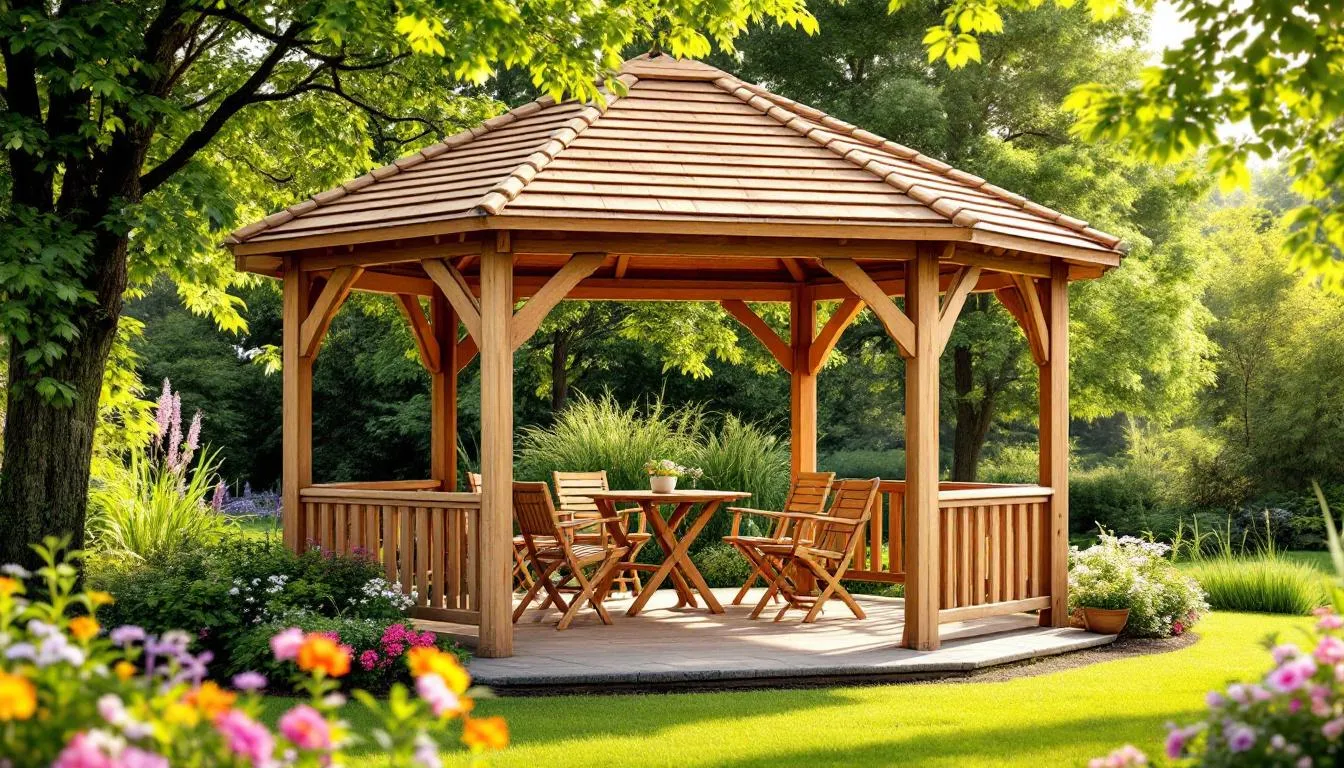
What sets wood gazebos apart from metal or vinyl alternatives is their natural integration with garden landscapes. The organic warmth of timber blends seamlessly with trees and plants, creating harmony that synthetic materials cannot match. Wooden gazebos with sides provide more natural aesthetics than brick or metal, enhancing the overall appeal of garden spaces. Wood’s natural texture and colour variations—where the colour of different wood types can vary significantly—enhance rather than compete with existing garden elements, impacting the overall aesthetic and compatibility with other features and making these structures feel like they’ve always belonged in the space.
Construction typically features robust posts that support a roof framework, with optional side panels for additional protection from the elements. The wood surface can be crafted from various timber species, each offering different characteristics in terms of durability, appearance, and price. Proper ventilation, drainage, and fungicide treatment can help prevent fungal decay and preserve the wood’s durability. Modern designs often incorporate half-height walls or decorative fixings, adding functionality and visual appeal.
Types of Wood Gazebos by Design
Understanding the different gazebo shapes and configurations helps you select a structure that maximizes your available space while meeting your specific functional requirements. Each design offers unique advantages for creating the perfect outdoor retreat.
Hexagonal Wood Gazebos
The six-sided hexagonal design creates exceptional architectural appeal while maximizing interior space efficiency. This classic shape provides structural strength through its geometric form, with each angle distributing weight evenly across the foundation. The resulting structure can withstand significant wind loads while creating an intimate, enclosed feeling that encourages conversation and relaxation.
Typical dimensions for hexagonal wooden gazebos range from 8 feet to 16 feet across, measured from point to point. The interior space feels larger than equivalent square footage in rectangular designs due to the absence of sharp corners that can make spaces feel confined. This makes hexagonal gazebos ideal for creating cozy outdoor living spaces where families gather for meals or friends meet for evening conversations.
The roof design for hexagonal structures requires careful engineering to ensure proper drainage and weather protection. Six triangular roof sections meet at a central point, creating opportunities for decorative elements like cupolas or finials that enhance the structure’s visual appeal. The complexity of the roof framework means these gazebos often require more skilled craftsmanship, but the resulting elegance justifies the additional investment.
Corner Wood Gazebos
Corner gazebos offer space-efficient solutions for gardens with limited area or specific layout constraints. These structures typically feature one or two solid walls that align with existing fences or building walls, maximizing the usable garden space while providing substantial shelter and privacy.
The design commonly incorporates chunky posts measuring 120mm x 120mm, providing robust structural support while creating a substantial, permanent appearance. Wooden balustrades between posts add decorative appeal while maintaining the open feel that makes gazebos so attractive. Optional solid wall panels can be added to create additional weather protection or privacy, making these structures particularly suitable for outdoor dining and BBQ areas.

Corner gazebos excel in providing weather protection due to their partially enclosed nature. The solid wall sections block prevailing winds while the open sides maintain airflow and prevent the structure from feeling closed in. This combination makes them excellent choices for climates with variable weather conditions, where flexibility in exposure levels enhances year-round usability.
Lean-To Wood Gazebos
Lean-to designs attach directly to existing house walls, extending your indoor living space into the garden. This attached configuration creates seamless transitions between interior and exterior areas, making it easy to move between your house and outdoor entertainment space during parties or family gatherings.
The space-saving benefits of lean-to gazebos make them ideal for smaller properties where freestanding structures might overwhelm the available area. By utilizing an existing wall for support, these gazebos require less foundation work and structural materials, often making them more affordable than equivalent freestanding designs.
Easy access features distinguish lean-to gazebos from other styles. Direct connections to doorways provide convenient rain protection when moving between house and garden, while the proximity to indoor facilities makes it simple to transport food, beverages, and entertainment equipment. This accessibility makes lean-to gazebos particularly popular for outdoor dining and entertaining.
Structural considerations for wall attachment require careful planning to ensure proper load distribution and weatherproofing. The attachment points must be secured to solid structural elements of the house, and adequate flashing must be installed to prevent water infiltration where the gazebo roof meets the building wall.
Traditional Rectangular Gazebos
Classic four-sided rectangular designs offer the most versatile sizing options and straightforward construction methods. These gazebos can be easily customized to fit specific space requirements, from intimate 8×10-foot structures to expansive 16×20-foot outdoor rooms suitable for large gatherings.
Standard post dimensions of 120mm x 120mm provide robust structural support while maintaining proportions that don’t overwhelm smaller gardens. The roof framework typically utilizes 140mm x 45mm timber members that span the rectangular opening, creating strong, durable structures capable of supporting various roofing materials and withstanding significant weather loads.
Popular features include a 6-foot walkthrough height that provides comfortable headroom for most adults while maintaining a proportional appearance. The rectangular shape simplifies foundation layout and construction, making these gazebos excellent choices for DIY installation or where standard building materials and techniques are preferred.
The versatility of rectangular gazebos extends to their potential uses. Their straightforward shape easily accommodates furniture arrangements, making them excellent for outdoor dining, lounging, or workspaces. The regular geometry also simplifies adding features like lighting, ceiling fans, or privacy screens.
Best Wood Materials for Gazebos
Selecting the right timber for your gazebo involves balancing durability, appearance, maintenance requirements, and cost considerations. Choosing high-quality timbers ensures your structure’s longevity and attractive appearance. Different wood species offer varying levels of natural weather resistance, affecting initial investment and long-term maintenance needs.
Many suppliers keep a wide stock of popular timber options, ensuring availability for gazebo projects.
Cedar Wood Gazebos
Cedar is the premium choice for wooden gazebos due to its exceptional natural properties. The wood contains natural oils that provide inherent resistance to decay, insects, and moisture damage, significantly reducing maintenance requirements compared to other timber options. This dense grain structure contributes to superior weather durability, allowing cedar gazebos to maintain structural integrity and appearance for decades with minimal intervention. Cedar wood stands out with its look, showcasing a deep reddish-brown hue and delicate grain patterns that add elegance.
The natural oil content that protects cedar also imparts a distinctive, pleasant aroma that many homeowners find appealing. This scent tends to fade over time but can occasionally return during warm, humid weather or when the wood surface is disturbed during cleaning or maintenance activities.
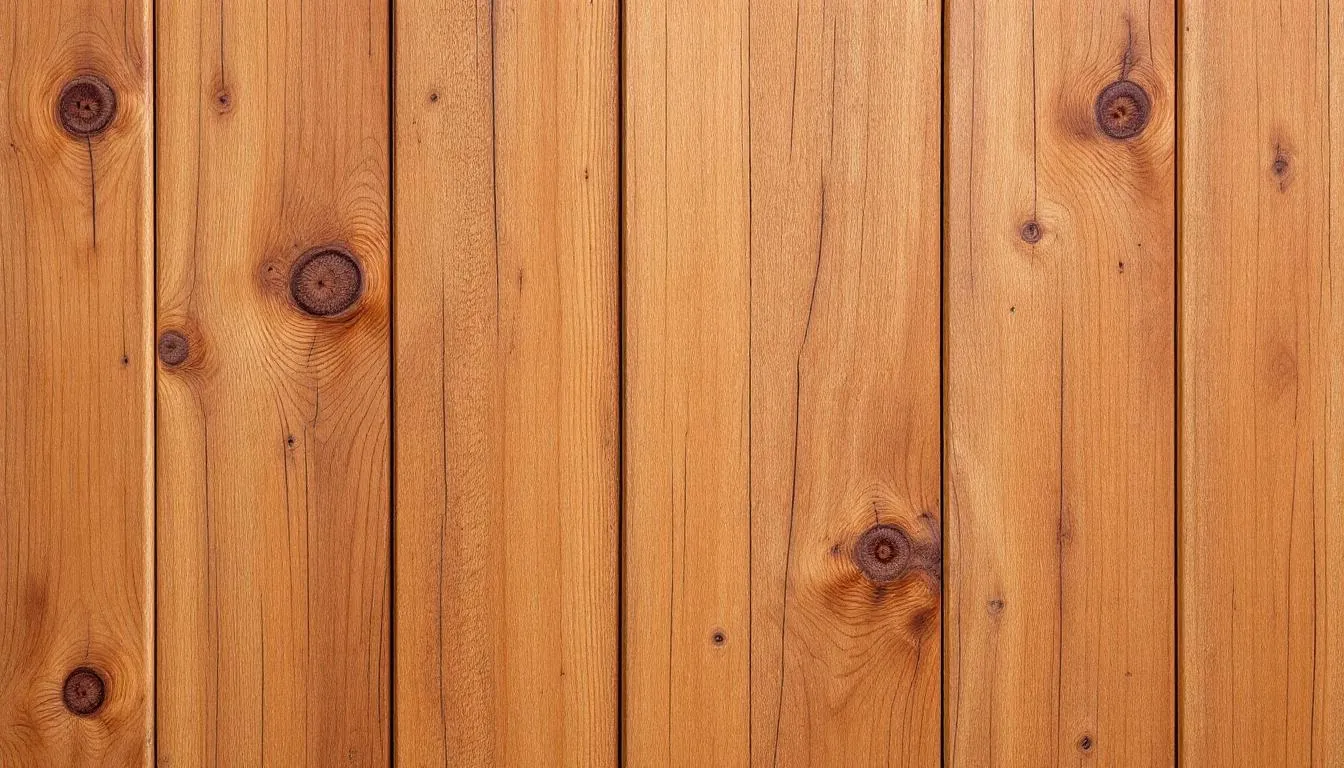
From an aesthetic standpoint, cedar offers beautiful natural coloring that ranges from warm honey tones to rich reddish-brown hues. The wood weathers gracefully, developing an attractive silvery-gray patina over time that many consider even more beautiful than the original color. This natural aging process eliminates the need for regular staining or painting to maintain an appealing appearance.
Cost considerations for cedar gazebos reflect the material’s premium status. While initial prices exceed those of pressure-treated wood options, the reduced maintenance requirements and extended lifespan often make cedar more economical over the structure’s lifetime. The eco-friendly characteristics of cedar, particularly when sourced from sustainably managed forests, appeal to environmentally conscious homeowners.
Redwood Gazebos
Redwood represents the luxury tier of gazebo materials, offering exceptional natural beauty and superior durability. This premium timber provides outstanding resistance to decay, insects, and weather damage, often exceeding even cedar’s impressive performance in harsh outdoor conditions. Redwood displays a stunning array of hues, from light reddish brown to deep red shades, enhancing its visual appeal.
The superior resistance to decay and pest damage stems from redwood’s natural tannin content, a biological preservative. These compounds discourage insect activity while inhibiting fungal growth that causes rot and structural deterioration. As a result, properly constructed redwood gazebos can last several decades with minimal maintenance intervention.
Redwood’s distinctive, rich red coloration creates a stunning visual appeal that immediately elevates any garden setting. Its natural beauty makes it a popular choice for high-end installations where appearance is a primary consideration. Like cedar, redwood can be left natural to develop an attractive weathered appearance or sealed to preserve its original color.
The higher cost positioning of redwood reflects both its superior performance characteristics and limited availability. Old-growth redwood sources are increasingly restricted, making this material significantly more expensive than other options. However, the long-term value proposition remains strong due to exceptional durability and minimal maintenance requirements.
Pressure-Treated Wood Gazebos
Pressure-treated wood offers a budget-friendly option that still provides reliable weather resistance and structural durability. The chemical treatment process involves forcing preservatives deep into the timber under pressure, creating protection that extends throughout the wood rather than just a surface coating.
Modern pressure treatment typically uses copper-based preservatives that are more environmentally friendly than older formulations while maintaining adequate protection against rot and insects. The treatment effectiveness varies based on the specific chemicals used and the penetration depth achieved, but properly treated timber can provide decades of reliable service when properly maintained.
Budget-friendly characteristics make pressure-treated wood the most accessible option for homeowners seeking gazebo functionality without premium material costs. The widespread availability of treated lumber means construction can proceed quickly without special ordering or extended delivery times. This accessibility extends to replacement materials if repairs become necessary years after initial construction.
Pressure-treated wood requires more frequent maintenance than naturally resistant species. Regular inspection for signs of wear and periodic application of sealers or stains helps maximize the treatment’s effectiveness and extend the structure’s lifespan. The investment in ongoing maintenance remains significantly less than the initial cost difference between treated and premium wood options.
Alternative Wood Options
Several alternative timber species offer unique characteristics that may suit specific gazebo applications. Douglas Fir provides excellent structural strength and attractive grain patterns, making it suitable for gazebo frameworks where strength is paramount. This species offers good value when protected adequately with regular maintenance. Softwoods like cedar and redwood are generally more lightweight and easier to work with than hardwoods, making them a practical choice for many gazebo designs.
Teak represents the premium end of tropical hardwoods, offering exceptional durability and natural oil content that rivals or exceeds cedar’s weather resistance. However, sustainability concerns and extremely high costs limit teak’s practical application to specialized situations where maximum longevity is essential.
Northern European spruce benefits from slow growth conditions that create dense, strong timber ideal for structural applications. The tight grain structure provides good stability and strength, though this species requires treatment or protection to achieve acceptable outdoor durability.
Cypress and White Oak offer regional alternatives with good natural durability characteristics. These species may provide cost advantages in areas where they’re locally available, though they’re less common in general gazebo construction than the primary options discussed above.
Design and Customization Options
Modern gazebo design extends far beyond basic shelter, offering extensive customization possibilities that allow you to create structures perfectly tailored to your specific needs and preferences. Understanding these options helps you make informed decisions that maximize functionality and aesthetic appeal.
Custom sizing capabilities are one of the most significant advantages of choosing wooden gazebos over pre-manufactured alternatives. Structures can be designed to accommodate spaces ranging from intimate 8×8-foot retreats to expansive 20×24-foot outdoor entertainment areas. This flexibility ensures your gazebo fits your available space perfectly while providing adequate room for intended activities.
Professional designers often utilize 3D configurator tools to visualize custom gazebo designs before construction begins. These digital tools help you experiment with different dimensions, roof styles, and feature combinations to ensure the final design meets your expectations and integrates well with existing landscape elements. Woodpro provides a 3D configurator tool that allows customers to create bespoke gazebo designs, offering a user-friendly way to tailor structures to individual preferences.

Roof style variations offer numerous opportunities to personalize your gazebo’s appearance and functionality. Traditional pitched designs provide excellent weather protection and classic aesthetics, while flat roofs create modern, contemporary appearances that complement contemporary home architecture. Hip roofs offer superior wind resistance, ideal for exposed locations or areas with severe weather conditions.
Optional features can transform basic gazebos into sophisticated outdoor rooms. Windows add natural light while providing weather protection, solid wall panels create privacy and wind protection, and decorative elements like carved brackets or turned spindles enhance visual appeal. These additions allow you to create structures that reflect your style while meeting specific functional requirements.
Integration with existing garden features requires careful planning but can create seamless outdoor environments. Gazebos can be positioned to frame attractive views, provide shade for outdoor dining areas, or create focal points that anchor landscape designs. Thoughtful placement enhances the gazebo’s functionality and the overall garden’s aesthetic appeal.
DIY Wooden Gazebo Kit
A DIY wooden gazebo kit is a fantastic way to transform your outdoor space with minimal hassle and at an affordable price. These kits are designed for convenience, supplying pre-cut timber, all necessary fixings, and a step-by-step instruction manual to guide you through the build. Whether you’re a seasoned DIY enthusiast or a first-time builder, a diy wooden gazebo kit easily creates a beautiful focal point in your garden.
When selecting a kit, pay close attention to the type of wood included. Pressure-treated wood is a popular choice, as it offers excellent durability and resistance to rot, ensuring your gazebo stands strong against the elements. Most kits also provide a range of materials, including robust roofing options, so your new structure will be weather-tight and long-lasting.
Building your own wooden gazebo saves installation costs and gives you the satisfaction of creating a unique space tailored to your needs. Various sizes and styles are available, so you can find a kit that suits your garden and lifestyle. Once assembled, your gazebo will offer a relaxing retreat for family gatherings, quiet afternoons, or lively outdoor parties, making it a true asset to your home.
Gazebo Features
A timber gazebo offers endless possibilities for customization, allowing you to design an outdoor living space that perfectly matches your vision and needs. From the roof covering to the wood surface, every detail can be tailored to enhance both functionality and elegance.
Consider incorporating a hot tub beneath your gazebo for the ultimate relaxation experience, or create a cozy seating area for entertaining guests. Roof coverings can be selected to withstand rain and wind, ensuring your space remains comfortable and sheltered in all weather. You can choose from various shapes and sizes, from compact designs for intimate gardens to expansive structures for larger gatherings.
Gazebos can be built with half-height walls for an open, airy feel or fully enclosed for added privacy and protection. Treatments that maintain the wood’s color and durability can preserve the natural beauty of timber, ensuring your gazebo remains a stunning feature for years. With so many options, you can create a perfect retreat that enhances your garden and withstands the elements with style and grace.
Building and Installation
Building and installing a wooden gazebo is a rewarding project that requires thoughtful planning and attention to detail. Start by selecting high-quality materials, such as sturdy timber and reliable fixings, to ensure your structure is both strong and long-lasting. Carefully consider your gazebo’s width, depth, and height to maximize your available space and achieve the desired look.
The type of roof and roofing materials you choose will impact your gazebo’s appearance and durability. Many DIY kits simplify the process, providing clear instructions and all the necessary components for a successful build. However, if you’re unsure about any aspect of the installation, it’s wise to consult a professional to guarantee a safe and secure structure.
Regular maintenance is key to preserving the wood’s natural beauty and protecting it from rot. This includes checking for signs of wear, cleaning the wood surface, and applying protective treatments as needed. Investing time in proper building and ongoing care’ll ensure your wooden gazebo remains a cherished feature of your garden for many years.
Benefits of Choosing Wood Gazebos
The decision to install a wooden gazebo provides numerous advantages beyond simple shelter, creating value that enhances daily life and property worth. Understanding these benefits helps justify the investment while highlighting opportunities to maximize your gazebo’s potential.
Natural aesthetic integration represents perhaps the most compelling advantage of wooden gazebos over alternative materials. Timber’s organic textures and warm colors blend seamlessly with garden landscapes, creating harmony between built and natural elements. This integration becomes more pronounced as the wood weathers and trees grow, developing a mature, established appearance that synthetic materials cannot replicate.
The shelter capabilities of properly designed gazebos provide adequate protection from multiple weather elements. Solid roof covering shields occupants from rain, snow, and intense sunlight, while the open sides maintain airflow that prevents overheating. Strategic placement can also provide wind protection, creating comfortable microclimates even during less-than-ideal weather conditions.
Versatility for multiple uses makes gazebos excellent investments in outdoor living. The same structure can function as an outdoor dining room during summer parties, a quiet reading retreat during peaceful afternoons, and a covered workspace for outdoor projects. This adaptability ensures your gazebo remains useful throughout changing seasons and evolving lifestyle needs.
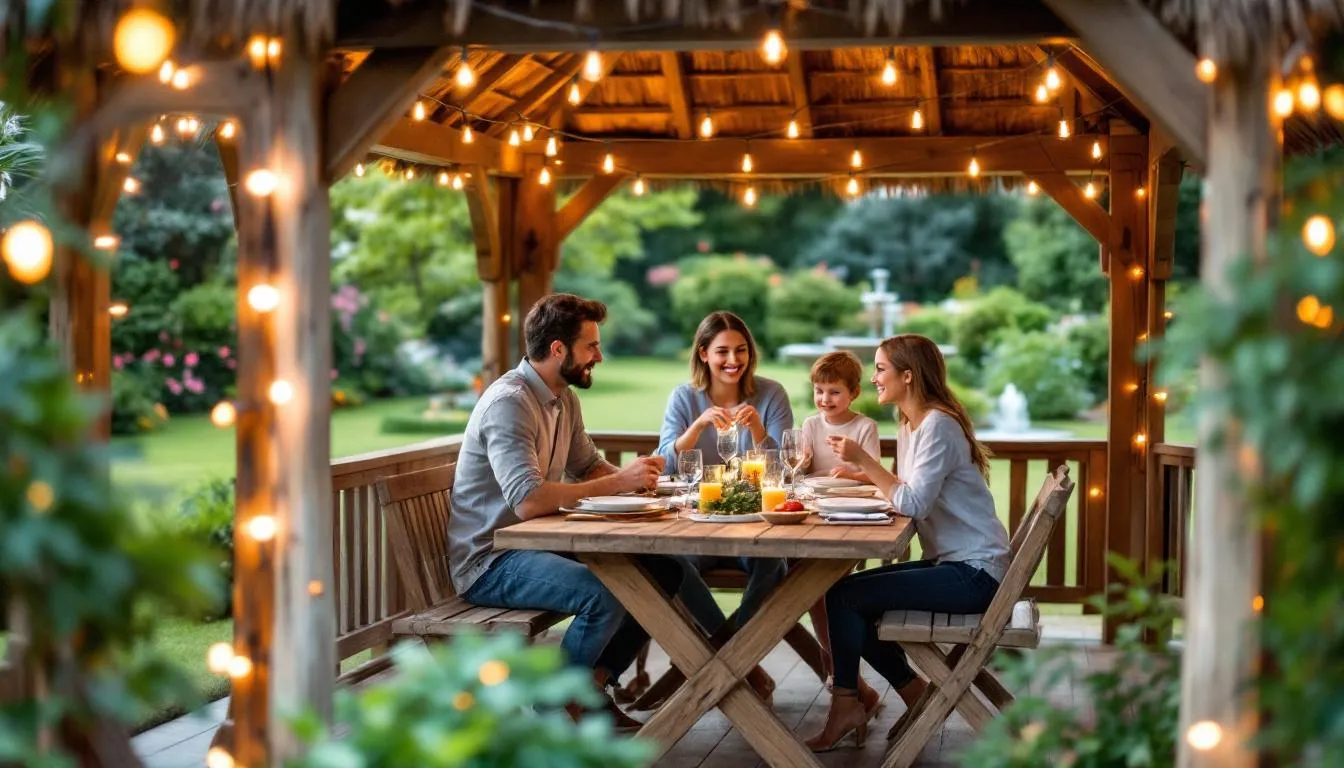
Property value enhancement occurs through both aesthetic improvement and functional addition. Well-designed gazebos create attractive focal points that improve landscape appeal while providing usable outdoor space that potential buyers value. Quality wooden structures particularly appeal to buyers seeking natural, sustainable home improvements.
The environmental benefits of choosing sustainably sourced wood materials contribute to responsible building practices. Timber production generally requires less energy than manufacturing synthetic alternatives, while responsibly managed forests provide renewable material sources. Sustainable forestry methods guarantee that planted trees replenish those that are cut down. End-of-life disposal is also more environmentally friendly, as wood can decompose naturally or be recycled into other products.
Durability and Maintenance Factors
The longevity and appearance of your wooden gazebo depend significantly on understanding and implementing proper maintenance practices. Different wood species require varying levels of care, but all benefit from regular attention that prevents minor issues from becoming major problems. You should check the roof of your wooden gazebo at least twice a year for damage, ensuring it remains in good condition and continues to provide adequate protection.
Weather Resistance
UV protection is critical to maintaining structural integrity and aesthetic appeal. Prolonged sun exposure can break down wood fibers, causing surface degradation and color fading, affecting appearance and durability. Quality UV-protective finishes help maintain the wood surface while preserving natural beauty or applied stain colors.
Regularly applying protective finishes creates barriers that prevent UV damage while providing additional moisture protection. The frequency of treatment depends on the specific product used, local climate conditions, and exposure levels, but most finishes require renewal every two to three years for optimal protection.
Moisture management requires attention to both direct water contact and humidity levels. Proper drainage around the gazebo foundation prevents water pooling, which can lead to post deterioration, while adequate ventilation in the roof area prevents moisture accumulation, which encourages rot and mold growth.
Seasonal maintenance tasks help identify and address potential problems before they become serious. Spring inspections should focus on winter damage assessment and cleaning, summer maintenance might involve reapplying protective finishes, and fall preparation should include clearing drainage systems and removing accumulated debris.
Pest and Decay Prevention
Termite and beetle protection strategies vary based on local pest populations and wood species selected. Naturally resistant woods like cedar and redwood require minimal additional protection, while pressure-treated wood includes preservatives designed to discourage pest activity. Regular inspections help identify early signs of infestation when treatment options are most effective.
Fungal prevention depends primarily on controlling moisture levels and ensuring adequate airflow around wooden components. Fungi require sustained moisture to establish colonies, so designs that promote quick drying after rain events significantly reduce decay risks. This includes ensuring gutters drain properly and avoiding design elements that trap water against wood surfaces.

Insecticide and fungicide treatment options provide additional protection for wood species or situations where natural resistance is insufficient. Modern treatments are more environmentally friendly than older formulations while maintaining effectiveness against target pests. A professional application ensures proper coverage and concentration for optimal results.
Regular inspection routines help detect problems early when interventions are most effective and least expensive. Monthly visual inspections during active seasons can identify issues like loose fixings, developing cracks, or early signs of pest activity. Annual detailed inspections should include checking all joints, examining the roof covering, and assessing foundation stability.
Wooden Gazebo Uses
A wooden gazebo is a versatile addition to any outdoor space, offering countless ways to enhance your outdoor living experience. Whether you dream of a perfect retreat for quiet relaxation, a lively spot for family gatherings, or a sheltered area for your hot tub, a gazebo can make it happen.
These elegant structures serve as beautiful focal points in the garden, creating a sense of sophistication and charm. They provide shelter from the elements, allowing you to enjoy the warmth and light of the sun while staying protected from wind and rain. With a wooden gazebo, you can host memorable parties with friends, enjoy peaceful afternoons with a good book, or relax and take in the beauty of your surroundings.
No matter how you use your gazebo, it will enhance your space, offering functionality and elegance. From intimate dinners to festive celebrations, a wooden gazebo is the perfect way to make the most of your garden and create lasting memories with loved ones.
Gazebo Safety
Safety is crucial when building or installing a wooden gazebo in your outdoor space. Many factors contribute to a safe and durable structure, including the quality of the wood, the design, and the installation process. Always use sturdy materials and reliable fixings to ensure your gazebo can withstand the elements and daily use.
Regular maintenance is essential for spotting and addressing any signs of rot or damage before they become serious. Inspect your gazebo periodically, paying special attention to the roof, joints, and any areas where water might collect. Promptly repair any problems to maintain the structure’s integrity and safety.
When choosing a location for your gazebo, avoid placing it under large branches or near other potential hazards. Proper site selection and careful installation will help prevent accidents and extend the life of your gazebo. By prioritizing safety at every stage—from planning and building to ongoing maintenance—you’ll create a secure and inviting outdoor space for your family and friends to enjoy for years.
Cost Considerations and Value
Understanding the financial aspects of gazebo ownership helps you make informed decisions that balance initial investment with long-term value. Multiple factors influence both purchase price and ongoing costs, making careful analysis essential for budget planning.
Price ranges vary significantly based on wood type, size, design complexity, and included features. Basic pressure-treated pine gazebos may start around £1,340 for simple 8×8-foot structures, while premium cedar or redwood designs can exceed £8,000 for larger, feature-rich installations. Custom designs and exotic wood species can push costs even higher. Many leading suppliers in the UK offer a wide range of wooden gazebos and have extensive experience in the UK market, ensuring quick build times and a strong understanding of local requirements.
The comparison between initial and long-term maintenance expenses often favors higher-quality materials despite increased upfront investment. Cedar gazebos might cost 50% more initially than pressure-treated alternatives, but their reduced maintenance requirements can make them more economical over a 20-year ownership period.
| Wood Type | Initial Cost Range | Annual Maintenance | 20-Year Total |
|---|---|---|---|
| Pressure Treated | £1,340-£3,500 | £150-£300 | £4,340-£9,500 |
| Cedar | £2,500-£6,000 | £75-£150 | £4,000-£9,000 |
| Redwood | £4,000-£10,000 | £50-£125 | £5,000-£12,500 |
Standard package inclusions typically cover essential components like kiln-dried wood, aluminum roof trim for durability, and EPDM roofing membrane for weather protection. Understanding what’s included helps compare different suppliers and avoid unexpected additional costs during construction.
Value assessment should consider both functional benefits and aesthetic improvements. A well-designed gazebo provides decades of outdoor enjoyment while potentially increasing property value by amounts that can approach or exceed the initial investment. This is particularly true for quality installations in desirable neighborhoods.
Assembly and installation costs depend on whether you choose DIY installation or professional construction. Depending on design complexity, kit assembly might require 20-40 hours of work, while custom construction can take several days and require specialized tools. Professional installation ensures proper construction but adds significantly to total project costs.
Transform your outdoor space into a beautiful retreat with a carefully selected wooden gazebo that suits your needs and budget. Whether you’re drawn to the natural elegance of cedar, the premium durability of redwood, or the affordable practicality of pressure-treated wood, the perfect gazebo awaits to enhance your garden and create lasting memories for your family.
Investing in a quality wooden gazebo pays dividends through years of outdoor enjoyment, increased property value, and the satisfaction of creating a space that truly reflects your lifestyle. Consider your available space, intended uses, and maintenance preferences as you explore today’s many options. For more information or guidance, contact suppliers for a free, no-obligation consultation or advice about choosing the right wood gazebo for your needs.
FAQ
What is the average lifespan of a wood gazebo with proper maintenance?
A well-maintained wood gazebo can last 15-30 years, depending on the wood type and local climate conditions. Cedar and redwood gazebos typically achieve the longer end of this range due to their natural decay resistance, while pressure-treated wood gazebos generally last 10-20 years with proper care. Regular maintenance, including cleaning, sealing, and prompt repairs, significantly extends the lifespan regardless of wood type.
Can I install a wood gazebo myself or do I need professional installation?
Many homeowners successfully install gazebo kits themselves, with remarkably more straightforward rectangular designs. Most manufacturers provide detailed instructions and pre-cut components that simplify assembly. However, complex designs like hexagonal gazebos or custom structures may require professional installation to ensure proper structural integrity. Consider your DIY experience, available tools, and local building requirements when making this decision.
How do I choose the right size gazebo for my garden space?
Plan for at least 3-4 feet of clearance around the gazebo perimeter for maintenance access and aesthetic proportion. Consider your intended use—dining requires a different space than relaxation seating. An 8×8-foot gazebo comfortably accommodates 4 people, while a 12×12-foot gazebo works well for larger gatherings. Also, check local setback requirements and ensure underground utilities are located before finalizing placement.
What permits or planning permissions might be required for installing a wood gazebo?
Permit requirements vary by location and gazebo size. Many areas allow small gazebos (under 120 square feet) without permits, but larger structures or those with permanent foundations typically require building permits. Check with your local building department early in the planning process. Some neighborhoods have additional restrictions through homeowner associations that may affect design choices.
How often should I apply protective treatments to maintain my wood gazebo?
Treatment frequency depends on wood type, climate, and product used. Cedar and redwood may only need treatment every 3-4 years, while pressure-treated wood typically requires annual attention. UV-protective stains generally last 2-3 years in moderate climates but may need annual renewal in harsh conditions. Inspect your gazebo each spring to assess treatment condition and plan maintenance accordingly.
