

If youre wondering are plastic sheds any good UK homeowners should know, the honest answer is yes – but theyre not perfect for everyone. Plastic sheds have come a long way from the flimsy structures of the past, with modern options from Keter and Palram Canopia offering impressive durability and weather resistance. They excel at providing maintenance-free storage for garden tools, outdoor equipment, and seasonal items without the hassle of annual treatments or rust concerns.
However, like any garden building, plastic sheds have both strengths and limitations. Whilst theyre brilliant for low-maintenance storage and resist rot, rust, and UV damage, they might not suit everyone’s aesthetic preferences or heavy-duty storage needs. Understanding these trade-offs will help you decide if a plastic shed fits your specific requirements and budget.
Are Plastic Sheds Any Good?
Modern plastic sheds are genuinely good garden buildings when chosen correctly. Todays premium plastic sheds use high-density polyethylene (HDPE) or polypropylene construction that can withstand decades of British weather without deteriorating. Brands like Keter and Palram Canopia have invested heavily in developing UV-resistant materials and reinforced panel systems that address the weaknesses of earlier plastic sheds.
The key lies in understanding what makes a quality plastic shed. Look for double-wall construction, steel reinforcement frames, and weatherproof floor systems. These features transform a basic plastic structure into a robust storage solution that competes favourably with traditional materials. For comprehensive guidance on selecting quality options, our best plastic garden sheds guide covers the top-rated models available in the UK market.
Quality plastic sheds typically last 15-20 years with minimal maintenance, making them a sound investment for most UK gardens. They perform particularly well in coastal areas where salt air would quickly corrode metal alternatives, and in urban environments where low maintenance is essential.

The Pros of Buying a Plastic Shed
Maintenance-free operation tops the list of plastic shed benefits. Unlike wooden sheds requiring annual staining or metal sheds prone to rust, plastic sheds need only occasional cleaning with soapy water. This saves both time and ongoing costs throughout the sheds lifespan.
Weather resistance is exceptional with quality plastic sheds. They wont rot in persistent damp conditions, rust in coastal salt air, or crack in freeze-thaw cycles. UV-stabilised materials maintain their colour and structural integrity for decades, whilst waterproof construction keeps contents completely dry.
Quick assembly appeals to many UK homeowners. Most plastic sheds assemble in 2-4 hours using basic tools, with snap-together panels and pre-cut components. No specialist carpentry skills are required, and most people can complete installation as a weekend project.
Lightweight construction means easier handling during assembly and potential relocation. A typical 6×4 plastic shed weighs around 60kg compared to 150kg for equivalent wooden structures, making them manageable for two people to position and assemble.
Security features are often built-in, with reinforced doors, integrated locking systems, and strong hinge designs. Many models include floor anchoring systems for additional stability in exposed locations.
The Cons of Buying a Plastic Shed
Aesthetic limitations concern many UK homeowners. Plastic sheds typically offer limited colour choices – usually grey, beige, or green – and lack the natural appeal of timber or industrial look of metal. They may not complement traditional garden designs or period properties effectively.
Expansion difficulties arise with plastic construction. Unlike wooden sheds where you can easily add shelving, hooks, or modifications, plastic panels may crack if drilled incorrectly. Some manufacturers provide accessory mounting points, but customisation options remain limited compared to other materials.
Temperature sensitivity affects some plastic sheds. Cheaper models may become brittle in extreme cold or slightly flexible in intense heat. Quality variations between manufacturers mean careful selection is essential to avoid these issues.
Size restrictions limit plastic shed options compared to wooden alternatives. Most plastic sheds top out around 10×8 feet, with fewer large storage options available. This may not suit homeowners needing workshop space or extensive storage capacity.
Wind noise can be more noticeable with plastic construction compared to heavier materials, though this varies significantly between designs and installation quality.

Are Plastic Sheds Worth the Money?
Plastic sheds offer excellent value when you factor in their total cost of ownership. A quality plastic shed costing £400-800 typically requires no maintenance expenses over 15-20 years, whilst a similarly priced wooden shed might need £50-100 annual treatments plus eventual repairs or replacement.
The payback period for choosing plastic over wood is usually 3-5 years when maintenance costs are considered. For busy homeowners who value time savings, the convenience factor adds significant value beyond pure financial calculations.
Featured Plastic Sheds From Our Range
Manufacturer


2’2 x 1’2 Shire Mid Plastic Garden Storage Cupboard with Shelves (0.68m x 0.37m)
£63.99
Sleeper Bench with 15-Year Guarantee – Forest Wooden Sleeper Garden Bench 4×1 (1.2×0.2m)
£79.99
Premium plastic sheds from established manufacturers represent the best value proposition. Budget models under £300 often use thinner materials and basic construction that may not withstand long-term UK weather exposure. Mid-range options from £400-600 typically offer the optimal balance of features, durability, and price.
Compared to metal sheds, plastic options cost similarly but avoid condensation issues common in uninsulated metal structures. Our comparison of metal sheds vs plastic sheds provides detailed analysis of both materials long-term value.
Who Should Buy a Plastic Shed?
Busy homeowners who prioritise convenience should consider plastic sheds. If you want secure garden storage without ongoing maintenance commitments, plastic construction eliminates the annual treatments and repairs required by other materials.
Coastal property owners benefit significantly from plastic sheds resistance to salt air corrosion. Traditional materials struggle in marine environments, whilst quality plastic sheds maintain their integrity regardless of salt exposure.
Renters and those planning to move find plastic sheds ideal due to their relatively easy disassembly and lightweight construction. Many models can be dismantled and relocated, though this varies by design.
First-time shed buyers often prefer plastic construction for its straightforward assembly and minimal learning curve. Without needing carpentry skills or specialist tools, most people can successfully install a plastic shed independently.
Gardeners storing standard tools, cushions, and seasonal equipment will find plastic sheds perfectly adequate. The weatherproof construction protects contents effectively whilst remaining easily accessible.
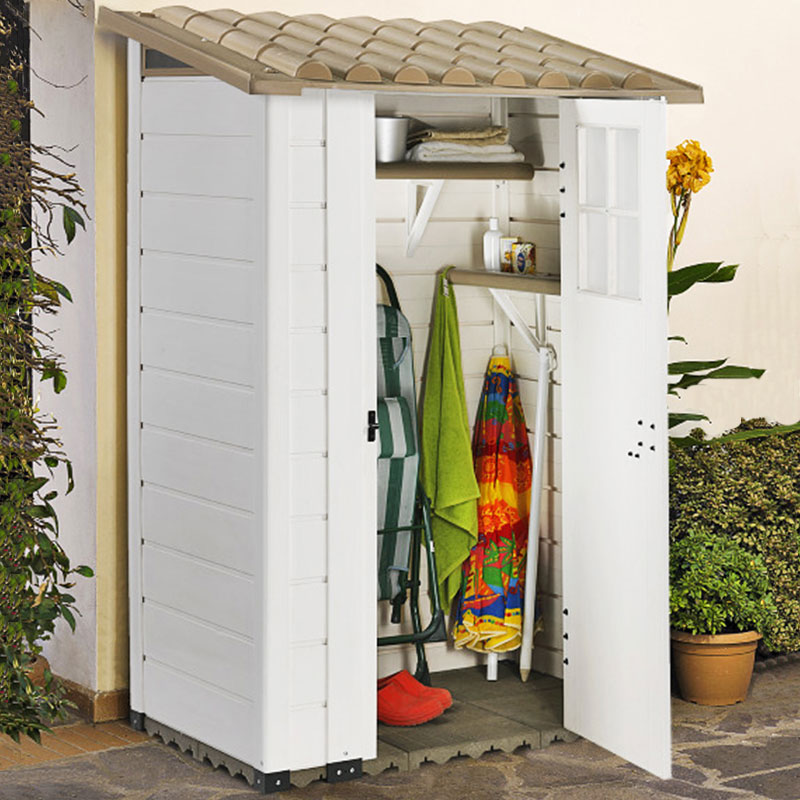
Who Should Avoid Plastic Sheds?
Workshop users requiring extensive customisation should consider alternatives. Mounting heavy workbenches, installing electrical systems, or adding custom storage solutions proves more challenging with plastic construction compared to wooden frameworks.
Homeowners prioritising traditional aesthetics may find plastic sheds unsuitable. Period properties, cottage gardens, or design-conscious outdoor spaces often benefit from natural timber construction that complements existing architecture.
Those needing large storage spaces face limited plastic shed options. Most manufacturers focus on smaller garden storage rather than workshop-sized buildings, making wooden construction more suitable for extensive storage needs.
Heavy equipment storage may exceed plastic shed capabilities. Whilst modern plastic sheds are surprisingly strong, storing motorcycles, heavy machinery, or substantial tool collections might require more robust wooden or metal construction.
Budget-conscious buyers seeking the cheapest possible option might find basic wooden sheds initially cheaper, though total ownership costs typically favour plastic construction over time.
For specific brand recommendations, explore our guides to the best Keter plastic sheds and best Palram Canopia plastic sheds available in the UK market.
Frequently Asked Questions
How long do plastic sheds last in the UK climate?
Quality plastic sheds typically last 15-20 years in the UK climate when properly maintained. Premium models from manufacturers like Keter and Palram Canopia often come with 10-year warranties, indicating their confidence in long-term durability. The key factors affecting lifespan include UV stabilisation, wall thickness, and construction quality. Cheaper plastic sheds may only last 5-8 years, whilst premium models can exceed 20 years with minimal maintenance. Regular cleaning and ensuring proper drainage around the shed base helps maximise lifespan.
Do plastic sheds get condensation problems like metal sheds?
Plastic sheds experience significantly less condensation than metal sheds due to their better insulation properties. The double-wall construction used in quality plastic sheds creates an insulating air gap that reduces temperature differentials causing condensation. However, any shed can develop condensation without proper ventilation, so ensure your plastic shed has adequate air vents and avoid storing wet items inside. Unlike metal sheds where condensation can cause rust damage, any moisture in plastic sheds simply evaporates without causing structural problems.
Can you insulate a plastic shed for winter use?
Insulating plastic sheds is possible but more challenging than with wooden construction. Some manufacturers offer insulation kits designed for their specific models, which typically include foam boards or reflective materials that attach to interior walls. Alternatively, you can install rigid foam insulation boards using appropriate adhesives that wont damage the plastic panels. However, drilling into plastic panels for insulation support requires care to avoid cracking. For occasional winter use, adding a small electric heater is often more practical than full insulation.
Are plastic sheds secure enough to deter thieves?
Modern plastic sheds offer surprisingly good security when properly specified and installed. Quality models feature reinforced doors, integrated locking systems, and steel reinforcement frames that resist forced entry attempts. The key is choosing sheds with proper floor anchoring systems and solid construction rather than basic models with flimsy panels. Adding a quality padlock or upgrading to a cylinder lock improves security further. Whilst no shed is completely burglar-proof, well-built plastic sheds provide adequate security for typical garden storage needs and often outperform basic wooden alternatives in resistance to forced entry.
Ready to find the perfect plastic shed for your garden? Browse our full range of plastic garden sheds and discover quality options with fast UK delivery and expert customer support.
