

When choosing between metal sheds vs plastic sheds in the UK, the decision often comes down to your priorities: durability, cost, maintenance, and security. Both materials have their advantages, but they serve different needs and budgets.
Metal sheds, from brands like Yardmaster and Asgard, typically offer superior security and longevity but require more maintenance. Plastic sheds are virtually maintenance-free and cost-effective but may lack the robustness needed for valuable storage. Understanding these trade-offs will help you make the right choice for your garden.
This comprehensive comparison examines every aspect of metal versus plastic sheds, from initial costs to long-term durability, helping UK homeowners make an informed decision in 2026.
Metal Sheds vs Plastic Sheds — Key Differences
The fundamental differences between metal and plastic sheds lie in their construction materials and resulting characteristics. Metal sheds are typically made from galvanised steel or aluminium, offering excellent structural integrity and weather resistance. For a comprehensive overview of metal shed benefits, our complete guide to metal sheds covers everything you need to know.
Plastic sheds, constructed from high-density polyethylene (HDPE) or polypropylene, prioritise low maintenance and affordability. They’re lighter, easier to assemble, and completely rust-proof, making them attractive to homeowners seeking hassle-free storage solutions.
The choice often depends on your intended use. Metal sheds excel for storing valuable tools, machinery, or equipment requiring enhanced security. Plastic sheds work brilliantly for garden furniture, sports equipment, or general household storage where convenience matters most.
Cost: Which Is Cheaper?
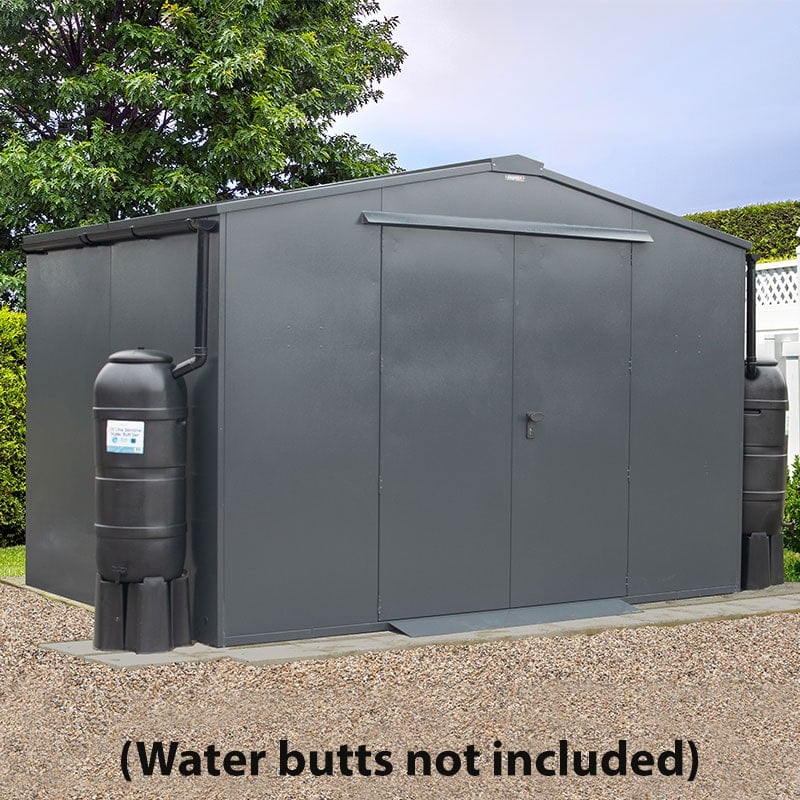
Initial purchase costs generally favour plastic sheds, with basic models starting from around £200-300 for smaller sizes. Comparable metal sheds typically begin at £300-400, representing a 25-50% price difference depending on size and features.
However, long-term value calculations shift the equation. Metal sheds often last 15-20 years with proper maintenance, while plastic sheds may require replacement after 8-12 years, especially in harsh weather conditions. When factoring in replacement costs, metal sheds frequently offer better value over time.
Installation costs also differ. Plastic sheds are lighter and often easier to assemble, potentially saving on professional installation fees. Metal sheds may require more robust foundations and careful handling during assembly, particularly larger models from manufacturers like Trimetals.
Durability: Which Lasts Longer?
Metal sheds significantly outperform plastic alternatives in longevity tests. Quality galvanised steel sheds withstand decades of British weather, from driving rain to snow loading and high winds. Premium brands like Asgard offer 10-year warranties, reflecting confidence in their durability.
Plastic sheds face challenges with UV degradation, thermal expansion, and brittleness over time. While modern UV-resistant formulations improve lifespan, plastic cannot match metal’s fundamental structural strength. Heavy snow loads or impacts from falling branches may damage plastic panels more easily than metal equivalents.
Climate considerations matter enormously in the UK. Metal sheds handle temperature fluctuations better, maintaining structural integrity through freeze-thaw cycles that can stress plastic materials. Coastal areas with salt air may favour plastic’s corrosion resistance, though quality metal sheds with proper coating perform well in these conditions too.
Maintenance: Which Is Easier?
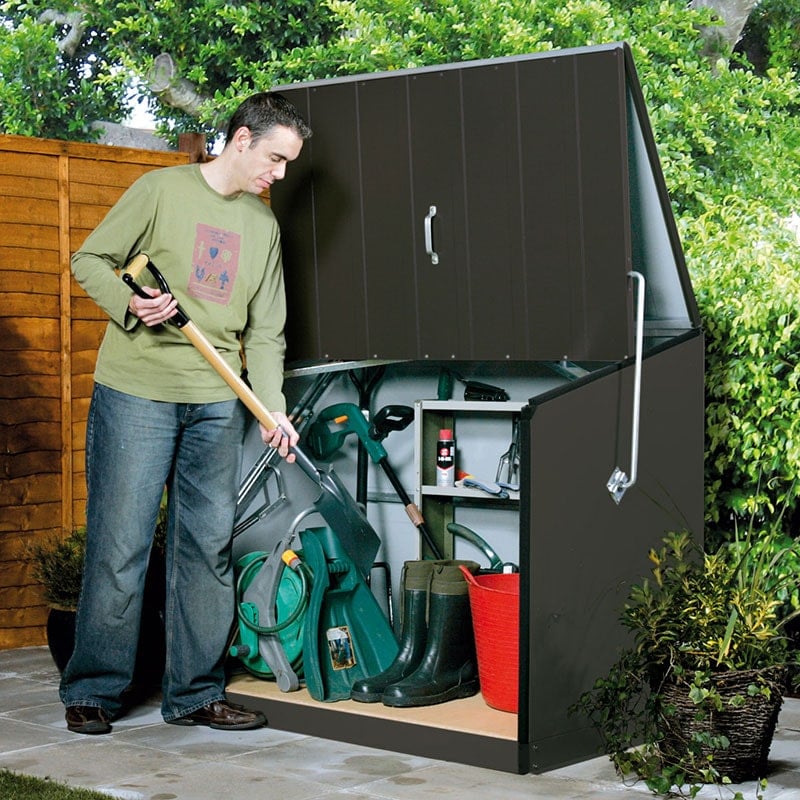
Plastic sheds win decisively on maintenance requirements. They need only occasional cleaning with soap and water, never requiring painting, rust treatment, or structural repairs. This makes them ideal for homeowners preferring completely hands-off storage solutions.
Metal sheds demand more attention, particularly budget models with thinner coating. Annual inspections for rust spots, touch-up painting every 3-5 years, and proper ventilation management prevent long-term problems. However, premium metal sheds with superior galvanising and paint systems reduce maintenance significantly.
The maintenance gap narrows when comparing high-quality metal sheds to plastic alternatives. Top-tier metal sheds from established manufacturers often need minimal intervention beyond basic cleaning and occasional door adjustment, making the maintenance argument less compelling than commonly assumed.
Security: Which Is More Secure?
Metal sheds provide substantially better security for valuable contents. Steel construction resists cutting, drilling, and impact attempts better than plastic alternatives. Many metal sheds accommodate heavy-duty padlocks, security hasps, and even alarm systems effectively.
Plastic sheds offer limited security benefits. While they may deter casual opportunists, determined thieves can cut through plastic panels relatively easily. The material’s flexibility, while useful for impact resistance, becomes a liability when security matters most.
For storing expensive garden machinery, tools, or bicycles, metal sheds justify their higher cost through superior theft protection. Insurance companies may even offer better rates for secure metal storage compared to plastic alternatives, offsetting some initial cost differences.
Appearance: Which Looks Better?
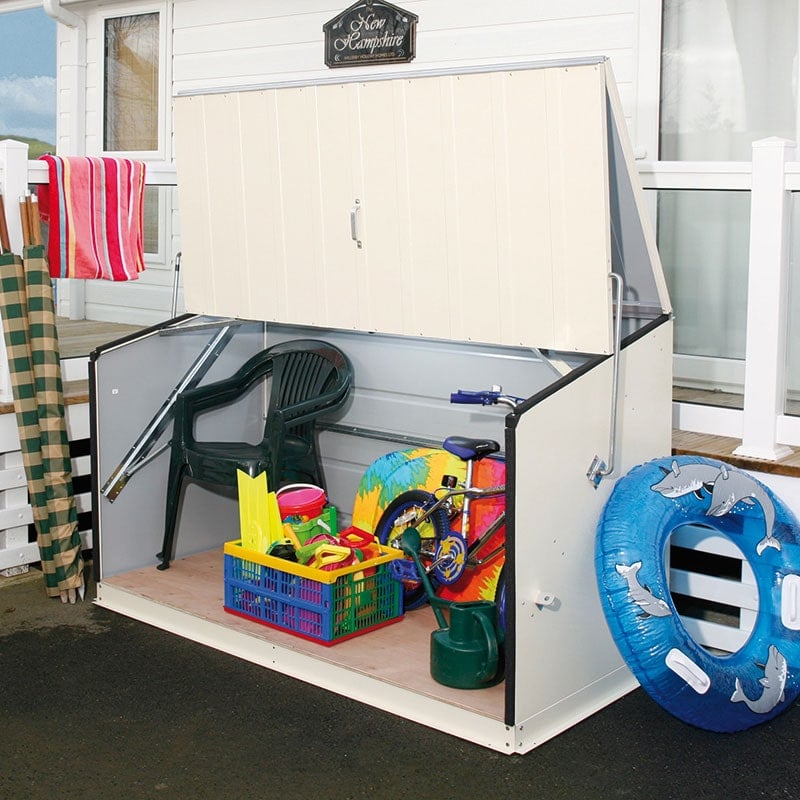
Aesthetic preferences vary considerably, but metal sheds generally offer more sophisticated appearances. Available in various colours and finishes, quality metal sheds can complement modern garden designs effectively. Brands like Globel produce particularly attractive contemporary designs.
Plastic sheds historically suffered from cheap, toy-like appearances, though modern designs have improved significantly. They’re available in wood-effect finishes and neutral colours that blend reasonably well with garden settings. However, the artificial appearance may still concern style-conscious homeowners.
Long-term appearance maintenance favours plastic initially, as colours won’t fade or require repainting. However, plastic may develop a chalky appearance over time, while well-maintained metal sheds can look impressive for decades.
Our Verdict — Which Should You Choose?
Choose metal sheds if you prioritise security, longevity, and don’t mind occasional maintenance. They’re ideal for storing valuable equipment, tools, or machinery requiring robust protection. The higher initial cost typically pays off through superior durability and security features.
Plastic sheds suit homeowners wanting maintenance-free storage for less valuable items. They’re perfect for garden furniture, sports equipment, or general household storage where convenience outweighs security concerns. The lower upfront cost and zero maintenance make them attractive for budget-conscious buyers.
Consider your specific needs: valuable contents favour metal, while casual storage suits plastic perfectly. For insights into how metal compares with other materials, read our comparison of metal sheds versus wooden alternatives. If you’re still questioning metal shed benefits, our guide on whether metal sheds are worthwhile provides additional perspective.
Frequently Asked Questions
Do plastic sheds get hot inside during summer?
Yes, plastic sheds can become quite warm as the material doesn’t breathe like wood. However, they typically stay cooler than metal sheds, which can become extremely hot in direct sunlight. Both benefit from adequate ventilation.
Which type of shed is better in strong winds?
Metal sheds generally handle strong winds better due to superior structural strength and secure anchoring systems. Plastic sheds are lighter and may be more vulnerable to uplift in severe weather, though proper foundation anchoring helps both types.
Can you insulate plastic sheds effectively?
Insulating plastic sheds is more challenging than metal or wooden alternatives. The smooth plastic surfaces don’t accept traditional insulation methods well, and condensation can become problematic without proper vapour barriers.
How long do plastic sheds typically last in the UK climate?
Quality plastic sheds last 8-12 years in typical UK conditions, though this varies with UV exposure, temperature extremes, and build quality. Metal sheds often last 15-20 years or more with proper maintenance, making them better long-term investments.
Ready to Buy a Metal Shed?
If you’ve decided metal sheds offer the durability, security, and value you need, explore our comprehensive selection. Browse our full range of metal garden sheds to find the perfect storage solution for your garden.
