
Key Takeaways
- Composite storage sheds combine wood fibres, recycled plastics, and resins to create weather-resistant, rot-proof structures for decades.
- These premium sheds offer superior durability to traditional timber or plastic alternatives, with minimal maintenance requirements.
- The heavy-duty construction includes insulated walls, waterproof barriers, and security features, making it ideal for valuable equipment storage.
- Composite sheds serve as secure storage solutions and functional workspace environments for remote work.
- Composite storage sheds are made from recycled materials and provide an environmentally sustainable option for garden storage needs.
Traditional garden sheds often disappoint homeowners with rotting timber, warped doors, and inadequate security. With the average garden shed containing equipment worth over £2,500, the need for a durable and secure storage solution has never been more critical. Enter the composite storage shed – a modern innovation that combines advanced materials with robust construction to offer the perfect storage solution for today’s homeowners. While composite sheds are durable and secure, plastic sheds provide a weather-resistant storage option for housing garden equipment, bikes, and other outdoor items.
Unlike conventional wooden structures that require constant maintenance or flimsy plastic alternatives that offer little security, best-built sheds represent a significant advancement in outdoor storage technology. These premium buildings utilize cutting-edge materials and construction techniques to deliver decades of reliable service with minimal upkeep.
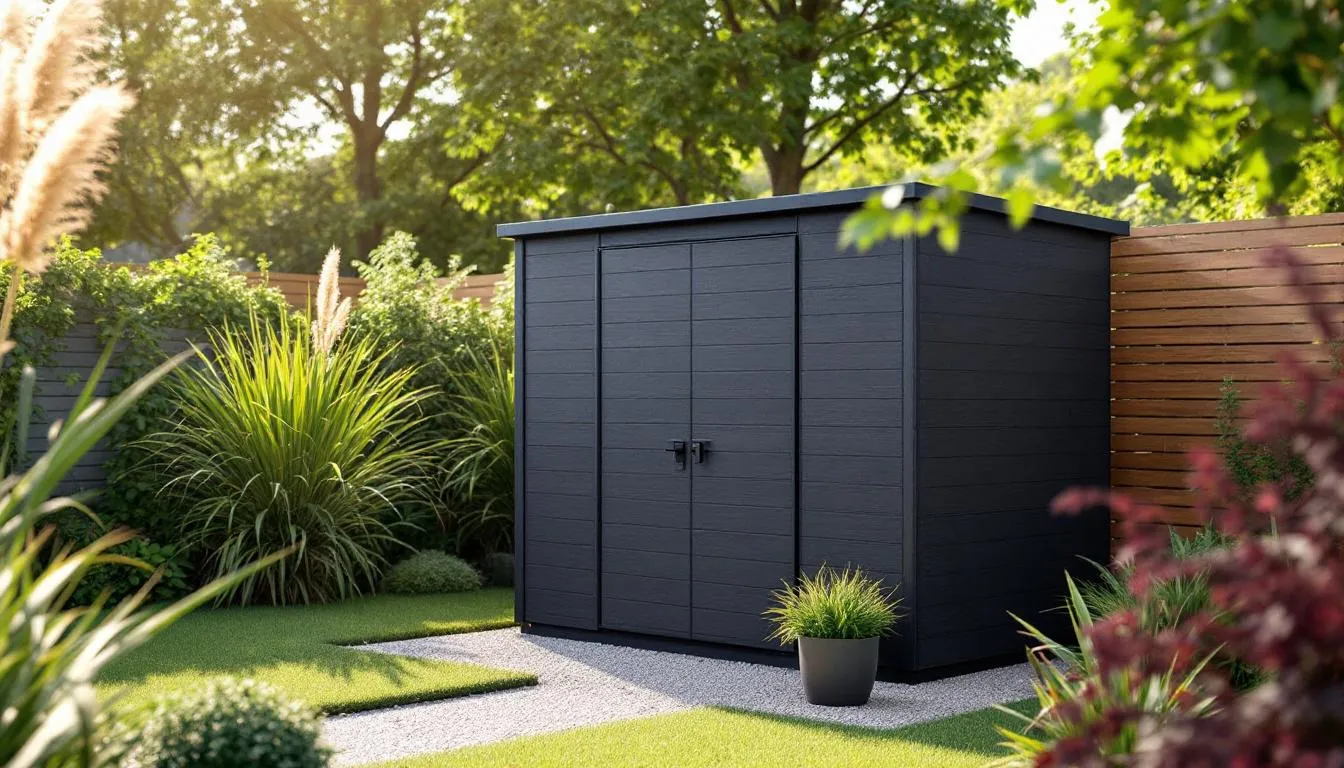
What is a Composite Storage Shed?
A composite storage shed represents the evolution of garden storage, utilizing advanced materials science to create structures that far exceed traditional alternatives. The foundation of these innovative buildings lies in Wood Plastic Composite (WPC) – a sophisticated blend of wood fibres, recycled plastics, and binding resins that delivers exceptional performance characteristics. In contrast, plastic sheds are known for their cost-friendly nature and minimal maintenance requirements, making them a popular choice for budget-conscious homeowners.
The manufacturing process begins with carefully selected wood fibres or pulp, typically sourced from sustainably managed forests or recycled timber products. These organic materials are combined with thermoplastic resins, most commonly high-density polyethylene (HDPE), through precision extrusion or molding processes. The result is a composite material that captures the aesthetic appeal of natural timber while offering superior weather resistance and structural integrity.
Modern composite sheds incorporate fire-retardant additives during manufacturing, ensuring enhanced safety compared to traditional wooden structures. The cladding materials undergo UV stabilization treatment, preventing the fading and degradation commonly seen in plastic alternatives. This process creates panels that maintain their appearance and structural properties for decades, even under harsh weather conditions. Similarly, plastic sheds are built to withstand outdoor elements such as rain, snow, and UV exposure, making them a reliable option for various climates.
The size range of composite storage sheds accommodates diverse needs, from compact tool storage units measuring 6×4 feet to spacious workshop configurations exceeding 20×10 feet. This versatility allows homeowners to select the ideal dimensions for their specific requirements, whether storing garden equipment, bicycles, or creating a dedicated workspace.
Available cladding options include Fibre Cement finishes for a contemporary appearance, smooth finishes for modern aesthetics, and realistic woodgrain textures that replicate the look of natural timber. Color options typically include classic grey, traditional brown tones, and modern anthracite finishes, allowing integration with existing garden designs.
Construction and Design Features
Structural Components
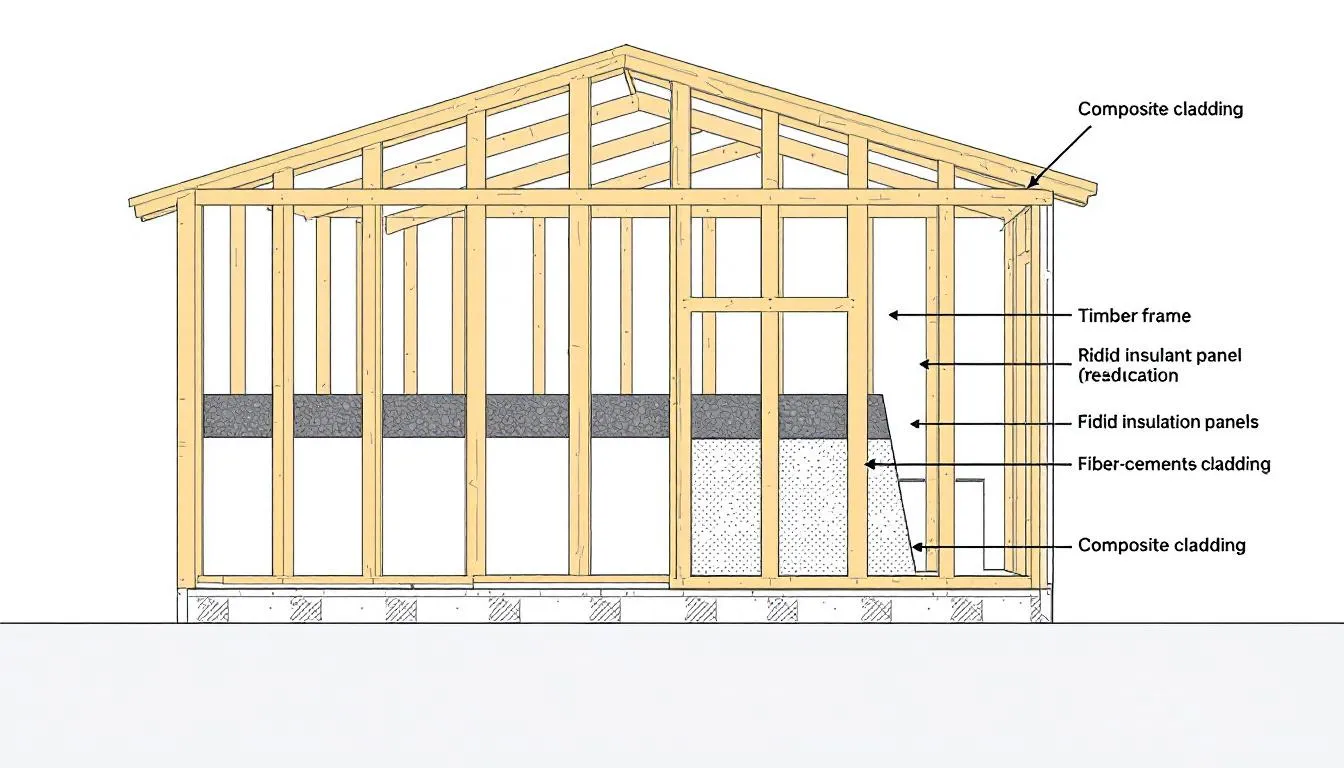
The structural foundation of a quality composite storage shed begins with heavy-duty timber frame construction. Unlike basic plastic sheds that rely solely on lightweight materials, composite sheds utilize substantial wooden frames that provide superior strength and stability. These frames, typically constructed from pressure-treated timber, create a robust skeleton capable of supporting heavy loads and resisting structural deformation over time.
The composite cladding installation involves precision-fitted panels that interlock seamlessly, creating a continuous weather barrier. Each panel undergoes factory quality control to ensure consistent thickness and dimensional accuracy. The installation method utilizes specialized fastening systems that prevent thermal expansion issues while maintaining the structural integrity of the building envelope.
Industrial-grade moisture-resistant tongue and groove flooring systems form the base of these premium structures. The flooring consists of treated timber boards designed to resist moisture penetration and provide a stable platform for stored equipment. This foundation system distributes weight evenly and prevents the sagging commonly experienced with basic shed flooring.
Interior finishing typically features oriented strand board (OSB) timber lining, which creates a professional appearance and transforms the space from basic storage to a functional workshop environment. This interior treatment also provides additional insulation and mounting surfaces for shelving and storage systems.
Insulation and Weatherproofing
Modern composite storage sheds feature comprehensive insulation systems that regulate internal temperatures and prevent condensation formation. Fully insulated walls, roof, and floor construction create a controlled environment for storing sensitive equipment and materials. The insulation typically consists of rigid foam boards or mineral wool batts installed between structural members. Ventilation also plays a crucial role in preventing dampness, ensuring the shed remains a safe and dry storage environment.
Waterproof vapour barriers form a critical component of the weatherproofing system. These specialized membranes prevent moisture penetration while allowing the structure to breathe, preventing the damp conditions that lead to mould and mildew formation. The barrier system extends from the foundation to the roof peak, creating a continuous moisture protection envelope.
Breathable membrane layers work in conjunction with vapour barriers to manage moisture transfer. These technical fabrics allow internal humidity to escape while preventing external moisture infiltration. This dual-action system maintains optimal internal conditions regardless of external weather patterns.
Proper insulation’s temperature-regulating benefits extend beyond comfort considerations. Consistent internal temperatures prevent condensation, damaging stored equipment and creating corrosive conditions. This climate control capability makes composite sheds suitable for storing electronics, power tools, and other moisture-sensitive equipment throughout the year.
Security and Safety Features
Security is a paramount concern for garden storage. Police statistics indicate that garden sheds are prime targets for thieves seeking valuable tools and equipment. Composite storage sheds address these concerns through comprehensive security features that significantly exceed those found in traditional alternatives.
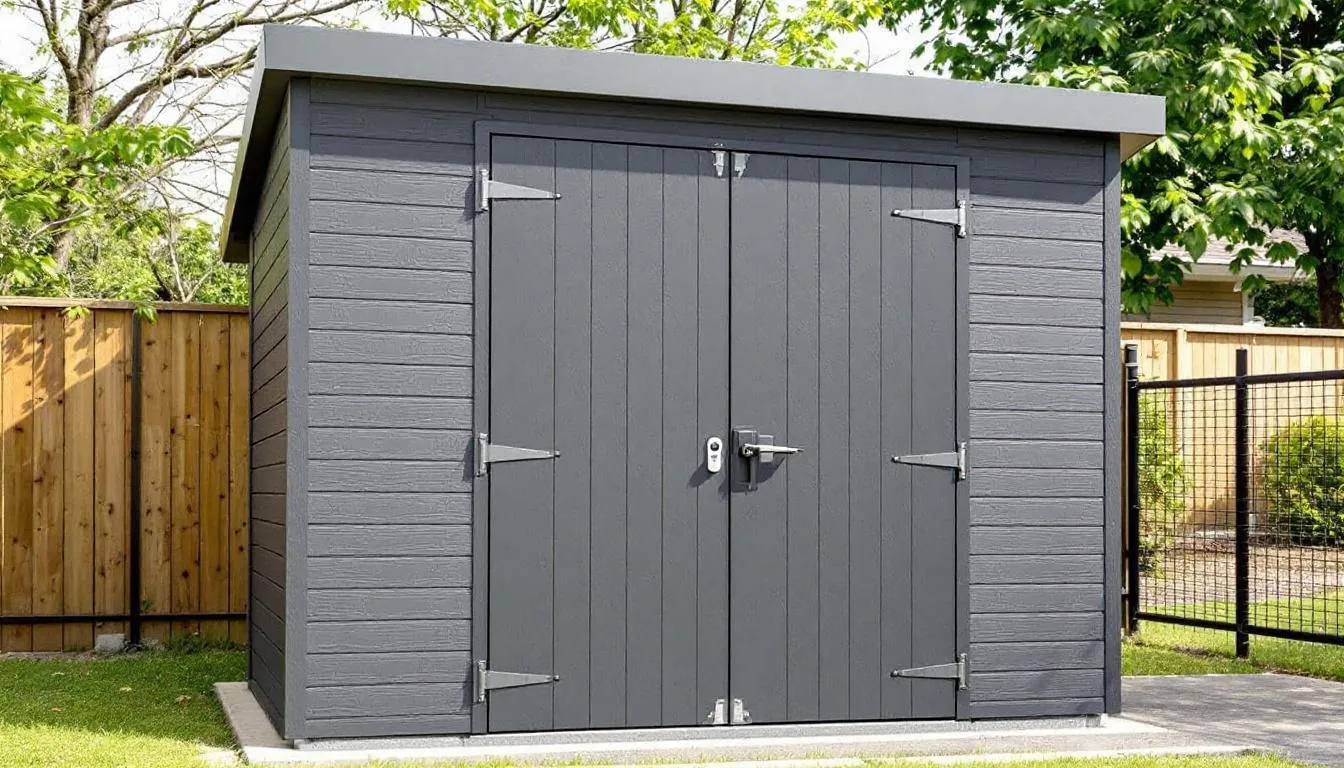
Anthracite grey PVCu patio doors with double glazing specifications provide security and natural light. These commercial-grade door systems feature multiple locking points and reinforced frames that resist forced entry attempts. The double-glazed units improve security, enhance insulation performance, and reduce noise transmission.
Insurance-approved locking mechanisms meet the stringent security standards required by major insurance providers. These high-security locks often qualify for reduced insurance premiums, offsetting the initial investment cost through ongoing savings. The locking systems typically feature hardened steel components and pick-resistant cylinder designs.
Fire-retardant composite materials enhance safety beyond traditional timber construction. The manufacturing process incorporates flame-retardant additives that slow fire spread and reduce toxic gas emissions. This safety feature provides additional time for fire suppression and evacuation in emergencies.
Reinforced construction deters break-in attempts through robust wall and door systems. The composite panels resist impact damage and tool-based entry attempts far better than traditional materials. Steel reinforcement at stress points further enhances the structural resistance to forced entry.
Composite vs Traditional Storage Shed Materials
Advantages Over Timber Sheds
The comparison between composite and traditional timber sheds reveals significant advantages for modern composite construction. Traditional wooden sheds require annual treatment with preservatives, paints, or stains to maintain weather resistance and appearance. This maintenance cycle represents ongoing costs and time investment that composite alternatives eliminate.
Rot, decay, and insect damage resistance represent perhaps the most compelling advantage of composite construction. Traditional timber remains susceptible to moisture-related deterioration and insect infestation even when pressure-treated. Composite materials eliminate these vulnerabilities through synthetic components, ensuring decades of reliable performance without structural degradation. Similarly, plastic sheds are highly resistant to rot, rust, and insect damage, offering another durable alternative to wood.
Weather performance comparisons demonstrate composite superiority in heavy rain, wind, and snow conditions. Traditional timber expands and contracts with moisture changes, leading to warped doors, gaps in cladding, and structural instability. Composite materials maintain dimensional stability across temperature and humidity ranges, preserving structural integrity and weather-tight performance.
Longevity expectations for composite sheds typically range from 25-50 years with minimal maintenance, compared to timber’s 10-15 year lifespan before major repairs or replacement become necessary. Despite higher initial investment costs, this extended service life translates to superior long-term value.
The maintenance requirements differ dramatically between materials. Composite sheds require only annual cleaning with soap and water, while timber sheds need comprehensive treatment cycles including sanding, priming, and protective coating application. Over 20 years, maintenance costs for composite sheds represent approximately 10-20% of those required for equivalent timber structures.
Benefits Compared to Plastic Sheds
Structural strength and stability differences between composite and basic plastic sheds become apparent under stress conditions. Standard plastic sheds rely on thin-wall construction that flexes under wind loads and may crack under impact. Composite construction provides rigid structural performance, maintaining door and window alignment over time.
UV resistance and fade prevention capabilities represent crucial advantages in preserving appearance and structural integrity. Basic plastic materials break down under ultraviolet exposure, becoming brittle and discolored within a few years. Composite materials incorporate UV stabilizers that maintain color and flexibility for decades, preserving appearance and performance.
Appearance options for composite sheds far exceed those available in basic plastic construction. While plastic sheds typically offer limited color choices and an obvious synthetic appearance, composite materials can replicate natural wood grain patterns and textures. The resulting aesthetic appeal allows composite sheds to enhance rather than detract from garden design.
Insulation properties provide temperature control and condensation prevention benefits unavailable in single-wall plastic construction. Plastic sheds offer no thermal resistance, creating extreme temperature swings and condensation problems. Composite shed insulation systems maintain stable internal conditions for storing sensitive equipment and creating comfortable workspace environments.
Uses and Applications
Storage Solutions
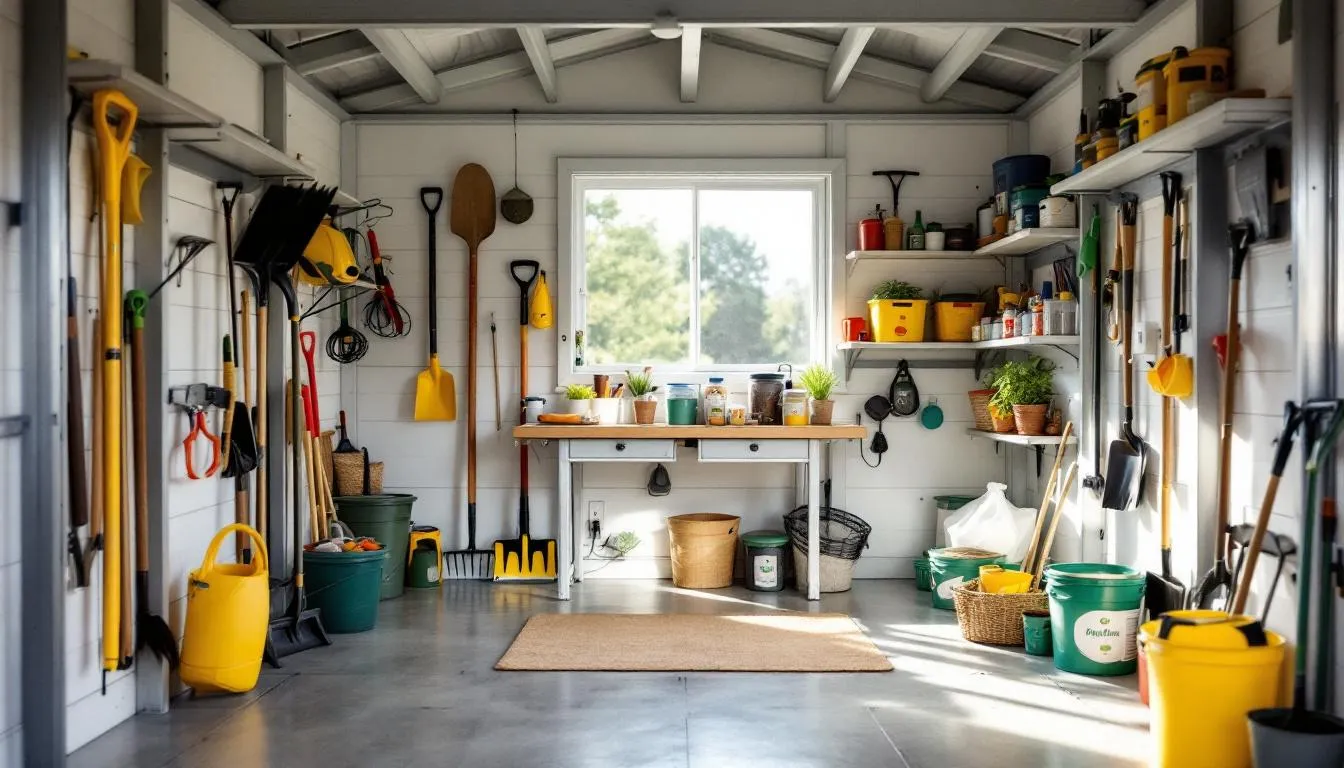
Garden equipment storage represents the primary application for most composite storage sheds. Modern gardening requires substantial equipment investments, including ride-on mowers, power tools, and seasonal maintenance equipment. A quality composite shed provides secure, weather-protected storage that preserves equipment value and extends service life.
Protecting bicycles and outdoor recreational equipment addresses growing concerns about theft and weather damage. High-value bicycles, sports equipment, and camping gear require secure storage that basic plastic sheds cannot provide. Composite sheds offer the security and climate control necessary to protect these investments while maintaining convenient access.
Garden furniture and seasonal item storage during winter represent an essential but often overlooked application. Quality outdoor furniture requires protection from harsh weather conditions that can cause fading, cracking, and structural damage. Composite sheds provide spacious, dry storage that preserves furniture appearance and extends usable life.
The value assessment of typical shed contents often surprises homeowners when calculating replacement costs. Power tools, garden equipment, bicycles, and outdoor furniture commonly total £2,500 or more. This substantial investment justifies the security and protection premium composite construction offers over basic alternatives.
Workspace Applications
The shedworking trend has transformed garden buildings from simple storage spaces into dedicated home offices and creative workshops. Composite sheds excel in this application through superior insulation, natural light options, and comfortable internal environments that support productivity throughout the year. Additionally, many people are now seeking larger sheds as potential spaces for home offices or gyms, further expanding the utility of these versatile structures.
Remote work benefits include creating a quiet, distraction-free environment separate from household activities. The substantial construction and insulation of composite sheds provide excellent noise isolation, essential for professional video calls and concentrated work. Electrical installation options, including computers, lighting, and climate control systems, support modern technology requirements.
Composite shed offices are cost-effective alternatives to traditional space rent, making them attractive to entrepreneurs and remote workers. With commercial office space costs rising, a garden office represents a one-time investment that provides years of productive workspace without ongoing rental expenses.
Physical separation between home and work environments improves work-life balance. A dedicated garden office creates clear boundaries that support mental health and productivity while eliminating commute times and costs. The private, professional environment enhances focus and creativity while maintaining home-based convenience.
Environmental Impact and Sustainability
Recycled materials usage in composite construction represents a significant environmental benefit that appeals to eco-conscious consumers. Quality composite sheds incorporate up to 95% recycled content, including post-consumer plastics and reclaimed wood fibres. This recycling process diverts waste materials from landfills while creating durable, long-lasting products.
Sustainability benefits compared to new timber harvesting address growing deforestation and habitat destruction concerns. While timber sheds require virgin wood resources, composite materials utilize waste products that would otherwise require disposal. This circular economy approach reduces environmental impact while delivering superior performance characteristics.
Carbon footprint reduction through material recycling contributes to climate change mitigation efforts. The energy required to process recycled plastics and wood fibres is significantly less than for virgin material production. Additionally, the extended lifespan of composite products reduces replacement frequency and associated manufacturing impacts.
End-of-life recyclability of composite materials varies by manufacturer and specific formulation. Leading manufacturers design products for eventual recycling, though the mixed material composition can complicate the process. Research continues into improved recycling methods that will further enhance the environmental profile of composite construction.
Environmental certifications and eco-friendly manufacturing processes provide third-party verification of sustainability claims. Reputable manufacturers pursue certifications such as LEED compliance and environmental management system standards, demonstrating a genuine commitment to environmental responsibility.
Installation and Maintenance
Foundation requirements for composite storage sheds begin with proper site preparation to ensure long-term stability and performance. A level concrete base or patio slab provides the optimal foundation, distributing building loads evenly and preventing structural settling. The foundation should extend at least 6 inches beyond the building footprint on all sides to provide adequate support and drainage.
Assembly processes vary between manufacturers but typically involve modular panel systems that simplify installation compared to traditional construction methods. Professional installation ensures proper alignment, weather sealing, and structural integrity while providing warranty coverage. DIY installation remains possible for mechanically inclined homeowners with appropriate tools and assistance.
Maintenance schedules for composite sheds are elementary compared to traditional alternatives. The primary requirements are annual inspection and cleaning, which involve checking door and window operation, cleaning gutters if present, and washing exterior surfaces with soap and water. This minimal maintenance requirement represents substantial time and cost savings over traditional timber construction.
Warranty coverage typically ranges from 10-25 years depending on manufacturer and specific components. Premium composite sheds often include comprehensive warranties covering structural integrity, weather resistance, and material defects. This warranty provides peace of mind and financial protection that basic plastic or timber alternatives rarely match.
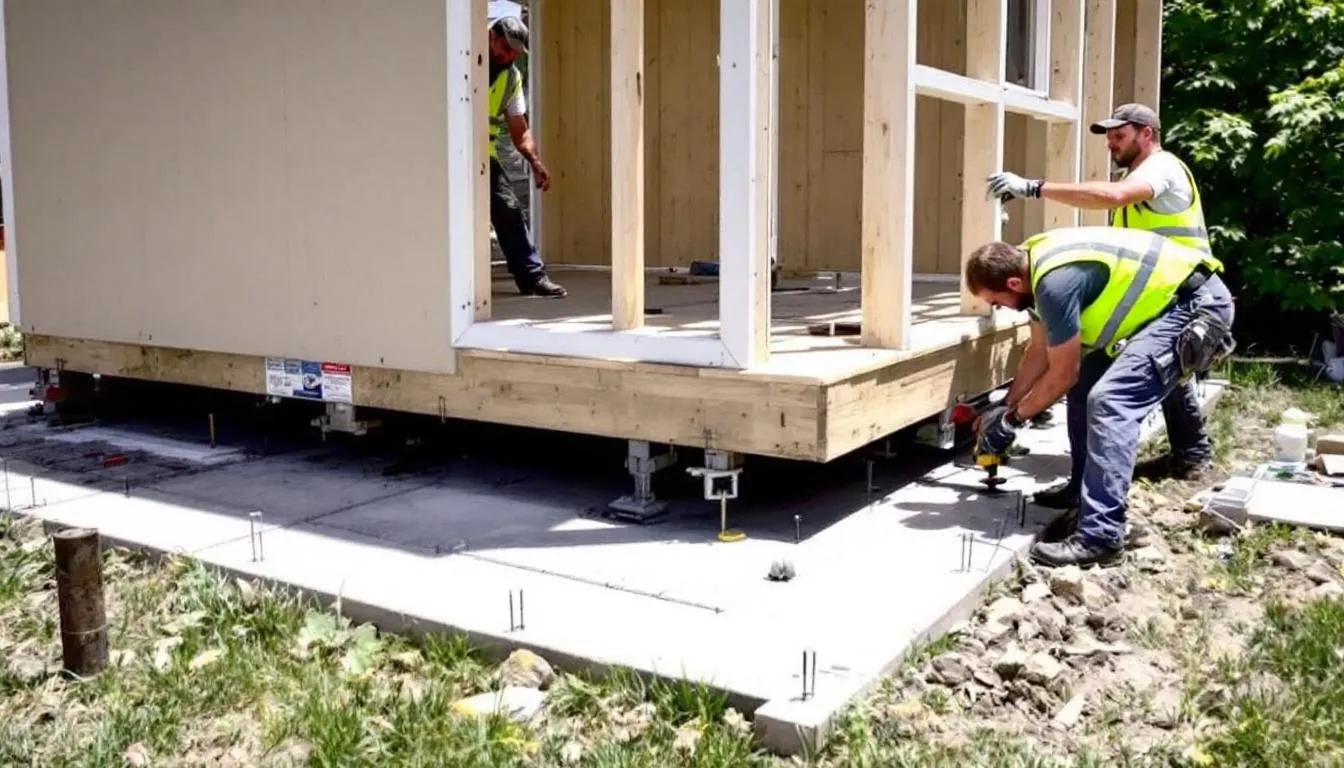
Seasonal care tips optimize performance and appearance throughout the year. Winter preparation may include clearing snow loads if excessive accumulation occurs, while spring maintenance involves checking drainage around the foundation and cleaning any algae or moss growth from exterior surfaces. Summer care focuses on maintaining door and window operation, while autumn preparation includes clearing debris from roof areas and gutters.
Cost Considerations and Value
Initial investment comparisons reveal that composite storage sheds command premium pricing compared to basic alternatives. Quality composite sheds typically cost 20-50% more than equivalent timber structures and significantly more than basic plastic options. However, this initial investment must be evaluated against the total cost of ownership over the building’s lifespan.
Long-term cost analysis, including maintenance and replacement costs, demonstrates the financial wisdom of composite investment. While timber sheds require ongoing treatment costs, repair expenses, and eventual replacement within 10-15 years, composite alternatives maintain performance for decades with minimal intervention. The total cost calculation often favors composite construction over extended periods.
Insurance benefits and potential premium reductions for secure storage can offset initial investment costs. Many insurance providers offer reduced premiums for properly secured outbuildings that meet specific security standards. Composite sheds with insurance-approved locking systems and robust construction often qualify for these beneficial rates.
Property value enhancement from quality outbuilding addition represents an often-overlooked financial benefit. Well-designed, durable storage buildings add functional space and aesthetic appeal that can increase property valuations. This improvement contrasts sharply with basic plastic sheds that may detract from property appeal and value.
Return on investment for workspace applications can be calculated by comparing garden office costs to commercial space rental rates. With average office rental costs exceeding £200-400 per month in many areas, a composite garden office pays for itself within 2-4 years while providing decades of continued value. Additional benefits include tax advantages for legitimate business use and the elimination of commuting costs.
Frequently Asked Questions
How long do composite storage sheds typically last compared to traditional materials?
Composite storage sheds typically last 25-50 years with minimal maintenance, significantly exceeding traditional timber sheds’ 10-15-year lifespan. The synthetic components in composite materials resist rot, decay, and insect damage that commonly affect wooden structures. Many manufacturers offer 20-25-year warranties on composite sheds compared to 5-10-year warranties on traditional alternatives, reflecting their confidence in long-term durability.
Can composite sheds be customized with windows, electrical installations, or specific dimensions?
Most quality composite shed manufacturers offer customization options, including additional windows, electrical preparation, and modified dimensions within standard modular systems. However, customization capabilities are more limited than traditional timber construction due to the pre-manufactured panel systems. Electrical installations typically require professional work to maintain warranty coverage and ensure safety compliance with local building codes.
What foundation preparation is required before installing a composite storage shed?
Composite storage sheds require a level, stable foundation, preferably a concrete slab or paved area extending 6 inches beyond the building footprint. The foundation must be level within 10mm across the entire area and provide adequate drainage to prevent water pooling. For larger sheds or workshop applications, a concrete foundation with embedded anchor points may be required to meet manufacturer specifications and local building requirements.
Are composite sheds suitable for extreme weather conditions like heavy snow or high winds?
Quality composite sheds with proper construction can handle substantial weather loads, with premium models designed to support snow loads up to 200kg (440 lbs) on the roof structure. Wind resistance depends on proper foundation anchoring and may require additional securing in areas prone to extreme weather. The structural timber frame and steel reinforcement points in hybrid models provide superior weather resistance compared to basic plastic or lightweight timber alternatives.
Do composite sheds require planning permission, and what are the typical size restrictions?
In most UK locations, composite sheds fall under permitted development rights and don’t require planning permission if they meet specific criteria: maximum height of 2.5 meters for buildings within 2 meters of boundaries, maximum building height of 4 meters for apex roofs or 3 meters for other roof types, and coverage not exceeding 50% of the total garden area. However, regulations vary by location and property type, so checking with local planning authorities is recommended before installation, especially for larger structures or properties in conservation areas.
