
Key Takeaways
- Playhouses are dedicated theatrical venues that host musicals, dramas, comedies, and various live performances throughout the year
- Major UK playhouses like Edinburgh Playhouse, Nottingham Playhouse, and Liverpool Everyman offer world-class productions with ticket prices typically ranging from £15-£60
- Most playhouses operate as charitable organizations, focusing on community engagement, accessibility, and nurturing local talent
- Booking advance tickets online is recommended as popular shows often sell out, especially during peak seasons and holiday periods
- Modern playhouses provide comprehensive visitor experiences including pre-show dining, accessibility services, and educational programs
The world of live theatre offers an unparalleled cultural experience, and at the heart of this vibrant industry are playhouses – dedicated venues that bring stories to life through the magic of live performance. Whether you’re a seasoned theatre enthusiast or someone considering their first visit, understanding the landscape of playhouses can enhance your appreciation and enjoyment of this timeless art form.
In 2025, the UK theatre industry continues to thrive with over 2,300 registered theaters nationwide, welcoming millions of visitors annually. From intimate fringe venues to grand touring houses, playhouses serve as cultural cornerstones in communities across the country, offering everything from Shakespeare to contemporary musicals.
What is a Theatre Playhouse?
A playhouse is fundamentally a dedicated theatrical venue designed specifically for live performances, distinct from opera houses or concert halls in its focus on spoken drama, musical theatre, and comedy. These purpose-built spaces have evolved dramatically since their origins in ancient Greek amphitheaters, developing into sophisticated modern venues that prioritize both artistic excellence and audience comfort.
The historical evolution of playhouses traces back centuries, with significant developments during the Elizabethan era when venues like The Globe Theatre established many conventions still used today. Modern playhouses incorporate advanced lighting and sound technology while maintaining the essential elements that make live theatre magical – the intimate connection between performer and audience.
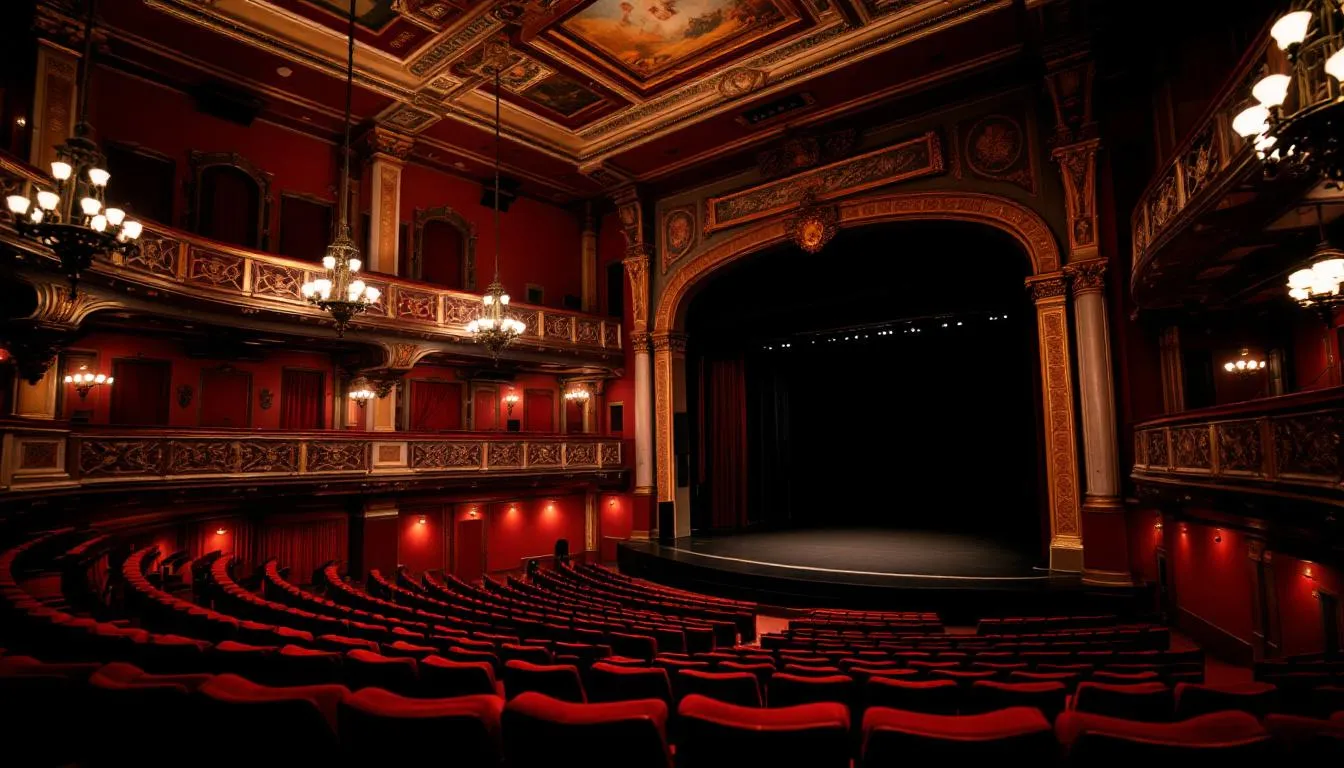
Architectural features of contemporary playhouses typically include a proscenium arch that frames the stage, tiered seating arrangements that optimize sightlines, and often an orchestra pit for musical productions. The main seating area is known as the auditorium, designed to provide optimal views and acoustics for the audience. Seating capacities generally range from 500 to 3,000 patrons, with each venue designed to create an intimate atmosphere regardless of size.
The distinction between playhouses and other entertainment venues lies in their specialized design for theatrical storytelling. While concert halls prioritize acoustics for music and opera houses focus on operatic performance, playhouses balance visual and auditory elements to serve the diverse needs of contemporary theatre.
History and Evolution of Playhouses
The story of playhouses is as old as the art of theatre itself, stretching back to the bustling amphitheatres of ancient civilizations where the first plays brought communities together. Over centuries, playhouses have evolved from open-air stages to the sophisticated venues we know today, becoming a cornerstone of cultural life around the world. In every era, these spaces have welcomed audiences to experience the thrill of live performance, whether it’s a classic tragedy, a sparkling new musical, or a thought-provoking drama.
As we move into 2025, playhouses continue to thrive, adapting to the changing tastes and rhythms of modern life. On any given Tuesday (or Tue), you might find a cutting-edge new play debuting in a city centre, while a Friday (Fri) night could see families and friends gathering for a world-class musical. Even a Monday (Mon) evening can be transformed by the magic of theatre, offering a welcome escape from the everyday. Playhouses are always ready to introduce new stories and fresh perspectives, ensuring that the world of theatre remains vibrant and relevant. Whether you’re a lifelong fan or new to the scene, there’s always something exciting to discover, making every visit a celebration of creativity and life.
Benefits of Playhouses
Playhouses are more than just venues—they are vibrant hubs that enrich both individuals and communities. For artists, playhouses provide a vital stage to showcase their talents, develop their craft, and bring new stories to life. For audiences, attending a show is a chance to connect with others, share in the excitement of live performance, and be part of a group experience that can be both entertaining and inspiring.
Beyond the thrill of the show itself, playhouses often offer educational workshops and outreach programs, helping people of all ages to get involved in the world of theatre. These opportunities can spark creativity, build confidence, and foster lifelong learning. Whether you’re looking to enjoy a special Saturday (Sat) night out, get inspired by a powerful play, or simply unwind with friends, playhouses have something for everyone.
As we look ahead, the role of playhouses in our cultural world is only set to grow. Don’t miss out—book your tickets now, stay tuned for the latest news on upcoming shows, and be part of a community that celebrates the transformative power of theatre. Whether it’s May or any other month, there’s always a new show to get excited about.
Types of Playhouses and Venues
The UK theatre landscape encompasses several distinct types of playhouses, each serving different artistic and community functions. Regional playhouses form the backbone of local theatre scenes, offering year-round programming that reflects both popular entertainment and culturally significant works.
West End and touring venues represent the commercial pinnacle of British theatre, hosting major productions that may run for years and travel nationally. These venues typically feature larger seating capacities and more elaborate technical capabilities to support spectacular musical productions.
Repertory theaters maintain resident companies that rotate through different shows, often presenting classic works alongside new writing. This model allows for ensemble development and provides audiences with diverse programming throughout each season.
Fringe and experimental theaters focus on innovative and avant-garde works, often in smaller, more intimate spaces. Many larger venues also include a studio theatre, a smaller, flexible space used for experimental or intimate performances. These venues serve as crucial incubators for new talent and artistic expression, frequently presenting work that challenges conventional theatrical boundaries.
Educational playhouses attached to universities and drama schools serve dual purposes as training facilities and public venues. These institutions often present student work alongside professional productions, contributing to the development of future theatre artists.
Major UK Playhouses
Edinburgh Playhouse
Scotland’s largest theater commands attention with its impressive 3,059-seat capacity, making it a premier destination for major touring productions. Located on Greenside Place in Edinburgh’s city center, the venue welcomes world-class shows throughout the year.
The programming at Edinburgh Playhouse consistently features West End favorites including MAMMA MIA!, The Bodyguard, and Matilda, bringing London’s theatrical excellence to Scottish audiences. MAMMA MIA! is scheduled to run from December 9, 2025, to January 4, 2026. The Rocky Horror Show runs from January 6 to January 10, 2026. Matilda The Musical will be performed from March 4 to March 22, 2026. Comedy enthusiasts can enjoy performances from renowned comedians like Eric Idle, Jim Jefferies, and Dara Ó Briain. Jim Jefferies: Son of a Carpenter will take place on November 8, 2025, at Edinburgh Playhouse. Here & Now – The Steps Musical is scheduled from February 24 to March 1, 2026, at Edinburgh Playhouse. Priscilla Queen Of The Desert The Musical is set for April 14 to April 18, 2026, at Edinburgh Playhouse. The Bodyguard will run from May 18 to May 23, 2026, at Edinburgh Playhouse. Lord of the Dance: 30th Anniversary will perform from July 16 to July 19, 2026, at Edinburgh Playhouse.
Ticket pricing reflects the venue’s premium positioning, with costs typically ranging from £15 to £60 plus booking fees. Tickets for shows at Edinburgh Playhouse start from £15.50. Many performances at Edinburgh Playhouse include a transaction fee of £3.95. The substantial seating capacity allows for more accessible pricing in upper tiers while maintaining premium options for those seeking the best views. Seating areas such as the circle offer a balance between price and view, making them popular with many theatergoers.
The playhouse operates year-round programming, with special attention to holiday seasons when family-friendly productions and pantomimes draw large audiences. Advanced booking is essential for popular shows, particularly during Edinburgh Festival periods.
Liverpool Everyman & Playhouse
These twin theaters represent a unique partnership focused on nurturing local Merseyside talent while maintaining strong community connections. Liverpool Everyman & Playhouse Theatres’ information line is open from 11am-5pm Monday to Friday. Liverpool Everyman & Playhouse Theatres allow ticket booking online 24 hours a day. The collaboration between venues allows for diverse programming that serves different audience preferences and artistic needs.
The Everyman Theatre specializes in contemporary drama and new writing, often featuring work by local playwrights and exploring themes relevant to the Liverpool community. This focus on original content has established the venue as a significant force in British theatre development.
The Playhouse complements this programming by presenting larger-scale musicals and touring productions, ensuring audiences have access to both intimate drama and spectacular entertainment. These productions are typically staged on the main stage, which accommodates larger audiences and allows for more elaborate sets. Together, these venues create a comprehensive theatrical experience for the region.
Both theaters demonstrate strong commitment to social change through theatrical storytelling, using their platforms to address important community issues. Regular maintenance occurs during August, with phone bookings available when online systems may be temporarily unavailable.
Nottingham Playhouse
Operating as a registered charity, Nottingham Playhouse exemplifies the community-focused approach that characterizes many regional theaters. The venue’s mission centers on delivering world-class theater to East Midlands communities while maintaining affordability and accessibility.
The playhouse emphasizes pioneering and socially relevant theatrical productions, often presenting works that challenge audiences and spark important conversations. This commitment to meaningful content has established the venue as a respected voice in British theatre.
Membership opportunities through the Playhouse Pass program provide regular supporters with benefits including priority booking and exclusive events. These programs help sustain the venue’s charitable mission while building lasting relationships with patrons.

The venue operates as a creative hub that brings diverse communities together, reflecting Nottingham’s multicultural character in its programming choices. Nottingham Playhouse provides life-changing experiences and makes world-class theatre available to all. Nottingham Playhouse is committed to making theatre accessible for everyone. Educational outreach programs extend the theater’s impact beyond traditional audiences, introducing theatre to new participants.
What to Expect During Your Visit
Planning your playhouse visit begins with understanding typical timing and procedures. Most venues recommend arriving 30-45 minutes before curtain time, allowing for ticket collection, security checks, and settling into seats without rushing. Before the show, guests often gather in the foyer, where they can socialize and access amenities.
Show durations vary considerably, with most productions running 2-3 hours including one or two intervals. Musical theatre typically requires longer running times due to elaborate staging and musical numbers, while straight plays may be shorter but equally engaging.
Dress codes at playhouses range from casual to smart casual, depending on the venue and production type. While formal attire isn’t required, many patrons enjoy dressing up for special occasions, particularly for evening performances or opening nights.
Photography and recording policies are strictly enforced during performances to protect intellectual property and minimize audience distraction. Most venues allow photography in lobbies and public areas but prohibit all recording once the performance begins.
Age restrictions are clearly indicated for each production, with some shows requiring children under 16 to be accompanied by adults. Content warnings may be provided for productions dealing with sensitive themes, helping audiences make informed decisions about attendance.
Booking Tickets and Planning Your Visit
Online booking provides the most convenient access to tickets, with official theater websites offering 24/7 availability and real-time seat selection. Tickets can also be purchased directly from the box office, either in person or by phone, during business hours. These systems typically display pricing across different seating areas, helping you choose options that fit your budget and preferences.
Phone booking remains available during business hours at most venues, though service fees may apply. Staff can provide additional information about accessibility options, group bookings, and special requirements that might not be fully detailed online.
Early booking proves essential for popular shows and holiday productions, with some West End transfers and celebrity-led productions selling out months in advance. Booking 4-6 weeks ahead generally ensures good seat selection for most productions.
Group discounts often apply for parties of 10 or more, making playhouse visits more affordable for organizations, schools, and social groups. These arrangements typically require advance coordination and may include additional benefits like pre-show talks.
Student and senior citizen concessions are available at many venues, reflecting the industry’s commitment to accessibility across age groups. Season subscriptions offer priority booking and discounted rates for regular theatre-goers, providing excellent value for frequent visitors.
Programming and Show Types
Musical Theatre
West End touring productions form the cornerstone of many playhouse seasons, bringing acclaimed shows like Hamilton, The Lion King, and Wicked to regional audiences. These productions maintain the high production values of their London counterparts while making world-class entertainment accessible nationwide. They are typically accompanied by a live orchestra, which enhances the musical experience for audiences.
Classic musicals including Les Misérables, Phantom of the Opera, and Chicago continue to draw large audiences, proving the enduring appeal of well-crafted musical storytelling. These productions often feature rotating casts that may include former West End performers.
Contemporary hits such as Six, Dear Evan Hansen, and Come From Away represent the evolution of musical theatre, addressing modern themes through innovative staging and contemporary musical styles. These shows often attract younger audiences while maintaining broad appeal.
Seasonal programming includes Christmas pantomimes that blend traditional British humor with contemporary references, creating family entertainment that spans generations. Cinderella is a popular pantomime for families. Summer musical seasons often feature lighter fare perfect for holiday audiences. Pantomimes often feature well-known fairytales, making them a beloved tradition for audiences of all ages.
Drama and Comedy
Shakespearean productions and classical repertoire maintain their central place in playhouse programming, with many venues presenting at least one major classical work each season. These productions range from traditional interpretations to bold contemporary reimaginings.
Contemporary drama from leading playwrights addresses current social issues while providing compelling entertainment. Many playhouses prioritize new British writing, supporting emerging voices in theatrical literature.

Stand-up comedy shows feature television personalities and touring comedians, often presented on specific weekday evenings like tue or fri when traditional theatre programming may be lighter. These events attract different audiences and help venues diversify their offerings.
One-person shows and intimate theatrical experiences provide opportunities for storytelling that may not suit larger venues. These productions are often staged in a black box theatre, which allows for flexible staging and close audience interaction. These productions often explore personal narratives or historical figures in compelling detail.
Special Events
Children’s programming includes puppet shows and family musicals designed to introduce young audiences to live theatre. These productions typically feature shorter running times and interactive elements that engage younger attention spans. Family shows often feature colorful costumes and music, creating a vibrant and engaging experience for children and their families.
Educational workshops and masterclasses for young people extend playhouses’ educational missions, providing hands-on experience with theatre arts. These programs often culminate in public performances that showcase student work.
Community events and local talent showcases demonstrate playhouses’ commitment to their local arts communities. Amateur dramatic societies and youth groups often benefit from access to professional venues for their productions.
Tribute concerts and themed musical evenings offer alternative entertainment that celebrates specific artists or musical genres. These events often attract audiences who might not regularly attend traditional theatre productions.
Accessibility and Inclusion
Wheelchair accessible seating is standard at modern playhouses, with designated areas that provide excellent sightlines without compromising the experience for other patrons. Accessible seating is often located in the stalls, providing easy access and excellent views for patrons with mobility needs. Many venues also offer assisted listening devices that enhance audio clarity for hearing-impaired guests.
Audio described performances provide detailed narration of visual elements for visually impaired patrons, typically offered for selected performances throughout each production’s run. These services require advance booking to ensure availability.
British Sign Language interpreted shows serve deaf and hard-of-hearing audiences, with interpreters positioned to be visible without distracting other audience members. These performances are usually clearly marked in programming materials.
Relaxed performances accommodate audiences with autism or learning difficulties by modifying lighting and sound levels while allowing movement during the performance. These specialized showings create welcoming environments for audiences who might find traditional theatre challenging.
Dedicated accessibility coordinators at major venues provide personalized assistance for patrons with specific needs. These professionals can arrange appropriate seating, coordinate assistance services, and address individual requirements.
Step-free access and accessible parking facilities ensure that mobility challenges don’t prevent theatre attendance. Many city center venues coordinate with nearby accessible parking providers when on-site facilities are limited.
Dining and Additional Services
Pre-show dining options range from quick bites to full meals, with many playhouses operating restaurants or cafes that coordinate timing with performance schedules. Most venues also provide a cloakroom where guests can securely store coats and bags during the performance. These venues understand the importance of efficient service that allows patrons to dine leisurely before shows.
Interval bars and refreshment stands within theater buildings provide convenient access to drinks and snacks during performances. These services help create a complete evening’s entertainment while supporting venue revenue.
Post-show dining recommendations in surrounding areas extend the theatre experience, with many venues providing guides to nearby restaurants that welcome late diners. This information helps visitors plan complete evenings out.
Private dining options for special occasions and group bookings allow organizations to combine theatre attendance with corporate entertainment or celebration meals. These packages often include premium seating and coordinated service.
Merchandise shops sell show programs and branded items that serve as mementos of the theatre experience. These sales support productions while providing audiences with lasting reminders of memorable performances.
Technology and Innovation in Playhouses
The world of playhouses is embracing a new era of technology and innovation, transforming the way audiences experience theatre. Today’s venues are equipped with cutting-edge sound and lighting systems, dynamic stage designs, and digital enhancements that bring every show to life in vivid detail. Online booking platforms make it easier than ever to get your tickets, explore seating options, and even take virtual tours of the theatre before you arrive.
Looking ahead to 2025, playhouses are set to introduce even more exciting innovations. Imagine attending a show in September (Sep) that features interactive elements or virtual reality experiences, or discovering a brand new production that runs from May through December (Dec), offering something fresh for every group of theatre lovers. These advancements not only enhance the live experience but also make theatre more accessible to audiences around the world.
Whether you’re a seasoned theatre-goer or eager to try something new, there’s never been a better time to get involved. Gather your group, book your tickets, and be part of the next wave of theatrical innovation. The future of playhouses is bright, bold, and ready to welcome you.
Supporting Your Local Playhouse
Membership schemes offer priority booking and exclusive events, creating communities of theatre enthusiasts who support venues through regular attendance and financial commitment. These programs often include behind-the-scenes tours and meet-the-artist events.
Charitable donations support community outreach programs that extend theatre access to underserved populations. Many playhouses operate educational initiatives and free community programs funded through donor support.
Volunteer opportunities in front-of-house and administrative roles allow community members to contribute directly to theatre operations. These positions provide valuable experience while supporting venue staffing needs.
Corporate sponsorship packages for local businesses create partnerships that benefit both organizations. Businesses gain community visibility while playhouses receive crucial financial support for programming and operations.
Legacy giving programs ensure long-term theater sustainability by providing endowment funding for future operations. These commitments help protect playhouses against economic uncertainties while supporting artistic excellence.

Playhouse Legacy and Sustainability
As playhouses continue to shape the cultural landscape, their legacy and sustainability have never been more important. Preserving the rich history of these institutions ensures that future generations can enjoy the same sense of wonder and community that theatre brings to our lives. Many playhouses are leading the way in sustainability, adopting energy-efficient technologies, reducing waste, and implementing green initiatives to minimize their environmental impact.
At the same time, playhouses are committed to welcoming diverse audiences and telling stories that reflect the world we live in. By offering a wide range of productions and inclusive programs, they ensure that everyone has the opportunity to experience the magic of live theatre. Supporting your local playhouse—by booking tickets to a show, sharing the latest news, or simply spreading the word—helps secure their place in our cultural world for years to come.
Whether you’re attending a world premiere in May, catching a beloved classic, or discovering something entirely new, every visit helps sustain the vibrant life of the theatre. Welcome to the world of playhouses, where every show is a chance to celebrate creativity, community, and the enduring power of the arts.
Frequently Asked Questions
How far in advance should I book tickets? Popular shows and weekend performances often sell out weeks or months ahead, so booking 4-6 weeks in advance is recommended, especially for major musicals and holiday productions.
Can I return or exchange my tickets if plans change? Most playhouses have strict no-refund policies, but some offer ticket exchanges for a fee if done at least 24-48 hours before the performance, depending on availability.
Are there any age restrictions for shows? Each production clearly indicates age suitability, with some shows requiring children under 16 to be accompanied by adults, while others may have minimum age requirements due to content.
What happens if I arrive late to a performance? Latecomers are typically seated only at natural breaks in the performance or during interval, and some venues may refuse entry if you arrive more than 20-30 minutes after curtain.
Do playhouses offer parking facilities? Most city center playhouses recommend public transport, but some provide limited on-site parking or partnerships with nearby car parks, often with advance booking required.
The rich tradition of playhouse theatre continues to evolve while maintaining its essential role in British cultural life. Whether you’re planning to book tickets for a weekend show, joining a membership program, or simply exploring what your local venue offers, playhouses provide gateways to stories, emotions, and experiences that can enrich your life in lasting ways. As we move through 2025, these venues welcome both new and returning audiences to discover the transformative power of live performance. From a monday evening drama to a friday night musical, from sep through dec and beyond, the playhouse doors remain open to all who seek the magic that only live theatre can provide.
