
Log Cabins Direct: Your Complete Guide to Buying Quality Garden Buildings Straight from the Source
Key Takeaways
- Buying log cabins direct from manufacturers saves 20-40% compared to retail prices while ensuring authentic quality control
- Direct suppliers offer free UK delivery, 10-year guarantees, and expert support throughout the purchase and assembly process
- Self-assembly log cabin kits come with pre-cut timber, all fixings included, and detailed instructions for DIY installation
- Wall thickness options range from 19mm to 70mm, with thicker walls providing better insulation for year-round use
- Most garden log cabins under 2.5m height don’t require planning permission, making them ideal for quick outdoor space expansion
Log Cabin Shed as A Guest House
When you’re looking to expand your outdoor space with a quality log cabin, buying direct from manufacturers can transform both your garden and your wallet. Choosing a log cabin provides extra space and additional space for a variety of needs. The log cabins direct approach eliminates retail markups, offering factory prices that can save you £500-£2000 per cabin while maintaining superior quality control and cRewrite Product Description with tags and socialustomer service.
Whether you need a garden office for remote working, a summer house for relaxation, additional storage space, or versatile garden rooms, understanding how to buy log cabins direct opens up a world of possibilities. This comprehensive guide will walk you through everything you need to know about purchasing a quality garden log cabin and other garden buildings straight from the source.
What Does “Log Cabins Direct” Mean?
Log cabins direct refers to purchasing wooden garden buildings directly from manufacturers rather than through retail intermediaries. This approach eliminates the traditional retail markup, offering factory prices with savings of £500-£2000 per cabin depending on size and specifications.
Direct purchasing creates a shorter supply chain between you and the cabin makers. Manufacturers like Garden Buildings Direct, Summerhouse24, and Dunster House sell directly to consumers via online platforms, cutting out garden center markups while maintaining direct communication with log cabin experts. When buying direct, you can explore their extensive log cabin range, which includes a wide variety of log cabins for sale to suit different spaces, uses, and budgets.
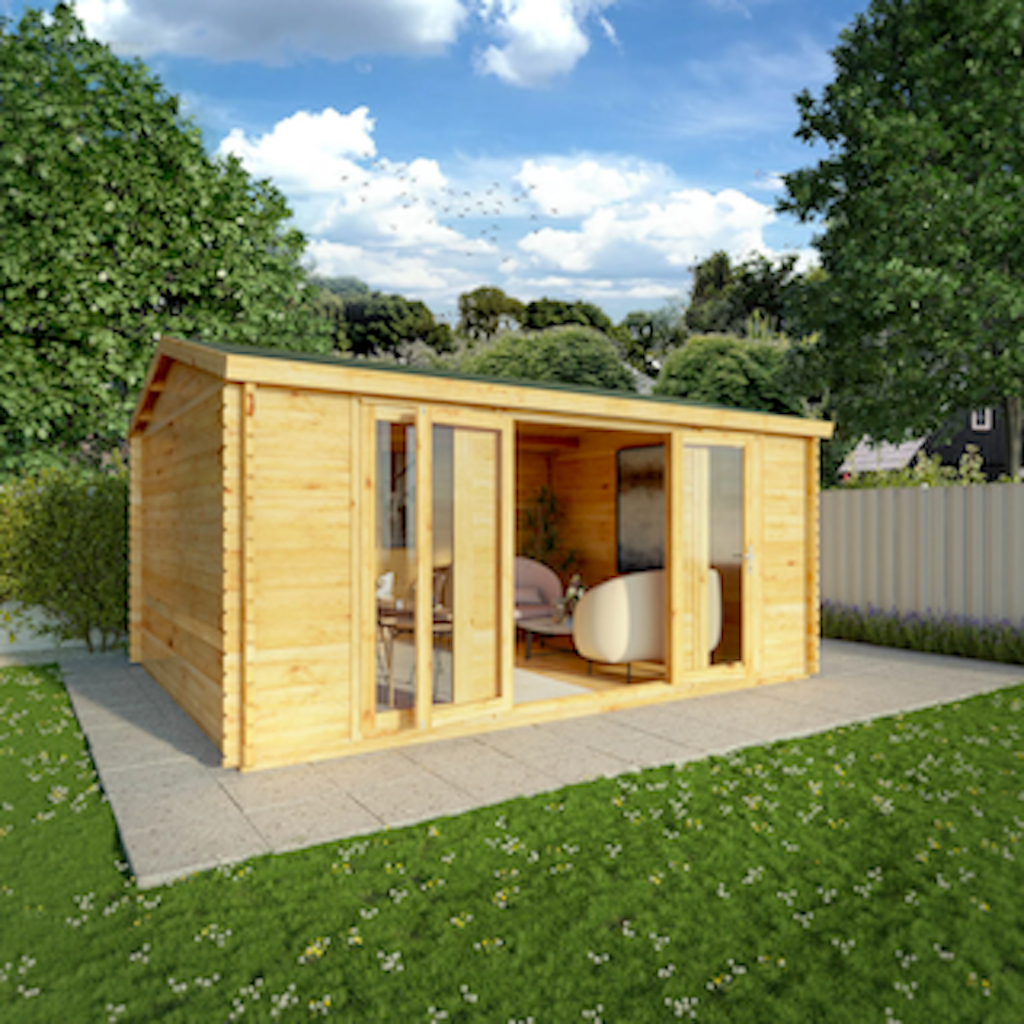
The quality control remains with the original maker, ensuring consistent standards and authentic materials throughout the manufacturing process. When you buy log cabins direct, you’re dealing with the actual cabin designers and builders who understand every aspect of their products.
This direct relationship means faster delivery times, typically 2-4 weeks from order to delivery, compared to the longer lead times often experienced through retail channels. You also gain access to personalized advice for selecting the right model for your specific garden space and intended use.
Most importantly, direct communication with cabin experts provides ongoing support throughout your purchase journey, from initial selection through assembly and beyond. This relationship proves invaluable when you need technical guidance or have questions about your log cabin.
Benefits of Buying Log Cabins Kits Direct from Manufacturers
The financial advantages of buying log cabins direct are immediately apparent, with cost savings of 20-40% compared to garden center retail prices. These savings stem from eliminated retail markups, allowing manufacturers to pass factory pricing directly to consumers.
Access to full product ranges represents another significant benefit, including exclusive models not available through retailers. Direct manufacturers often showcase their complete collections online, giving you choice from basic garden storage through to luxury log cabin houses with multiple rooms.
Direct warranty coverage provides peace of mind with a 10-year guarantee on pressure-treated timber, backed directly by the manufacturer rather than filtered through retail intermediaries. This year guarantee covers issues like rot and insect infestation, ensuring long-term protection and durability. This direct warranty relationship ensures faster resolution of any issues and replacement parts shipped directly from the factory.

Expert technical support comes from the actual cabin designers and builders who created your log cabin. When you have questions about assembly, maintenance, or modifications, you’re speaking with people who understand every detail of the construction process rather than general retail staff.
Free delivery to most UK postcodes saves £200-£500 in transport costs that retailers often pass to customers. Direct manufacturers typically absorb delivery costs as part of their competitive positioning, making the overall purchase more economical.
Many direct suppliers operate display sites in locations like Devon and Leeds where you can view assembled cabins before purchasing. This hands-on evaluation opportunity allows you to assess build quality, understand scale, and visualize how different models might work in your garden space.
When purchasing a self-assembly kit direct, you receive all the fixings needed for straightforward construction, ensuring convenience and completeness for your DIY project.
Types of Log Cabins UK Available Direct
The range of log cabins available direct spans from compact storage solutions starting at £1,100 through to extensive luxury chalets reaching £49,200. We offer a huge range of options, including prefabricated log cabins for quick delivery and models in traditional style for a classic look. Understanding the different categories helps you identify the ideal log cabin for your specific needs and budget.
Traditional Wooden Chalets
Garden office space has become essential for many UK households, with dedicated workspace cabins ranging from 8x8ft starter offices to spacious 16x14ft professional environments spanning 20 square metres. These purpose-built structures typically feature double-glazed windows and 44mm+ wall thickness for year-round comfort. A log cabin office offers a private, dedicated workspace separate from the main house, helping to boost productivity and maintain clear boundaries between work and home life.
Electrical preparation comes standard with most garden office models, allowing straightforward installation of power, lighting, and heating systems. The popular 10x8ft size offers versatile space for desk setup, storage, and video calling areas while fitting comfortably in most gardens.
Many garden office cabins include features like additional windows for natural light, insulated floors for comfort, and apex roofs for maximum headroom. Wall thickness options from 28mm seasonal use through 70mm insulated panels ensure your office space stays warm throughout the year.
Summer House Log Cabins As Home Gyms
Summer houses emphasize large window designs that maximize garden views and flood the interior with natural light. These leisure-focused buildings typically feature traditional apex roofs or contemporary pent roof styles, depending on your aesthetic preferences. In addition to relaxation and entertaining, summer houses can also serve as a home gym, providing a dedicated workout space right in your garden. For those seeking robust and maintenance-free garden storage solutions, consider durable plastic sheds with skylight roof panels as an alternative or complement to your summer house.
Wall thickness for summer houses ranges from 28mm for seasonal use to 44mm for extended spring-autumn comfort. The lighter construction suits their primary purpose as relaxation spaces during warmer months, though insulated options extend usability. You can also create a cosy space for unwinding, reading, or enjoying leisure activities in comfort.
Door and window configurations offer flexibility for different garden layouts, with corner entry options, full-width glazing, or traditional centered doorways. Many summer houses include features like roof overhangs for weather protection and tongue and groove interior finishes.
Corner Log Cabins With Living Space
Corner log cabins provide space-saving designs that fit perfectly into garden corners, making efficient use of areas that might otherwise remain unused. By fitting neatly into a corner, these cabins help save space in the garden, freeing up more area for other uses or landscaping. Typical sizes range from compact 2.8m x 2.8m models through to more substantial 3m x 3m structures.
These cabins typically offer diagonal entrance options or traditional front-facing door placement, and some models feature a single door for secure, accessible storage of outdoor equipment and furniture, depending on your garden layout and access preferences. The corner design maximizes small garden spaces without overwhelming the area or blocking sight lines.
Most corner cabins remain under 2.5m height for planning permission exemption, making them ideal for quick installation without regulatory delays. Despite their compact footprint, these buildings can serve as garden offices, hobby rooms, or storage solutions.
Multi-Purpose Log Cabins
Gym cabins feature heavy-duty 19mm floors and specialized ventilation systems to handle exercise equipment and moisture from workouts. These purpose-built structures often include reinforced foundations and enhanced door widths for equipment access.
Workshop buildings incorporate toughened glass and enhanced security features for valuable tools and equipment storage. Double doors provide wide access for larger items, while robust construction protects against theft and weather damage. Multi-purpose log cabins can also serve as garden offices, storage spaces, or a hobby room for leisure activities.
Garden Cinema or Games Room
Entertainment spaces transform gardens into venues for home cinema, games rooms, or garden pubs. These larger structures often include multi-room designs with partitioned areas for combined uses like office and storage or bar and games areas, making them perfect for the whole family to enjoy together.
The versatility of multi-purpose designs means your log cabin can evolve with changing needs, serving as a garden gym initially before transitioning to an office, peaceful retreat, extra living space for relaxation or guests, or entertainment space as requirements change.
Log Cabin Construction and Materials
Understanding log cabin construction helps you make informed decisions about specifications that affect both immediate costs and long-term satisfaction. The quality of materials, such as premium slow grown spruce known for its superior durability, stability, and resistance to warping, and construction methods directly impacts durability, comfort, and maintenance requirements.
Proper insulation, thick timber cladding, and weather-resistant features are essential to keep the cabin warm and help you stay warm year-round, ensuring comfort in all seasons.
Timber Quality – Nordic Spruce vs Pine
Slow-grown Nordic spruce represents the premium choice for log cabin construction, offering superior density, stability, and reduced warping compared to faster-grown alternatives. This timber absorbs less moisture than pine, improving weather resistance and extending lifespan.
The interlocking tongue-and-groove construction creates structural integrity while allowing for natural timber movement with seasonal temperature changes. Quality manufacturers use precision-cut profiles that ensure tight joints and weather sealing.
Pressure-treated floor bearers provide the foundation for your cabin’s structural integrity, with 10-15 year guarantees against rot and insect damage. This treatment penetrates deep into the timber, offering protection that surface treatments cannot match.
When comparing suppliers, verify they specify Nordic spruce rather than mixed timber sources. While pine costs less initially, the superior performance of spruce justifies the modest price difference for most applications.
Wall Thickness Options
Wall thickness fundamentally determines your cabin’s insulation performance, structural strength, and suitability for year-round use. Understanding these options helps you select the appropriate specification for your intended use.
19mm walls suit seasonal use with basic weather protection, making them ideal for storing garden equipment or occasional summer use. These thinner walls keep costs down while providing adequate protection for less demanding applications.
28mm walls offer improved insulation for spring-autumn use, extending the comfortable season while maintaining reasonable costs. This thickness suits garden offices with supplementary heating or summer houses with extended seasonal use.
44mm walls provide year-round comfort equivalent to house extension quality, with thermal performance supporting heating systems for continuous use. This specification suits dedicated garden offices, year-round workshops, or luxury summer houses.
70mm insulated panels achieve maximum energy efficiency with U-Value 0.59 performance, rivaling modern home construction standards. These premium walls support full heating and electrical systems for true extension-quality comfort.
Assembly and Installation Process
Self-assembly represents the standard approach for log cabin installation, with most structures designed for completion by two people over 1-2 weekends using basic tools. The pre-cut timber approach eliminates complex measuring and cutting, reducing assembly to following numbered components and step-by-step instructions.
Foundation preparation offers several options depending on your site conditions and budget. Concrete bases provide the most durable foundation but require time and skill to install correctly. Paving slabs offer a compromise between cost and permanence, while RapidGrid systems provide quick installation with good drainage.
The assembly process begins with laying foundation bearers and floor panels, creating a stable platform for wall construction. Wall sections follow a logical sequence with interlocking logs building upward course by course, guided by detailed instructions and component numbering.
Pre-cut timber pieces arrive precisely sized and shaped, eliminating the need for complex woodworking skills. All fixings are included, from foundation bolts through roof felt, ensuring you have everything needed for completion without additional trips to hardware stores.
Video tutorials and phone support provided during assembly address common questions and challenges. Many manufacturers offer technical helplines during business hours, helping resolve issues as they arise rather than leaving you struggling with unclear instructions.
Optional professional installation service is available for those who prefer not to self-assemble, with costs typically ranging from £500-£1500 depending on cabin size and complexity. While most people successfully complete self-assembly, using an installation service or hiring a professional ensures rapid completion and proper technique for maximum longevity.
Planning Permission and Legal Requirements
Most garden log cabins qualify as “permitted development” without planning permission requirements, provided they meet specific size and placement criteria. Understanding these regulations helps you avoid delays and additional costs while ensuring compliance. It is important to consult your local authorities to confirm whether planning permission or building regulations apply to your garden building, as requirements can vary based on local regulations.
Height restrictions limit cabins to maximum 2.5m if positioned within 2m of any boundary, otherwise 4m height is permitted for structures further from boundaries. Single-storey requirements exclude any raised platforms over 0.3m height above ground level.
The maximum 50% garden coverage rule applies to all outbuildings combined, including existing sheds, greenhouses, and other structures. This calculation includes the footprint of all buildings rather than just the proposed cabin.
Local authority consultation remains recommended for complex sites, conservation areas, or properties with restrictive covenants. While planning permission may not be required, building regulations can apply for electrical installations and permanent foundations.
Listed buildings and conservation areas often have additional restrictions that require professional consultation before proceeding. The cost of planning applications makes it worthwhile to verify permitted development status before ordering your cabin.
Most suppliers provide planning guidance as part of their service, helping you understand requirements specific to your location and cabin choice. This support proves valuable for ensuring compliance while avoiding costly mistakes.
Maintenance and Longevity
Proper maintenance extends log cabin lifespan to 60+ years while protecting your investment through changing weather conditions. This includes organizing and storing garden tools in the cabin to keep the space functional and tidy. Understanding maintenance requirements helps you budget for ongoing care and plan treatment schedules.
Initial Treatment Requirements
All untreated timber requires preservative treatment within 30 days of assembly to prevent moisture penetration and pest damage. Pressure-treated options reduce this urgency with 15-year guarantees and minimal initial maintenance requirements.
Water-based treatments protect glass and metal components during application while providing effective timber protection. Multiple coat application should start from roof level working downward, ensuring complete coverage of all exposed surfaces.
The initial treatment represents the most critical maintenance task, establishing protection that determines long-term performance. Skipping or delaying this treatment voids warranties and accelerates deterioration, making it a false economy.
Quality treatments penetrate timber surfaces, providing protection from within rather than just surface coating. This deep protection resists wear from weather and use, maintaining effectiveness longer than surface-only products.
Ongoing Maintenance Schedule
Annual inspection identifies loose fixings, damaged seals, and potential water penetration before problems become serious. This preventive approach costs less than reactive repairs while maintaining cabin condition.
Re-treatment schedules depend on exposure and initial treatment type, typically requiring attention every 3-5 years. South-facing cabins and exposed locations need more frequent treatment than sheltered positions.
Roof felt replacement every 8-10 years maintains weather protection, though upgrades to bitumen shingles extend replacement intervals while improving appearance. Regular roof maintenance prevents water damage that can affect structural timber.
Gutter cleaning and drainage maintenance prevent moisture accumulation that encourages rot and pest activity. Simple seasonal cleaning extends cabin life significantly while requiring minimal time and cost.
The expected lifespan of 60+ years with proper maintenance makes log cabins excellent long-term investments. Regular care costs less than replacement while maintaining the cabin’s functionality and appearance.
Log Cabin Accessories and Furniture
Enhancing your log cabin with the right accessories and furniture can transform it from a simple garden building into a truly inviting retreat. Whether you’re creating a cozy reading nook, a productive home office, or a welcoming guest house, thoughtful furnishings make all the difference. For a garden cabin used as a workspace, consider ergonomic chairs, sturdy desks, and plenty of shelving to keep things organized. If you’re aiming for relaxation, plush sofas, coffee tables, and soft lighting can turn your insulated log cabin into a warm, welcoming haven.
Storage is another key consideration—log cabin sheds with double doors offer easy access for storing garden equipment, tools, or even bikes. For those who love to entertain, adding a dining set or bar area can make your log cabin the perfect spot for gatherings. When selecting furniture, match the style to your cabin: modern log cabins pair well with sleek, contemporary pieces, while traditional wooden chalets and wooden cabins look best with rustic, solid wood furnishings. No matter your vision, the right accessories and furniture will help you make the most of your garden space and enjoy your log cabin year-round.
Log Cabin Security and Safety
Keeping your log cabin secure and safe is essential for peace of mind and long-term enjoyment. Start by choosing robust security features such as high-quality locks, reinforced double doors, and double glazed windows, which not only deter intruders but also improve insulation. Corner log cabins, with their unique placement, may require additional attention—ensure all entry points are well-lit and consider installing motion-activated lights or security cameras for added protection.
For insulated log cabins used as guest houses or hobby rooms, safety is just as important. Install smoke detectors and carbon monoxide alarms to protect occupants, especially if you’re using heaters or electrical equipment inside. Regularly inspect your garden cabin for potential hazards, such as loose roof tiles, damaged locks, or signs of rot, and address any issues promptly. By taking these proactive steps, you can ensure your log cabin remains a safe, secure, and enjoyable space for everyone.
Log Cabin Insurance and Warranties
Protecting your investment in a log cabin goes beyond quality construction—it’s also about having the right insurance and warranties in place. Most reputable manufacturers offer warranties of up to 10 years, covering defects in materials and workmanship for your garden cabin or other garden buildings. Always review the warranty details to understand what’s included and how to make a claim if needed.
In addition to warranties, consider log cabin insurance to safeguard against risks like fire, theft, vandalism, or storm damage. Some home insurance policies may already cover garden buildings, but it’s important to check with your provider and ensure your log cabin is adequately protected. By securing both a solid warranty and comprehensive insurance, you can enjoy your garden cabin with confidence, knowing you’re covered for the unexpected.
Pricing and Finance Options
Log cabin pricing spans a wide range depending on size, specification, and features, with entry-level models starting from £1,100 for basic 8x6ft garden storage through to luxury designs reaching £49,200 for extensive multi-room chalets.
Mid-range garden offices typically cost £3,000-£8,000 for popular 10x8ft to 12x10ft sizes with standard features like double-glazed windows, proper insulation, and quality finishes. These prices include delivery and all components needed for assembly.
Premium insulated log cabins range £10,000-£25,000 for large multi-room designs with advanced features like floor and roof insulation, luxury fixtures, and substantial floor areas exceeding 30 square metres.
Factory-direct pricing saves £500-£2,000 compared to retail garden centers, with savings increasing on larger, more complex structures. These savings often cover foundation costs, electrical installation, or professional assembly services.
Klarna and other finance options support purchases over £560 with 10% deposit requirements, spreading costs over manageable monthly payments. This financing makes larger garden offices and luxury summer houses accessible without significant upfront investment.
When comparing prices, ensure you’re comparing equivalent specifications including wall thickness, window quality, roof materials, and delivery costs. The cheapest option may prove more expensive long-term if specifications compromise durability or comfort.
How to Choose the Right Direct Supplier
Research manufacturer reputation through customer reviews, case studies, and industry recognition to identify suppliers with proven track records. Look for companies with established operations, display sites, and long-term warranties that indicate confidence in their products.
Verify guarantee terms carefully, seeking 10+ year structural warranties on pressure-treated timber with clear coverage details. Strong warranties indicate quality materials and construction methods while protecting your investment.
Check delivery coverage and associated costs for your postcode, as remote locations may incur additional charges. Most direct suppliers include free delivery to mainland UK addresses, but confirming this prevents unexpected costs.
Assess after-sales support including technical helplines, on-site visits, and parts availability. Companies offering comprehensive support demonstrate commitment to customer satisfaction beyond initial sale completion.
Compare timber specifications carefully, ensuring Nordic spruce rather than mixed timber for superior performance. Request detailed specifications including wall thickness, foundation requirements, and included components.
Review assembly instructions and video support availability before ordering, ensuring you’re comfortable with the self-assembly requirements. Quality suppliers provide clear instructions, video tutorials, and technical support throughout assembly.
Consider visiting display sites where possible for hands-on evaluation of build quality, scale, and features. This direct inspection opportunity helps verify supplier claims and visualize how different models suit your needs.
Log Cabin Customer Support and Service
Excellent customer support and service are crucial when purchasing and maintaining a log cabin. Leading suppliers offer comprehensive assistance at every stage, from helping you choose the right model to providing detailed installation instructions and ongoing maintenance advice. Look for companies that supply clear product specifications, easy-to-follow assembly guides, and access to spare parts for repairs or upgrades.
After your log cabin is installed, ongoing support becomes even more important. Services such as log cabin treatment, repair advice, and technical helplines ensure your cabin stays in top condition for years to come. By choosing a supplier known for outstanding customer service, you’ll have the reassurance that any questions or concerns will be addressed quickly and professionally, making your log cabin ownership experience smooth and enjoyable.
Log Cabin Reviews and Testimonials
Reading log cabin reviews and testimonials is one of the best ways to gain real-world insights before making your purchase. Independent reviews often highlight important features such as double glazing, floor and roof insulation, and tongue and groove construction, giving you a clearer picture of what to expect from different models. Look for feedback on the quality of materials, ease of assembly, and the effectiveness of customer support.
Testimonials can also reveal how well a log cabin performs as a garden office, games room, or guest house, helping you find the perfect log cabin for your needs. By taking the time to research reviews and learn from other customers’ experiences, you’ll be better equipped to choose a log cabin that meets your expectations for comfort, durability, and value—ensuring your new garden building is a source of satisfaction for years to come.
FAQ
How long does delivery take when buying log cabins direct? Most direct suppliers deliver within 2-4 weeks of order confirmation, with some offering express delivery options for popular models. Free delivery is typically included to most UK mainland postcodes, with the cabin arriving on a large truck requiring suitable access.
What’s included in a direct log cabin kit? Complete kits include all pre-cut timber components, roof materials, windows, doors, all fixings and hardware, and detailed assembly instructions. You’ll need to provide the foundation base and any electrical installations separately.
Can I customize a log cabin when buying direct? Yes, most direct manufacturers offer customization options including window placement, door positions, internal partitions, and color choices. Bespoke designs are available for larger orders, though standard models offer the best value.
What happens if I have problems during assembly? Direct suppliers typically provide phone support during business hours, video tutorials, and some offer on-site visits to resolve complex issues. Many also have networks of recommended local installers if professional help is needed.
How do warranty claims work with direct purchases? Direct purchases often provide better warranty coverage since you’re dealing directly with the manufacturer. Claims are typically handled via phone or email, with replacement parts shipped directly. Structural warranties usually cover 10-15 years on pressure-treated timber.
