
Plastic vs Wooden Sheds UK 2026 — Which Is Better?
13%

27%

Are plastic sheds better than wooden sheds? It’s one of the most common questions UK homeowners ask when shopping for garden storage. Both materials have distinct advantages and drawbacks, making the choice more nuanced than you might expect.
Wooden sheds offer natural beauty and superior insulation, whilst plastic sheds provide low-maintenance convenience and excellent weather resistance. The right choice depends on your priorities: budget, maintenance preferences, intended use, and how important aesthetics are to your garden design.
In this comprehensive comparison, we’ll examine every aspect of plastic versus wooden sheds — from upfront costs and long-term durability to environmental impact and garden aesthetics. By the end, you’ll have all the information needed to make the best decision for your UK garden in 2026.
Wooden Sheds vs Plastic Sheds — The Key Differences
The fundamental differences between wooden and plastic sheds go far beyond just the material. Understanding these core distinctions will help you determine which aligns better with your needs.
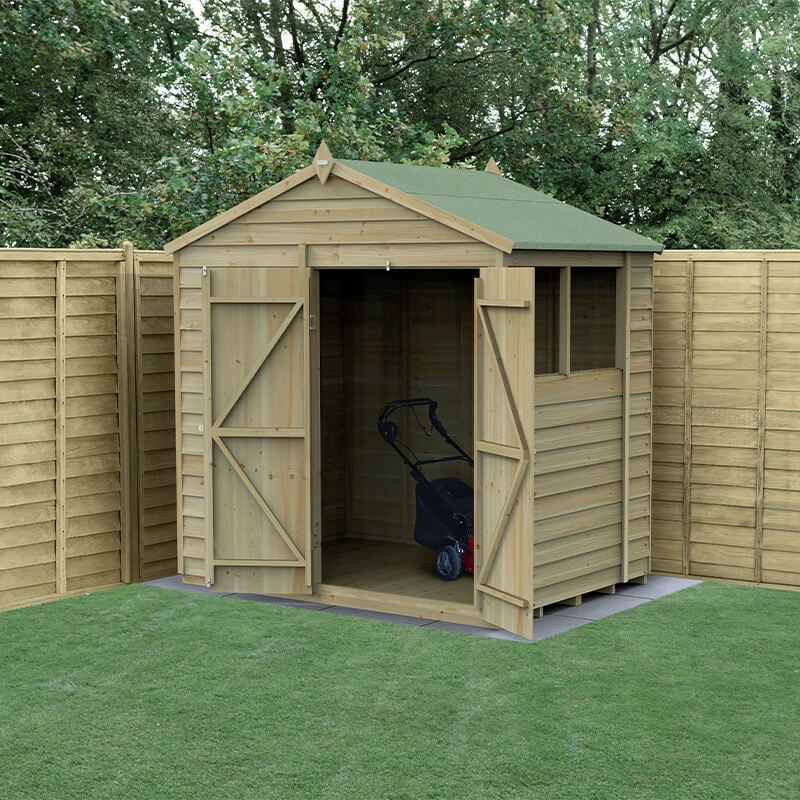
Wooden sheds are typically constructed from timber such as overlap, shiplap, or tongue and groove boards. They offer natural insulation properties, making them ideal if you plan to spend time working inside or storing temperature-sensitive items. Wood also provides excellent structural strength, allowing for heavier storage loads and easier customisation with shelving, workbenches, or electrical installations.
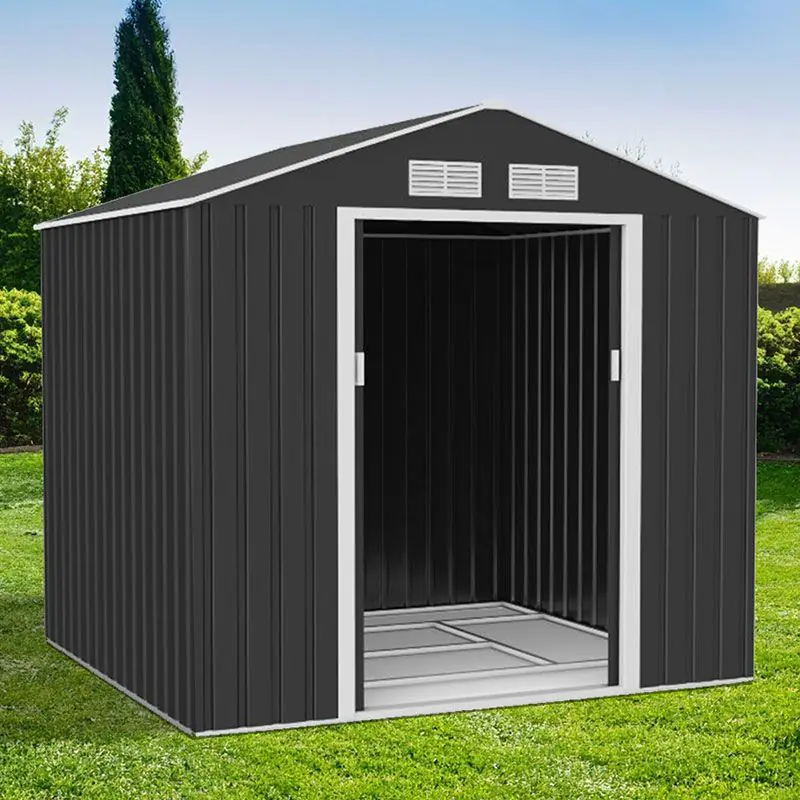
Plastic sheds, usually made from high-density polyethylene or polypropylene, excel in weather resistance and require virtually no maintenance. They’re completely waterproof from day one and won’t rot, warp, or require annual treatments. However, they offer poor insulation and can feel quite cold inside during winter months.
For comprehensive guidance on wooden options, our complete wooden sheds guide covers everything you need to know about timber construction and features.

Cost Comparison: Plastic vs Wood
Initial purchase prices vary significantly between plastic and wooden sheds, but the true cost comparison must consider long-term expenses.
Plastic sheds generally cost more upfront — expect to pay 20-40% more than equivalent wooden sheds. A basic 6x4ft plastic shed might cost £300-500, whilst a similar wooden shed could be £200-350. However, plastic sheds require no ongoing treatment costs, whilst wooden sheds need annual preservation treatments costing £20-40 per year.
Wooden sheds offer better value if you need larger sizes or specific features. The manufacturing constraints of plastic mean fewer size options and limited customisation possibilities. For storage buildings over 8x6ft, wooden sheds often become more cost-effective even including maintenance expenses.
Consider also that quality wooden sheds hold their value better. A well-maintained timber shed will have some resale value, whereas plastic sheds depreciate more rapidly.
Durability: Which Lasts Longer?
Both materials can provide decades of service, but they age very differently and face distinct durability challenges.
High-quality wooden sheds, when properly maintained, can last 15-25 years or more. The key is consistent annual treatment with wood preservative or paint. Neglect this maintenance, and wooden sheds can deteriorate within 5-8 years, developing rot, pest damage, or structural weakness.
Plastic sheds don’t rot or require chemical treatments, making them incredibly low-maintenance. However, they’re more susceptible to impact damage and can become brittle after years of UV exposure. Wind resistance can also be problematic — plastic sheds are lighter and may require more substantial anchoring in exposed locations.
Climate considerations matter too. In the UK’s variable weather, wooden sheds handle temperature fluctuations better, whilst plastic sheds can expand and contract significantly, potentially affecting door and window alignment over time.

Maintenance: Which Is Easier to Look After?
This is where plastic sheds shine brightest — they’re virtually maintenance-free compared to wooden alternatives.
Plastic shed maintenance involves occasional cleaning with soapy water and checking that vents remain clear. That’s essentially it. No annual treatments, no painting, no worry about rot or pest damage. For busy homeowners or those who struggle with DIY tasks, this convenience is invaluable.
Wooden sheds require more attention but reward proper care with longevity and appearance. Annual treatment with wood preservative or exterior paint is essential, typically taking a weekend to complete properly. You’ll also need to inspect for signs of damage, ensure adequate ventilation, and occasionally replace damaged boards or roofing felt.
The good news is that wooden shed maintenance isn’t particularly difficult — it’s more about consistency than skill. Many UK homeowners find the annual treatment ritual quite satisfying, knowing they’re protecting their investment.
Appearance: Which Looks Better in a UK Garden?
Garden aesthetics are highly personal, but there are clear tendencies in what most UK homeowners prefer.
Wooden sheds offer natural beauty that complements traditional British garden styles perfectly. They age gracefully, developing character over time, and can be painted or stained in virtually any colour to match your home or garden scheme. The natural wood grain and traditional construction methods create an authentic, cottage-garden appeal.
Plastic sheds prioritise function over form. Whilst modern designs have improved significantly, they still tend to look artificial and can appear out of place in established gardens. Colour options are limited to what manufacturers offer, and there’s no opportunity to change or update the appearance later.
Consider your property’s character and your neighbours’ likely preferences. In conservation areas or period property settings, wooden sheds are often the more appropriate choice both aesthetically and sometimes legally.
Which Is Better for the Environment?
Environmental considerations are increasingly important to UK consumers, making this comparison more relevant than ever.
Wooden sheds use renewable materials, especially when sourced from responsibly managed forests with FSC certification. At end of life, wooden sheds can be recycled, composted, or used as biomass fuel. The carbon footprint is generally lower, particularly for locally sourced timber.
Plastic sheds are made from petroleum-based materials with higher embedded energy. However, they do offer one environmental advantage: longevity without chemical treatments means no annual applications of preservatives that can harm soil and water systems.
The environmental equation also includes transport considerations. Wooden sheds can often be sourced more locally within the UK, reducing transport emissions compared to plastic sheds that may be manufactured overseas.
For the most environmentally conscious choice, look for FSC-certified wooden sheds from UK manufacturers, combined with eco-friendly wood treatments.
Our Verdict — Which Should You Choose?
After weighing all factors, the best choice depends entirely on your specific circumstances and priorities.
Choose a plastic shed if you:
- Want minimal maintenance commitment
- Live in an extremely wet or exposed location
- Need basic storage without customisation
- Struggle with DIY maintenance tasks
- Don’t mind paying more upfront for convenience
Choose a wooden shed if you:
- Value natural appearance and garden aesthetics
- Want better insulation for workshop use
- Need larger sizes or custom features
- Don’t mind annual maintenance routines
- Prefer lower upfront costs
- Want better long-term value retention
For most UK homeowners, wooden sheds offer the better overall package. They’re more affordable initially, look better in traditional garden settings, and provide superior functionality for workshop or hobby use. The maintenance requirement isn’t excessive — just consistent.
However, if convenience trumps all other considerations, modern plastic sheds do provide reliable, weatherproof storage with minimal ongoing commitment.
Frequently Asked Questions
Are plastic sheds completely waterproof?
Yes, plastic sheds are inherently waterproof and don’t require any additional treatment. However, ensure proper assembly and check door/window seals periodically for optimal weatherproofing.
Do wooden sheds need planning permission like plastic ones?
Both wooden and plastic sheds follow the same planning permission rules in the UK. Most garden sheds under 2.5m high are permitted development, regardless of material, though conditions apply regarding proximity to boundaries and total coverage.
Which type of shed is more secure?
Wooden sheds generally offer better security options. The solid construction makes it easier to fit quality locks, hinges, and security features. Plastic sheds can be more vulnerable to forced entry, though both require additional security measures for valuable storage.
Can I insulate a plastic shed for winter use?
Insulating plastic sheds is challenging due to their construction method and smooth internal surfaces. Wooden sheds are much easier to insulate effectively, making them the better choice if you need a comfortable workspace year-round.
Ready to Buy a Wooden Shed?
Based on this comparison, if you’ve decided that a wooden shed is the right choice for your garden, explore our extensive selection. From compact storage solutions to spacious workshops, we stock quality timber buildings to suit every UK garden and budget.
Browse our full range of wooden garden sheds to find the perfect match for your needs, or visit our guides on the best wooden garden sheds and wooden shed waterproofing for additional guidance.
