
Do Wooden Sheds Need a Concrete Base? UK Guide 2026
If you’re planning to install a wooden shed in your garden, one of the most important decisions you’ll make is choosing the right foundation. Many UK homeowners wonder whether wooden sheds need a concrete base, or if other options like paving slabs or shed base kits might be suitable. The short answer is that whilst concrete provides the most durable foundation, it’s not always necessary for every wooden shed installation.
The foundation you choose depends on several factors including your shed size, local ground conditions, intended use, and budget. A proper base is essential for protecting your investment, ensuring your shed remains level, and preventing moisture damage that could shorten its lifespan. This comprehensive guide will help you understand your options and make the right choice for your specific situation.
Do You Need a Concrete Base for a Wooden Shed?
Most wooden sheds don’t strictly require a concrete base, but they do need a solid, level foundation of some kind. The key requirements for any shed base are that it’s completely level, well-draining, and provides adequate support for the shed’s weight and contents.
For smaller garden sheds (up to 8ft x 6ft), alternatives like paving slabs, gravel pads, or plastic shed base kits often provide perfectly adequate support. However, larger sheds, workshops, or those intended for heavy storage may benefit from the superior stability and longevity that concrete provides. Our comprehensive wooden sheds guide covers foundation requirements in detail for different shed types.
The main advantages of concrete bases include excellent moisture protection, complete stability, and durability that can last decades. However, they’re more expensive, permanent, and require more labour to install than other foundation options.
Concrete Base vs Paving Slabs vs Shed Base Kit
Understanding your foundation options will help you make the best choice for your situation and budget:
Concrete Bases: Offer the most durable and stable foundation. They’re ideal for larger sheds, workshops, or heavy-duty storage. Expect to pay £15-25 per square metre for materials, plus labour costs if you’re hiring professionals. The main drawbacks are the permanent nature and higher upfront cost.
Paving Slabs: A popular middle-ground option that’s easier to install than concrete but more stable than basic options. Quality concrete slabs cost around £3-8 each, and the base can be adjusted or removed if needed. Ensure slabs are laid on a properly prepared sand and hardcore base for best results.
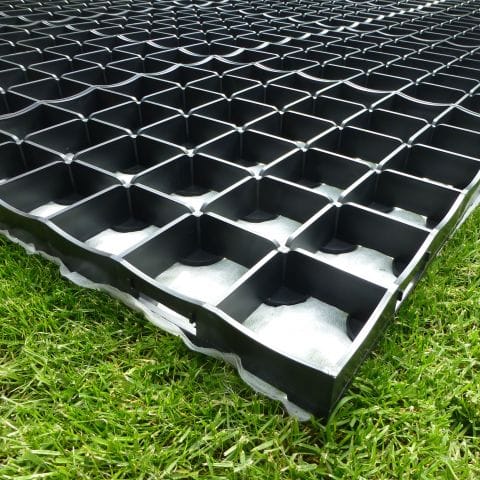
Shed Base Kits: Modern plastic grid systems that are quick to install and environmentally friendly. They cost approximately £8-12 per square metre and work well for smaller to medium sheds. These systems provide good drainage and can be easily relocated if needed.
When Is a Concrete Base the Best Option?
Certain situations make concrete the clear winner for shed foundations. If your shed is larger than 10ft x 8ft, a concrete base provides the stability needed to prevent warping or structural issues over time.
Concrete is also recommended for workshops or sheds that will house heavy machinery, tools, or equipment. The additional weight requires the superior load-bearing capacity that concrete provides. Similarly, if you’re planning to use your shed for activities that involve vibration or movement, such as woodworking, concrete minimises movement and provides a stable working platform.
Ground conditions also influence this decision. On soft, clay, or poorly-draining soil, concrete prevents settling and moisture problems that could affect other foundation types. If you’re investing in a high-quality wooden shed that you want to last 15-20 years, concrete provides the best long-term protection for your investment.
How Thick Should a Concrete Base Be for a Shed?
For most garden sheds, a concrete base should be 75-100mm (3-4 inches) thick. This provides adequate strength for typical garden storage use whilst remaining cost-effective. The concrete should extend at least 150mm (6 inches) beyond the shed walls on all sides to ensure proper support and drainage.
Larger sheds or those intended for workshop use may benefit from a 100-125mm (4-5 inch) thick base, particularly if you’re storing heavy items or machinery. The base should be reinforced with steel mesh for added strength and crack prevention.
Proper preparation is crucial regardless of thickness. This includes excavating 200-250mm deep, adding a hardcore base layer, and ensuring the finished concrete surface is completely level with a slight slope away from the shed for drainage.
Can You Put a Wooden Shed Directly on Grass?
Placing a wooden shed directly on grass is not recommended and will likely void your warranty. Grass and soil create several problems including uneven support, poor drainage, and direct contact with moisture that can cause rot and structural damage.
Even if the ground appears level and firm, seasonal changes, rainfall, and the weight of the shed will cause settling and movement over time. This leads to doors that won’t close properly, gaps in the structure, and potential damage to the shed’s frame.
At minimum, you should clear the grass, level the ground, and install a proper foundation. Many manufacturers of wooden sheds with floors specifically require an appropriate base to maintain warranty coverage.
If budget is a concern, consider a simple gravel pad or basic paving slab foundation rather than placing the shed directly on grass. This minimal investment will significantly extend your shed’s lifespan and prevent costly problems later.
How Much Does a Shed Base Cost in the UK?
Shed base costs in the UK vary significantly depending on the type, size, and whether you install it yourself or hire professionals. Here’s what you can expect to pay in 2026:
DIY Concrete Base: £12-20 per square metre for materials (concrete, hardcore, sand). A typical 8ft x 6ft base costs £60-100 in materials. Add £200-400 for professional installation.
Paving Slab Base: £8-15 per square metre including slabs, sand, and hardcore. Professional installation adds £150-300 depending on size and complexity.
Plastic Shed Base Kits: £8-12 per square metre for the grid system, plus £3-5 per square metre for membrane and gravel. These are ideal for DIY installation, saving on labour costs.
Remember to factor in tool hire if needed (concrete mixer, plate compactor, etc.) and consider that a quality foundation protects your shed investment for years to come.
Frequently Asked Questions
How long does a concrete shed base take to cure?
Allow at least 48-72 hours before placing your shed on a concrete base, though full strength develops over 28 days. In cold weather, curing takes longer, so plan accordingly for winter installations.
Do I need planning permission for a shed base?
Most shed bases don’t require planning permission, but very large concrete bases (over 5 square metres) may need consideration under permitted development rules. Check with your local planning authority if unsure.
Can I install a shed base in winter?
Yes, but concrete work becomes more challenging in freezing conditions. Paving slabs and plastic base systems can be installed year-round, making them good winter options for shed installations.
What’s the minimum base size for my shed?
Your base should be at least the same size as your shed footprint, though extending 150mm beyond on all sides is recommended. This ensures proper support and helps with drainage around the structure.
Ready to Buy a Wooden Shed?
Now that you understand the foundation requirements, you’re ready to choose the perfect shed for your garden. Whether you opt for a concrete base or alternative foundation, ensure your chosen shed is built to last. Browse our full range of wooden garden sheds to find the ideal size and style for your needs. For more guidance on selecting the right shed, check out our guide to the best wooden garden sheds in the UK to make an informed decision.
