

Tool Shed: Complete Guide to Choosing, Installing, and Organizing Your Garden Storage
Key Takeaways
- Tool sheds protect valuable garden equipment from weather damage, theft, and deterioration while keeping outdoor spaces organized.
- Choose from wooden, metal, or plastic materials based on durability needs, budget, and aesthetic preferences.
- Proper foundation installation on level ground is essential for structural integrity and longevity.
- Innovative internal organization with shelving, hooks, and designated zones maximizes storage capacity.
- Regular maintenance, including annual treatments, leak checks, and weatherproofing, significantly extends the shed’s lifespan.
- This guide helps you prepare for installing and using your tool shed right away.
- There is a wide stock of tool shed options available to suit different needs and preferences.
Every gardener and outdoor enthusiast faces the same challenge: protecting valuable tools and equipment while maintaining an organized outdoor space. A quality tool shed transforms chaotic storage areas into efficient, secure workshops that extend the life of your investment in garden, power, and essential equipment.
This comprehensive guide will walk you through everything you need to know to select, install, and organize your perfect tool shed. From understanding different materials and sizing options to mastering installation techniques and maintenance schedules, you’ll find the essential information needed to make informed decisions that suit your specific needs and budget. Tiger Sheds offers a range of garden tool storage solutions that are compact yet practical, making them a great option to consider. For those investing in high-quality tools, brands like Sealey, Milwaukee, and DeWalt are widely recognized for their durability and performance.
What is a Tool Shed and Why Every Gardener Needs One
A tool shed is a dedicated outdoor structure designed to store gardening equipment, power tools, and supplies in an organized, protected environment. Unlike improvised storage solutions, a purpose-built shed provides comprehensive protection while creating an efficient workspace for outdoor projects.
Garden Tools Protection
Weather represents the primary enemy of garden tools and equipment. Rain, snow, and UV radiation cause metal components to rust, wooden handles to crack, and plastic parts to become brittle. A quality shed creates a stable environment that shields your tools from these damaging elements, significantly extending their operational life and performance.
Temperature fluctuations pose another threat, particularly to power tools and equipment with sensitive components. A consistent environment inside a well-ventilated shed prevents the expansion and contraction cycles that cause premature wear and mechanical failure.
Security Of Power Tools
Tool theft has become an increasing concern, with power tools and riding lawnmowers among the most attractive targets for criminals. A lockable shed with reinforced doors and windows provides essential security for expensive equipment, giving you peace of mind and potentially reducing insurance costs.
Modern security features include tamper-resistant hinges, reinforced door frames, and compatibility with electronic locks and alarm systems. Some premium sheds feature multiple locking points and are designed to resist forced entry. Tiger tool sheds feature robust hinges, sturdy timber framing, and lockable doors for added security, ensuring peace of mind for your valuable equipment.
Regular security review and prompt action to address any vulnerabilities are crucial for maintaining protection. Security measures should include verification processes to ensure that only authorized human users can access the shed.
Organization Benefits
A dedicated storage space eliminates garden clutter while providing designated areas for different categories of tools and supplies. Proper organization saves time, reduces frustration, and helps you maintain your equipment more effectively by making regular inspections and maintenance easier to perform. A garden tool shed can help keep the garden tidy by reducing clutter on the patio or shed floor, creating a more enjoyable outdoor environment.
The ability to create zones within your shed – areas for hand tools, power equipment, chemicals, and seasonal items – transforms your storage from a jumbled collection into a functional workspace that supports efficient gardening and outdoor projects.
Property Value Enhancement
Well-designed and properly installed tool sheds typically add 50-80% of their cost to property value, particularly in markets where outdoor living and gardening are popular. Beyond monetary value, a quality shed improves the overall aesthetics of your outdoor space by eliminating visible clutter and creating clean, organized areas.
Tool Shed Placement and Location
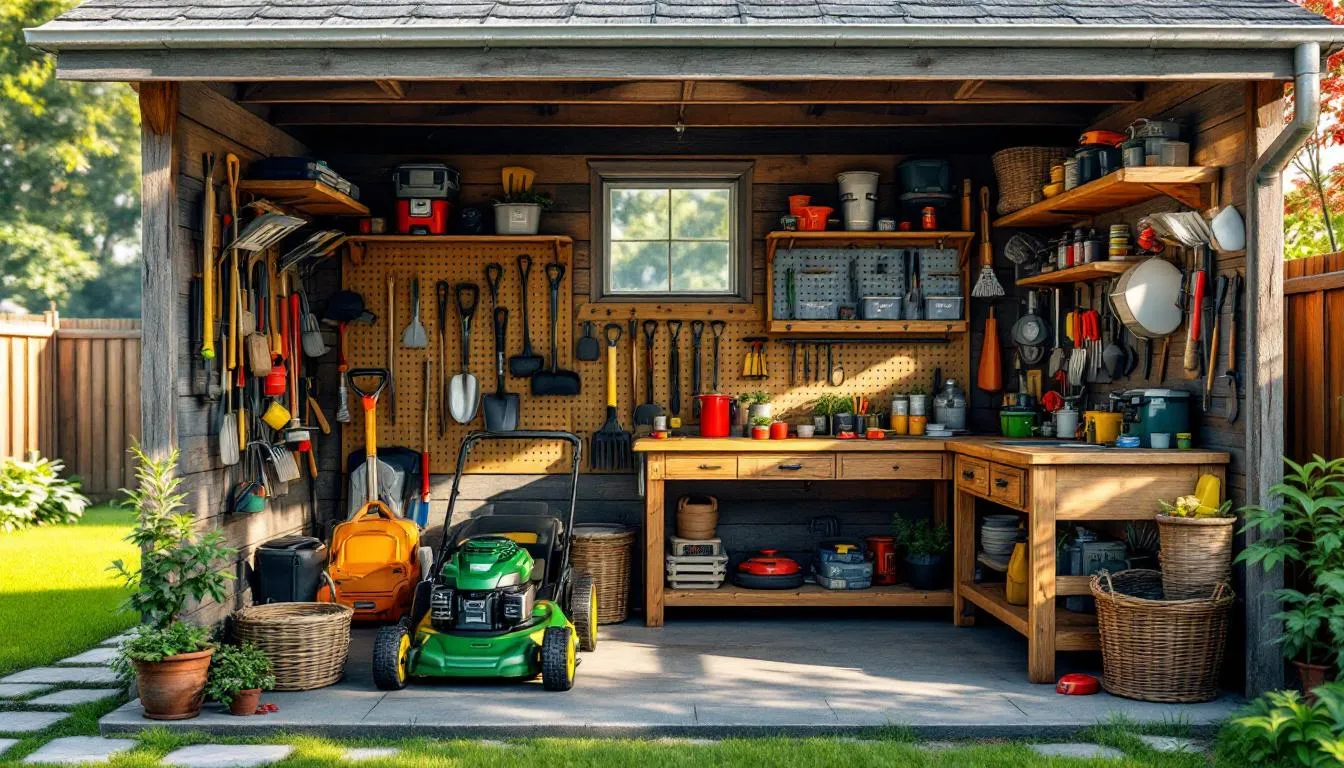
Choosing the right place for your tool shed is just as important as selecting the shed itself. The location you choose will impact not only the security and longevity of your shed, but also the convenience and enjoyment of your outdoor space. Start by identifying a spot in your garden that offers a stable foundation—this could be a concrete slab, compacted gravel, or another level, well-drained base. A solid base is essential for protecting your shed from moisture, ensuring durability, and keeping your garden tools, hand tools, and power tools safe from the elements.
When working with limited space, especially in smaller gardens, it’s essential to find a shed size that fits comfortably without overwhelming your outdoor area. Compact sheds are designed to maximize storage while minimizing their footprint, making them perfect for storing essential equipment like lawnmowers, garden tools, and seasonal items. Take time to check for any obstacles such as trees, uneven ground, or utility lines that could affect installation or future maintenance.
Security should always be top of mind when choosing a location. Place your shed in a visible area from your home to deter theft, and look for models with secure hinges, reinforced doors, and lockable windows. If you’re storing valuable power tools or equipment, consider additional security features such as motion-activated lights or a shed alarm. The right placement can make it easier to keep an eye on your shed while still blending seamlessly into your garden’s design. Regular garden shed maintenance is also crucial for ensuring the security and longevity of your structure.
Accessibility is another key factor. Choose a location that allows for easy movement of bulky items like lawnmowers or wheelbarrows, and make sure the shed door is wide enough to accommodate your largest equipment. A well-placed shed with ample interior space and a clear path will make it much easier to store and retrieve your tools, reducing the risk of damage to both the shed and its contents. If you’re seeking to enhance your outdoor space, consider solutions like pergola deck kits as well.
Consider the type of shed that best suits your maintenance preferences and garden style. Wooden sheds offer classic appeal but require regular maintenance to protect against the elements, while plastic sheds are designed for low-maintenance durability. Using pressure-treated timber is recommended for building a tool shed to enhance durability and resistance to rot. Whichever material you choose, regular checks of the roof, walls, and floor will help you catch any issues early and keep your shed in top condition.
Ultimately, the perfect shed placement balances accessibility, security, and aesthetics. By carefully choosing the right spot and the right shed for your needs, you’ll create a secure, organized, and attractive storage solution that enhances your outdoor space and protects your valuable tools and equipment for years to come. Whether you’re storing hand tools, power tools, or garden equipment, a well-placed shed is an essential addition to any garden, helping you make the most of your time outdoors.
Tool Shed Materials: Wood vs Metal vs Plastic
Choosing the right material for your shed involves balancing factors including durability, maintenance requirements, cost, and aesthetic preferences. Each material option offers distinct advantages and challenges that should align with your specific needs and local climate conditions. Wooden sheds are a popular choice for gardens and come in both traditional and modern styles, offering versatility to suit a range of outdoor aesthetics.
Wooden Tool Sheds
Traditional cedar and pressure-treated pine options offer natural weather resistance and classic aesthetics that complement most home styles. Cedar contains natural oils that repel insects and resist rot, making it an excellent choice for humid climates, while pressure-treated pine offers affordability with enhanced durability through chemical treatment.
Cladding Type Options
Tongue-and-groove construction creates tight, weatherproof joints that prevent moisture infiltration while providing excellent structural strength. This premium option costs more initially but offers superior longevity and weather resistance compared to overlap cladding.
Overlap cladding, also known as featherboard or lap siding, provides good weather protection at a lower cost. The overlapping boards shed water effectively, though they may require more frequent maintenance than tongue-and-groove construction.
Customization Advantages
Wood sheds offer unmatched flexibility for modifications and customization. You can easily add windows, create custom shelving, install electrical systems, or modify the interior layout to suit specific storage needs. Painting or staining allows you to match your home’s color scheme or create a unique aesthetic appeal.
Maintenance Requirements
Wooden sheds require annual treatment with wood preservatives to maintain water resistance and prevent rot. Regular inspections for damage, particularly around the base and roof areas, help catch problems early, when repairs are more straightforward and less expensive.
Metal Tool Sheds
Galvanized steel construction with powder-coated finishes provides exceptional corrosion resistance and durability in harsh weather conditions. The manufacturing process creates a protective barrier that prevents rust formation while maintaining structural integrity over decades of use.
Superior Security
Metal construction offers inherent security advantages through reinforced walls that resist cutting and forcing. Tamper-resistant door mechanisms and reinforced mounting points for locks make metal sheds excellent choices for storing valuable equipment and power tools. Additionally, metal sheds provide robust security and durability for storing bikes and garden tools, making them a reliable option for safeguarding your belongings.
Fire Resistance and Pest Protection
Unlike organic materials, metal sheds offer natural fire resistance, which may reduce insurance costs and improve safety around your property. The solid construction also prevents pest infiltration, eliminating concerns about rodent damage or insect infestation.
Maintenance Considerations
While metal sheds require minimal ongoing maintenance, condensation can become problematic without proper ventilation. Alternatively, wooden garden storage units offer distinct benefits and considerations. Installing ridge vents, soffit vents, or mechanical ventilation systems prevents moisture buildup that could damage stored items or create an uncomfortable work environment.
Plastic and Composite Tool Sheds
UV-stabilized resin construction provides excellent weather resistance without the maintenance requirements of traditional materials. High-quality plastic sheds won’t fade, crack, or warp over time, making them ideal for extreme climate conditions or situations where minimal maintenance is essential.
Maintenance-Free Operation
Plastic sheds require only simple cleaning with soap and water to maintain their appearance and functionality. The non-porous surface resists stains, won’t absorb moisture, and makes cleanup easy after messy projects.
Lightweight Assembly
Modular panel systems make plastic sheds some of the easiest to assemble, with many models designed for weekend DIY installation. The lightweight components reduce foundation requirements, while simplified connection systems minimize the tools needed for assembly.
Weather Resistance
Quality plastic construction provides excellent resistance to UV radiation, temperature extremes, and moisture without requiring annual treatments or protective coatings. This makes them particularly suitable for coastal areas where salt air would accelerate corrosion in metal sheds or require frequent refinishing of wooden structures.
| Material | Durability | Maintenance | Security | Cost Range |
|---|---|---|---|---|
| Wood | 15-25 years | Annual treatment | Moderate | $1,500-$8,000 |
| Metal | 20-30 years | Minimal | Excellent | $800-$4,000 |
| Plastic | 25+ years | None | Good | $500-$3,000 |
Sizing Your Tool Shed: From Compact Storage to Workshop Space
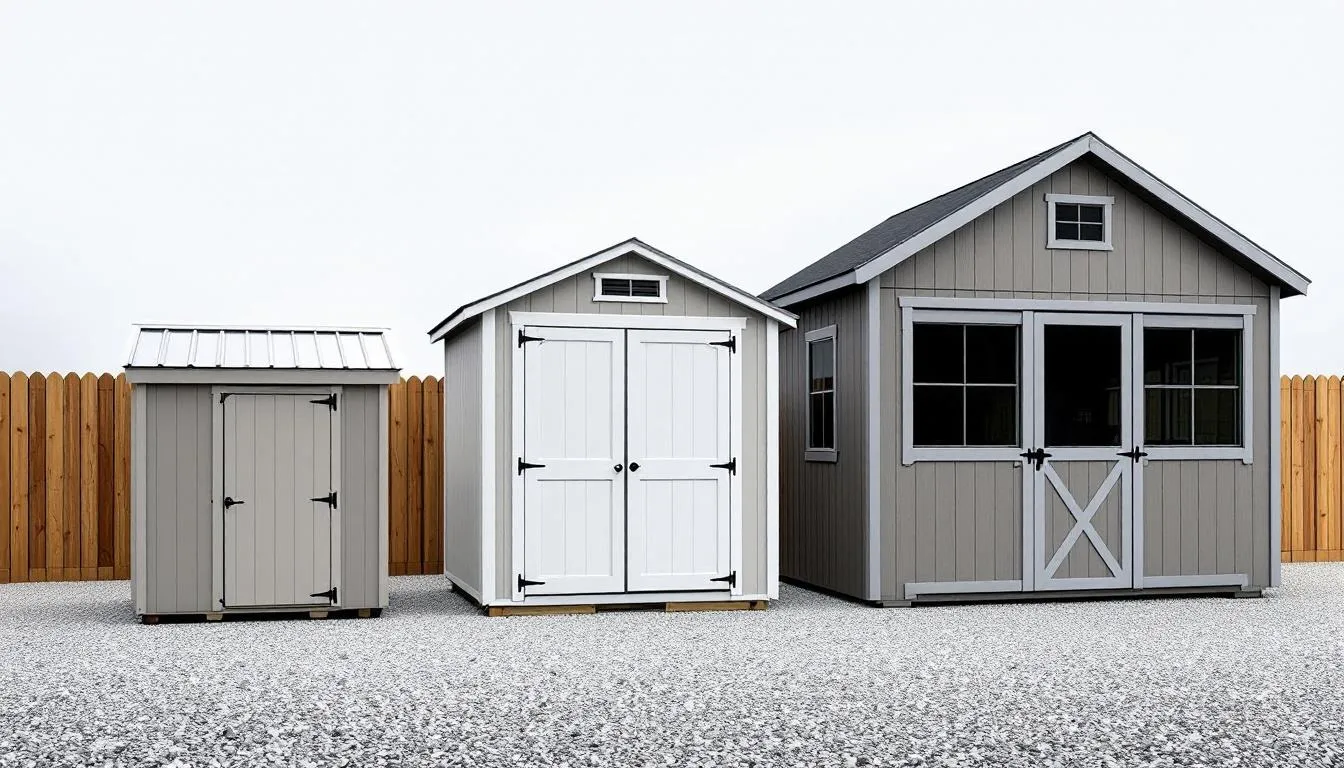
Selecting the appropriate size for your shed requires careful consideration of current storage needs, future expansion plans, and available space on your property. Understanding the relationship between shed dimensions and storage capacity helps ensure you invest in the right size from the start. Garden sheds come in various sizes, with smaller sheds suitable for tools and bikes, and larger sheds accommodating lawnmowers and extensive equipment. A shed for storage may require a smaller, simpler design without windows, while a workshop needs more space, light, ventilation, and electrical outlets to support its functionality.
Small Sheds (4×6 to 6×8 feet)
Compact sheds provide ideal solutions for basic hand tools, lawn care supplies, and seasonal decorations in limited space situations. These structures typically offer 24-48 square feet of floor space, enough to organize essential gardening equipment without overwhelming smaller properties.
A 4×6-foot shed can accommodate basic garden tools, including shovels, rakes, pruning equipment, and small bags of fertilizer or soil amendments. Wall-mounted storage systems maximize the available space by keeping the floor clear for occasional equipment like wheelbarrows or leaf blowers.
The 6×8 foot option provides additional room for a small workbench, basic power tools, and more extensive supplies while maintaining a compact footprint that fits most residential lots without requiring special permits or significant site preparation. Learn more about the advantages of choosing a plastic storage shed for your garden.
Medium Sheds (8×10 to 10×12 feet)
Medium-sized sheds offer the sweet spot for most homeowners, providing 80-120 square feet of versatile storage and workspace. These dimensions accommodate riding mowers, larger wheelbarrows, extensive tool collections, and dedicated work areas for maintenance and projects.
An 8×10-foot shed creates enough space for organized zones, including tool storage, chemical storage with proper safety measures, and workspace for equipment maintenance. The additional square footage supports more sophisticated organization systems, including full-height shelving and dedicated areas for different types of equipment.
The popular 10×12 foot configuration provides workshop capabilities with space for multiple users and projects. This size supports larger riding mowers, extensive power tool collections, and sufficient workspace for construction projects or equipment repairs.
Large Sheds (12×16 feet and above)
Large sheds transform storage into comprehensive workshop and hobby spaces exceeding 192 square feet. These structures support professional-level tool collections, multiple work areas, and sophisticated equipment storage while providing comfortable space for extended projects.
Workshop functionality becomes the primary benefit in this size range, with room for table saws, drill presses, extensive hand-tool storage, and materials staging areas. The larger footprint also accommodates climate control systems, dedicated electrical systems, and plumbing, ensuring year-round functionality.
Height Considerations
Standard shed heights of 7-8 feet allow comfortable access for most users while providing adequate space for hanging tools and overhead storage. This height works well for basic storage and light workshop activities without requiring special permitting in most areas.
Tall models that reach 9+ feet provide significant overhead storage and accommodate larger equipment, such as garden tractors or lifted ATVs. The additional height also improves ventilation and creates a more comfortable workspace for extended projects.
Door Width Planning
Single-door configurations work well for hand tools and smaller equipment, typically offering 32-36 inch openings that are sufficient for wheelbarrows, push mowers, and most power tools. The smaller opening provides better security and weather resistance while maintaining adequate access for daily use.
Double doors are essential for ride-on equipment access, providing 5-6-foot openings that accommodate lawn tractors, riding mowers, and larger equipment. The wider opening also facilitates moving large items in and out during seasonal storage transitions or equipment replacement.
Foundation and Installation Requirements
Proper foundation preparation and installation form the critical base for long-term shed performance and stability. Understanding site requirements, foundation options, and local regulations ensures your shed provides years of reliable service while avoiding costly problems down the road.
Once the foundation is complete, the site is ready for shed assembly and installation.
Site Preparation
Site selection begins with identifying level ground that provides adequate drainage and maintains the required clearance from property lines and structures. Most municipalities require minimum setbacks ranging from 3-10 feet from property boundaries, with specific distances from wells, septic systems, and easements.
Drainage considerations become particularly important in areas prone to standing water or seasonal flooding. The site should slope away from the shed location, and you may need to install drainage systems or select elevated foundation options to prevent moisture problems.
Ground preparation involves removing vegetation, organic matter, and loose soil to create a stable base. The preparation area should extend at least 12 inches beyond the shed footprint on all sides to accommodate foundation materials and provide workspace during construction.
Foundation Options
Concrete slabs provide the most permanent and stable foundation option, ideal for large sheds or workshop applications requiring level surfaces for precision work. Properly installed concrete foundations can support significant weight loads while providing excellent moisture barriers and pest protection.
The concrete option requires excavation, forming, and finishing, which may require professional installation. However, the durability and stability justify the additional cost for permanent installations or for storing valuable equipment.
Alternative Foundation Systems
Pressure-treated timber skids offer excellent stability for wooden sheds while providing natural moisture separation and easier future relocation if needed. The skid system distributes weight evenly while elevating the shed slightly above ground level for better drainage and ventilation.
Gravel pad foundations provide cost-effective stability for smaller sheds while ensuring proper drainage and easy leveling adjustments. This option works particularly well for temporary installations or situations where concrete installation isn’t practical.
Building Permits
Local regulations typically require permits for structures exceeding specific size thresholds, commonly 120 square feet or 10-foot height limits. Permit requirements vary significantly between municipalities, so verify specific regulations before proceeding with purchase or installation.
The permit process usually involves submitting site plans showing setbacks, drainage provisions, and structural specifications. Some areas also require inspections during construction to verify compliance with local building codes and safety standards.
Professional vs DIY Installation
Kit assembly capabilities vary significantly between manufacturers and shed types, with some designed specifically for weekend DIY installation while others require specialized tools and experience. Evaluate your skill level honestly, considering factors like foundation work, electrical installation, and structural assembly requirements.
Professional installation ensures proper foundation preparation, correct assembly procedures, and compliance with local codes. While this adds to the initial cost, professional installation often includes warranties and guarantees that provide long-term value and peace of mind.
Utilities Planning
Electrical installation requires a licensed electrician to work following local codes, with GFCI outlets required for outdoor structures and underground wiring typically necessary for permanent installations. Planning electrical needs during initial design prevents costly modifications later.
Power requirements depend on intended shed use, with basic lighting and outlet needs differing significantly from workshop applications requiring 220V service for large power tools. Consider both current needs and potential future expansion when planning electrical systems.
Water and ventilation systems may be necessary for potting shed applications or workshop use, requiring additional planning for drainage, freeze protection, and utility connections. These systems significantly expand functionality but require professional installation and ongoing maintenance.
Maximizing Tool Shed Organization and Storage
Effective shed organization transforms storage space into functional workspace while protecting your investment in tools and equipment. Strategic planning of storage systems, workflow patterns, and safety measures creates an efficient environment that saves time and extends equipment life. Regularly schedule clean-ups and organizational reviews to maintain order in the tool shed, keeping it a practical, tidy space.
Wall-Mounted Systems
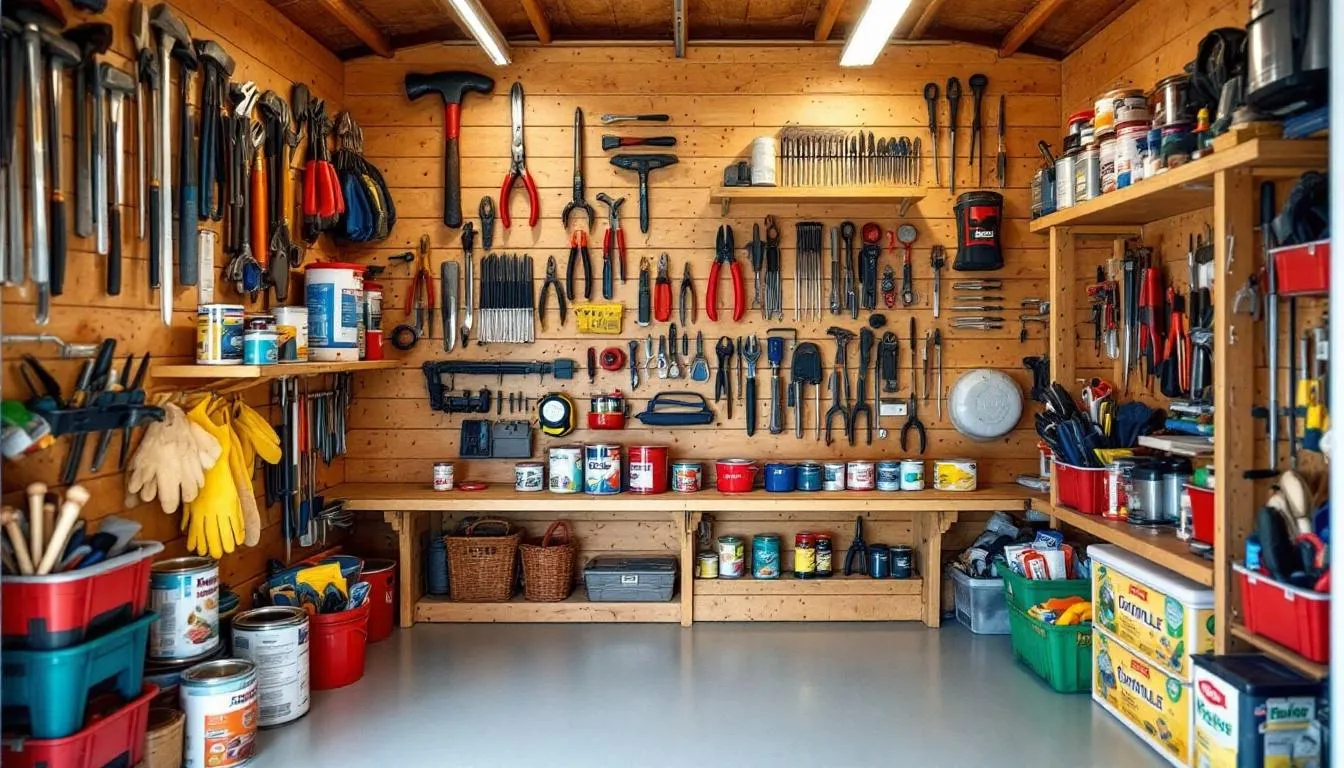
Pegboard systems provide versatile storage for hand tools while maintaining visual organization that makes finding specific items quick and easy. Quality pegboard resists moisture damage while supporting heavy loads when mounted to wall studs or structural supports.
Magnetic strips offer excellent storage for small metal tools and parts, handy near workbenches where frequently used items need immediate access. Industrial-strength magnetic systems can support surprising weight loads while keeping items visible and organized.
Slat wall systems provide commercial-grade organization with modular accessories that adapt to changing storage needs. The track-based system accepts various hooks, shelves, and specialized holders that can be reconfigured as your tool collection evolves.
Shelving Solutions
Adjustable metal shelving offers maximum flexibility for storing items of varying sizes while providing excellent weight capacity and durability. Commercial-grade shelving systems resist rust and damage while supporting heavy items like paint cans, chemicals, and bulk supplies.
Wooden shelving brackets provide customizable storage options that can be built to exact specifications for specific equipment or storage needs. The ability to create custom depths and configurations makes this option ideal for unusual items or specialized storage requirements.
Overhead storage platforms utilize unused vertical space for seasonal items, rarely used equipment, or lightweight bulk storage. Proper installation requires adequate structural support and safe access methods, but the additional storage capacity significantly improves space utilization.
Zone Organization
Creating separate areas for different types of equipment improves efficiency while reducing safety risks associated with storing incompatible items together. Garden tools, power equipment, chemicals, and seasonal items each have specific storage requirements that benefit from dedicated zones.
Garden tool zones should include wall-mounted storage for long-handled tools, shelving for small hand tools and supplies, and designated areas for bags of soil, fertilizer, and mulch. Keeping these items together streamlines garden maintenance while preventing moisture or contamination damage.
Power tool areas require secure storage to prevent theft while ensuring easy access for regular use. Lockable cabinets or dedicated shelving with security features protect valuable equipment while maintaining organization that prevents damage from tools banging together during storage.
Safety Storage
Chemical storage requires special attention to ventilation, temperature control, and separation from incompatible materials. Dedicated locked cabinets with appropriate ventilation prevent accidental exposure while ensuring chemicals remain effective and safe.
Sharp tool security becomes paramount in households with children, requiring storage methods that prevent access while maintaining functionality for adult users. Wall-mounted locked cases or high shelving provides security without compromising tool accessibility for legitimate use.
Fire safety considerations include proper storage of flammable materials, installation of appropriate fire extinguishers, and ensuring adequate egress routes in case of emergencies. Professional consultation may be worthwhile for extensive chemical storage or workshop applications.
Climate Control
Moisture absorbers help control humidity levels that can cause rust, mold, and other damage to stored items. Desiccant systems or mechanical dehumidifiers maintain optimal conditions for tool storage while preventing condensation problems common in enclosed spaces.
Ventilation fans improve air circulation while preventing temperature extremes that can damage stored items or create uncomfortable working conditions. Automatic systems can maintain optimal conditions year-round without requiring daily attention.
Heating options extend shed usability into winter months, particularly important for workshop applications or equipment requiring freeze protection. Electric, propane, or solar heating systems each offer distinct advantages depending on utility availability and local climate conditions.
Tool Shed Maintenance and Longevity
Regular maintenance significantly extends shed lifespan while protecting your stored equipment from weather damage and security threats. Understanding material-specific care requirements and developing consistent maintenance schedules prevents minor issues from becoming expensive problems.
Annual Inspections
Roof integrity requires regular inspection for loose shingles, damaged flashing, or signs of water penetration that could compromise the entire structure. Small roof problems escalate quickly, making prompt attention to minor issues essential for preventing major repairs.
Check door alignment and hinges for proper operation, as settling foundations or structural movement can affect door function and security. Lubricate hinges and adjust door hardware as needed to maintain smooth operation and weather sealing.
Lock functionality and security features require testing to ensure continued protection of valuable stored equipment. Replace worn locks, upgrade security hardware as needed, and verify that door frames and mounting points remain secure and tamper-resistant.
Structural stability inspection includes checking foundation conditions, wall connections, and overall frame integrity. Look for signs of settling, pest damage, or weather-related deterioration that could affect structural performance or safety.
Wood Care
Pressure washing removes accumulated dirt, mildew, and organic growth that can accelerate wood deterioration, and prepares surfaces for protective treatments. Use appropriate pressure settings to avoid damaging wood surfaces while achieving thorough cleaning.
Sand rough spots and damaged areas before applying protective treatments, as proper surface preparation significantly affects treatment effectiveness and longevity. Address any areas showing signs of rot or insect damage before they spread to adjacent wood.
Apply stain or sealant every 2-3 years, depending on local climate conditions and product specifications. Quality wood treatments provide moisture protection, UV resistance, and enhanced durability that significantly extend wood lifespan with proper application.
Metal Maintenance
Touch-up painting on scratches prevents rust formation while maintaining the protective barrier that preserves metal shed longevity. Address paint damage promptly, as small scratches can quickly develop into major corrosion problems requiring extensive repairs.
Lubricate hinges and moving parts regularly to prevent binding and premature wear while ensuring continued smooth operation. Use appropriate lubricants designed for outdoor applications and metal-on-metal contact points.
Check for rust spots and address them immediately with appropriate treatments to prevent spread and structural damage. Early intervention with rust removal and protective coatings prevents minor issues from becoming major problems requiring component replacement.
Plastic Upkeep
Clean plastic surfaces with mild detergent to remove dirt, algae, and stains while maintaining appearance and preventing degradation from accumulated contaminants. Avoid harsh chemicals or abrasive cleaners that could damage UV-protective coatings.
Check panel connections for looseness or damage that could affect structural integrity or weather resistance. Tighten connections as needed and replace damaged fasteners to maintain proper fit and seal.
UV protectant application may be beneficial in extreme sun exposure situations, though quality plastic sheds typically include UV stabilizers in the material formulation. Consult manufacturer recommendations for specific products and application procedures.
Winter Preparation
Clear snow loads promptly to prevent structural damage from excessive weight, particularly in areas receiving heavy snowfall or wet snow. Most residential sheds are designed for typical snow loads, but extreme conditions may exceed design limits.
Ensure proper ventilation during winter months to prevent condensation buildup that could damage stored equipment or create mold problems. Adjust ventilation systems as needed to maintain air circulation while preventing heat loss if heating systems are installed.
Protect stored equipment from freeze damage by draining fluids, adding appropriate antifreeze solutions, or relocating sensitive items to heated storage. Power tool batteries should be removed and stored in temperature-controlled environments to prevent damage.
Frequently Asked Questions
How long do tool sheds typically last? Shed lifespan varies significantly by material and maintenance quality. Wooden sheds last 15-25 years with proper maintenance, metal sheds typically last 20-30 years, and high-quality plastic sheds can exceed 25 years depending on climate conditions and care. Regular maintenance significantly extends lifespan across all material types.
Can I install electricity in my tool shed? Yes, electrical installation is possible but should be performed by licensed electricians following local codes. GFCI outlets are required for outdoor structures, and underground wiring is typically necessary for permanent installations. Planning electrical needs during initial shed design prevents costly modifications later.
Do tool sheds increase property value? Well-maintained, properly installed sheds typically add 50-80% of their cost to property value, especially in markets where outdoor living and gardening are popular. The actual value increase depends on shed quality, local market conditions, and overall property characteristics.
What’s the best way to secure expensive tools in a shed? Use multiple security layers, including quality padlocks or electronic locks, reinforced door frames, security cameras, and consider bolting expensive equipment to shed floors or walls. Motion-activated lighting and alarm systems provide additional deterrent value for high-value equipment storage.
How do I prevent condensation and moisture problems? Install proper ventilation with ridge vents or soffit vents, use moisture barriers under flooring, maintain consistent temperatures, and store items off the ground on shelves or pallets. Desiccant systems or mechanical dehumidifiers help control humidity levels in enclosed spaces.
Customizing Your Garden Tool Shed
Customizing your tool shed is a great way to make the most of your outdoor space and ensure your storage solution fits your unique needs. Whether you have a small shed in a limited space or a larger area to work with, tailoring your shed allows you to store garden tools, lawnmowers, and other equipment efficiently. Start by choosing the right size and cladding type—wood offers a classic look and can be painted or stained to suit your garden, while plastic sheds offer low-maintenance durability.
Security is another key aspect of customization. Upgrading to secure hinges, adding robust locks, or even installing reinforced doors can help protect your valuable tools and equipment. Inside, you can create custom shelving, hooks, or tool racks to keep everything organized and easy to find. If you’re storing larger items like lawnmowers, consider double doors or ramps for easier access. By thoughtfully customizing your shed, you’ll create a secure, functional, and attractive storage space that perfectly suits your garden and lifestyle.
DIY Tool Shed Projects and Ideas
Building your own tool shed is a rewarding way to create a storage space that’s perfectly matched to your garden and the tools you need to store. Start by choosing a design that fits your outdoor space and the size of your tool collection. Whether you opt for wood for a traditional look or plastic for easy maintenance, you can find plenty of plans and inspiration online to help you get started.
Think about adding windows for natural light, or customizing the interior with shelves and hooks to maximize storage. Even a small shed can be transformed into a highly efficient space with the right layout. Use durable, weather-resistant materials to ensure your shed stands up to the elements and keeps your tools protected year-round. By taking a DIY approach, you can create a shed that not only stores your tools but also enhances the look and functionality of your garden. Plus, you’ll enjoy the satisfaction of completing a project that adds real value to your outdoor space.
Tool Shed Accessories and Features
The right accessories and features can transform your tool shed from simple storage into a secure, organized workshop. Start by adding shelving and hooks to keep garden tools and equipment off the floor and easy to access. Consider installing a workbench or vice if you want to use your shed as a workspace for repairs or projects. For added security, upgrade your locks and hinges, or install an alarm or motion-sensitive lighting to protect your tools and equipment.
Ventilation and lighting are also important features to consider—adding a window, vent, or LED lighting can make your shed more comfortable and functional. If you need to move heavy equipment in and out, a ramp or steps can make access much easier. With so many options available, you can choose the accessories and features that best suit your needs, helping you create a tool shed that’s secure, practical, and perfectly tailored for storing and protecting your garden tools and equipment.
Common Mistakes to Avoid
When setting up your tool shed, avoiding common mistakes can save you time, money, and frustration. One of the most significant errors is neglecting a stable foundation—without a solid, level base, your shed may shift or deteriorate over time, compromising both security and the protection of your tools and equipment. Always choose a durable material like concrete or treated wood for your base, and make sure the site is level before you start building.
Another frequent mistake is underestimating the size and layout you need. Take time to plan your shed’s interior, ensuring there’s enough space for all your tools and equipment, and that everything is easy to access. Don’t overlook security—install quality locks and secure hinges to protect your investment. Finally, use weather-resistant materials to ensure your shed withstands the elements and keeps your tools safe. By planning carefully and making wise choices, you’ll create a secure, functional shed that enhances your outdoor space and stands the test of time.
Conclusion and Final Tips
A well-designed tool shed is the perfect solution for storing and protecting your garden tools and equipment, keeping your outdoor space organized and clutter-free. By customizing your shed to suit your needs, choosing the right size and features, and focusing on security with strong locks and hinges, you can create a secure and functional storage space that adds real value to your garden.
Remember to use durable, weather-resistant materials and to plan your shed’s layout for maximum efficiency. Regular maintenance is essential to keep your shed in top condition and to ensure your tools and equipment remain protected year after year. With thoughtful planning and a focus on your specific needs, you’ll find that the right tool shed is a great investment—making your outdoor space more enjoyable, organized, and ready for any gardening or DIY project you want to tackle.
