
Wooden Playhouse: The Ultimate Guide to Outdoor Play Structures for Kids
Key Takeaways
- Wooden playhouses are durable outdoor play structures made from high quality timber, typically lasting 10+ years with proper care
- They promote child development through imaginative play, motor skill building, and increased outdoor activity time
- Popular types include traditional wendy houses, tower playhouses with slides, and two-story models suitable for children aged 3+
- Many wooden playhouses come with optional features such as slides and swings to enhance playtime
- Most wooden playhouses require a level base foundation but no planning permission for standard residential installations
- Quality models feature EN71 safety certification, tongue and groove construction, and 10-year anti-rot warranties
Outdoor Playhouses For Kids Fun
In today’s screen-dominated world, encouraging children to spend time outdoors has become more challenging than ever. While just toys and electronic devices may keep kids entertained temporarily, nothing quite compares to the magical moments created by a well-crafted wooden playhouse in your back garden. These aren’t simply structures – they’re gateways to exciting adventures that spark creativity and develop coordination while providing children with fresh air and outdoor fun.
A wooden playhouse transforms any garden space into an adventure playground where children love to explore their imaginations. Unlike temporary plastic alternatives, these durable structures withstand the british weather while offering years of creative play opportunities. From hosting a tea party to embarking on imaginary quests, the right playhouse becomes a cornerstone of childhood memories.
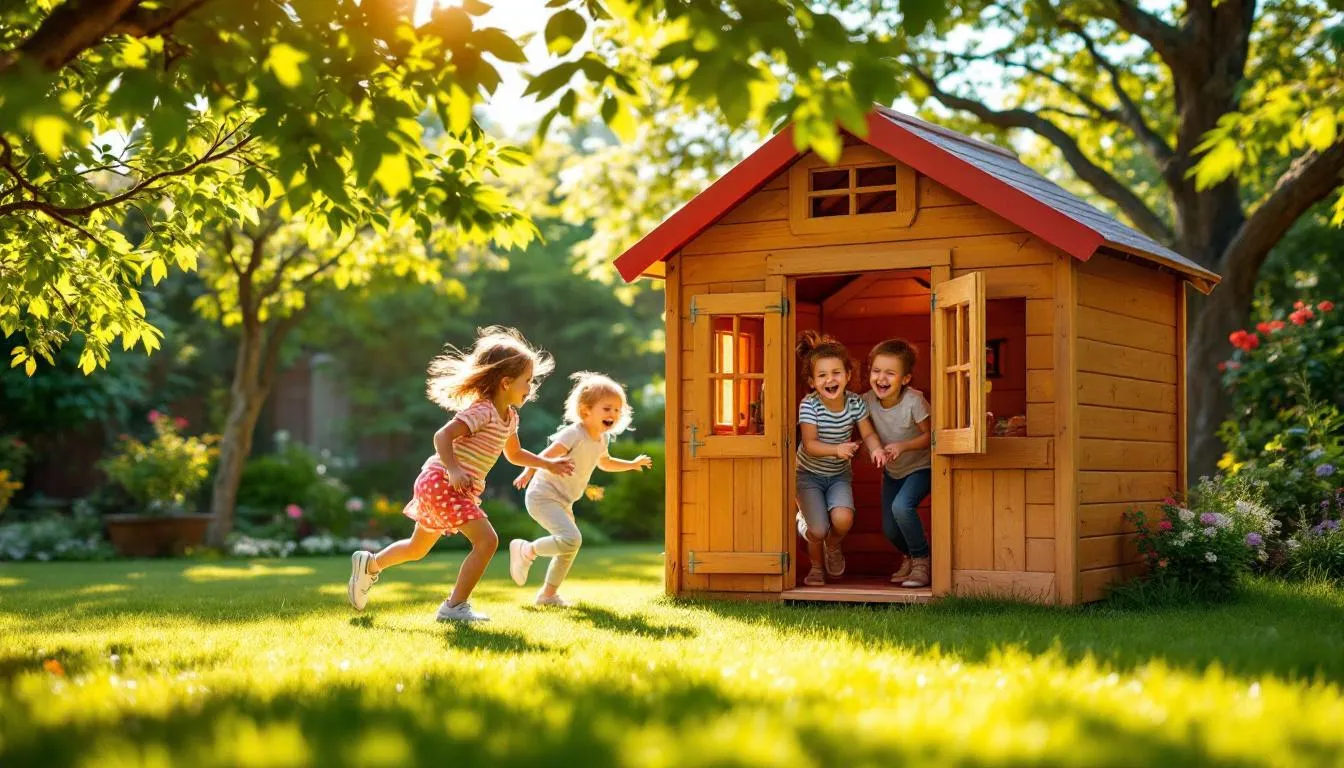
What is a Wooden Garden Playhouse?
A wooden playhouse is a child-sized outdoor structure specifically designed for imaginative play, crafted primarily from wood and built to withstand outdoor conditions. These small house replicas provide children with their own private space to explore, create, and engage in role-playing activities that are fundamental to healthy development.
Unlike indoor playhouses that prioritize portability and storage, outdoor wooden playhouses are permanent fixtures designed to integrate seamlessly with your garden landscape. While plastic alternatives may fade and crack under UV exposure, wooden structures maintain their appeal and functionality for decades when properly maintained.
Typical wooden playhouses range from compact 4×4 feet models suitable for toddlers to spacious 8×6 feet structures that accommodate multiple children comfortably. The raised platform design elevates play areas above ground level, providing better drainage and creating additional play space underneath for storage or creative activities.
The concept of wendy houses dates back to the early 1900s, inspired by the tiny house built for Wendy in J.M. Barrie’s Peter Pan story. This literary connection explains why many traditional children’s playhouses are still called wendy houses today, particularly in the UK where these charming structures have become garden staples.
Benefits of Choosing Wooden Children’s Playhouses
Durability and Weather Resistance
When investing in outdoor play equipment, longevity matters. Quality wooden playhouses typically last 10-15 years with proper maintenance, compared to just 3-5 years for plastic alternatives. The secret lies in pressure treated timber that resists rot, insects, and moisture damage even in challenging british weather conditions.
High quality timber construction means your playhouse becomes a long-term family investment rather than a temporary toy. Children who start playing at age 3 can continue enjoying their wooden outdoor playhouse well into their teenage years, making it suitable for multiple children or extended family use.
The natural insulation properties of wood provide comfort across seasons, keeping interiors cooler during summer heat and warmer during winter months. This temperature regulation extends play time throughout the year, encouraging consistent outdoor activity regardless of weather conditions.
Environmental and Aesthetic Benefits
wooden playhouses integrate beautifully with garden landscapes, complementing outdoor furniture and natural plantings in ways that bright plastic structures simply cannot match. The organic texture and appearance of wood ages gracefully, developing character over time rather than appearing worn or dated.
From an environmental perspective, sustainably sourced timber offers significant advantages over petroleum-based plastics. Wood is biodegradable, renewable, and typically requires less energy to produce. Many manufacturers now offer FSC-certified timber options, ensuring responsible forest management practices.
The customization possibilities with wood far exceed those of other materials. Paint, stain, or decorating options are virtually unlimited, allowing families to create unique themes that reflect their children’s interests and personalities.
Child Motor Skills Development Benefits
Perhaps most importantly, wooden playhouses provide exceptional platforms for encouraging imaginative play. The realistic house-like environment naturally promotes role-playing scenarios – from playing house and hosting tea parties to operating imaginary shops or embarking on adventure stories.
Research consistently shows that outdoor play significantly improves motor skills development. Climbing ladders, sliding, and navigating playhouse spaces help children develop coordination, balance, and spatial awareness. The physical interaction with solid wooden structures provides valuable sensory feedback that enhances motor learning.
Social skills flourish when children share playhouse spaces. These private retreat areas become natural gathering spots where kids negotiate roles, share imaginations, and practice communication skills away from adult supervision. Studies indicate that children with access to dedicated outdoor play structures average 2-3 additional hours of outdoor play daily.
The independence building aspect cannot be overstated. Having their own space empowers children to make decisions, organize activities, and take ownership of their environment. This sense of autonomy contributes significantly to confidence and self-reliance development.
Types of Wooden Playhouses
Understanding the different categories of wooden playhouses helps families select the most suitable option for their space, budget, and children’s ages. Each type offers distinct advantages and considerations for garden installation.
Traditional Wendy Houses
Traditional wendy houses represent the classic cottage-style design that most people envision when thinking about children’s playhouses. These single-story structures typically measure between 5×4 feet and 6×5 feet, making them ideal for smaller gardens while still providing adequate interior space for creative play.
The quintessential features include peaked roofs, functional windows and doors, and charming architectural details that mirror real houses. Along with popular models like the Gingerbread style—which feature four front windows and decorative elements that appeal to children’s sense of wonder and fantasy—other garden structures such as the 12′ x 12′ Forest Premium Ultima Large Wooden Garden Pergola can also enhance your outdoor space.
These traditional designs suit children aged 3-8 years perfectly, with low entry heights that accommodate smaller children while providing sufficient headroom for comfortable play. The compact footprint makes them suitable for gardens under 50 square meters, requiring minimal space for installation and maintenance access.
The main advantages include lower cost (typically £300-£600), easier assembly, and compatibility with smaller outdoor spaces. However, they may be outgrown more quickly by taller or older children compared to larger alternatives.
Tower Playhouses with Elevated Platforms
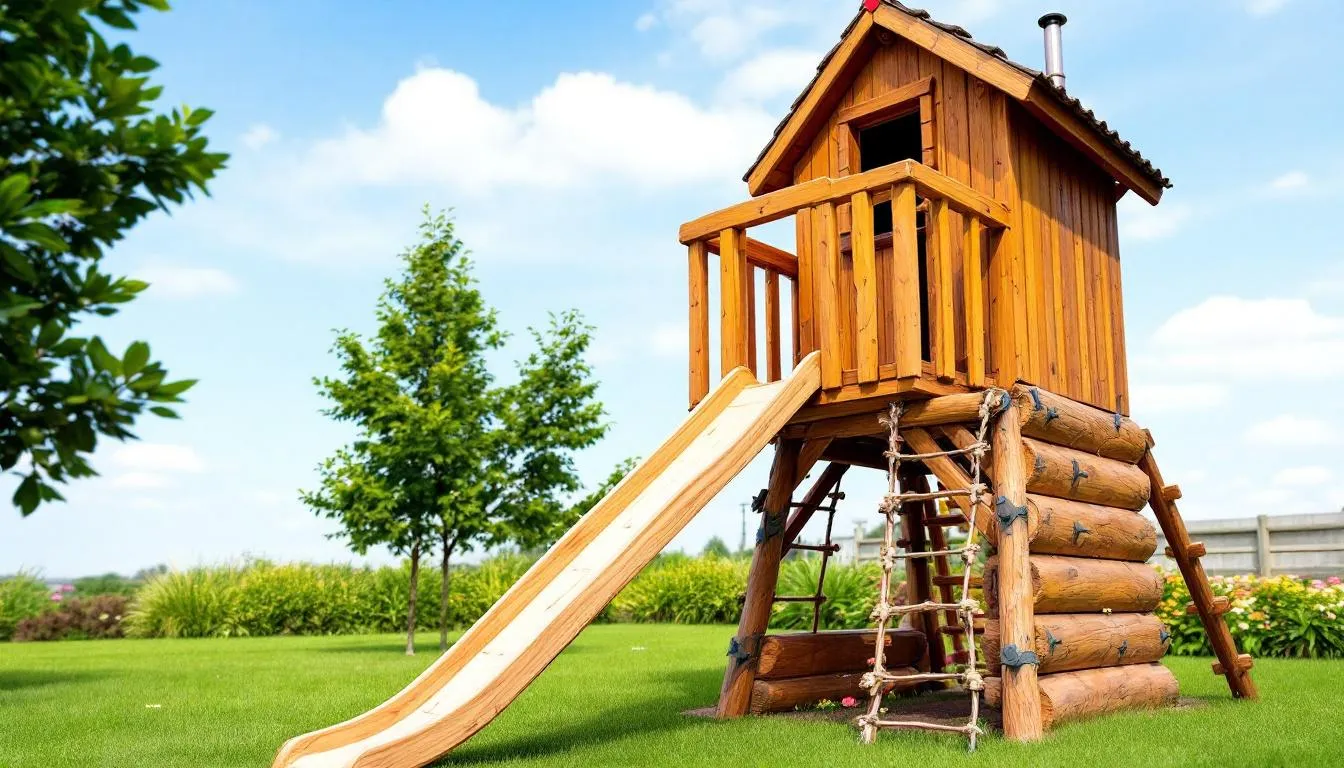
Tower playhouses take outdoor fun to new heights – literally. These elevated structures stand 4-6 feet high on stilts or raised platforms, incorporating slides, ladders, climbing walls, or swings to create comprehensive adventure playground experiences.
The elevated design maximizes play value within a given footprint by utilizing vertical space effectively. Ground-level areas beneath tower playhouses can accommodate sandboxes, additional storage, or simply provide shaded play zones during hot weather.
Adventure features might include monkey bars, rope ladders, telescope accessories, or ship-themed decorations that transform the structure into pirate vessels or castle towers. These elements significantly extend the play appeal and physical challenge level.
Tower playhouses require larger garden spaces – typically 8×10 feet minimum – to ensure safe assembly and adequate clearance around slides and swings. They’re most suitable for children aged 5-12 years, with younger children requiring adult supervision until they develop sufficient coordination and confidence.
The investment range typically spans £600-£1200, reflecting the additional materials and complexity involved in elevated construction. However, the extended age range and enhanced play value often justify the higher cost for active families.
Two-Story Wooden Playhouses
Two-story designs like the Peardrop range offer the ultimate in play space and imagination possibilities. These multi-level structures provide separate zones for different activities, with ground floor and loft areas totaling 40-60 square feet of usable play space. Two-storey wooden playhouses provide additional space for imaginative play and can include features like internal bunks.
The vertical design naturally encourages imaginative scenarios involving upstairs and downstairs living, creating opportunities for more complex role-playing games. Children can designate different floors for specific purposes – perhaps a shop downstairs and living quarters upstairs, or separate areas for different types of play.
Interior access between levels typically involves sturdy ladders or stairs, adding physical challenges that help develop motor skills and confidence. Some models include interior windows or openings that allow interaction between floor levels.
These premium playhouses represent the highest investment category, ranging from £800-£1500 depending on size and features. However, they offer the longest usage lifespan, often remaining relevant and engaging for children well into their teenage years.
The main considerations include higher assembly complexity, increased garden space requirements, and potential planning considerations if overall height exceeds standard residential limits. For those evaluating powered shed options, these factors are particularly important to keep in mind.
Safety and Quality Considerations
Safety represents the paramount concern when selecting any children’s outdoor play equipment. Understanding quality indicators and safety standards helps ensure your wooden playhouse provides years of secure enjoyment for your family. Reputable manufacturers design wooden playhouses to meet strict safety standards like European EN71 or ASTM standards in the US.
Construction Materials and Standards
Quality wooden playhouses must meet EN71 toy safety certification requirements, which establish comprehensive testing standards for materials, structural integrity, and child-specific safety considerations. This certification ensures toxic substance compliance and eliminates potential hazard points.
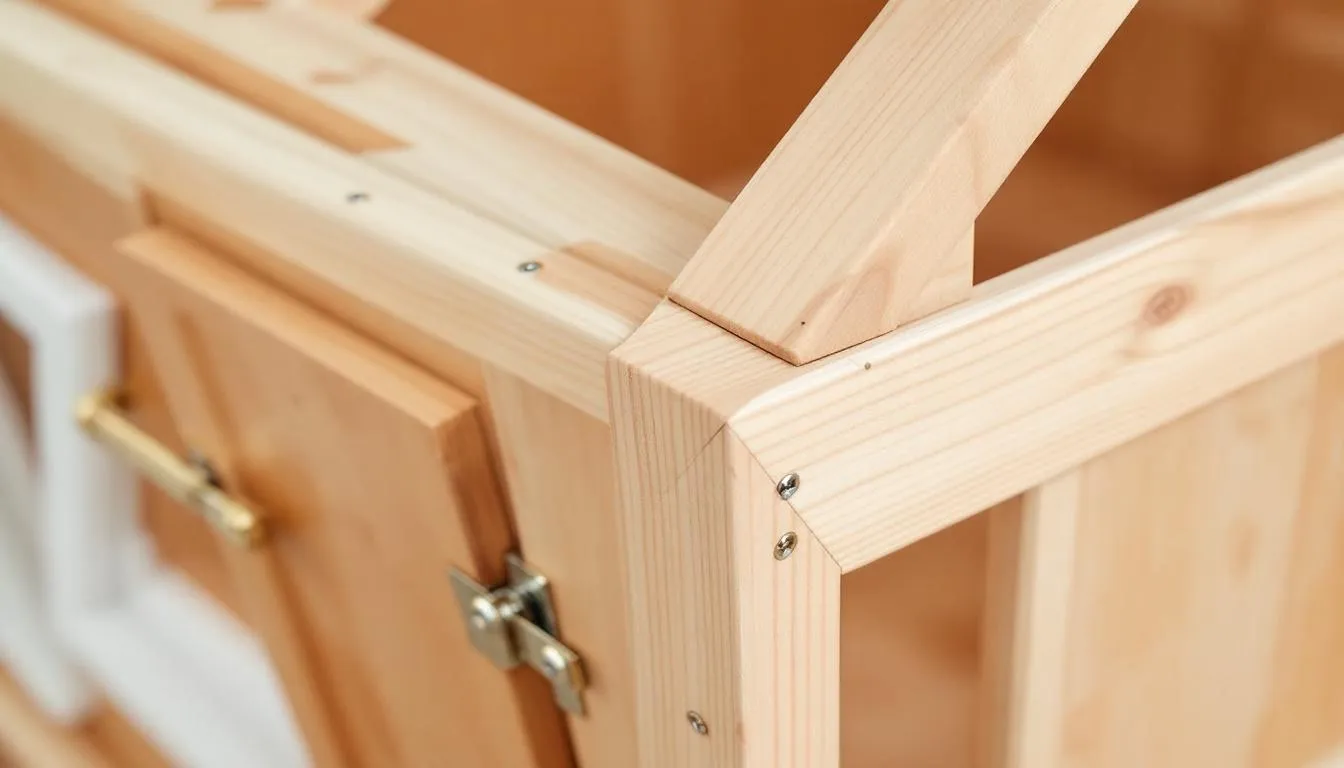
High quality european timber specifications typically feature tongue and groove construction panels that provide superior weather resistance and structural stability. The interlocking design prevents gaps that could trap fingers while creating stronger overall construction than simple butt joints.
Window materials deserve special attention – quality playhouses use shatterproof styrene rather than glass, providing UV protection and eliminating injury risks from broken glass. These transparent panels maintain visibility while ensuring safe operation by children of all ages. Opening windows in wooden playhouses enhance ventilation, and double doors facilitate easy access and movement of toys.
All edges should be rounded and surfaces finished to eliminate splinters or rough areas. Galvanized hardware resists rust and weather corrosion, maintaining structural integrity over years of exposure to outdoor conditions. Look for stainless steel hinges, latches, and fasteners that won’t deteriorate or become safety hazards.
Warranty and Durability Features
Industry-standard warranties typically include 10-year anti-rot guarantees covering structural timber components. This coverage reflects manufacturer confidence in their treatment processes and material quality, providing valuable protection for your investment.
Pressure treated wood protection guards against insects, mold, and decay through deep penetration treatment processes. This differs significantly from surface-only treatments that may wear away over time, exposing untreated wood to deterioration.
Quality indicators include shiplap cladding thickness of at least 12mm, providing adequate structural strength and weather resistance. Thinner materials may warp, crack, or fail prematurely under outdoor stresses.
Weight specifications offer another quality indicator – robust playhouses typically weigh 150-300kg when fully assembled, reflecting solid timber construction and generous material specifications that ensure stability and longevity.
Installation and Setup Guide
Proper installation forms the foundation for years of safe, enjoyable playhouse use. Understanding the process helps families prepare adequately and avoid common mistakes that could compromise safety or durability.
Foundation Requirements
A level, stable base represents the most critical aspect of playhouse installation. Placing structures directly on grass creates drainage problems, promotes rot, and compromises structural integrity over time. Professional installation typically requires concrete slabs, paving stones, or timber deck foundations.
Concrete pad installation provides the most durable foundation option, typically costing £200-£500 depending on playhouse size and local labor rates. The permanent nature makes it suitable for families planning long-term installations in fixed locations.
Paving stone foundations offer excellent drainage while remaining relatively affordable and adjustable. This option works well for families who might relocate or modify their garden layout over time, as stones can be repositioned if necessary.
Proper drainage requires minimum 2-inch slopes away from playhouse foundations to prevent water accumulation around structural elements. Poor drainage accelerates rot and creates muddy conditions that reduce play appeal during wet weather.
The foundation area should extend at least 6 inches beyond the playhouse footprint on all sides, providing adequate support and workspace during assembly. This extra space also improves maintenance access and prevents foundation settling issues.
Planning Permission Guidelines
Most residential installations require no planning permission for standard playhouses under 2.5 meters height, falling under permitted development rights in typical residential zones. However, it is important to confirm planning permission requirements with your local planning authority before installing a playhouse.
Conservation areas and listed properties often have additional restrictions governing new structures, even temporary ones. Property owners should verify local requirements before installation to avoid potential compliance issues.
Elevated tower playhouses may trigger height restrictions or neighbor consultation requirements, particularly in densely populated areas where structures might impact adjacent property enjoyment or privacy.
Properties with restrictive covenants, homeowner association agreements, or unusual zoning designations may have specific limitations on outdoor structures. Reviewing property documents before purchase prevents costly compliance problems after installation.
When in doubt, contacting your local planning authority provides definitive guidance for your specific situation and location. Most councils offer pre-application advice services that clarify requirements before formal submissions become necessary.
Customization and Decoration Ideas
One of the greatest advantages of wooden playhouses lies in their endless customization possibilities. Unlike plastic alternatives, wood accepts paint, stain, and modifications that allow families to create truly unique play environments.
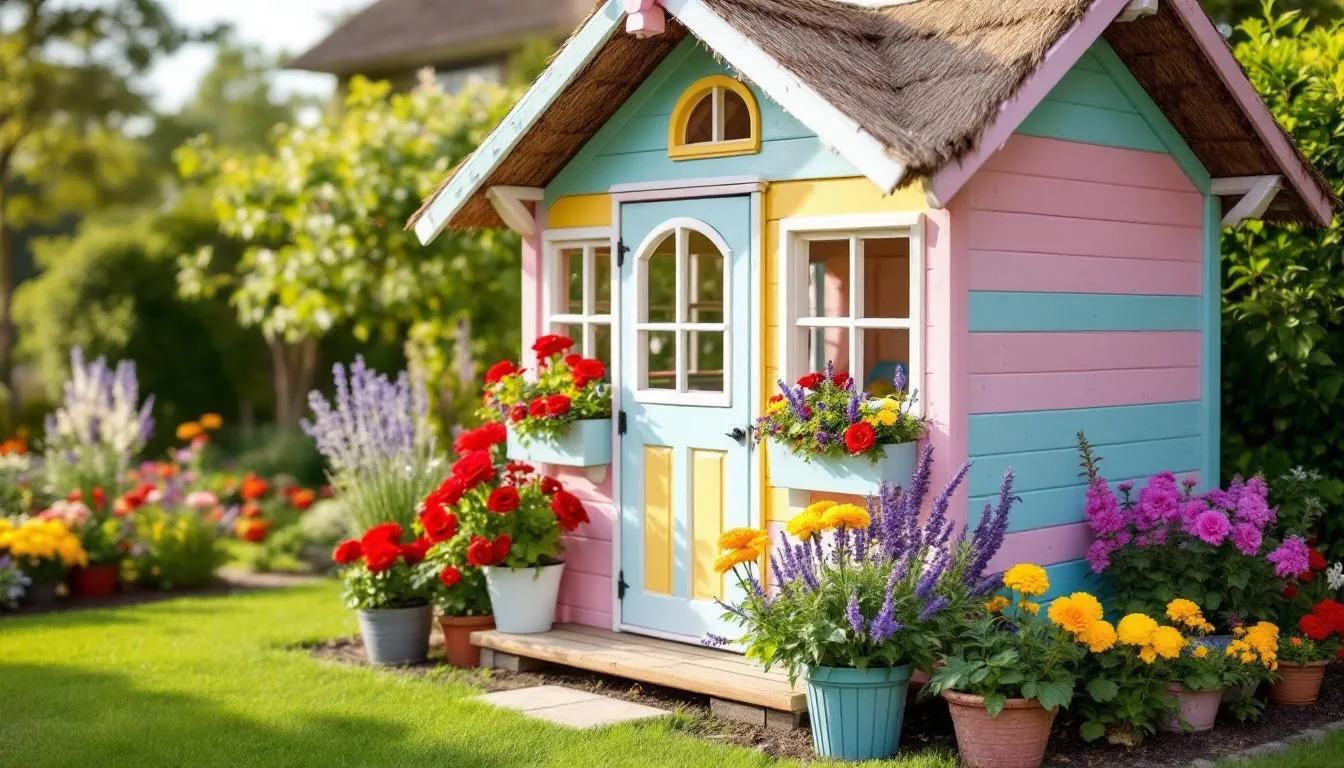
Popular decoration themes include princess palaces with pastel colors and fairy lights, pirate ships with nautical accessories and rope details, and fairy cottages with flower boxes and whimsical decorations. Each theme can be achieved through carefully selected paint colors and accessories.
Paint selection requires child-safe exterior wood stains and paints specifically designed for outdoor use. Water-based options typically offer lower VOC emissions while providing excellent coverage and durability. Bright, cheerful colors work particularly well for maintaining visual appeal across seasons.
Interior accessories can transform basic playhouse shells into elaborate play environments. Battery-powered LED lighting provides safe illumination for evening play, while weather-resistant rugs and furniture create comfortable interior spaces. Simple additions like shelving, hooks, and window boxes significantly enhance play value.
Seasonal decoration opportunities include Christmas lights and garlands, Halloween spider webs and pumpkins, and summer bunting and wind chimes. These rotating decorations maintain novelty and excitement throughout the year while creating new photo opportunities.
Budget-friendly DIY projects typically cost under £100 for complete makeovers. Simple techniques like stenciling, chalkboard paint panels, or flower planting can dramatically transform appearance without requiring significant skills or investment.
Maintenance and Care
Proper maintenance ensures wooden playhouses provide decades of safe, attractive service while protecting your investment from premature deterioration. Understanding maintenance requirements helps families budget time and resources appropriately.
Annual maintenance schedules should include comprehensive inspections of all structural elements, cleaning of surfaces and hardware, and application of protective treatments as needed. Spring represents the ideal time for major maintenance activities before peak play season begins.
Wood treatment products require application every 2-3 years to maintain weather protection and appearance. Quality wood preservatives and stains typically cost £30-£50 annually depending on playhouse size and product selection. This investment prevents much more expensive replacement or repair costs.
Seasonal care includes winter preparation activities like clearing debris from drainage areas and checking for loose hardware after storm seasons. Spring restoration might involve touch-up painting, hinge lubrication, and replacing any worn accessories or safety features.
Common repair issues include hinge wear, door alignment problems, and localized weathering of exposed timber surfaces. Most issues can be addressed with basic tools and materials, making maintenance manageable for typical homeowners.
Regular inspection helps identify potential problems before they become serious. Look for signs of rot, loose fasteners, sharp edges, or structural movement that could indicate foundation settling or hardware failure.
Winter storage of removable accessories and toys prevents deterioration and extends their useful life. Indoor storage also eliminates potential safety hazards from items left in freezing conditions.
FAQ
What age range are wooden playhouses suitable for?
Most wooden playhouses are designed for children aged 3-12 years, with smaller models suitable for toddlers 18 months+ under supervision. Tower playhouses with climbing features typically require children to be 5+ years old for safe independent play. The durability of quality wooden construction means playhouses often serve multiple children across many years.
How much space do I need in my garden for a wooden playhouse?
Allow the playhouse dimensions plus an additional 3 feet on all sides for safe assembly and maintenance access. A 6×4 feet playhouse needs approximately 12×10 feet of garden space including foundation area. Tower playhouses with slides require additional clearance zones to ensure safe play areas around moving elements.
Can I assemble a wooden playhouse myself or do I need professional installation?
Most wooden playhouses come with detailed instructions for DIY assembly requiring basic tools and 2 adults working 4-8 hours. Professional installation services are available for £200-£400 but aren’t typically necessary for standard models. The main challenges involve foundation preparation and ensuring structural squareness during assembly.
What’s the difference between pressure-treated and dip-treated wooden playhouses?
Pressure treated timber has preservatives forced deep into the wood under pressure, providing 10+ years protection without additional treatment. Dip-treated wood receives surface protection only and requires annual re-treatment with wood preservative to prevent rot. The pressure treatment process costs more initially but reduces long-term maintenance requirements significantly.
Do wooden playhouses attract insects or rodents?
Quality wooden playhouses treated with proper preservatives actually repel most insects and rodents. Ensure proper ventilation, avoid storing food items inside, and maintain the structure to prevent pest issues. Regular inspection helps identify any potential problems early, and the elevated design of many playhouses naturally discourages ground-dwelling pests from establishing residence.
