

Small Shed: Complete Guide to Choosing the Perfect Compact Garden Storage Key Takeaways
Garden clutter-free living starts with choosing the right compact storage solution for your outdoor space. Whether you’re dealing with scattered garden tools, bikes taking up valuable space, or outdoor toys that need protecting from the elements, a small shed can transform your garden organization while maintaining the aesthetic appeal of your outdoor area.
Small sheds have become increasingly popular for homeowners seeking practical storage solutions without overwhelming their garden space. These compact garden buildings perfectly balance functionality and space efficiency, making them a good choice for reliable outdoor storage. They are ideal for urban properties, smaller gardens, and budget-conscious homeowners who want to create organized outdoor storage.
This comprehensive guide will walk you through everything you need to know about choosing, installing, and maintaining the perfect small shed for your needs. Many small sheds are carefully crafted to ensure durability and quality, giving you peace of mind that your belongings are protected. From understanding different materials and sizes to essential features and installation requirements, you’ll have all the information needed to make an informed decision that suits your space, budget, and storage requirements.
Introduction to Garden Sheds
garden sheds have long been popular for homeowners seeking to create a clutter-free outdoor space. These versatile buildings offer a secure and convenient place to store everything from garden tools and gardening equipment to outdoor toys, bikes, and lawnmowers. With a wide range of shed sizes available—from compact small sheds perfect for tucking away essentials, to large sheds designed for storing bulkier items—there’s a garden shed to suit every outdoor space and storage need.
One of the most significant advantages of garden sheds is their ability to keep your garden organized and your belongings protected from the elements. Whether you opt for a traditional wooden shed with classic charm or a modern plastic shed that offers a low maintenance and weather resistant solution, you’ll find plenty of options to match your style and budget. Plastic sheds are popular for those who want a durable, affordable option that stands up to the elements with minimal upkeep. In contrast, wooden sheds remain a favorite for their sturdy construction and timeless appeal.
When choosing a garden shed, it’s essential to consider the size and key features that will make it both functional and long-lasting. Look for sheds with double doors for easy access, solid base construction for stability, and secure doors and windows to keep your equipment safe. The right combination of roof, floor, and wall materials will ensure your shed is both weather-resistant and built for longevity, while a range of styles—from traditional to modern—means you can create an outdoor space that truly reflects your taste.
In the UK, garden sheds are a familiar sight in gardens of all shapes and sizes, and with so many materials, styles, and features to choose from, it’s easy to find a shed that fits your needs. Whether you’re storing tools, bikes, or outdoor toys, a well-chosen shed will help you keep your garden organized, secure, and looking its best for years. Before deciding, review the options, check for quality and security features, and consider how your new shed will enhance your outdoor space.
Ready to transform your garden and enjoy the benefits of a clutter-free, organized outdoor area? Explore the wide range of garden sheds available today—from small sheds for compact spaces to larger sheds for all your storage needs—and discover how the right shed can make your garden more functional, stylish, and enjoyable.
Understanding Small Sheds
A small shed is a compact garden building typically measuring under 80 square feet in floor area. These versatile structures serve as essential outdoor storage solutions, designed to keep gardening equipment, tools, and accessories organized and protected from weather conditions.
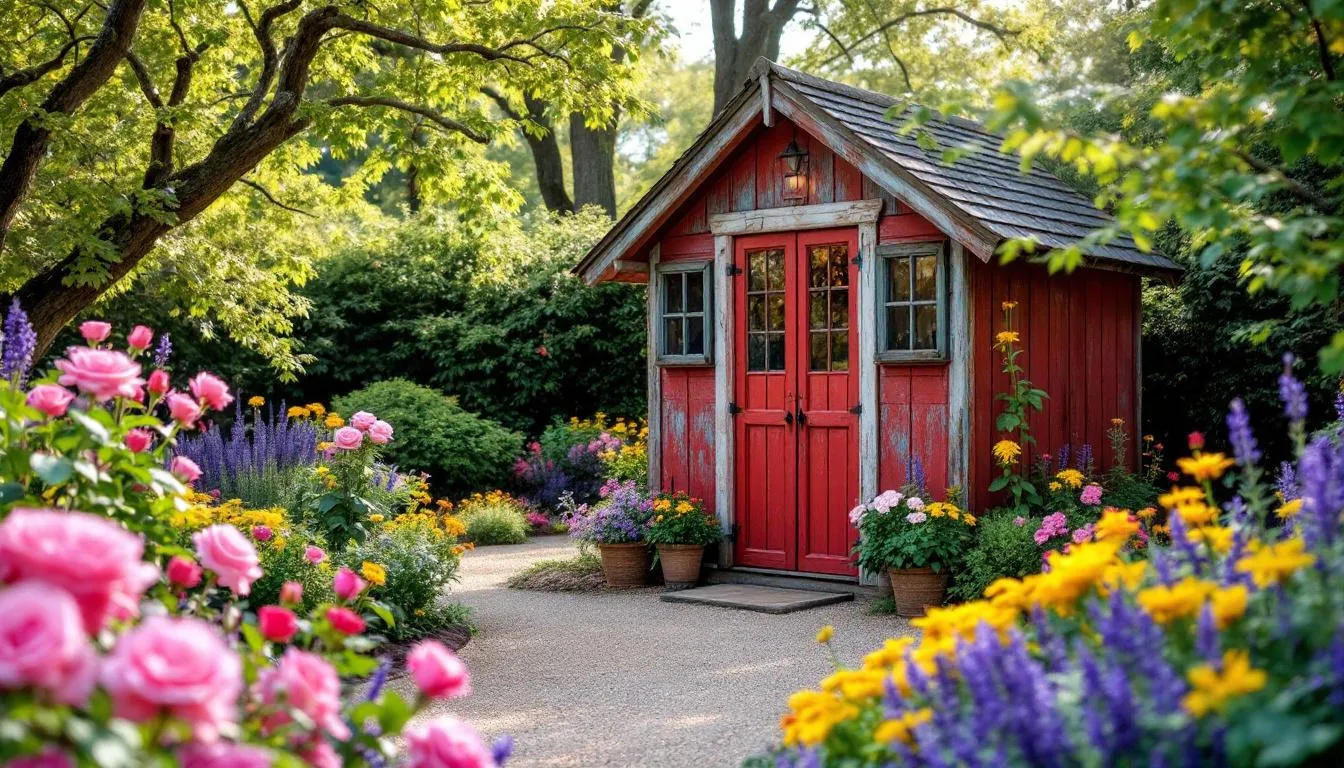
Standard dimensions for small sheds include popular sizes like 4x4ft, 6x4ft, 6x6ft, and 8x6ft options. These measurements represent the most practical choices for homeowners who need adequate storage without sacrificing significant garden space. The compact nature of these buildings makes them suitable for installation in corners, against fences, or in narrow spaces between existing structures.
The primary uses for small sheds extend beyond simple storage. While storing garden tools, lawnmowers, and bikes remains the most common application, many homeowners use these buildings to organize outdoor toys, secure equipment like pressure washers, and create dedicated spaces for gardening supplies. Wall-mounted pegboards and hooks can efficiently store small tools and supplies, maximizing the shed’s utility. Some even create small workshop areas for potting plants or basic maintenance tasks.
Benefits for small gardens, urban spaces, and budget-conscious homeowners are significant. Small sheds require minimal ground space while maximizing storage capacity through vertical organization and clever design. They offer an affordable option compared to larger sheds or purpose-built storage rooms, making them accessible to more homeowners. Additionally, most small sheds fall within permitted development rights, meaning no planning permission is typically required for structures under 2.5m in height. Allowing for about 1-2 feet of clearance around the shed ensures easy maintenance and cleaning access.
Compared to larger shed alternatives, smaller sheds offer space-saving advantages, including easier integration into existing garden layouts, reduced visual impact on outdoor space, and lower installation costs. Smaller sheds can fit into spaces where larger sheds would be impractical, allowing homeowners to maintain more garden area for plants, seating, or recreational use while still gaining valuable storage capacity.
Garden Shed Designs and Styles
Garden shed designs and styles have come a long way, offering homeowners a wide range of options to suit every taste and outdoor space. Whether you prefer the timeless charm of a traditional wooden garden shed or the sleek, modern look of a plastic shed, there’s a style to complement your garden and meet your storage needs. Wooden sheds remain a classic choice, blending seamlessly with natural surroundings and providing a warm, inviting feel to any garden building. These sheds can be easily customized with paint, stain, or decorative touches to match your existing garden style, with a wide variety of colour options available to personalize your shed and enhance its aesthetic appeal.
Plastic sheds are a popular choice for those seeking a low-maintenance and weather-resistant solution. They offer a modern appearance and are available in various colours and finishes, some even mimicking the look of timber. Plastic sheds are especially well-suited to busy lifestyles, as they require minimal upkeep and stand up well to the elements.
When selecting a garden shed design, consider practical features such as double doors for easy access to larger gardening equipment, or a single door for a more compact footprint. Windows can add natural light and enhance the overall style. At the same time, different roof types—like apex for a traditional silhouette or pent for a contemporary edge—can help your shed suit the character of your outdoor space. Ultimately, the right combination of material, doors, windows, and roof style will ensure your shed is functional and visually appealing, helping you keep your garden clutter-free and your equipment protected in style.
Types of Small Shed Materials
Wooden Small Sheds
Traditional timber construction using pressure-treated softwood or hardwood forms the foundation of classic shed design. Wood remains a popular choice due to its natural appearance, structural strength, and ability to blend seamlessly with garden environments. Quality wooden sheds typically use 12mm or 15mm tongue-and-groove cladding with sturdy frame construction designed to withstand weather conditions while maintaining stability. Some wooden sheds are clad in shiplap for added strength and stability, enhancing their durability and resistance to the elements.
Classic aesthetic appeal that complements most garden styles makes wooden sheds highly desirable for homeowners prioritizing visual harmony. The natural material weathers beautifully over time, developing character while maintaining structural integrity. Wooden sheds suit traditional cottage gardens, modern landscaping, and everything in between, offering timeless appeal that rarely looks out of place.
Customization options for paint, stain, and structural modifications provide flexibility that other materials cannot match. Homeowners can opt for natural wood finishes, colorful paint schemes, or protective stains that enhance the wood’s natural grain. Additional modifications like extra windows, different door configurations, or custom shelving systems are easily accomplished with wooden construction.
Regular maintenance requirements, including annual treatment and inspection, are essential for maximizing wooden shed longevity. This involves applying wood preservative annually, checking for signs of rot or insect damage, and ensuring proper ventilation to prevent damp conditions. While this represents an ongoing commitment, proper maintenance can extend a wooden shed’s lifespan to 10-15 years or more.
Price range and longevity expectations for wooden sheds typically fall in the mid-range category. Quality structures cost more initially than plastic alternatives but less than premium metal options. The investment proves worthwhile for homeowners who value traditional aesthetics and don’t mind regular maintenance schedules.
Plastic and Resin Small Sheds
Modern polypropylene and resin construction for weather resistance represents a significant advancement in shed technology. These materials are engineered to withstand UV radiation, temperature fluctuations, and moisture without degrading. High-quality plastic sheds use double-wall construction with internal reinforcement, providing surprising strength and durability despite their lightweight nature.
Zero maintenance benefits with UV protection and fade resistance make plastic sheds increasingly attractive to busy homeowners. Once installed, these structures require only occasional cleaning with water and mild detergent. No painting, staining, or wood treatment is necessary, and the materials won’t rot, rust, or attract insects. While this low-maintenance approach appeals to those seeking practical storage solutions without ongoing time commitments, some homeowners may prefer the traditional look, feel, and durability of a pressure-treated wooden shed for their garden.
Wood-look designs that mimic traditional timber appearance address aesthetic concerns that previously limited plastic shed adoption. Modern manufacturing techniques create realistic wood grain textures and natural color variations that resemble real timber. Resin sheds, in particular, offer the aesthetic of wood while being more durable and requiring less maintenance. Many plastic sheds now provide the visual appeal of wood without the associated maintenance requirements.
Lightweight assembly with interlocking panel systems makes it easy to assemble plastic sheds for convenient garden storage. Components typically snap or bolt together without requiring specialized tools or professional installation. This ease of assembly reduces overall project costs and allows quicker installation than traditional wooden construction.
Eco-friendly options using recycled materials appeal to environmentally conscious consumers. Many manufacturers now produce sheds from recycled plastic waste, contributing to sustainability while delivering durable storage solutions. These products often carry extended warranties, reflecting the manufacturer’s confidence in their longevity.
Metal Small Sheds
Galvanized steel construction for maximum security and durability provides unmatched protection for valuable equipment and tools. Metal sheds offer superior resistance to break-in attempts, making them ideal for storing expensive lawnmowers, power tools, or bikes. The steel construction can withstand extreme weather conditions, including high winds and heavy snow loads that might damage other materials.
Fire-resistant properties and pest-proof characteristics make metal sheds suitable for storing flammable materials like fuel, oils, and chemicals that require secure storage away from living spaces. The non-organic material prevents pest infestation and doesn’t provide food sources for insects or rodents, maintaining a clean storage environment.
Slim profile designs for narrow garden spaces maximize storage capacity in confined areas. Metal panels can be thinner than wooden equivalents while maintaining structural strength, allowing for more internal storage space within the same external footprint. This efficiency makes metal sheds particularly valuable in urban gardens where space is at a premium.
Ventilation considerations to prevent condensation issues require careful planning during installation. Metal surfaces can encourage condensation formation, potentially causing moisture problems for stored items. Proper ventilation systems, including ridge vents and air gaps, are essential for maintaining dry internal conditions.
Cost-effectiveness for long-term storage solutions makes metal sheds attractive despite higher initial costs. While the upfront investment may exceed plastic alternatives, the durability and security features often justify the expense for homeowners storing valuable equipment or requiring maximum security.
Choosing the Right Small Shed Size
Measuring your available garden space accurately before purchasing prevents installation problems and ensures optimal placement. Use a tape measure to determine the shed footprint and clearance space for doors, maintenance access, and any planning restrictions. Consider overhead obstacles like tree branches, power lines, or building overhangs that might affect shed placement or height restrictions.
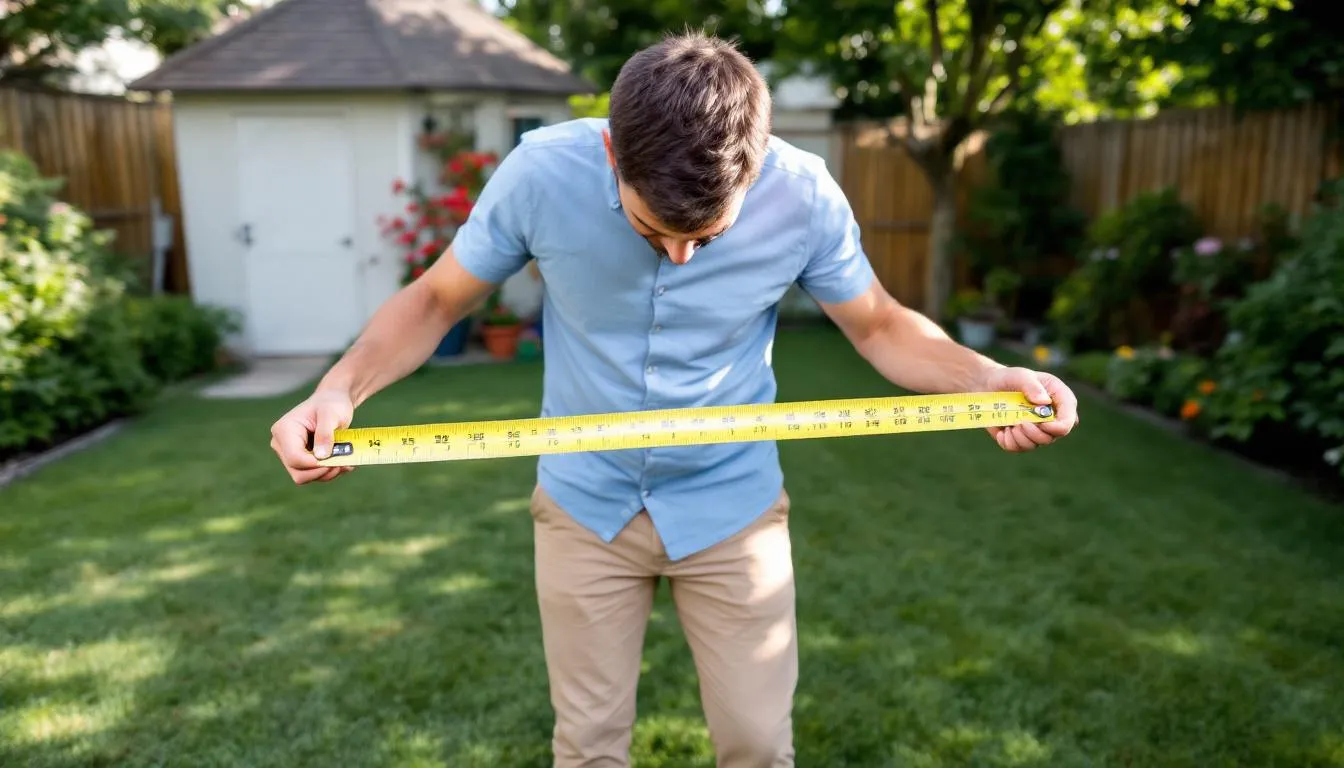
4x4ft sheds for basic tool storage and small garden implements suit homeowners with minimal storage needs and limited space. These compact units can accommodate essential garden tools, small equipment, and seasonal items while occupying minimal ground area. Proper organization with hooks, shelves, and wall-mounted storage can maximize their utility despite their size.
6x4ft sheds accommodating bikes, lawnmowers, and medium equipment are the most popular size category for average gardens. This size provides enough floor space for larger items while maintaining manageable proportions for most garden layouts. The additional space allows for better organization and easier access to stored items. For those with more extensive storage needs, a 6×8 shed is suitable for lawn tools, while a 10×12 shed can accommodate larger equipment like a riding mower.
8x6ft options, which provide workshop space and extensive storage capacity, suit homeowners with larger gardens and more diverse storage needs. These sheds can accommodate workbenches and extensive tool collections and even serve dual purposes as storage and hobby spaces. The increased size allows for human access and comfortable working conditions inside the building.
Planning permission requirements for sheds under 2.5m height generally fall within permitted development rights, meaning no formal planning approval is needed. However, homeowners should verify local restrictions, conservation area rules, and any covenant limitations that might affect shed installation. Some areas have specific requirements regarding shed placement, materials, or maximum coverage of garden space.
Essential Small Shed Features
Doors and Access
Single vs double door configurations for different storage needs significantly impact shed functionality and convenience. A single door provides adequate access for most storage applications while maintaining structural strength and weather resistance. Double doors offer wider access for larger equipment like lawnmowers, bikes, or workbenches, making loading and unloading more convenient.
Security features, including pad bolts, locks, and reinforced hinges, protect valuable stored items from theft. Quality sheds include robust locking mechanisms, reinforced door frames, and security hinges that resist tampering. Consider upgrading basic locks to high-security options for expensive equipment storage.
Door width considerations for equipment access require planning based on your largest stored items. Measure lawnmowers, bikes, and other equipment to ensure comfortable passage through chosen door configurations. Standard doors are typically 24-30 inches wide, while double doors can provide openings up to 48 inches or more. Choosing the location for doors and windows can also be customized according to personal requirements, ensuring optimal functionality and convenience.
Weather sealing and draft protection options maintain internal conditions and protect stored items from moisture infiltration. Quality door seals, weather strips, and proper fitting prevent rain, snow, and wind from entering the shed. This protection is vital for metal tools, electronics, or moisture-sensitive materials.
Windows and Lighting
Natural light benefits from polycarbonate or safety glass windows improve usability for workshops or frequent access situations. Windows allow natural illumination, reducing the need for artificial lighting and making it easier to locate stored items. They also provide ventilation opportunities and make the space feel less confined.
Positioning windows for optimal light without compromising security requires balancing illumination needs with protection concerns. Windows should provide adequate light for intended uses while not creating obvious viewing opportunities for potential thieves. Consider frosted or positioned windows that provide light without revealing valuable contents.
The ventilation benefits of opening window options help prevent condensation and maintain air circulation. Proper ventilation prevents moisture buildup that can damage stored items and create unpleasant odors. Opening windows allows for natural air exchange, particularly important in plastic and metal sheds that may be more prone to condensation.
Alternative lighting solutions for windowless sheds include battery-powered LED systems, solar lighting, or low-voltage electrical installations. These options extend usability into evening hours and improve safety when accessing stored items in low-light conditions.
Roofing Options
Apex roofs, with their maximum internal height and traditional appearance, remain the most popular choice for small sheds. The peaked design efficiently sheds water while maximizing internal headroom, making the space more comfortable for human access. This traditional style complements most garden aesthetics and architectural styles.
Pent roofs offer modern aesthetics and easy water runoff, suiting contemporary gardens and spaces with height restrictions. The single-slope design provides excellent drainage while maintaining a lower profile than apex alternatives. This style works particularly well for sheds positioned against walls or fences.
Felt, metal, or shingle roofing materials and their durability vary significantly in cost, appearance, and longevity. Felt roofing provides economical weather protection but requires periodic replacement. Metal roofing offers superior durability and weather resistance but may cost more initially. Shingle systems provide excellent weather protection with an attractive appearance but represent the highest initial investment.
Guttering options for water management and foundation protection help preserve shed longevity and surrounding garden areas. Proper water management prevents foundation erosion, reduces splash-back damage to shed walls, and can direct rainwater to garden areas or collection systems for irrigation use.
Small Shed Installation and Base Requirements
Importance of level, solid foundations for structural integrity cannot be overstated in shed installation success. A proper solid base prevents structural settling, door and window misalignment, and moisture penetration that can damage shed contents and structure. The foundation represents the most critical aspect of shed installation, affecting long-term performance and durability.
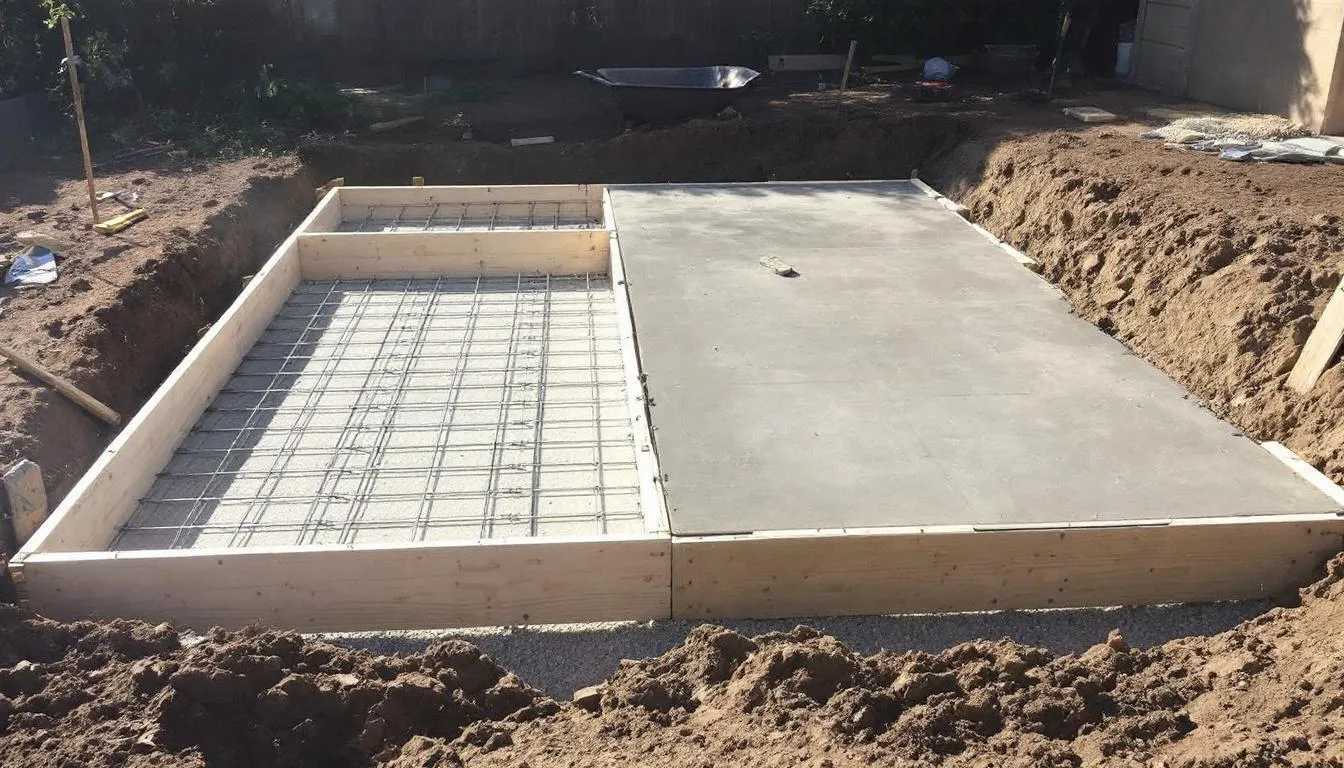
Concrete slab bases providing permanent, stable support offer the most robust foundation option for valuable equipment storage or heavy-use applications. A properly poured concrete base offers excellent stability, moisture protection, and longevity. While more expensive initially, concrete bases often prove cost-effective for permanent installations or valuable equipment protection.
Paving slab alternatives for easier installation and removal suit temporary installations or rental properties where permanent alterations aren’t desired. Quality paving slabs on a properly prepared sand bed provide excellent stability while allowing for future removal or relocation. This approach balances stability with flexibility.
Gravel and timber frame bases for budget-conscious installations offer acceptable performance for lighter sheds and temporary storage needs. Pressure-treated timber frames on compacted gravel provide adequate support while minimizing costs and installation complexity. This approach works well for plastic sheds and basic storage applications.
Drainage considerations and French drain installation around the perimeter prevent water accumulation that can undermine foundations and create moisture problems. Proper drainage protects both the shed structure and stored contents while preventing erosion around the foundation. This is particularly important in areas with heavy rainfall or poor natural drainage.
Time and complexity for professional installation vs. DIY assembly vary significantly between shed types and homeowner skill levels. While many small sheds are designed for DIY installation, professional installation ensures proper foundation preparation, level assembly, and weatherproofing. Consider professional installation for valuable storage needs or if you lack the necessary tools and experience.
Shed Security and Safety
Ensuring your garden shed is secure and safe is essential for protecting your gardening equipment, outdoor toys, and other valuables. Start with a solid base to provide stability and prevent movement, which is crucial for your shed’s security and longevity. Opt for sturdy, weather-resistant materials to guard against rot, damp, and the effects of the elements, helping your shed stand strong year after year.
When it comes to doors, both single-door and double-door doors can be secured with quality locks or padlocks, adding an extra layer of protection. Double doors are beneficial for moving larger items in and out, but ensure they are correctly aligned and fitted with robust hinges to prevent forced entry. Consider installing an alarm or motion-activated lighting around your garden building for added peace of mind.
Regular maintenance is also key to shed security and safety. Inspect your shed for any wear, gaps, or damage that could compromise its structure or allow dampness to enter. Addressing these issues promptly will help keep your shed sturdy and stored items safe. If you’re unsure about installation or security upgrades, don’t hesitate to seek advice from a professional. By prioritizing these safety measures, you can enjoy a secure, well-protected space for storing everything from tools to toys, ensuring your garden remains organized and your belongings are safeguarded.
Maintenance and Care Tips
Annual inspection schedule for structural integrity and weather damage helps identify problems before they become serious issues. Regular inspections should include checking for loose fasteners, damaged panels, roof integrity, and door/window operation. Early detection allows for simple repairs that prevent more expensive problems later.
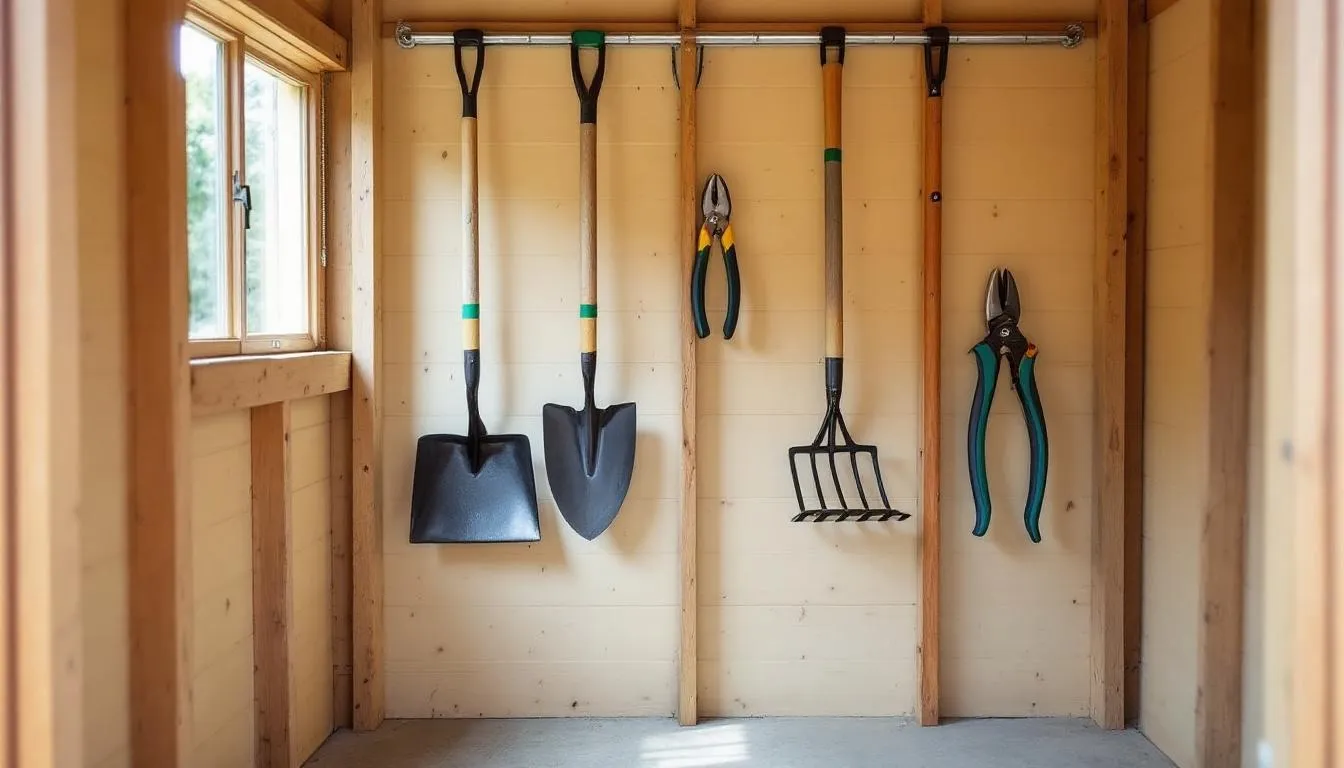
Wooden shed treatment schedules using preservatives and protective stains maintain appearance and significantly extend lifespan. Annual application of wood preservative protects against rot, insect damage, and weather deterioration. Proper treatment can double or triple the lifespan of wooden sheds, making the maintenance investment worthwhile.
Cleaning procedures for plastic and metal sheds, which maintain their appearance, require minimal effort but provide significant benefits. Regular washing with mild detergent removes dirt, algae, and staining that can affect their appearance and potentially cause long-term damage. Clean sheds also offer more pleasant working environments and better protection for stored items.
Pest prevention strategies, including sealing gaps and proper storage, prevent infestations that can damage stored items and the shed structure. Regular inspection for entry points, proper food storage, and maintaining clean, dry conditions discourages pest establishment. Address any gaps or openings promptly to prevent small problems from becoming major infestations.
Seasonal preparation, including winter weatherproofing and summer ventilation, optimizes shed performance year-round. Winter preparation involves checking weather sealing, ensuring proper drainage, and securing any loose components. Summer maintenance focuses on ventilation, preventing overheating, and checking for storm damage.
Common repair issues and DIY solutions for extending the shed’s lifespan include addressing loose panels, replacing worn weather sealing, and maintaining hardware. Most small shed repairs can be accomplished with basic tools and materials, making maintenance cost-effective and straightforward for typical homeowners.
The key to successful small shed ownership is matching your needs with the appropriate size, material, and features while committing to proper installation and regular maintenance. Whether you opt for traditional wooden construction, low-maintenance plastic, or secure metal options, the right small shed will serve your storage needs reliably for many years when properly chosen and maintained. Insulating a shed’s walls, floor, and ceiling can enhance comfort for year-round usage, making it a more versatile addition to your outdoor space.
FAQ
Do I need planning permission for a small shed under 8x6ft? Generally, no planning permission is required for sheds under 2.5m height and within permitted development rights. However, check local council guidelines and any conservation area restrictions that might apply to your property.
How long do small plastic sheds last compared to wooden ones? Quality plastic sheds can last 15-20 years with zero maintenance, while wooden sheds last 10-15 years with proper annual treatment. However, wooden sheds can be repaired and renovated more easily, extending their lifespan beyond plastic alternatives.
Can I install a small shed directly on grass? It is not recommended, as grass provides an unstable foundation that can lead to structural problems, moisture issues, and uneven settling. Use a solid base like concrete, paving slabs, or gravel with a timber frame for proper support and longevity.
What’s the best small shed material for coastal areas? Plastic or galvanized metal sheds perform best in coastal environments due to superior salt air and moisture resistance compared to wooden alternatives. The corrosive nature of salt air can significantly reduce a wooden shed without extensive maintenance.
How much clearance space do I need around a small shed? Allow a minimum of 2 feet of clearance on all sides for maintenance access, with additional space for door opening and ventilation requirements. Consider neighbor boundaries, fence lines, and local building regulation setback requirements when planning placement.
Conclusion and Final Thoughts
Choosing the perfect garden shed is all about finding the right balance between size, style, material, and security to suit your unique outdoor space. With a wide range of shed sizes available—from compact small sheds ideal for basic storage to large sheds designed for extensive gardening equipment and outdoor toys—there’s a solution for every garden and every need. Plastic sheds offer a low-maintenance and affordable option, making them an excellent choice for those seeking convenience and durability. In contrast, traditional wooden sheds provide a classic, sturdy, and timeless appeal.
Remember to consider the practical aspects of storing your equipment and keeping your garden clutter-free, as well as the overall look and feel you want to create in your outdoor space. Prioritizing security and regular maintenance will ensure your shed remains a safe and reliable garden building for years. Whether you opt for a modern look or a more traditional style, the right shed will help you create an organized, attractive, and functional space that enhances your gardening experience.
By carefully reviewing your options and matching your shed to your needs, you’ll be well on your way to enjoying a beautiful and practical garden. A well-chosen shed is more than just a storage solution—it’s an investment in your garden’s future, providing a secure, stylish, and clutter-free environment for all your gardening passions.
