

Thatched Gazebo: Complete Guide to Luxury Garden Structures
Key Takeaways
- Thatched gazebos combine traditional craftsmanship with modern outdoor living, offering year-round entertainment spaces that enhance any garden setting.
- High-quality thatched gazebos use materials like cape reed thatch tiles and hardwood poles for durability and an authentic appearance that can last decades.
- Timber is the most common material used for the posts, beams, and the roof’s substructure of a gazebo, ensuring a sturdy and reliable framework.
- Professional installation and regular re-thatching every 5-8 years ensure longevity and maintain aesthetic appeal while protecting your investment
- Customizable features include canvas panels, interior lighting, heating systems, and luxury seating arrangements to suit different garden sizes and family needs.
- The thick thatch layers offer excellent sound insulation, creating a quieter retreat.
- Investment ranges from basic models to luxury designs with premium finishes and integrated outdoor facilities, adding significant property value.
A well-crafted thatched gazebo transforms any outdoor space into a luxury retreat where traditional British craftsmanship meets modern functionality. These stunning garden buildings offer the perfect place to relax, entertain guests, or create lasting memories with family while adding distinctive elegance to your property. Handcrafted gazebos provide a stylish and spacious outdoor environment, enhancing comfort and visual appeal. The Lapa Company specializes in luxury handcrafted garden buildings, ensuring exceptional quality and design.
Whether you’re seeking a quiet sanctuary for morning coffee or an impressive centerpiece for garden parties, a thatched gazebo provides year-round enjoyment with unmatched style. This comprehensive guide explores everything you need to know about choosing, installing, and maintaining these remarkable structures that have graced British gardens for generations. Bespoke design services are available for creating custom thatched gazebos tailored to individual preferences. Each thatched gazebo can be constructed in various sizes to suit different needs, ensuring a perfect fit for any outdoor space. For an alternative, consider a contemporary garden gazebo that complements any outdoor setting.
What is a Thatched Garden Gazebo?
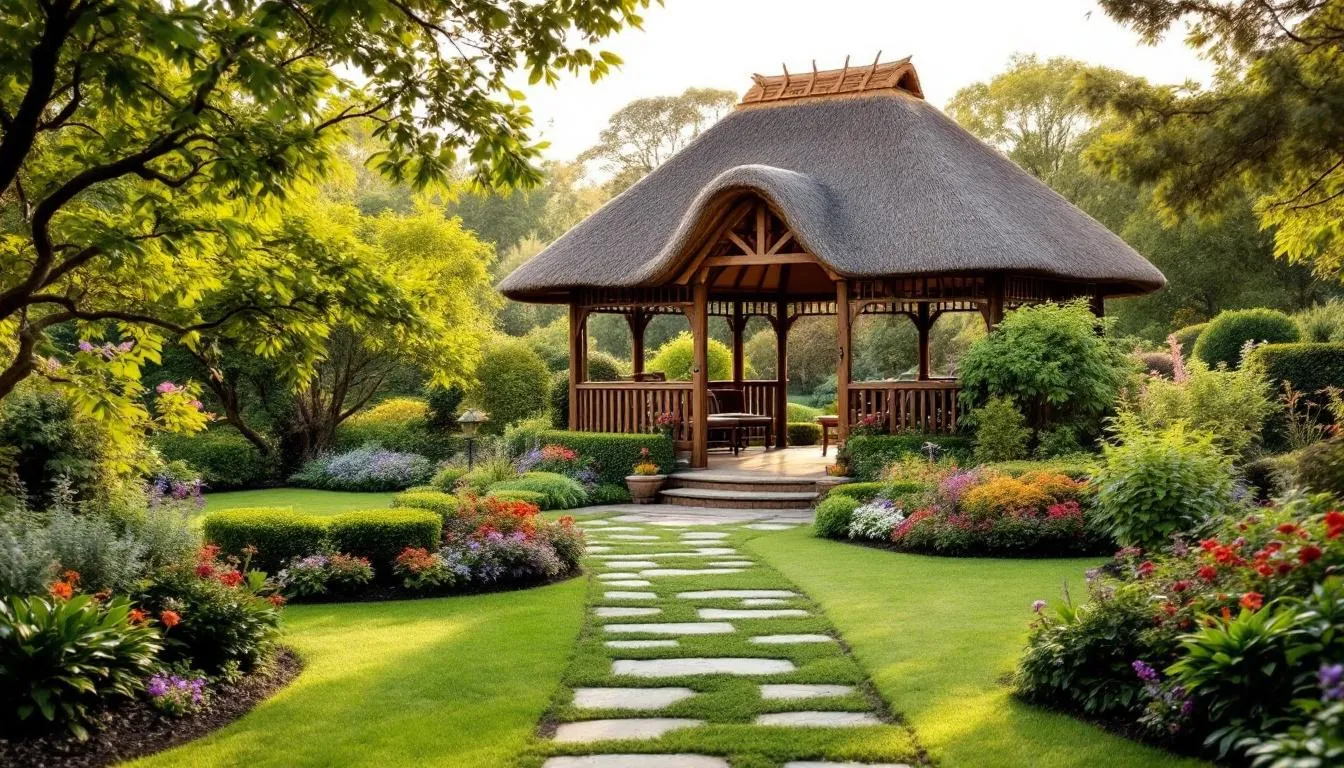
A thatched gazebo is a freestanding garden structure featuring an open-sided design with a distinctive thatched roof, combining the timeless appeal of traditional British architecture with contemporary outdoor living requirements. Unlike other garden buildings, these structures showcase the ancient craft of thatching while providing modern functionality for today’s lifestyle needs. Handcrafted thatched gazebos are built using high-quality wooden materials, ensuring durability and aesthetic charm. Artificial thatch products made from materials like urethane mimic the look of natural thatch while offering enhanced durability and resistance to rot and fire, providing an alternative for those seeking low-maintenance options.
The historical background of thatched roofing spans thousands of years in British architecture, where skilled craftsmen used locally sourced materials like straw, reed, and sedge to create weather-resistant roofs. This traditional technique has evolved into modern applications that preserve authentic aesthetics while incorporating contemporary materials and installation methods. Scandinavian Redwood and pressure-treated timber are popular choices for wooden structures due to their durability and natural look. The ridge of a thatched roof typically needs to be replaced every 10-15 years due to wear, ensuring the structure remains functional and visually appealing.
In contemporary garden design, thatched gazebos are focal points that blend natural beauty with architectural sophistication. The open-sided design allows for flexible use, while the thatched roof provides excellent weather protection and natural insulation properties that keep interior spaces comfortable throughout the seasons. Thatched gazebos also provide cool shaded areas for gardens and outdoor restaurants, making them versatile additions to various settings. Metal netting is often applied over finished thatch, particularly with straw, to protect against damage from birds and rodents, ensuring the structure’s longevity.
Luxury Wooden Garden Buildings with Open Sides
The difference between thatched gazebos and other garden buildings lies in their unique combination of traditional materials, superior weather resistance, and distinctive visual appeal. While standard gazebos might use conventional roofing materials, the thatch provides better insulation, distinctive character, and a connection to British heritage that adds significant property value. Proper thatched roof maintenance can prevent excessive moss and algae growth, which retain moisture and could compromise the structure over time.
Popular styles include traditional round designs that echo historical garden pavilions, octagonal configurations that maximize interior space, and rectangular structures that accommodate larger seating areas and entertainment needs. Each style can be customized with various materials and features to suit individual preferences and garden layouts.
Choosing Cape Reed Thatched Tiles
Natural insulation properties make thatched gazebos comfortable throughout the year. They keep spaces cool during the summer while protecting from rain and wind in winter. The dense layering of thatch materials creates an effective barrier that regulates temperature naturally, reducing the need for additional heating or cooling systems.
The distinctive aesthetic appeal of a thatched gazebo adds unmatched character to any garden setting, creating a focal point that enhances the overall landscape design. The handcrafted nature of thatch work ensures each structure is unique, with subtle variations reflecting traditional craftsmanship techniques’ skill and artistry.
Versatile functionality allows these structures to serve multiple purposes throughout the year—from intimate dining areas and outdoor offices to entertainment spaces for hosting guests. The open-sided design provides flexibility in furniture arrangement while maintaining connection with the surrounding garden environment.
Weather resistance is exceptional when properly maintained and constructed with quality materials. The natural water-shedding properties of well-installed thatch and appropriate roof pitch angles provide reliable protection from British weather conditions while allowing the structure to breathe and avoid moisture buildup.
Thatched gazebos are an excellent investment because they can increase property value with a quality outdoor living space. These distinctive garden buildings appeal to buyers seeking unique features and outdoor entertainment capabilities, and they often return significant value when professionally installed and maintained.

Materials and Construction
Cape reed thatch tiles are the premium roofing material choice for luxury thatched gazebos. They offer superior durability and an elegant “cocktail straw” appearance that distinguishes quality installations. Typically measuring 31” x 16” x 1.5” and covering approximately 2.5 square feet each, these tiles provide consistent coverage and long-lasting performance.
Hardwood pole frameworks form the structural foundation, with options including oak, cedar, and specially treated timber that can withstand British weather conditions for decades. The choice of hardwood affects both durability and appearance, with oak providing maximum longevity and cedar offering natural resistance to insects and decay. Tiger Sheds in Horsforth provides quality options for premium outdoor buildings that combine durability with aesthetic appeal.
Foundation requirements and base preparation considerations vary depending on soil conditions and local building regulations. Most installations require level, well-drained surfaces with appropriate footings to support the structure’s weight and resist wind loads. A professional site assessment ensures proper foundation design for long-term stability.
Quality markers indicating superior craftsmanship include precise thatch alignment, consistent material thickness, proper eave formation, and expert joinery in the wooden framework. The finest materials and attention to detail in construction ensure aesthetic appeal and structural integrity that withstands the test of time.
Comparison with alternative materials reveals why Cape Reed thatch remains the preferred choice for luxury installations. While cedar shingles and composite options offer different maintenance requirements, thatch provides unmatched insulation properties, authentic appearance, and the unique character that defines traditional British garden architecture.
Thatch Quality and Types
Cape reed thatch characteristics include smooth texture, uniform color, and excellent water-shedding capabilities, which provide superior performance in British climates. African reed’s natural properties create an attractive surface that ages gracefully while maintaining structural integrity for years.
Water reed alternatives offer different durability ratings depending on source and processing methods. European water reed performs well in temperate climates, while other reed varieties may require more frequent maintenance to achieve similar longevity.
Straw thatch options provide a traditional appearance with the characteristic “shaggy” texture that many associate with historical British buildings. While requiring more frequent re-thatching than reed options, straw creates an authentic rustic aesthetic that perfectly suits certain garden styles.
Synthetic thatch materials offer low-maintenance solutions for those seeking the appearance of traditional materials without regular re-thatching requirements. Modern synthetic options can closely mimic natural textures while providing enhanced fire resistance and pest immunity.
Installation and Professional Services
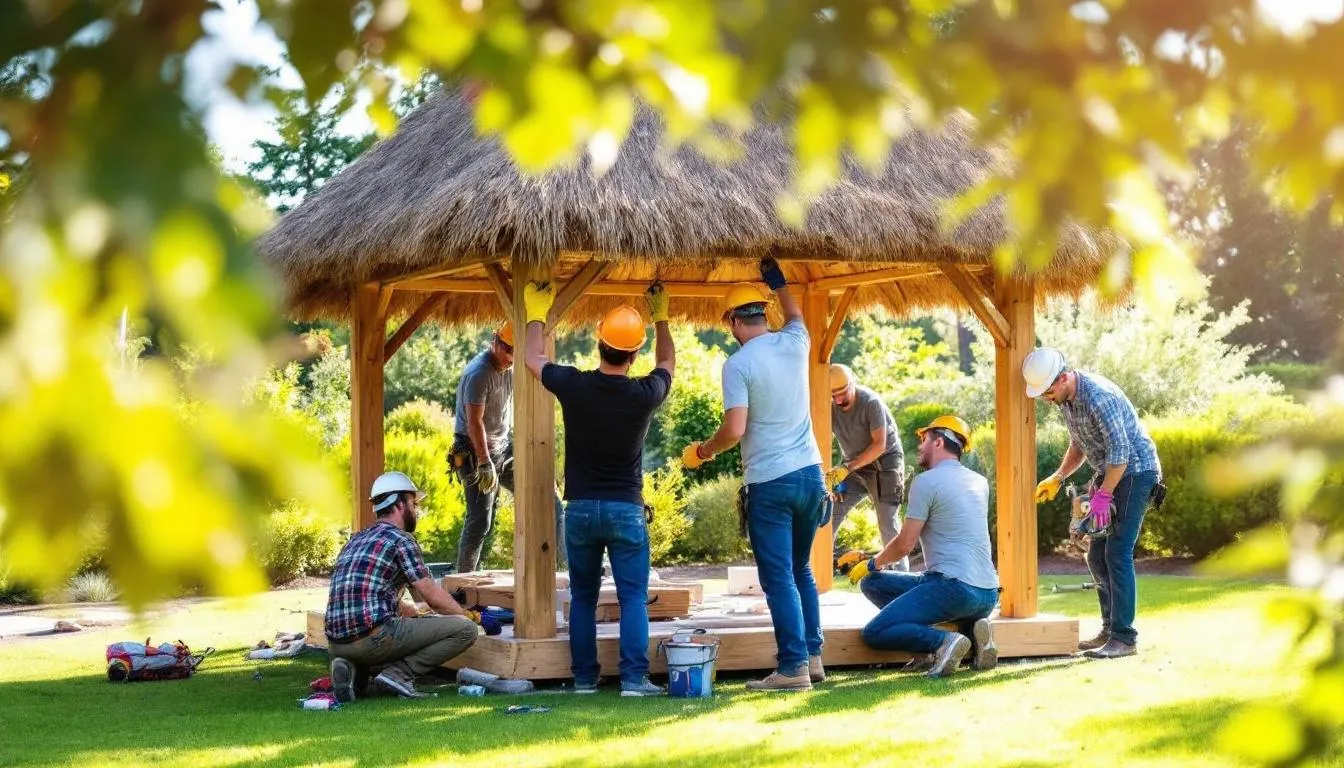
The typical installation timeline of 1-2 days for standard thatched gazebos reflects the efficiency of modern professional service teams who combine traditional skills with contemporary techniques. This quick installation minimizes disruption to your garden while ensuring proper construction from foundation to finished thatch.
Site preparation requirements include ensuring adequate access for materials and equipment, level ground preparation, and clearance from overhead obstacles. During initial site visits, professional installers assess these factors to avoid delays and ensure smooth project completion within the planned timeframe.
Planning permission guidelines vary by location and structure size, but most residential thatched gazebos fall under permitted development rights. However, checking with local authorities prevents potential issues, especially in conservation areas where additional restrictions might apply to traditional building techniques.
Professional installation benefits far outweigh DIY approaches when it comes to thatched gazebos. Expert teams possess specialized knowledge of thatch installation, proper roof pitch requirements, and structural engineering that ensures both safety and longevity of your investment.
Quality assurance and warranty coverage from reputable installers provide your investment with peace of mind and protection. Established companies typically offer comprehensive warranties covering materials, workmanship, and structural integrity, with ongoing support for maintenance and repair needs.
Maintenance and Re-thatching Services
The expected lifespan of 5-8 years for quality thatch roofing depends on the materials used, installation quality, and local climate conditions. Cape reed thatch generally provides longer service life than straw alternatives, while proper maintenance can extend this period and preserve the structure’s appearance.
Annual inspection checklists help identify maintenance needs before they become significant problems. Key areas to examine include thatch integrity, ridge condition, structural joints, and any signs of pest activity or weather damage that might require professional attention.
The re-thatching process involves removing worn sections and installing fresh materials using traditional techniques adapted for modern efficiency. Professional re-thatching services ensure proper installation that maintains the gazebo’s weather resistance and aesthetic appeal throughout its service life.
Seasonal care tips for preserving thatch quality include removing debris from roof surfaces, ensuring proper drainage around the structure, and addressing minor repairs promptly to prevent more extensive damage. Regular attention prevents minor issues from developing into costly problems.
The overall investment decision should include cost considerations for ongoing maintenance and repairs. While annual maintenance costs are relatively modest, budgeting for periodic re-thatching ensures your gazebo remains in excellent condition and continues to enhance your outdoor space.
Customization Options and Accessories
Side panel configurations offer weather protection and privacy versatility, including canvas panels for seasonal use, timber panels for permanent enclosure, and glass panels for year-round comfort. These additions transform the basic structure into a more weatherproof outdoor room.
Integrated lighting solutions enhance both functionality and ambiance. LED spotlights provide task lighting for dining and entertainment, while ambient lighting options create a warm, inviting atmosphere for evening relaxation. Modern systems can be controlled remotely for convenience.
Heating systems, including infrared heaters, extend the usable season, allowing comfortable enjoyment even during cooler months. These efficient heating solutions integrate seamlessly with the gazebo’s design while providing targeted warmth without compromising the open-air feel.
Improving Your Outdoor Space
Seating arrangements range from built-in benches that maximize space efficiency to luxury cushioned furniture that creates a comfortable outdoor living room. The choice depends on intended use, available space, and desired comfort level for regular entertaining.
Additional features like outdoor kitchens, storage solutions, and decorative elements can transform a basic thatched gazebo into a complete outdoor entertainment center. These enhancements require careful planning during the initial design phase to ensure proper integration and functionality.

Choosing the Right Thatched Gazebo
Size considerations based on garden space and intended use require careful evaluation of available area, desired seating capacity, and future needs. The structure should complement rather than overwhelm the existing landscape while providing adequate space for planned activities.
Seating capacity options range from intimate 4-person designs perfect for family use to large 14-person structures suitable for entertaining guests. When determining the appropriate size for your needs, consider both typical daily use and occasional larger gatherings.
Budget planning includes initial cost and long-term maintenance expenses to provide realistic expectations for total investment. While quality thatched gazebos require significant upfront investment, their durability and appeal often justify the cost through years of enjoyment and property value enhancement.
Style selection should complement existing garden architecture and personal preferences. Traditional round designs suit cottage gardens, while rectangular structures work well in formal landscapes. The choice affects both aesthetic appeal and functional layout possibilities.
Supplier evaluation criteria include experience with thatched structures, warranty terms, customer reviews, and examples of completed projects. Reputable suppliers provide references, detailed proposals, and ongoing support that ensures successful project completion and long-term satisfaction.
Cost and Investment Considerations
Price ranges for different sizes and quality levels vary significantly based on materials, craftsmanship, and customization options. Basic models start at moderate prices, while luxury designs with premium finishes and integrated features represent substantial investments that reflect their quality and capabilities.
Site conditions requiring special preparation, customization features like heating or lighting, and access difficulties that might complicate installation affect the total cost. Professional quotes should include all these factors to avoid unexpected expenses during construction.
The long-term value proposition includes both enjoyment benefits and potential property value increase. Quality outdoor structures often return significant portions of their cost through enhanced property appeal and functionality that improves daily life quality.
Financing options and supplier payment plans can make luxury thatched gazebos more accessible. Many companies offer flexible payment terms that spread costs over time, making investing in quality construction and materials easier.
Comparison with alternative garden building investments shows thatched gazebos offer unique benefits that justify their cost. While other structures might cost less initially, few provide the combination of aesthetic appeal, functionality, and property value enhancement that quality thatched construction delivers.
Frequently Asked Questions
How long does a thatched gazebo roof typically last before needing replacement?
Cape reed thatch typically lasts 5-8 years in British climates before requiring re-thatching, though this can extend to 10+ years with excellent maintenance and favorable conditions. Synthetic thatch materials can last 15-20 years, while natural straw may need replacement every 4-5 years, depending on weather exposure and maintenance quality.
Do thatched gazebos require planning permission for installation in residential gardens?
Most residential thatched gazebos fall under permitted development rights and don’t require planning permission, provided they meet size and location requirements. However, properties in conservation areas or with restrictive covenants may have additional requirements, so it’s always wise to check with local planning authorities before installing.
What maintenance is required to keep a thatched gazebo in good condition throughout the year?
Annual maintenance includes removing debris from the roof, checking for loose thatch, inspecting the ridge, and ensuring proper drainage around the structure. Seasonal tasks involve clearing gutters, trimming nearby vegetation, and promptly addressing minor repairs. Professional inspection every 2-3 years helps identify potential issues before they become costly problems.
Can thatched gazebos be used safely year-round in British weather conditions?
Yes, properly constructed thatched gazebos with adequate roof pitch (minimum 30-50 degrees) provide excellent weather protection throughout the year. The natural insulation properties of thatch keep interiors comfortable, while modern fire-retardant treatments and quality construction ensure safety in all seasons. Additional features like heating and side panels extend usability during colder months.
How do the costs of thatched gazebos compare to other premium garden building options?
While thatched gazebos typically cost more than basic garden structures, they’re competitively priced compared to other luxury outdoor buildings when considering their unique benefits. Combining traditional craftsmanship, superior insulation, distinctive appearance, and potential property value increase often justifies the investment compared to alternatives like high-end pergolas or premium garden rooms.
