
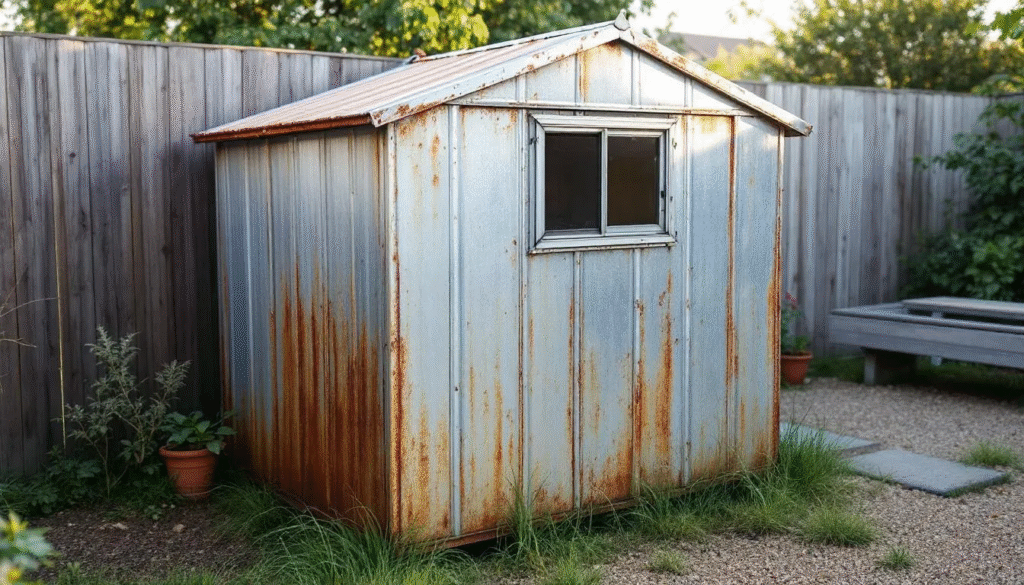
Tin Garden Sheds: The Complete Guide to Durable Metal Storage Solutions
Key Takeaways
- Tin garden sheds offer exceptional durability and rust resistance with galvanised steel construction lasting 10-15 years.
- Available in sizes from compact 3x3ft to spacious 10x8ft, suitable for tools, bikes, and workshop storage
- Self-assembly typically takes 90 minutes with basic tools, though professional installation services are available.
- Superior security features include pick-resistant locks, welded hinges, and integral metal floors for enhanced protection.
- Low maintenance requirements and weather resistance make tin sheds more cost-effective than wooden alternatives.
- Many manufacturers design metal sheds with anti-rust guarantees, making them a durable storage option against weather elements.
Regarding outdoor storage solutions that withstand decades of harsh weather conditions, tin garden sheds represent the gold standard in durability and security. With hot-dipped galvanised steel construction offering 15-25 years of reliable service, these metal garden sheds have become the preferred choice for homeowners seeking long-term storage solutions that require minimal maintenance while providing maximum protection for valuable garden tools, outdoor equipment, and belongings.
Unlike traditional wooden shed alternatives that require annual paint and treatment, tin metal sheds deliver exceptional value through their rust-resistant construction and low maintenance requirements. Modern tin sheds made from galvanized or resin-coated steel require virtually no ongoing maintenance beyond a simple wash down. Additionally, metal sheds are often considered insect-resistant, safeguarding contents from pests. This comprehensive guide explores everything you need to know about selecting, installing, and maintaining these durable metal storage buildings for your outdoor space.
What Are Metal Sheds?
Tin garden sheds are robust outdoor storage buildings constructed primarily from galvanised steel panels. They offer superior protection for garden tools, bicycles, and outdoor equipment. Despite the traditional “tin” terminology, modern metal garden shed construction utilizes hot-dipped galvanised steel, which provides a protective zinc coating that prevents rust and corrosion for decades.
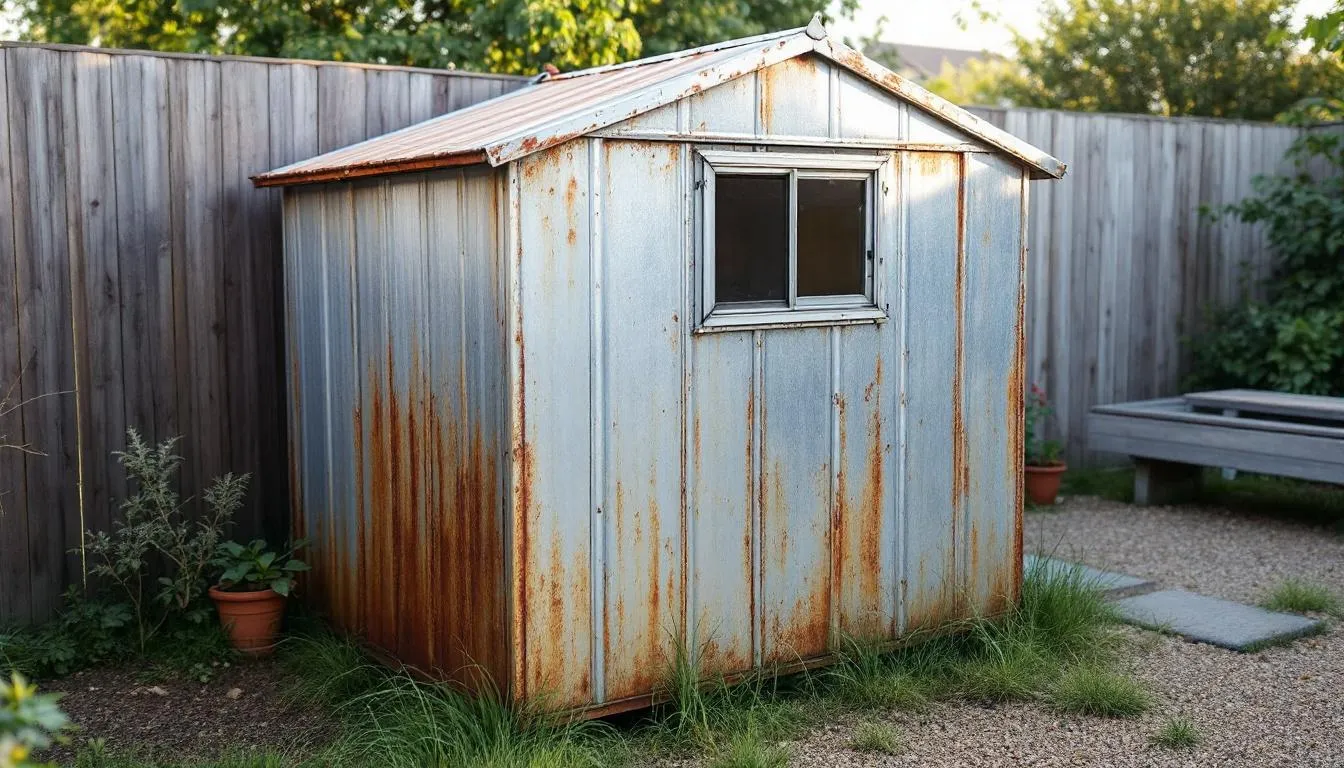
The hot-dipped galvanisation process involves coating steel panels with multiple layers of zinc, creating a protective barrier that resists corrosion even in coastal environments. This manufacturing technique ensures that your metal garden shed maintains its structural integrity and attractive appearance throughout its 15-25 year lifespan.
While the terms “tin sheds,” “metal sheds,” and “steel garden sheds” are often used interchangeably, they all refer to the same galvanised steel construction that has revolutionized outdoor storage. The thin-gauge steel panels (typically 24-29 gauge) provide excellent strength-to-weight ratios, making these structures durable and manageable for DIY installation. Metal sheds are available in over forty sizes, ensuring a suitable option for a wide range of storage needs.
Modern tin garden sheds feature modular panel designs that enable efficient flat-pack delivery and straightforward assembly using basic tools. The galvanised steel construction offers significant advantages over wooden shed alternatives, including fire resistance, pest immunity, and freedom from rot-related deterioration.
Benefits of Small Metal Sheds
The many benefits of choosing tin garden sheds over wooden or plastic alternatives make them an attractive investment for long-lasting durability and garden storage needs. The galvanised steel construction provides exceptional resistance to rust, corrosion, and weather damage, ensuring your storage solution remains functional and secure for decades.
Rust and Corrosion Resistance
The multi-layer galvanised coating creates an impenetrable barrier against moisture, preventing rust formation even in harsh weather conditions. This protective layer eliminates the worry about metal deterioration that affects uncoated steel structures, making tin garden sheds suitable for coastal locations and areas with high humidity. Many metal shed manufacturers include ventilation systems to combat moisture-related issues.
Fire Resistance and Safety
Unlike wooden sheds that pose fire risks, metal garden sheds offer enhanced protection for storing flammable materials such as fuel for garden tools and outdoor equipment. The non-combustible galvanised steel construction provides peace of mind when storing valuable belongings and potentially hazardous substances.
Low Maintenance Requirements
Tin garden sheds require minimal maintenance compared to wooden alternatives that need annual paint, stain, or preservative treatments. A simple yearly cleaning with water removes dirt and debris, while the galvanised coating maintains its protective properties without additional treatment. This low-maintenance characteristic saves time and money over the shed’s operational life.
Metal garden sheds typically include superior security features such as lockable doors, reinforced hinges, and robust construction that deters theft attempts. Many models feature police-approved security ratings and insurance company recognition, potentially reducing premiums for stored valuable items. Some metal sheds offer a customizable locking system, allowing users to upgrade locks for extra security.
Metal garden sheds typically include superior security features such as lockable doors, reinforced hinges, and robust construction that deters theft attempts. Many models feature police-approved security ratings and insurance company recognition, potentially reducing premiums for stored valuable items.
Environmental Sustainability
The recyclable nature of galvanised steel makes tin garden sheds an environmentally responsible choice. The metal components can be fully recycled at the end of their operational life, reducing environmental impact. Additionally, the long-lasting durability reduces the need for frequent replacements, minimizing resource consumption.
Cost-Effectiveness
While initial purchase prices may be comparable to quality wooden shed alternatives, the total cost of ownership favors tin garden sheds due to reduced maintenance requirements and extended lifespan. Eliminating annual treatments, painting, and premature replacement delivers significant long-term savings.
Popular Metal Garden Shed Sizes and Uses
Tin garden sheds are available in various sizes to suit storage needs and outdoor space constraints. From compact tool storage to spacious workshop areas, these versatile metal structures accommodate multiple applications while maintaining their durability and security benefits.
Small Metal Sheds (3x3ft to 6x4ft)
Compact tin garden sheds provide excellent storage solutions for smaller gardens where space is at a premium. These units are perfect for storing garden tools such as spades, rakes, and hand tools while accommodating items like plant pots, fertilizers, and small outdoor equipment. Many homeowners use small metal sheds for secure bicycle storage, protecting valuable bikes from theft and weather damage. Popular sizes of metal sheds include 6×4 and 8×6 feet.
The 6x4ft size represents a popular choice that balances storage capacity with modest space requirements. This size comfortably stores a push lawnmower, garden tools, and seasonal items while fitting into most residential gardens without requiring planning permission.
Medium Garden Sheds (6x4ft to 8x6ft)
Medium-sized metal garden sheds offer expanded storage capacity for homeowners with more extensive outdoor equipment collections. These units accommodate riding mowers, BBQ equipment, outdoor furniture during the winter months, and larger gardening tools. The additional space allows for better organization with shelving systems and tool racks.
The 8x6ft size provides sufficient room for workshop activities while maintaining manageable assembly requirements. This size suits homeowners needing storage and workspace for hobbies, repairs, or gardening activities.
Large Sheds (8x6ft to 10x8ft)
Spacious tin garden sheds serve multiple purposes: workshops, bulk storage areas, and equipment protection centers. These large shed options accommodate motorcycles, extensive tool collections, seasonal decorations, and workshop equipment while providing comfortable working space.
The 10x8ft size represents the upper range for most residential applications, offering workshop functionality alongside comprehensive storage capacity. These units often feature additional windows or skylight roof panels to enhance natural lighting for detailed work activities.
Specific Use Applications
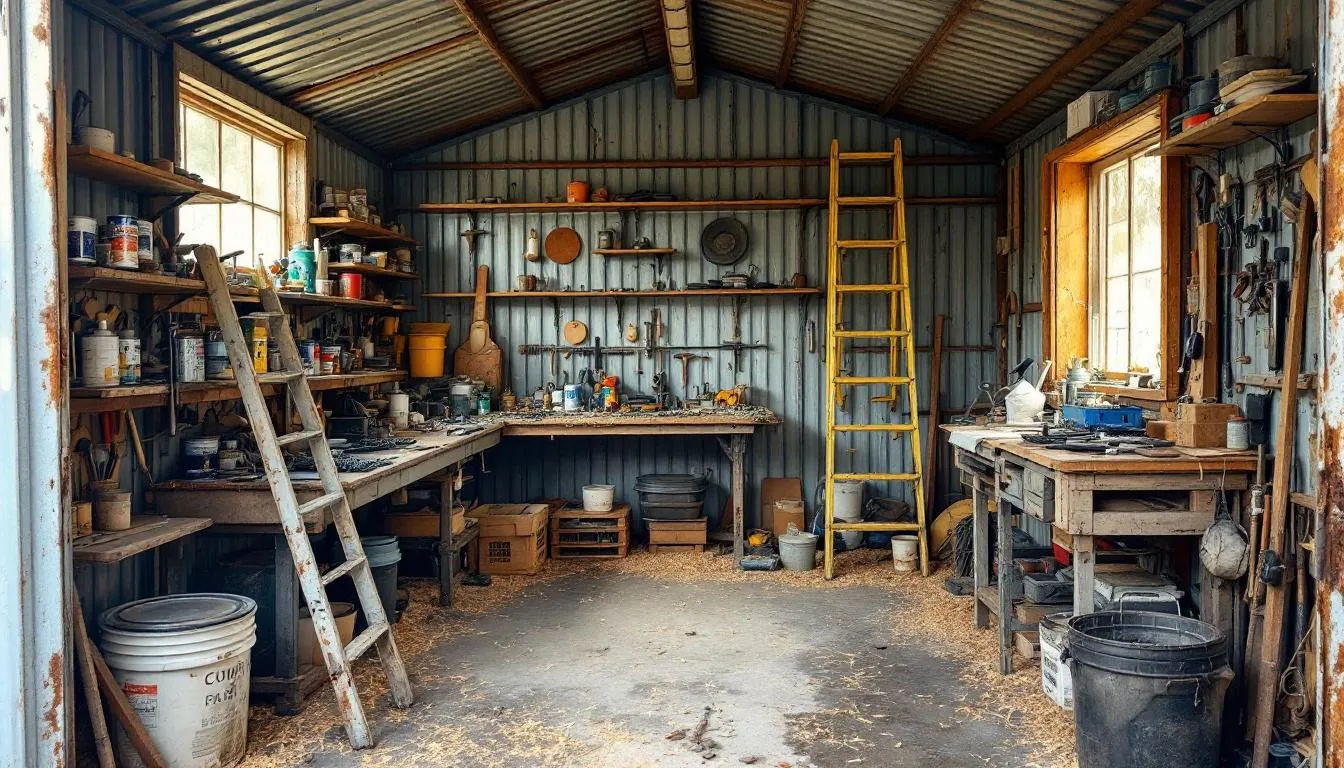
Garden tool storage remains the primary application, with organized tool racks and shelving maximizing space efficiency. Bicycle storage protects valuable bikes from theft and weather while preserving their condition. Workshop space allows for hobby activities, repairs, and projects requiring shelter from weather conditions. Equipment protection safeguards expensive items like mowers, generators, and outdoor furniture from deterioration and theft.
Security Features and Approvals
Modern tin garden sheds incorporate advanced security features that provide extra security for valuable garden tools, outdoor equipment, and belongings stored within these metal structures. Many manufacturers design products to meet stringent security standards, earning police approval and insurance industry recognition.
Police and Insurance Approved Models
Leading tin garden shed manufacturers offer models certified under the Secured by Design scheme, representing police approval for security effectiveness. These approved units meet rigorous testing standards for resistance to common break-in attempts and forced entry techniques. Insurance companies often recognize these certifications, potentially reducing premiums for policies covering stored items.
Advanced Locking Systems
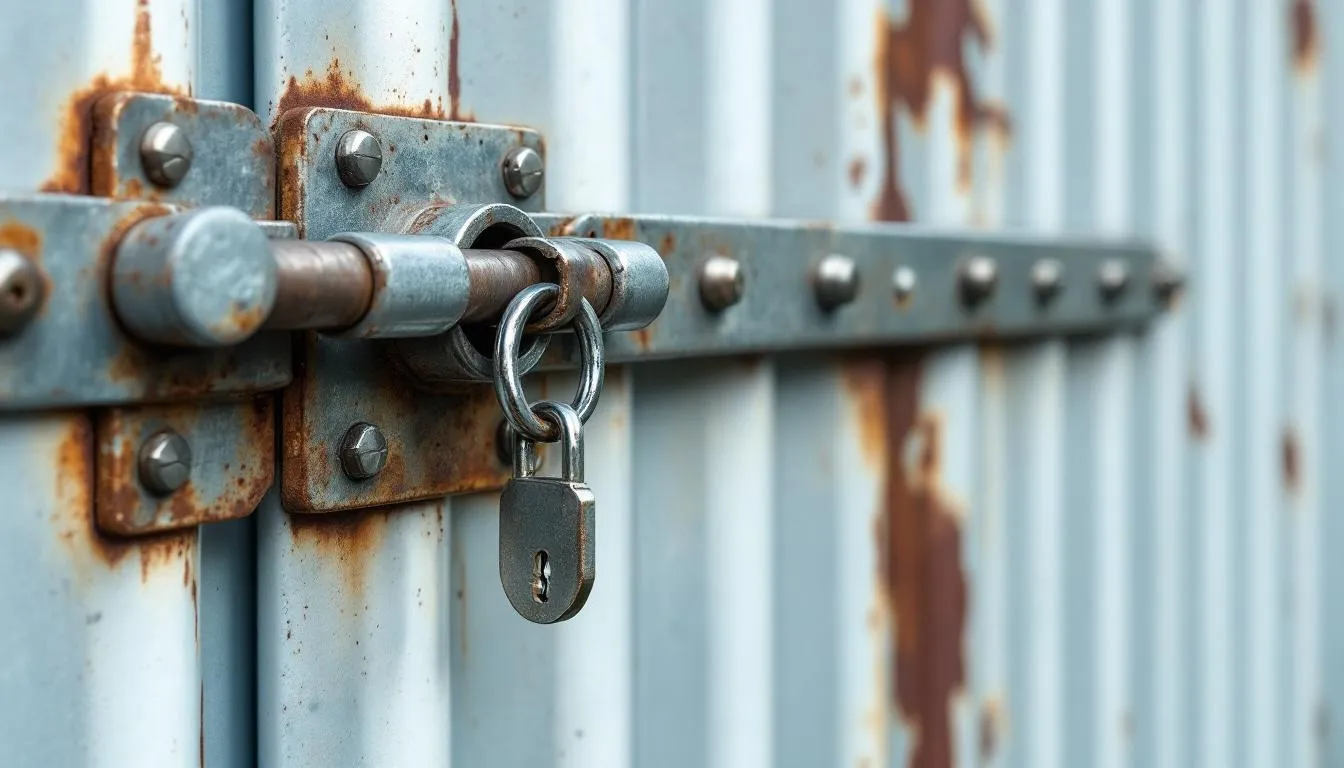
High-quality metal garden sheds feature pick-and-drill-resistant cylinder locks that protect against sophisticated theft attempts. These lockable doors incorporate heavy-duty deadbolts and reinforced striking plates that resist forced entry. Many models include multiple locking points along the door frame, distributing security throughout the closure system.
Lockable sliding doors on larger models provide convenient access while maintaining security through specialized track-mounted locking mechanisms. These systems resist lifting and forcing attempts while enabling smooth operation for authorized users.
Reinforced Construction Elements
Welded hinges eliminate the vulnerable bolted connections found in lower-quality alternatives, preventing door removal during break-in attempts. The reinforced door frames distribute stress across multiple connection points, resisting deformation under force. Anti-tamper construction techniques position critical fasteners on the interior side, preventing external access to structural connections.
Integral Metal Floor Systems
Many premium tin garden sheds include integral metal floors that prevent forced entry from below while providing a stable foundation for stored items. These floor systems eliminate the gaps and weak points associated with separate foundation installations, creating a comprehensive security envelope around stored belongings. Metal sheds significantly increase their resistance against forced entry when bolted to the ground. Sheds with reinforced panels enhance security and minimize noise during adverse weather conditions.
The seamless integration between walls and floor panels creates additional rigidity that resists deformation and maintains structural integrity under stress. This unified construction approach enhances both security and weather protection capabilities.
Inside-Out Assembly Design
Advanced security models utilize inside-out assembly designs that position vulnerable connection points within the structure’s interior. This approach prevents external access to bolts, screws, and other fasteners that could be manipulated during break-in attempts. The internal positioning of these elements maintains structural integrity while eliminating external access points.
Weather Protection and Condensation Control
Tin garden sheds excel in weather protection through comprehensive design features that address water infiltration, wind resistance, and internal climate control. The galvanised steel construction provides fundamental weather resistance, while specialized design elements enhance protection and user comfort.
Comprehensive Waterproofing Systems
Modern metal garden sheds achieve complete weather protection through multiple overlapping panel systems that direct water away from joints and potential entry points. Sealed joints between panels utilize weather-resistant gaskets and sealants that maintain their effectiveness throughout the structure’s operational life. The sloped roof design ensures efficient rainwater drainage while preventing standing water that could compromise structural integrity.
Overlapping panel designs create multiple barriers against water infiltration, with each connection point engineered to shed moisture effectively. This multi-layer approach ensures protection even during severe weather events with driving rain and strong winds.
Advanced Ventilation Systems
Built-in ventilation features address the condensation concerns common in metal structures by promoting air circulation throughout the interior space. Strategic placement of vents near the roof line allows warm, moisture-laden air to escape while drawing fresh air through lower openings. This natural ventilation process reduces humidity levels that could cause condensation on internal surfaces.
Some models incorporate adjustable vent systems that enable users to optimize airflow based on seasonal conditions and stored contents. During winter, reduced ventilation minimizes heat loss while maintaining sufficient air movement to prevent condensation buildup.
Wind Resistance and Structural Stability
Tin garden sheds achieve excellent wind resistance through engineered panel connections and reinforcement systems designed to meet regional building codes. The lightweight yet strong galvanised steel construction flexes appropriately under wind loads while maintaining structural integrity. Anchor kit provisions enable secure ground fixing that prevents uplift during severe weather events.
Professional wind load calculations inform the design of larger models, ensuring compliance with local building standards while providing user confidence during extreme weather conditions. The modular panel system distributes loads effectively across the entire structure, preventing localized stress concentrations that could lead to failure.
Extended Warranty Protection
Manufacturers typically offer 10-15-year warranties against weather-related damage, reflecting confidence in their products’ weather protection capabilities. These warranties cover structural integrity, panel perforation, and coating effectiveness under normal weather exposure conditions. The extended warranty periods demonstrate the superior weather resistance of quality galvanised steel construction compared to alternatives.
Climate-specific warranty terms address regional variations in weather severity, with enhanced coverage available for coastal installations where salt exposure presents additional challenges to metal structures.
Easy Installation and Assembly
The installation process for tin garden sheds combines straightforward assembly procedures with essential foundation and anchoring requirements that ensure long-term structural integrity and weather resistance. Most models feature user-friendly designs that enable DIY installation while maintaining professional results. Each metal shed comes with a detailed instruction manual for assembly.
Self-Assembly Process and Timeline
For more details on assembly, see the 6′ x 8′ Shire Cottage Kids Wooden Playhouse and its straightforward self-build instructions.
A typical tin garden shed assembly requires 90-120 minutes using basic tools, including screwdrivers, wrenches, and a drill for anchor installation. The modular panel design simplifies the process through pre-drilled holes and numbered components that guide the assembly sequence. Most metal sheds are straightforward to assemble and come with all necessary parts. Most manufacturers provide comprehensive instruction manuals with detailed diagrams that address each assembly step.
The assembly begins with foundation preparation and base frame installation, wall panel attachment, and roof installation. Door and window fitting typically occurs during the final assembly phase, with security features installed according to manufacturer specifications.
Foundation Requirements and Options
Proper foundation preparation ensures structural stability and weather protection throughout the shed’s operational life. Concrete slab foundations provide optimal stability and moisture protection, particularly for larger models or workshop applications. The level surface eliminates panel stress that could compromise weather sealing and structural integrity. Concrete or level paved bases are recommended for metal shed installation.
Paving slab foundations offer a cost-effective alternative that provides adequate support for smaller models while enabling easier relocation if needed. This approach requires careful leveling and may benefit from additional vapor barriers to prevent moisture infiltration.
Timber frame foundations utilize pressure-treated lumber to create a stable, level platform that elevates the structure above ground moisture. This method works well for medium-sized installations and enables easier anchor installation for wind resistance.
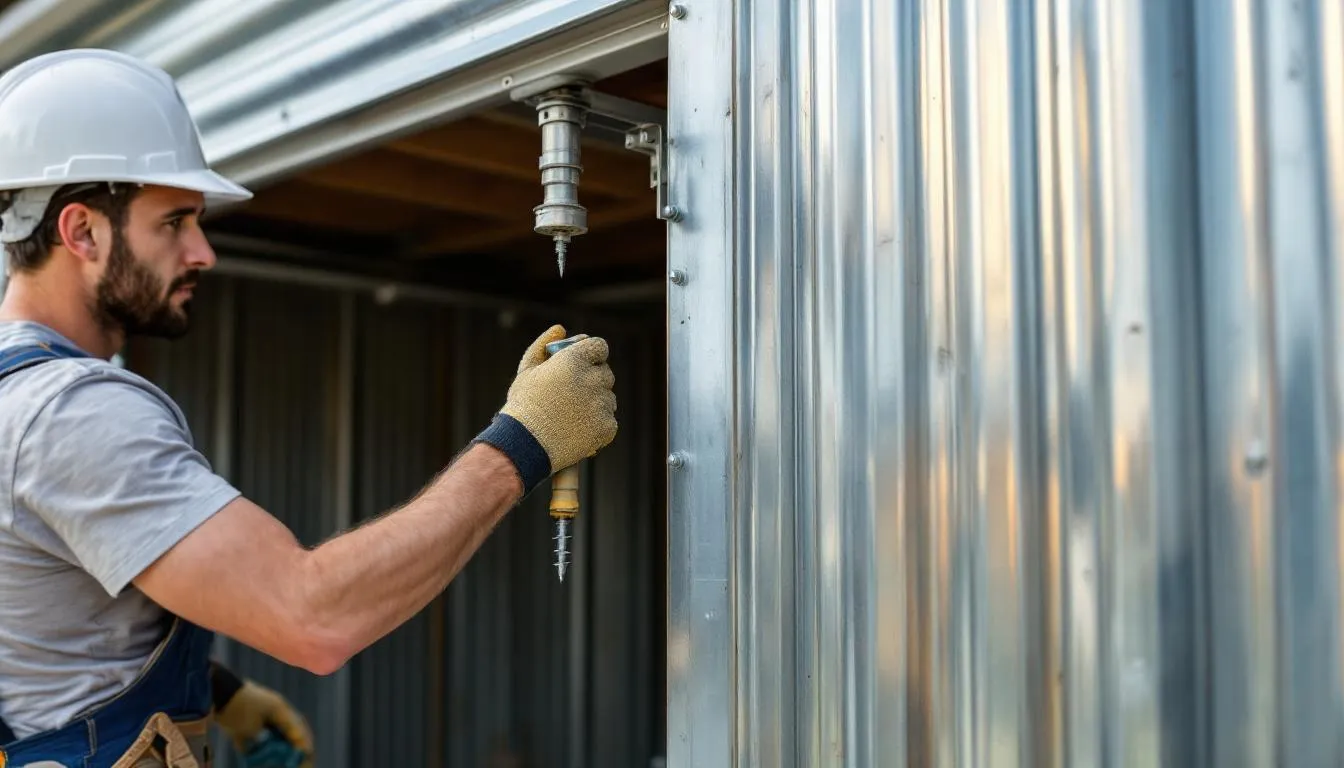
Professional Installation Services
While most tin garden sheds enable DIY assembly, professional installation services ensure optimal results for complex builds or customers preferring expert installation. Professional installers bring specialized tools, experience with foundation preparation, and knowledge of local building codes that may affect installation requirements.
Professional installation typically includes site survey, foundation preparation, complete assembly, and anchor installation with appropriate wind resistance measures. Many installation services provide additional warranties covering workmanship and proper assembly procedures. Local helplines are available to assist with technical questions regarding shed setup.
Anchor Systems and Stability Measures
Anchor kit installation provides essential wind resistance by securing the structure to foundation elements through specialized fasteners designed for metal construction. Different anchor types suit various foundation materials, with concrete anchors, ground screws, and timber fasteners available for specific applications.
Proper anchoring prevents uplift during severe weather while maintaining structural alignment that ensures continued weather protection. The anchor system integration occurs during assembly, with fastener placement determined by structural engineering requirements and local wind load specifications.
Leading Tin Garden Shed Brands
The tin garden shed market features several established manufacturers known for quality construction, innovative security features, and comprehensive warranty support. Understanding brand distinctions helps buyers select models that best match their storage needs, security requirements, and budget considerations.
Asgard: Premium Security-Focused Solutions
Asgard specializes in police-approved tin garden sheds that meet stringent security standards while providing exceptional weather protection. Their models feature advanced locking systems, reinforced construction, and Secured by Design certification, which appeals to security-conscious customers who store valuable equipment and tools.
The brand’s focus on security extends to construction details such as welded hinges, pick-resistant locks, and anti-tamper assembly designs. Asgard models typically command premium pricing but deliver corresponding value through enhanced protection and insurance industry recognition.
Yardmaster: Budget-Friendly Durability
Yardmaster offers competitively priced metal garden sheds without compromising essential quality features such as galvanised steel construction and weather resistance. Their 15-year warranty coverage demonstrates confidence in product durability while making tin garden sheds accessible to budget-conscious buyers.
The brand’s range includes popular sizes from compact tool storage to spacious workshop models, with consistent quality across the entire product line. Yardmaster models balance affordability with practical features that meet most residential storage requirements.
Trimetals: Mid-Range Quality and Variety
Trimetals provides mid-range metal garden sheds with expanded customization options, including various color choices and accessory packages. Their models feature robust galvanised steel construction with enhanced aesthetic appeal through powder-coated finishes that complement garden environments.
The brand offers comprehensive size ranges with specialized models for specific applications such as bicycle storage, workshop use, and bulk equipment protection. Trimetals maintains competitive pricing while providing quality features that justify the investment.
Global: Large Workshop-Style Solutions
Globel specializes in larger tin garden sheds for workshop applications and extensive storage requirements. Their models feature enhanced structural engineering, enabling clear-span construction and increased load-bearing capacity for heavy equipment storage.
The brand’s focus on larger structures includes multiple access points, integrated ventilation systems, and foundation options that suit various site conditions. Globel models appeal to customers requiring substantial storage capacity with workshop functionality.
Brand Comparison Factors
When comparing different brands of garden structures, consider reviewing options like the 8′ x 16′ Forest Pergola Deck Kit No. 1 for high-quality, sustainable deck and pergola solutions.
When comparing brands, consider warranty length, security certification levels, and price-to-feature ratios that align with individual requirements. Security-focused applications benefit from police-approved models, while budget-conscious buyers may prioritize warranty coverage and basic weather protection.
Delivery and installation service availability varies among brands, with some offering comprehensive support while others focus on product supply. Customer service reputation and replacement parts availability represent essential considerations for long-term ownership satisfaction.
Cost Considerations and Value
Understanding the comprehensive cost structure of tin garden sheds enables informed purchasing decisions, considering both initial investment and long-term value propositions. The total cost of ownership encompasses purchase price, delivery, installation, and ongoing maintenance expenses over the structure’s operational life.
Initial Purchase Price Analysis
Entry-level tin garden sheds suitable for basic tool storage range from £300-£800, depending on size and construction quality. Mid-range models with enhanced security features and improved finishes typically cost £800-£1,500, while premium police-approved units may reach £2,000-£3,500 for larger sizes.
Metal garden sheds often provide comparable initial pricing with superior long-term value through reduced maintenance requirements compared to wooden shed alternatives. Plastic shed pricing may appear competitive initially, but durability limitations can necessitate earlier replacement, affecting total ownership costs.
Long-Term Value Through Reduced Maintenance
The low maintenance requirements of galvanised steel construction eliminate annual expenses associated with wooden shed ownership, including paint, preservatives, and replacement components. Over a 15-year ownership period, these savings often exceed £1,000-£2,000, significantly improving the value proposition.
Weather resistance prevents premature deterioration that requires expensive repairs or early replacement. The rust-resistant galvanised coating maintains structural integrity without ongoing treatment, while wooden alternatives may require partial reconstruction after weather damage.
Insurance Premium Benefits
Police-approved tin garden sheds may qualify for reduced insurance premiums when covering stored valuable items such as bicycles, garden tools, and outdoor equipment. Insurance companies recognize the enhanced security features and award discounts that can offset premium pricing over the policy period.
The improved theft resistance reduces claim frequency, making customers more attractive to insurance providers. Some policies require approved security measures for coverage validation, making certified models essential for comprehensive protection.
Delivery and Installation Costs
Delivery charges for tin garden sheds typically range from £50-£150, depending on size, weight, and distance from distribution centers. Many suppliers offer free delivery promotions for orders exceeding minimum values, making larger purchases more economical.
Professional installation services, including foundation preparation and complete assembly, cost £200-£500 for most residential installations. DIY assembly eliminates these costs but requires appropriate tools and construction experience for optimal results.
Optional Extras and Customization Pricing
Shelving systems designed for metal garden sheds cost £50-£200 depending on complexity and storage capacity. Window additions for natural lighting range from £100-£300, while skylight roof panels may cost £150-£400, including installation hardware.
Upgraded security features, such as enhanced locking systems or alarm integration, add £100-£500 to introductory model pricing. Depending on size and material specifications, floor kit upgrades for models without integral flooring typically cost £100-£300.
Return on Investment Calculation
When evaluating cost-effectiveness, consider the annual cost per square foot of storage space over the expected 15-25 year lifespan. Quality tin garden sheds often provide annual storage at £2-£5 per square foot, including all ownership costs.
Compared to alternative storage solutions such as rental units or garage conversions, tin garden sheds frequently offer superior value while providing convenient access and customization flexibility. Investment recovery typically occurs within 3-5 years due to the elimination of storage rental costs.
Maintenance and Longevity
Proper maintenance practices maximize the operational life of tin garden sheds while preserving their weather protection and security capabilities. Galvanised steel construction’s inherently low maintenance requirements simplify care procedures while delivering exceptional longevity compared to alternative materials.
Annual Maintenance Checklist
Regular maintenance begins with comprehensive cleaning using water and mild detergent to remove accumulated dirt, debris, and organic matter that could trap moisture against metal surfaces. This annual cleaning preserves the galvanised coating’s effectiveness while identifying potential issues before they become serious.
Lubrication of moving components such as door hinges, locks, and sliding mechanisms ensures smooth operation while preventing wear that could compromise security or weather protection. Use marine-grade lubricants in coastal environments where salt exposure presents additional challenges to metal components.
Inspection procedures should address anchor system integrity, foundation stability, and panel connection security. Check for loose fasteners, damaged seals, and signs of water infiltration that could indicate maintenance requirements—document inspection findings to track changes over time and plan preventive measures.
Rust Prevention Strategies
While galvanised steel construction provides excellent rust resistance, proper drainage and ventilation prevent moisture accumulation that could overwhelm protective coatings. Ensure gutters and drainage systems direct water from the structure’s foundation to avoid standing water and soil saturation.
Ventilation maintenance involves keeping air circulation paths clear of obstructions such as stored materials, spider webs, or debris that could impede airflow. Despite external coating protection, adequate ventilation prevents condensation buildup that could cause internal rusting.
Address minor scratches or coating damage promptly using touch-up paint designed for galvanised surfaces. These minor repairs prevent moisture infiltration that could initiate localized rusting and expand over time if left untreated.
Expected Lifespan and Performance
Quality tin garden sheds typically provide 15-25 years of reliable service with proper maintenance and appropriate installation. Due to salt exposure, coastal environments may reduce lifespan to 12-20 years, while inland locations with moderate climates often exceed 25 years of satisfactory performance.
Performance degradation typically manifests as cosmetic changes rather than structural failure, with galvanised coatings showing signs of aging before the underlying steel experiences significant deterioration. This gradual progression enables planned replacement rather than emergency repairs.
Factors affecting longevity include initial construction quality, foundation adequacy, maintenance consistency, and environmental exposure conditions. Premium models with enhanced galvanising and superior construction details often significantly exceed warranty periods.
Manufacturer warranties typically cover structural integrity, coating effectiveness, and panel perforation for 10-15 years under normal use conditions. Warranty terms specify maintenance requirements that must be met for coverage validation, emphasizing the importance of consistent care practices.
Claim procedures usually require documentation of proper installation, foundation adequacy, and maintenance compliance. Photographic evidence of damage progression helps support warranty claims while demonstrating adherence to manufacturer recommendations.
Warranty exclusions commonly include damage from severe weather events exceeding design specifications, improper installation, inadequate foundation preparation, and maintenance neglect. Understanding these limitations helps set appropriate expectations and guides proper care practices.
Replacement Parts and Repair Procedures
Most manufacturers maintain an inventory of replacement parts for current and recent model lines, enabling cost-effective repairs rather than complete replacement. Common replacement items include door hardware, locking mechanisms, and individual panels damaged by impact or severe weather.
Repair procedures for minor damage typically involve panel replacement or coating restoration using manufacturer-approved materials and techniques. Professional repair services ensure proper techniques and warranty compliance for significant damage or structural issues.
Planning for eventual replacement enables budget preparation and site improvement opportunities. Many customers upgrade to larger models or enhanced security features when replacing aging structures, incorporating lessons from previous ownership experience.
Buying Guide and Selection Tips
Selecting the optimal tin garden shed requires careful consideration of multiple factors, including available space, storage requirements, security needs, and budget constraints. A systematic approach to evaluation ensures the chosen model provides years of satisfactory service while meeting evolving storage demands.
Space Measurement and Planning Permission
Accurate measurement of available installation space must account for foundation requirements, access clearances, and local building setbacks that may affect placement options. Most residential installations under 15 square meters and 2.5 meters height avoid planning permission requirements, but local authority verification prevents potential compliance issues.
Consider future access needs for stored items, particularly larger equipment that requires wide door openings and maneuvering space. The shed location should enable convenient access while maintaining appropriate distances from property boundaries and existing structures.
Ground conditions affect foundation requirements and installation complexity. Level sites enable easier installation, while sloped or soft ground may require additional preparation. Professional site surveys identify potential challenges before purchase commitments.
Specification Comparison Framework
Panel thickness specifications directly impact durability and security, with heavier gauge materials providing enhanced resistance to damage and forced entry attempts. Compare gauge numbers carefully, remembering lower numbers indicate thicker, stronger materials.
Door dimensions determine equipment access capabilities, with wider openings accommodating larger items such as ride-on mowers, motorcycles, or workshop equipment. Standard door widths range from 2 to 6 feet, with double-door configurations providing maximum access flexibility.
Security ratings from recognized certification bodies indicate tested resistance against common theft attempts. This is particularly important when selecting plastic garden sheds to adequately protect outdoor equipment. Police approval and insurance industry recognition objectively validate security effectiveness beyond manufacturer claims.
Color and Finish Options
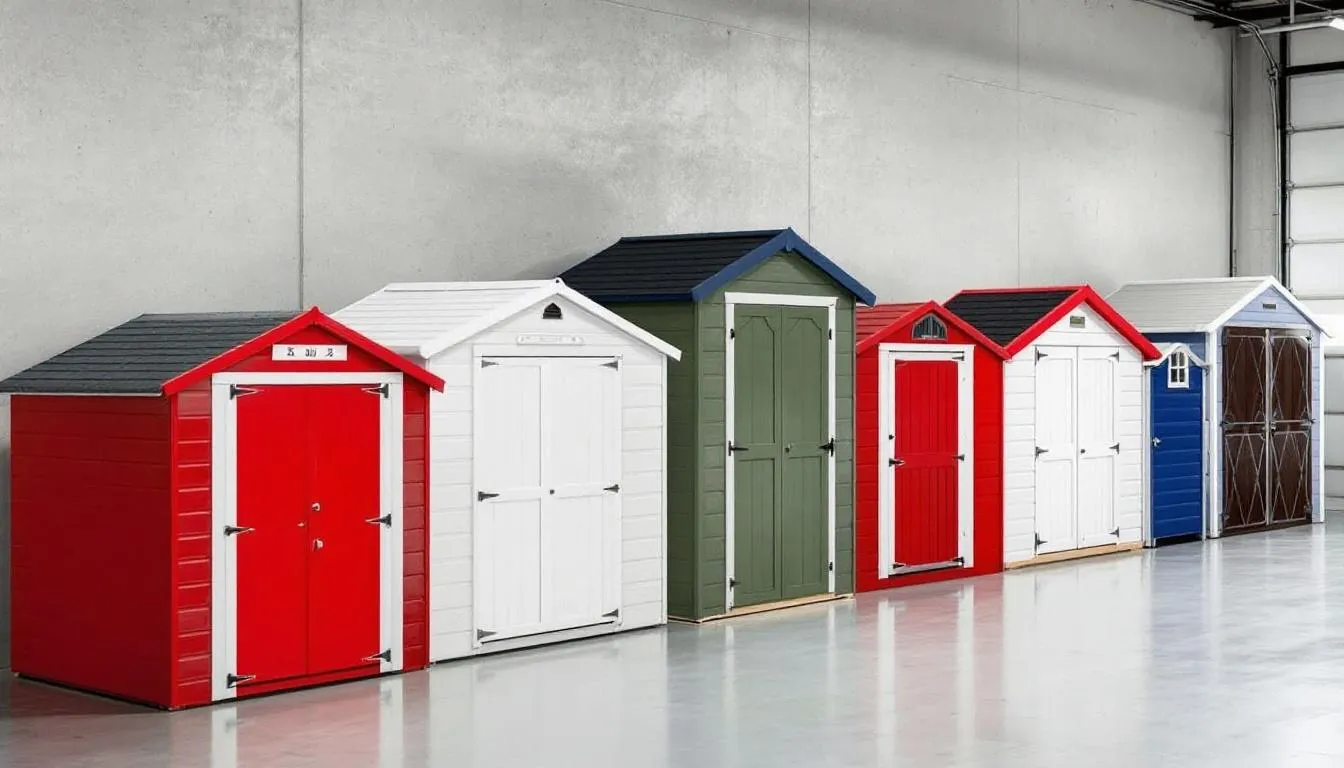
Modern tin garden sheds offer expanded color choices that complement residential landscapes while maintaining galvanised steel protection. Popular options include olive green for natural integration, anthracite grey for contemporary appeal, and cream finishes for traditional aesthetics.
Wood-effect finishes combine metal durability with a wooden appearance, appealing to customers seeking traditional aesthetics without maintenance requirements. These specialized coatings maintain galvanised protection while providing enhanced visual appeal.
Consider color permanence and fade resistance when evaluating finish options, particularly for installations with significant sun exposure. Premium powder-coated finishes typically provide superior color retention compared to painted surfaces.
Delivery Timeline and Seasonal Availability
Peak demand periods during spring and summer may extend delivery timelines and reduce model availability, making early ordering advantageous for specific requirements. Off-season purchases often provide better pricing and faster delivery while enabling installation during favorable weather conditions.
Delivery logistics for larger models may require access confirmation and placement assistance, particularly in confined spaces or challenging terrain. Coordinate delivery timing with installation plans to minimize storage requirements for kit components.
Research and Review Analysis
Customer reviews provide valuable insights into real-world performance, assembly experiences, and long-term satisfaction levels that supplement manufacturer specifications. For relevant feedback, focus on reviews from customers with similar applications and environmental conditions.
Brand reputation research should encompass warranty service quality, customer support responsiveness, and replacement parts availability that affect long-term ownership satisfaction. Established manufacturers typically provide superior support compared to newer market entrants.
Professional recommendations from garden centers, security consultants, or insurance agents offer expert perspectives based on comparative experience across multiple brands and models. These insights help identify optimal choices for specific applications and requirements.
Frequently Asked Questions
Do tin garden sheds require planning permission?
Most residential tin garden sheds under 15 square meters floor area and 2.5 meters maximum height qualify as permitted development and don’t require planning permission in the UK. However, restrictions apply near boundaries, in conservation areas, and for listed buildings. Always verify requirements with your local planning authority before installation, as regulations vary by location and property type. Larger workshop-style sheds or those exceeding height limits typically require planning applications.
How do tin sheds perform in extreme weather conditions like high winds and snow?
Quality tin garden sheds engineered to British Standards withstand wind speeds up to 80-100 mph when properly anchored and installed on adequate foundations. The galvanised steel construction flexes appropriately under load while maintaining structural integrity. Snow loading capacity varies by model, but most residential sheds handle typical UK snow accumulations without issues. Proper anchor kit installation and foundation preparation are essential for extreme weather performance, with professional installation recommended for exposed locations.
What’s the difference between galvanised tin sheds and powder-coated metal sheds?
Galvanised tin sheds feature a hot-dipped zinc coating applied during manufacturing, providing fundamental rust protection through sacrificial layer action. Powder-coated metal sheds add decorative and protective polymer finishes over galvanised base layers, offering enhanced color options and additional corrosion resistance. Both approaches provide excellent durability, but powder-coating enables custom colors while maintaining galvanised protection. Costs are generally similar, with powder-coating adding modest premiums for enhanced aesthetics.
Can tin garden sheds be customised with additional windows or skylights?
Many manufacturers offer factory-installed window and skylight options during initial configuration, but retrofitting requires metalworking skills and appropriate tools for cutting galvanised panels. Skylight roof panels provide excellent natural lighting for workshop applications and are available as factory options or aftermarket accessories. Professional installation ensures proper weatherproofing and structural integrity when adding openings to existing structures. Consider ventilation benefits alongside lighting when planning window additions.
How do you prevent condensation buildup in tin sheds during the winter months?
Condensation control requires adequate ventilation and moisture source management within the storage space. Install adjustable vents near roof level to enable warm air escape while maintaining lower intake openings for air circulation. Avoid storing wet equipment or materials that release moisture into the confined space. Consider moisture-absorbing products for seasonal use and ensure proper drainage around the foundation to prevent ground moisture infiltration. Insulation installation can help, but careful vapor barrier implementation is required to prevent trapped condensation issues.
